Hiring a general contractor is one of the largest financial decisions a Jacksonville homeowner or business owner makes. The contract you sign on day one locks in how disputes get resolved, who's responsible when something goes wrong, and whether you'll be protected when the unexpected surfaces behind a wall.
Most contractor horror stories aren't random bad luck. They're the result of not asking the right questions before signing. Ask these 10 questions of every GC you consider — and pay close attention to which ones hesitate.
1. Is Your License Current, and Can I Verify It on DBPR?
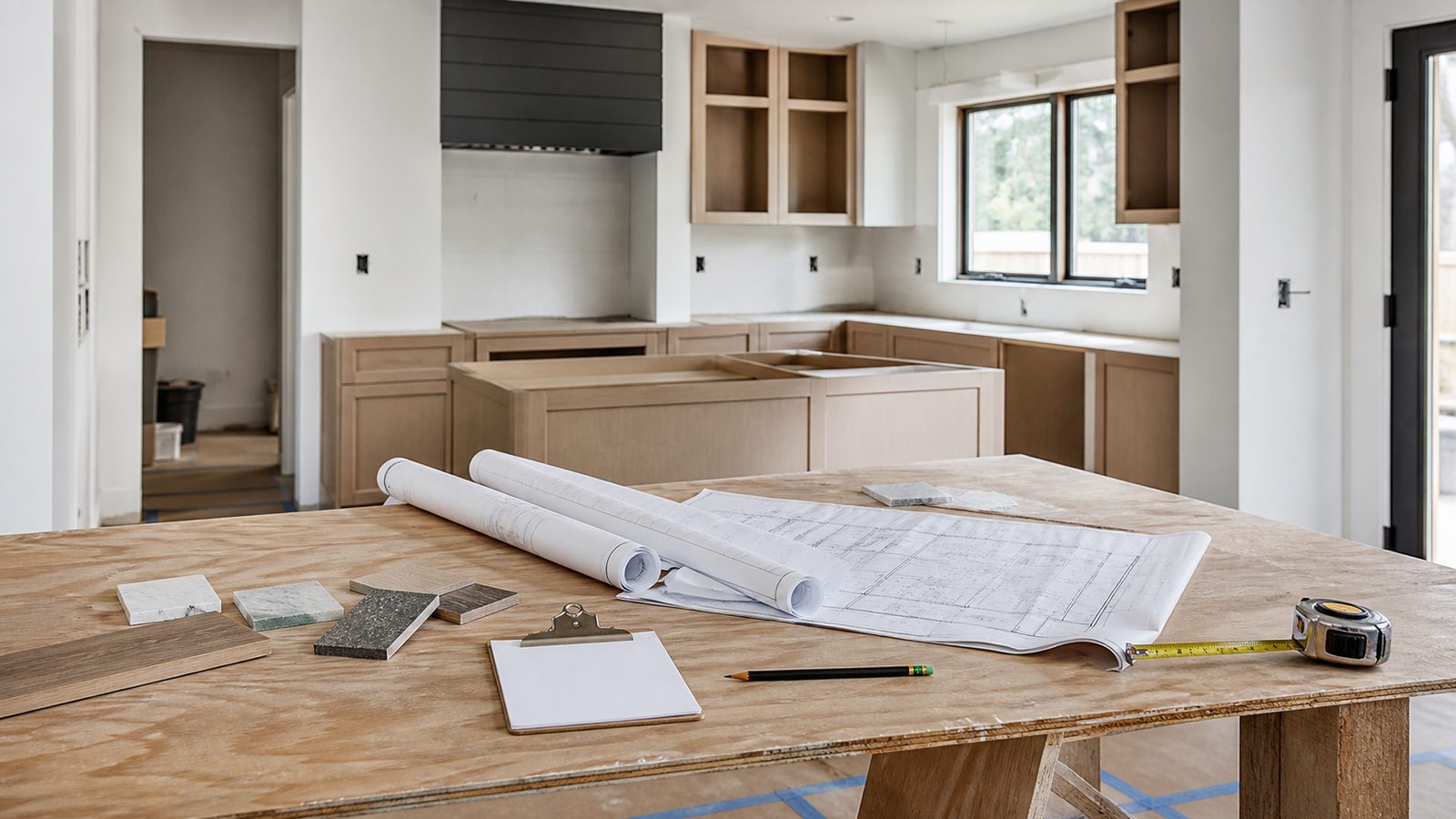
Florida requires general contractors to hold a Certified General Contractor (CGC) or Certified Building Contractor (CBC) license, issued and tracked by the Department of Business and Professional Regulation (DBPR). You can search any license in real time at myfloridalicense.com. Ask for the license number, look it up yourself, and confirm it shows "Current, Active" — not expired, suspended, or under complaint.
In Duval County, the Jacksonville Building Inspection Division also requires a local certificate of competency for work under the state threshold. Ask if the contractor is registered locally. A legitimate GC will hand you their license number without hesitation. Vague answers — "I'll have my office send that" — are a signal to move on.
2. Can I See Your Certificate of Insurance with My Name Added as Additional Insured?
A COI (Certificate of Insurance) is a one-page summary of the contractor's active insurance policies. You want to see general liability (GL) coverage and workers' compensation (workers' comp). The GL policy protects you if the contractor damages your property; workers' comp covers their crew members if someone gets hurt on your job.
The key detail most homeowners miss: ask to be added as an additional insured on the GL policy, not just listed as a certificate holder. An additional insured actually has coverage rights under the policy. Request the COI directly from the contractor's insurance agent, not from the contractor, so you know it's current and unaltered. Any contractor billing themselves as professional should be able to produce this within 24 hours.
3. Do You Self-Perform, or Do You Sub Everything Out?
A GC who self-performs critical trades — framing, concrete, drywall, finish carpentry — controls quality, schedule, and cost directly. A GC who subcontracts everything out is essentially a broker: their margin depends on buying subcontractor labor cheaply, and quality control depends entirely on which sub shows up.
Ask specifically: "Which trades do you self-perform with your own employees?" and "Which trades do you sub, and who are those subs?" For a residential renovation in Jacksonville, a GC who self-performs the core trades will respond faster to field issues, maintain tighter schedule, and have cleaner accountability when something needs to be corrected. JK Prestige self-performs framing, concrete, drywall, finish carpentry, and roofing — which is why the JK Way delivers consistent results across 500+ completed projects.
4. Will You Give Me a Fixed-Price Contract?
A fixed-price contract means the number in the contract is the number you pay — barring documented change orders that both parties sign before work begins. A cost-plus contract, by contrast, means you pay the contractor's actual costs plus a markup, with your final bill unknown until the project ends.
Cost-plus contracts shift all cost risk to the owner. They incentivize longer schedules and higher material selections, because everything flows through at cost plus margin. Fixed-price contracts align the contractor's interests with yours: they have to finish on budget to make money. Any reputable GC who has done their pre-construction homework will commit to a fixed price. If a contractor says "there's too many unknowns to give you a fixed price" without first proposing a subsurface inspection or validation phase, that's a negotiation tactic, not a technical limitation.
5. What Is Your 48-Hour Availability for Calls and Site Visits?
You need to know, before you sign, who you can reach when something is wrong and how fast they'll respond. Ask directly: "If I call you on a Tuesday at 3 PM with a concern about something I saw on the job, what happens?" The answer tells you a great deal. A principal-led firm will give you a direct cell number. A larger firm will route you through an office coordinator and then a project manager who may be juggling eight other jobs.
In Jacksonville's active construction market, schedule delays compound quickly. A 24-hour response gap to a question about a framing detail can cost days of crew time. Get a specific commitment — "I answer my phone, and if I miss it I call back within 2 hours" — and confirm that commitment is in writing somewhere in your contract.
6. Who Specifically Manages My Project Day to Day?
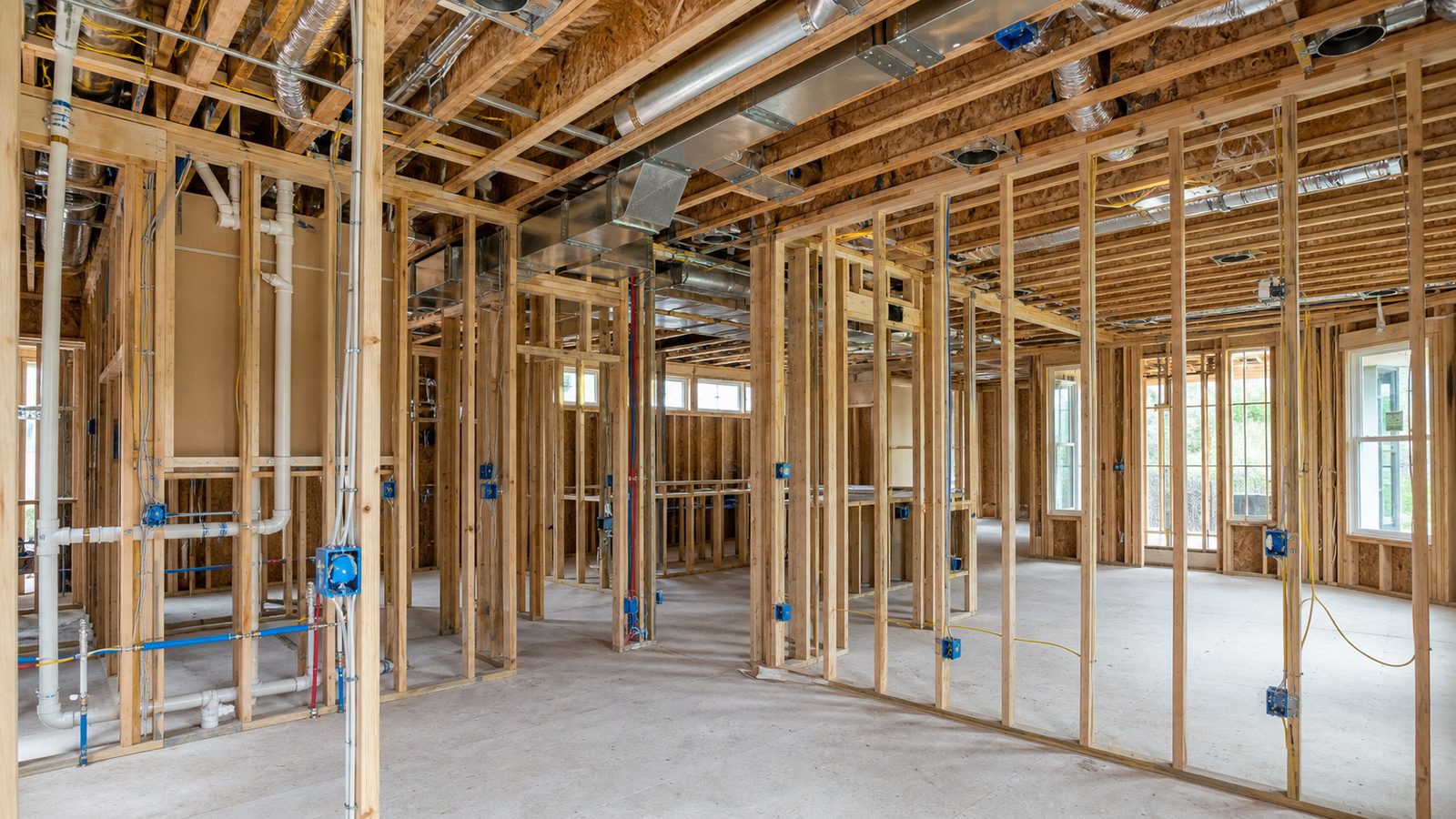
"Project manager" is not an answer. Get a name. Then ask how many other projects that named person is running simultaneously. A superintendent managing eight active job sites is not managing any of them well. Ask if they'll be on your site every day, and if not, what the check-in frequency looks like.
In Jacksonville's healthcare and commercial sectors, this question matters especially for tenant improvement and hospital renovation work, where daily coordination with building operations, infection control, and clinical staff is non-negotiable. On residential work in neighborhoods like Riverside or San Marco, a dedicated superintendent who knows the job catches problems before they become change orders. Learn more about how JK Prestige structures project leadership at our expertise page for homes.
7. Can I Call 3 References from Projects Completed in the Last 12 Months?
References from 3 years ago tell you who the contractor was, not who they are now. Crew composition changes, principals come and go, and quality varies with volume. Ask specifically for references from the last 12 months, from projects similar in scope and type to yours. Then call them — all three — and ask the same questions: Did the project finish on schedule? Did the final cost match the contract? How did the contractor handle a problem when something went wrong?
If a contractor can't produce three current references in your project category, ask why. "We're very busy" is not an answer. A GC who delivers consistently will have clients willing to take a five-minute call.
8. What Is Your Change Order Policy?
Change orders are how contractors make money on a fixed-price contract. The question isn't whether change orders will happen — some will, for genuine scope additions or concealed conditions. The question is how they're defined and authorized.
Ask for the change order clause in the contract. Specifically: Is any additional work stopped until a change order is signed? What is the markup rate on change order work? What constitutes a change order versus a warranty fix? A legitimate contractor's answer is: no work proceeds without a written, signed change order showing the cost, the reason, and the schedule impact. If the answer is vague or verbal, that's how scope creep and budget overruns happen.
9. What Is Your Pull-Permit Process and Timeline?
In Jacksonville and Duval County, most construction work requires a building permit. The permit triggers inspections, which create a documented record that the work was done to code — critical for resale, insurance, and liability. Contractors who suggest skipping the permit are transferring legal and financial risk to you as the property owner.
Ask the contractor who pulls the permit (it should be them, not you), who pays the permit fee (confirm it's included in the contract), and what the realistic timeline is for permit approval given current Duval County Building Inspection Division volume. For residential work, expect 3–6 weeks for permit approval after submission, depending on project type and current backlog. A contractor who doesn't know the current permit timeline probably hasn't pulled one recently in your jurisdiction.
10. What Happens If You Find Something Unexpected Inside the Walls?
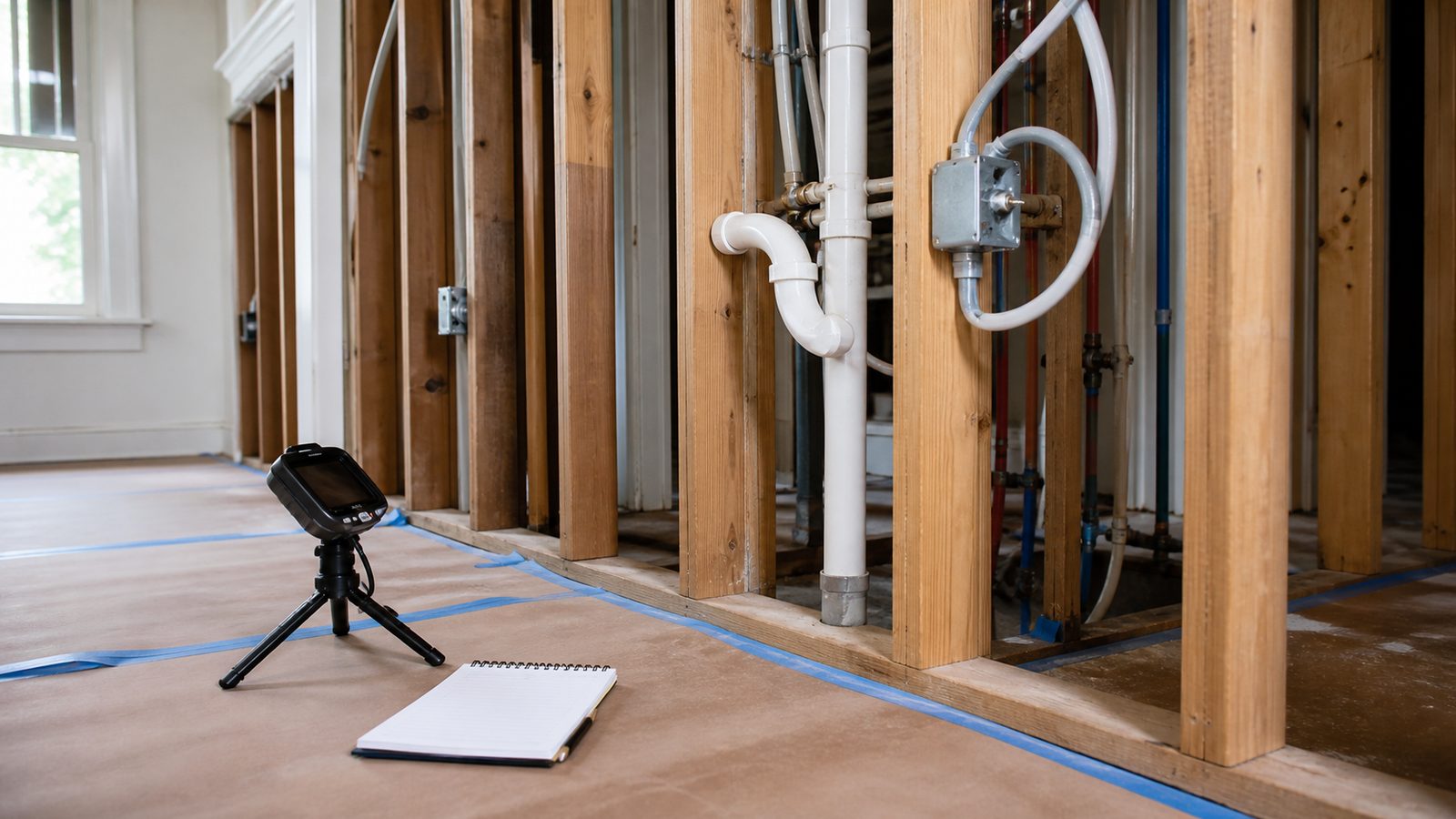
Concealed conditions — mold, rot, outdated wiring, failed plumbing, asbestos in pre-1980 homes — are a reality in Jacksonville's older housing stock in neighborhoods like Avondale, Springfield, and Murray Hill. How a contractor handles these discoveries defines the project experience.
Ask specifically: How is an unforeseen condition documented before work continues? Who authorizes the response? Is the resulting cost an automatic change order, or does the contract include a contingency for these scenarios? A professional GC will propose a pre-construction inspection phase — thermal imaging, moisture testing, visual inspection — to surface as many unknowns as possible before the contract is signed. That's the difference between a fixed-price contract that holds and one that doesn't.
If you have a project in mind, JK Prestige Construction answers all 10 of these questions before you sign anything. Get a written estimate in 48 hours. Call (904) 944-0278 or get a free consultation.
No call center. No coordinator. A JK principal reviews every inquiry and replies with a real number, not a range, not a follow-up form.
Request Free Estimate →