Jacksonville's Westside — the area roughly bounded by Interstate 10 to the north, US-301 to the east, Orange Park to the south, and Baldwin to the west — is one of the most active construction zones in the metro. Industrial parks along Interstate 10, residential development in established neighborhoods like Paxon, Ortega Farms, and Argyle Forest, and commercial growth along Blanding Boulevard are all moving simultaneously.
It is also one of the more operationally specific areas to build in. The Westside has its own utility providers, flood zone patterns, and permitting considerations that are different from Riverside, San Marco, or Ponte Vedra. If you are planning a project on the Westside — residential, commercial, or industrial — here are 10 things to know before you break ground.
1. JEA Service Area vs. Clay Electric Cooperative
Not all of Jacksonville's Westside is served by JEA. Properties south and west of the Orange Park boundary transition to Clay Electric Cooperative service. Clay Electric is a member-owned cooperative that serves Clay County and portions of western Duval County. Service connection timelines and rate structures differ from JEA.
Before selecting a Westside site, confirm which utility serves it and what the transformer capacity and three-phase availability looks like. Three-phase power availability in outer Westside areas is not guaranteed without extension.
2. Flood Zones Are Not Uniform Across the Westside
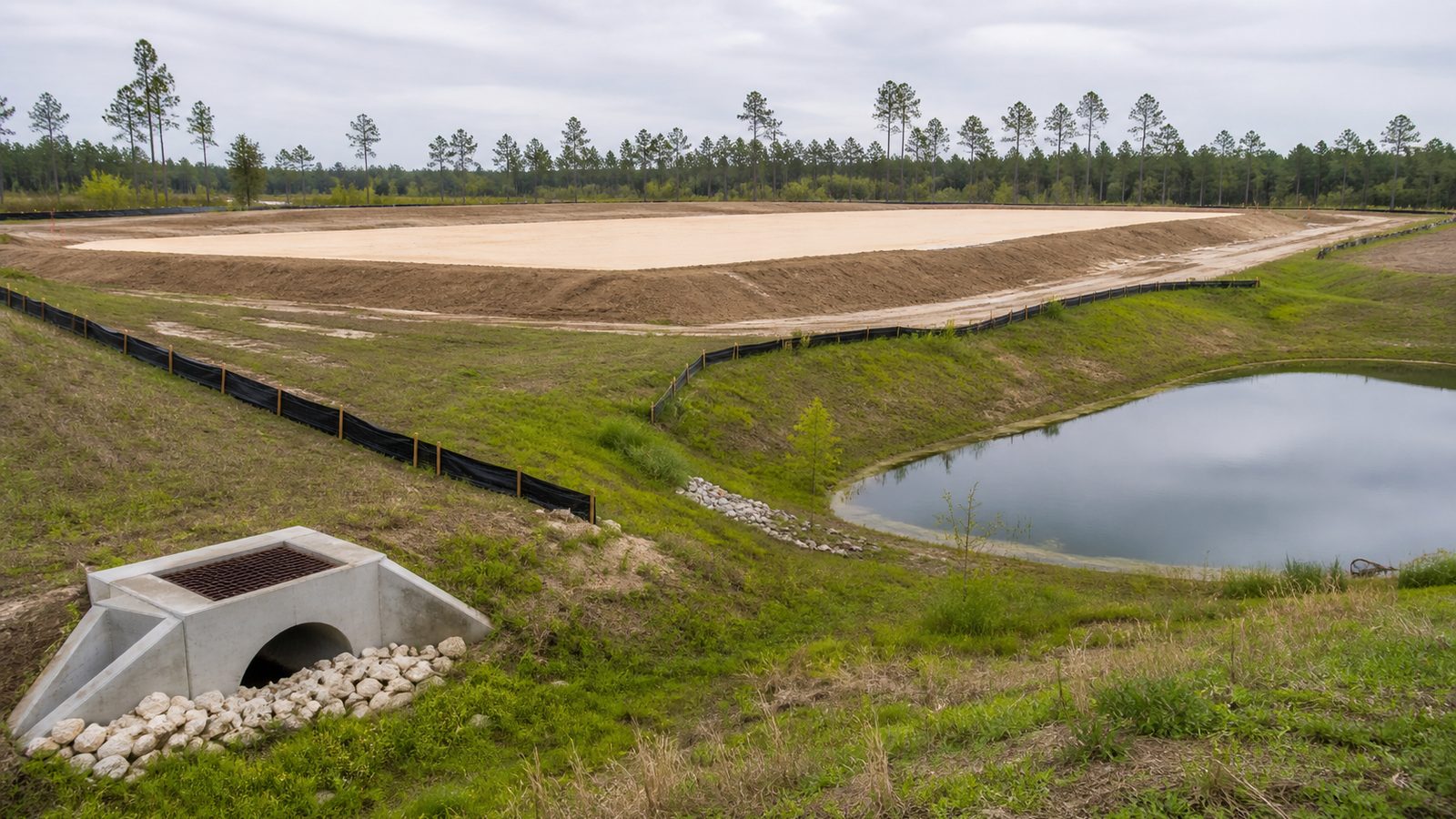
The Westside includes a wide range of flood zone classifications. The area near the Ortega River, Cedar River, and their tributaries has significant AE flood zone coverage. Elevated construction requirements, NFPA flood-resistant construction standards, and mandatory flood insurance affect project costs materially.
Outer Westside — areas toward Baldwin and toward Clay County — tends to have better drainage profiles and more X (minimal flood hazard) zone coverage. Confirm the flood zone for any specific parcel using FEMA's Flood Map Service Center before land due diligence is complete.
3. Westside Industrial Zoning Is Favorable for Warehouse and Light Industrial
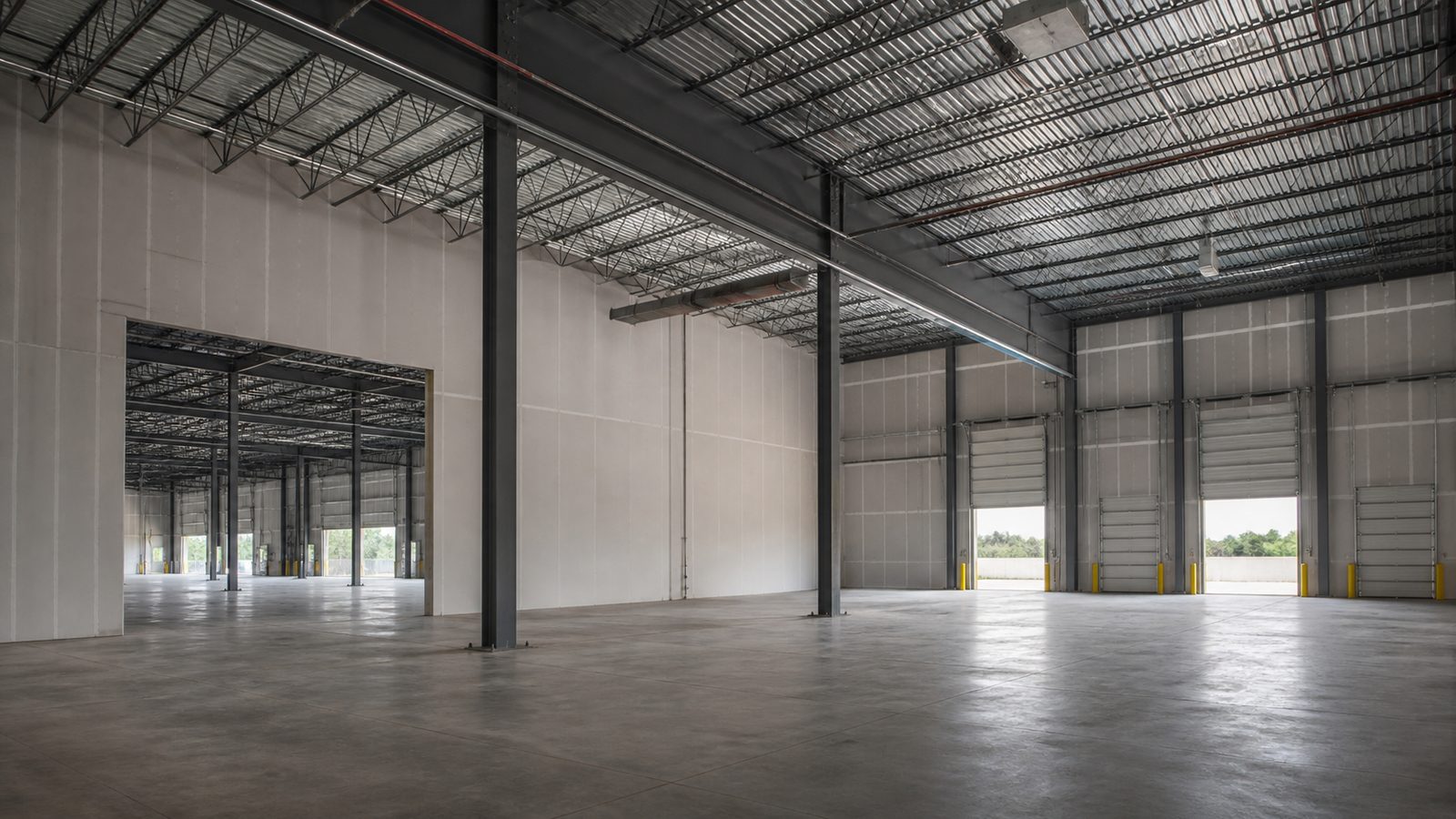
The Westside has Jacksonville's highest concentration of Industrial Light (IL) and Industrial Warehouse (ILW) zoning, particularly along the I-10 corridor from Imeson Park to the Westside Industrial Area. Land prices in established industrial zones run $3 to $6 per square foot — below comparable Northside or Dames Point parcels.
However, industrial zoning does not mean no restrictions. Setbacks, impervious surface limits, and buffer requirements adjacent to residential zones apply and are enforced.
4. Blanding Boulevard Is a DOT Corridor — Access Is Controlled
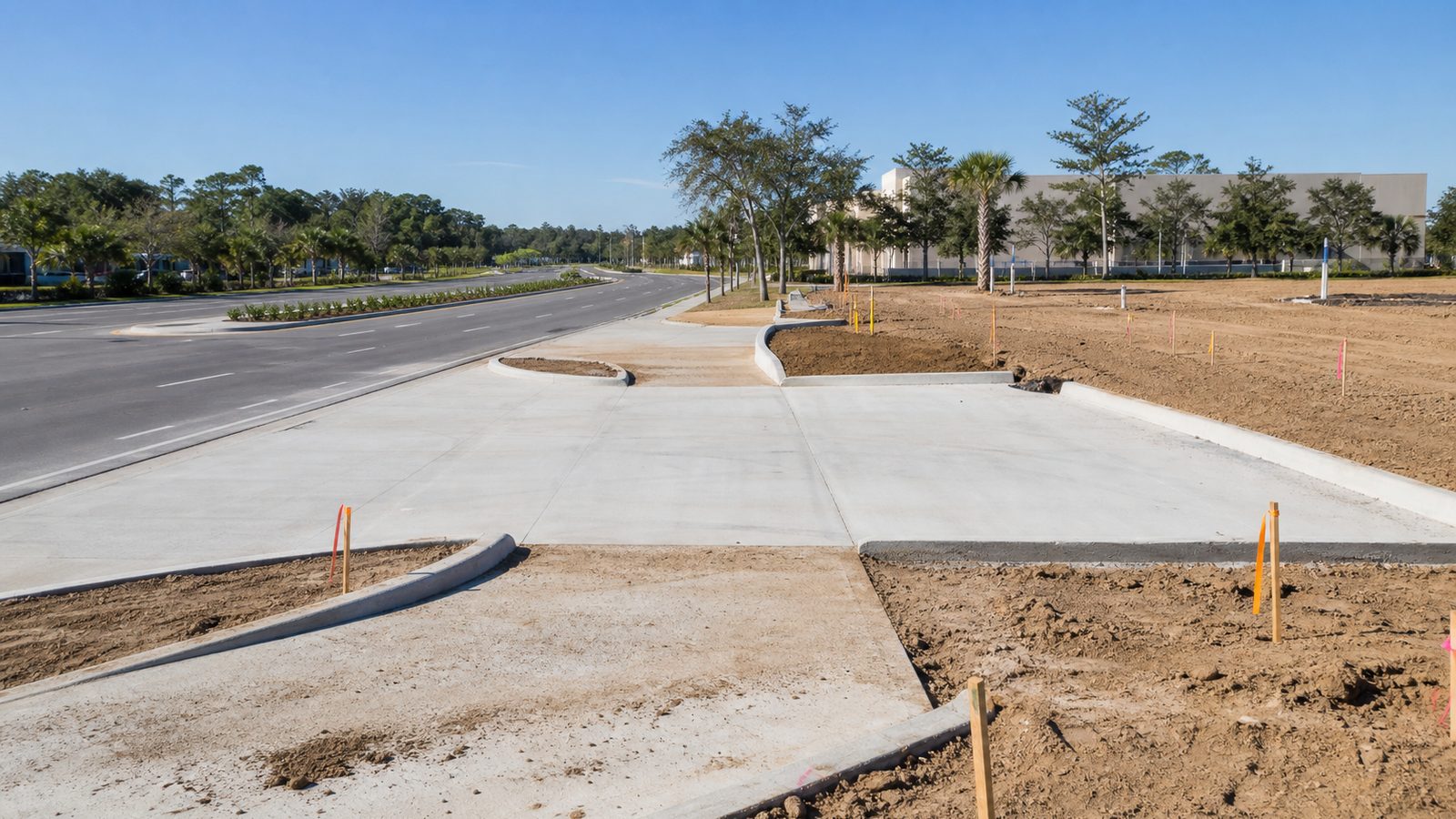
Blanding Boulevard (SR-21) is a Florida DOT state highway. Any commercial development with a driveway or access point on Blanding requires a Florida DOT driveway permit with a full traffic study if the development generates more than a defined volume of trips. This is not optional and it adds 8 to 16 weeks to the pre-construction timeline.
JK accounts for DOT access management on every Blanding Boulevard project. A developer who does not plan for this will discover it after the building permit application is submitted and have to restart.
5. Argyle Forest and Oakleaf Plantations Have HOA/CDD Overlays
The planned residential communities in Argyle Forest, Oakleaf Plantation, and Oakleaf Town Center are governed by HOAs and Community Development Districts (CDDs) with design and construction standards that go beyond the base zoning code. Custom home construction in these communities requires HOA architectural review and approval before the Duval County building permit can be submitted.
JK prepares ARB (Architectural Review Board) submission packages as part of the pre-construction scope on projects in HOA-governed communities.
6. Soil Conditions Vary Significantly — Get a Geotechnical Report
The Westside includes a mix of upland sandy soils, filled areas near former wetlands, and pockets of soft or organic soil in low-lying areas near creek systems. A geotechnical report (soil borings and bearing capacity analysis) is not optional on Westside projects — it is the foundation for the foundation design.
JK orders geotechnical reports as part of the pre-construction phase on every Westside project. The bearing capacity and slab design come from the report, not from a generic spec that assumes ideal conditions.
7. Water and Sewer Availability in Outer Westside Is Not Universal
JEA water and sewer service does not cover all of western Duval County. Properties in areas like Cecil Commerce Center have utility service. Properties in outer Baldwin, MacClenny Road areas, and unincorporated pockets west of I-295 may require well and septic or a utility service extension.
Septic permits for new construction go through the Duval County Health Department. Septic for commercial uses has flow-based sizing requirements. Confirm utility availability before committing to a site.
8. Cecil Commerce Center Has Different Review Processes
Cecil Commerce Center — the former Cecil Field Naval Air Station redeveloped as an industrial and logistics park — operates under a Jacksonville Aviation Authority master plan and has its own design guidelines and permitting coordination requirements. Projects within Cecil Commerce Center coordinate with JAA in addition to or instead of standard Duval County processes.
JK has managed projects in Cecil Commerce Center and understands the JAA coordination requirements and design standard review process.
9. The Westside Has Some of Jacksonville's Oldest Commercial Buildings
Older commercial and industrial buildings along US-17, Edgewood Avenue, and Wilson Boulevard in the inner Westside are frequently the subject of renovation and adaptive reuse projects. These buildings may contain asbestos-containing materials (ACM), lead paint, and outdated electrical systems that require hazmat survey and abatement before renovation can begin.
Florida requires a licensed asbestos contractor to perform surveys and abatement on commercial buildings over a certain age. JK coordinates ACM surveys at the pre-construction phase on all Westside renovation projects involving pre-1980 commercial buildings.
10. Historic and Cultural Resources Exist in Some Westside Neighborhoods
Neighborhoods like Ortega, Venetia, and Murray Hill's western edges include properties on the National Register or within local historic overlay zones. While the inner Westside and industrial areas are not typically affected, residential infill and renovation projects in Ortega and Venetia may require historic review and potentially a Certificate of Appropriateness before exterior alterations can proceed.
JK reviews historic overlay status at the pre-construction phase on all Westside residential projects, including infill construction near established historic neighborhoods.
The Bottom Line on Westside Construction
The Westside is an active, opportunity-rich construction market with conditions that reward preparation. The GC who knows the utility landscape, DOT access requirements, CDD overlay processes, and flood zone distribution will deliver a better outcome than one who is learning the territory on your project.
JK Prestige has built on the Westside — residential custom homes in Argyle Forest, industrial projects along I-10, and commercial fit-outs on Blanding Boulevard. We pull permits in Duval County, manage JEA utility coordination, and deliver fixed-price contracts with a principal who knows the ground.
No call center. No coordinator. A JK principal reviews every inquiry and replies with a real number, not a range, not a follow-up form.
Request Free Estimate →