A fixed-price contract is the right structure for most construction projects. It transfers cost risk from the owner to the contractor, forces the contractor to estimate carefully, and gives the owner a clear budget to work with. But a fixed-price contract is only as good as the scope document it is built on. A vague scope with a fixed number is not a fixed-price contract — it is a setup for change orders that look like surprises but were entirely predictable.
JK Prestige operates on fixed-price contracts across all project types: residential renovation, new construction, roofing, and commercial work in Jacksonville and Duval County. Here is what every owner should understand before signing.

1. Fixed-Price Means the Number Doesn't Change If the Scope Doesn't Change
This sounds obvious and it is worth stating explicitly. A fixed-price contract obligates the contractor to complete the defined scope for the agreed price, regardless of their actual labor and material costs during the project. If lumber prices increase after the contract is signed, that is the contractor's problem, not the owner's. If the contractor underestimated how long framing would take, that is the contractor's problem. The corollary is equally important: if the scope changes, the price changes through a formal change order. Fixed-price protects you from contractor cost overruns on defined scope. It does not protect you from changes you introduce, unforeseen conditions that are genuinely outside the scope, or allowances that are not fixed by definition.
2. The Scope Document Is the Foundation — Vague Scope Equals Change Orders
The scope document — the written description of exactly what work is included in the contract — is the most important document in a construction project. A fixed-price contract with a one-page scope is not a fixed-price contract in practice; it is an invitation for disputes about what was included. A well-written scope specifies materials by brand and specification, dimensions, finish levels, which existing items are to be protected versus removed, what happens to removed materials, and what is explicitly excluded. Before signing a fixed-price contract, read the scope line by line. Every ambiguous line — "install kitchen cabinetry per plan" with no plan attached — is a future change order. Ask the contractor to tighten it before you sign.
3. Allowances Are Not Fixed — They Are Placeholders
Allowances are budget placeholders for owner-selected items whose final specification is not yet determined at the time of contract. A $5,000 appliance allowance means the contractor has priced $5,000 in the budget for appliances; if you select appliances that cost $8,200, you pay the difference as a change order. If you select items that cost $3,800, you receive a credit. Allowances are appropriate and common — tile, fixtures, countertops, appliances, and landscaping frequently carry allowances. The key is to know how many allowances are in your contract and whether they are realistic for what you actually intend to buy. Contractors sometimes use low allowances to make a fixed-price look competitive; the difference comes back as change orders once selections are made.
4. Unforeseen Conditions Are Legitimately Additional
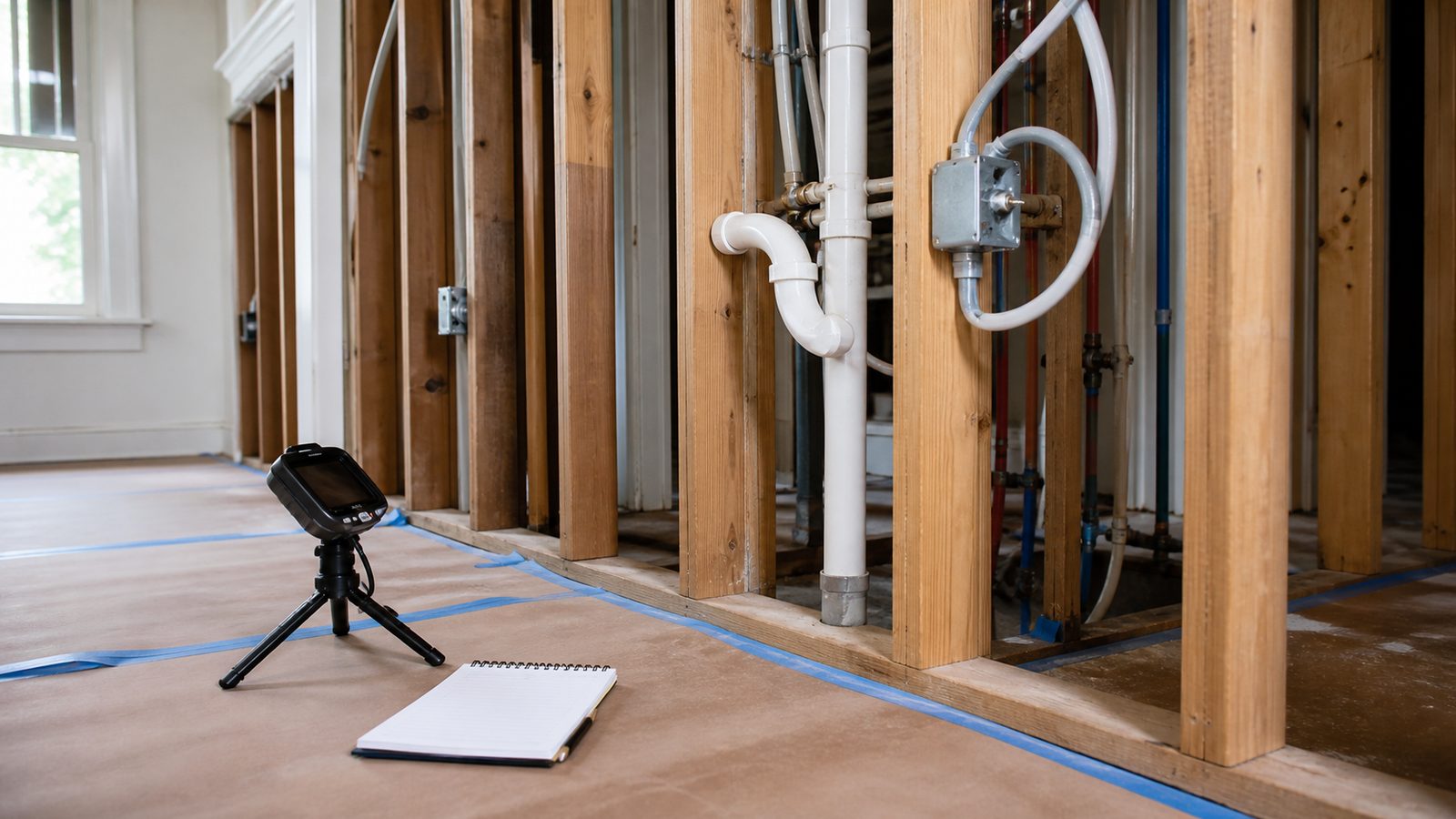
Genuinely unforeseen conditions — buried utilities at unexpected depths, structural framing that departs from the original drawings, mold behind walls that was not visible before demolition — are legitimately outside a fixed-price contract. No contractor can price conditions they cannot see, and contract language typically protects both parties by defining what constitutes an unforeseen condition and how it is documented and priced. The distinction between a legitimate unforeseen condition and a contractor who simply underestimated is important: unforeseen conditions are conditions no reasonable pre-construction investigation could have identified. That is why pre-construction due diligence — subsurface inspections, as-built drawings, invasive probing where access permits — reduces unforeseen conditions dramatically.
5. Change Orders Must Be Signed Before Work Proceeds
A change order is a written modification to the contract scope, price, and schedule. It should be signed by both parties before the changed work begins. Verbal agreements during construction — "go ahead and add the outlet, we'll figure it out" — are not enforceable change orders in Florida, and they create disputes at the end of projects when the owner expected a $200 item and the contractor invoiced $650. Establish this practice at the kickoff meeting: nothing changes without a signed change order. A contractor who resists this practice is not organized enough to manage your project. JK requires signed change orders on every project regardless of size.
6. A Well-Run Pre-Construction Phase Reduces Unforeseen Conditions Dramatically
The single most effective way to protect a fixed-price contract from cost growth is thorough pre-construction work: complete design documents, reviewed structural drawings, subsurface investigation where applicable, and a detailed scope review before the contract is signed. JK's pre-construction process for renovation projects includes opening walls or performing targeted exploratory demo where hidden conditions are likely — mold behind wet walls, electrical that does not match as-built drawings, plumbing that runs in unexpected locations. The cost of pre-construction investigation is a small fraction of the cost of a change order discovered during construction, when the walls are already open and the crew is on-site.
7. Fixed-Price Protects You From Labor Escalation During Construction
Labor costs in Jacksonville's construction market have been volatile. In a time-and-materials contract, any increase in crew hours or labor rates during the project is passed directly to the owner. In a fixed-price contract, the contractor has absorbed that risk at the time of bidding. If a project runs six months and labor costs increase in months four through six, the fixed-price contractor bears that cost. For owners, this predictability is particularly valuable in projects with longer durations — additions, new construction, major renovations — where market volatility over a six to twelve month period is meaningful.
8. Payment Schedule Should Be Tied to Milestones, Not Calendar
A payment schedule tied to calendar dates — "payment due on the 1st of each month" — gives the contractor funding regardless of project progress. A milestone-based payment schedule ties each payment to a defined, inspectable deliverable: foundation poured and inspected, framing complete, drywall hung, substantial completion. This aligns the contractor's cash flow with actual work performed and gives the owner a straightforward mechanism to verify progress before releasing funds. Florida's contractor payment statute (Florida Statute 713) governs how payments must be applied to the project, but the payment schedule structure is contractual. Insist on milestones.
9. Fixed-Price Requires the Contractor to Absorb Their Estimation Errors
When a fixed-price contractor underestimates the labor required for a task, they eat the difference. This is not a loss-sharing situation. This is exactly what fixed-price is designed to do: transfer the risk of the contractor's estimation accuracy to the contractor. In a time-and-materials arrangement, estimation errors are the owner's problem. In a fixed-price arrangement, they are the contractor's problem. This creates a strong incentive for the contractor to estimate carefully, invest in pre-construction investigation, and build realistic contingencies into their price. It is one reason fixed-price contracts typically cost slightly more to initiate than time-and-materials estimates: the price includes the contractor's risk premium for the commitment.
10. The Contract Should Define "Substantial Completion" Precisely
Substantial completion is the point at which the project is sufficiently complete for the owner to occupy or use it for its intended purpose. It is the trigger for final payment in most Florida construction contracts and the start date for warranty periods. It is also the most disputed milestone in construction projects. A contract that defines substantial completion as "when the owner says it's done" is unworkable — no contractor will sign it. A contract that defines it as "when a certificate of occupancy (CO) is issued by Duval County Building Services" is objective and enforceable. Define it precisely: what documents must be delivered, what punch list items may remain open, what is the tolerance for open items, and how they will be tracked and completed. This clarity prevents the last 5% of a project from dragging into months of dispute.
JK Prestige operates on fixed-price contracts because they create accountability on both sides. We invest heavily in pre-construction to tighten the scope so that the fixed price stays fixed. Learn more about how we approach projects from first call to completion, and see our residential project work.
Get a written estimate in 48 hours. Call (904) 944-0278 or request a free inspection.
No call center. No coordinator. A JK principal reviews every inquiry and replies with a real number, not a range, not a follow-up form.
Request Free Estimate →