Most general contractors in Florida function as brokers. They win the contract, mark up subcontractors, and manage coordination. The actual work is done by crews they do not employ, under supervision they do not fully control, with quality standards they did not set.
A self-perform GC is structurally different. When the GC's own employees do the framing, drywall, and finish carpentry, every risk category on the project changes. Here is how.
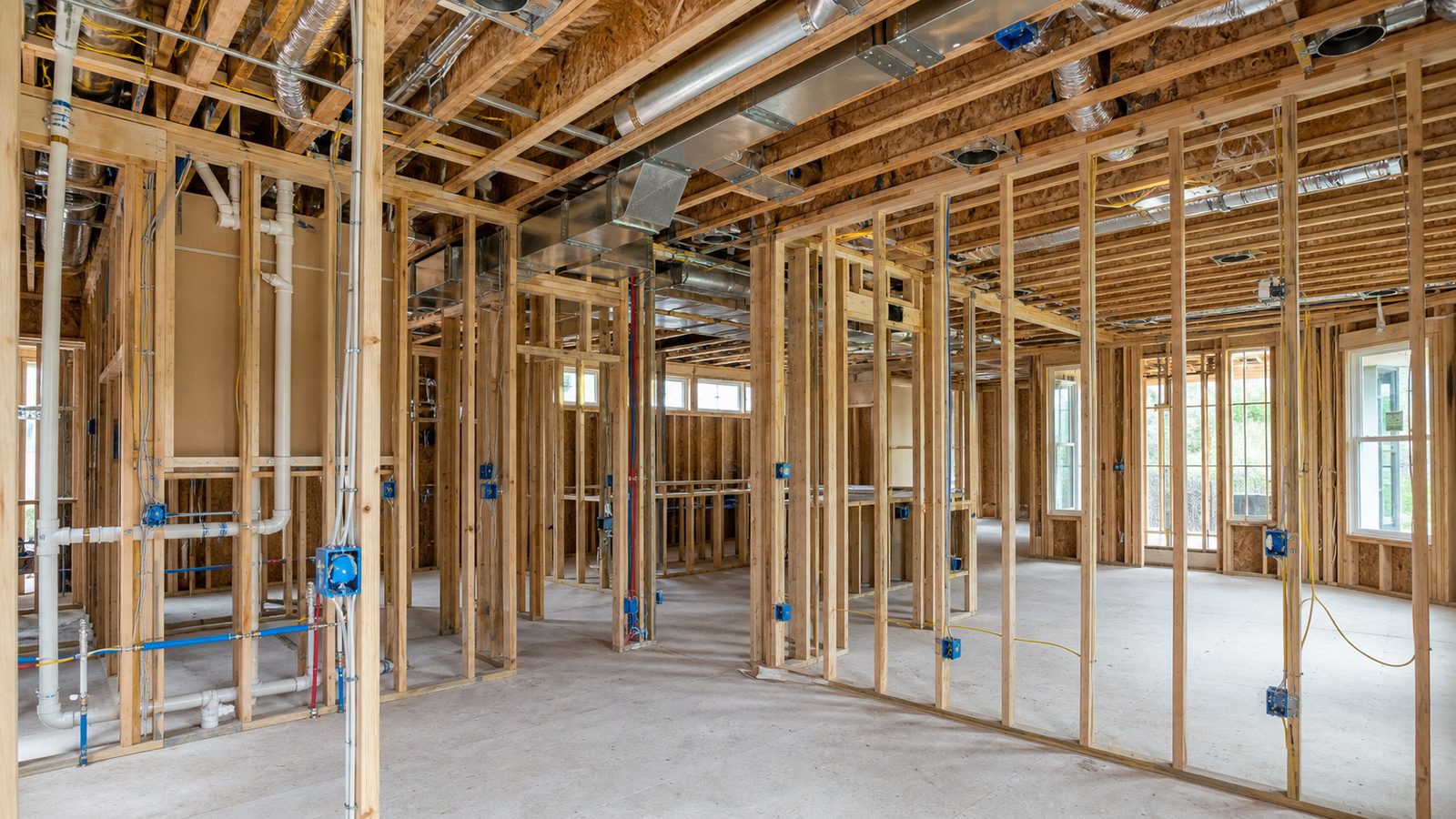
1. Framing and Drywall Run on the Same Schedule
In a traditional sub model, framing and drywall are contracted separately. When framing runs long — which it frequently does — the drywall sub's availability window has already passed. The GC calls the drywall sub, who is now committed to another project for the next two weeks.
A self-perform GC manages both crews internally. When framing finishes a section, the drywall crew moves in on the same schedule without a gap. That handoff, which in a sub-heavy model can create two-to-four-week delays, becomes a same-day or next-day transition. Over a full project, recovered handoff time is one of the most consistent schedule savings a self-perform GC delivers.
2. Faster Punch-List Resolution
Punch-list resolution is where many Jacksonville renovations stall. In a sub-heavy model, the GC identifies a drywall defect, writes it up, contacts the drywall sub, waits for the sub to schedule a callback, and waits again for the sub to show up. Each item on the punch-list has a minimum two-to-five-day resolution window, often longer.
A self-perform GC sends their own finisher to address the callback. The defect is identified in the morning, a finisher is dispatched in the afternoon, and the item is closed the same day or the next morning. On a punch-list with 30 items, that difference compounds. Projects close faster. Final payment milestones hit sooner.
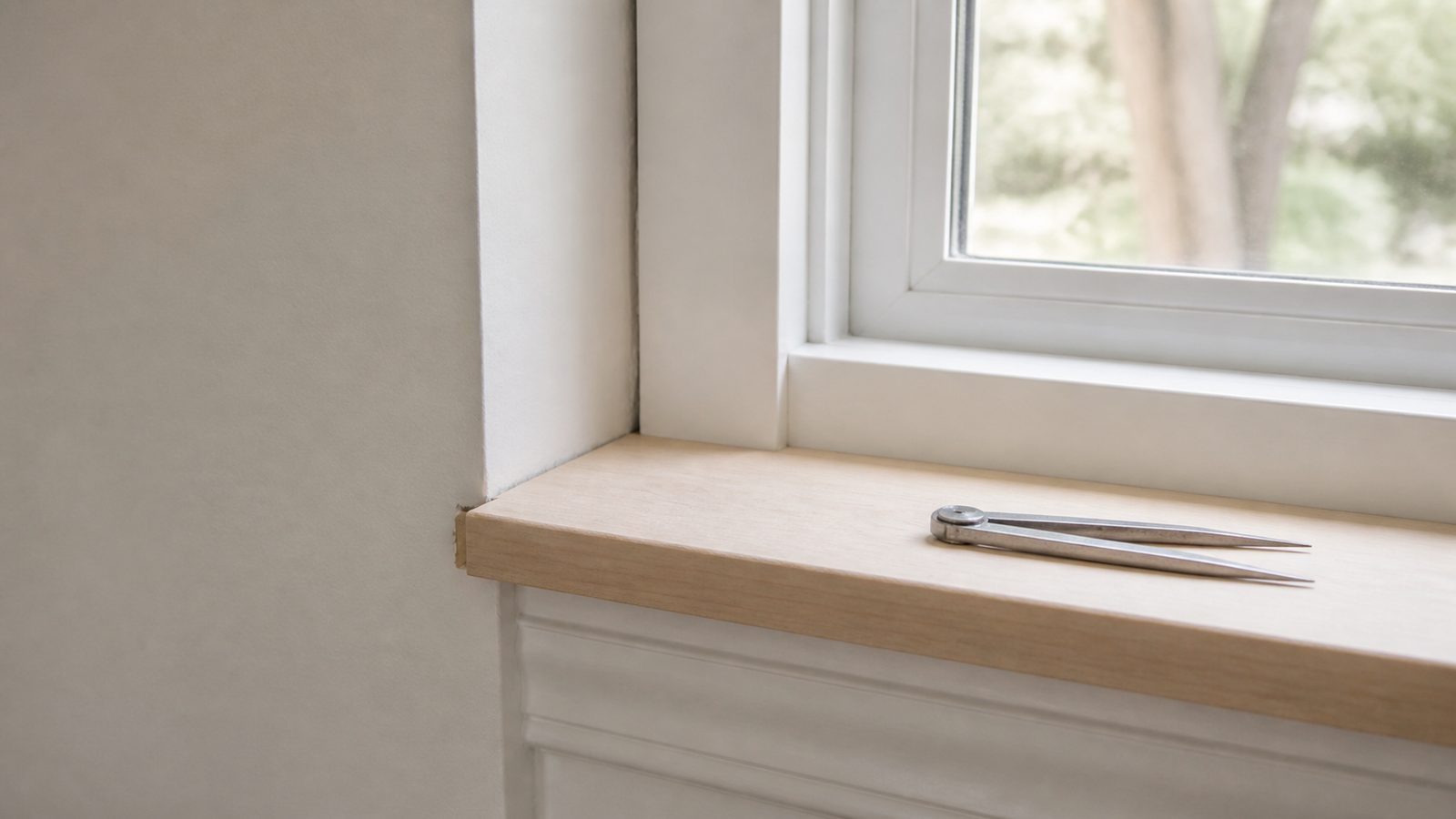
3. Superintendent Owns Quality on Both Trades
In a brokered model, quality control on framing is the framing sub's responsibility. Quality control on drywall is the drywall sub's responsibility. When a drywall problem traces back to framing — a wall that is out of plumb, a header at the wrong height — the sub-to-sub dynamic creates a blame-shifting conversation. The GC has to arbitrate between two independent contractors, each protecting their own margin.
When both trades belong to the same GC, the superintendent owns quality on both. There is no one to shift blame to. The framing crew knows the drywall superintendent will hold them to a standard, because they work for the same employer. That shared accountability produces measurably better rough-in quality and fewer drywall callbacks.
4. No Sub Markup on Self-Perform Trades
A sub-heavy GC applies a markup to every trade they subcontract — typically 10 to 20% above the sub's base price. That markup covers the GC's coordination cost and profit margin on brokered labor. On a $500,000 renovation project where framing and drywall represent $80,000 to $120,000 of the scope, the sub markup on those two trades alone can run $8,000 to $24,000.
A self-perform GC prices framing and drywall at their actual labor and material cost. There is no markup layer on top because there is no sub to mark up. That cost savings can go to the owner — in the form of a lower fixed-price contract — or to a higher finish specification for the same budget.
5. Mobilization Speed
Subcontractors maintain calendars that are booked weeks to months in advance. When your project is ready for framing, the framing sub's next available mobilization date may be two to three weeks out. For a well-sequenced renovation, waiting three weeks for a sub to mobilize can push the entire project timeline by that same three weeks.
A self-perform GC deploys their own crew. When the site is ready, the crew mobilizes. There is no calendar conflict with another client's project because the scheduling decision is internal. On projects where owner urgency matters — an insurance-driven restoration, a tenant improvement with a hard lease commencement date — mobilization speed is a risk factor that a self-perform model largely eliminates.
6. OSHA Compliance Owned by the GC, Not Delegated
In a multi-employer worksite with subcontractors, Occupational Safety and Health Administration (OSHA) compliance gets complicated. The controlling employer has site-wide responsibility, but each sub is also responsible for the hazards their employees create. When an OSHA inspection finds a fall protection violation, the attribution — and citation — can land on the GC, the sub, or both, depending on who created the hazard and who had authority to correct it.
A self-perform GC controls safety practices directly. OSHA 30-certified supervision means the crew lead understands hazard recognition and abatement at the level of competent person, not the abbreviated OSHA 10 awareness training most sub crews carry. There are no gaps in the safety chain because there are fewer parties in it. Read more about JK's approach to projects.
7. Warranty Accountability Stays with One Party
Workmanship warranties are only as good as the party standing behind them. In a sub-heavy model, a warranty claim on framing goes back to the GC, who contacts the framing sub, who may or may not still be in business, who may dispute that the defect is their work. A warranty claim on drywall follows the same chain.
When one GC self-performs both trades, every warranty claim goes to one party. That party cannot point to a sub as the responsible contractor. They built it. They stand behind it. From the owner's perspective, warranty accountability is simpler, faster, and more reliable.
8. Material Procurement Is Direct
Subcontractors purchase materials themselves and mark them up before billing the GC, who then marks them up again before billing the owner. On commodity materials — lumber, drywall board, joint compound, fasteners — that double markup adds cost that a self-perform GC does not carry.
A self-perform GC buys materials directly, negotiates volume pricing based on their overall purchase volume, and passes material cost to the owner at their actual procurement price. For a Jacksonville GC with 500-plus projects of history, that procurement leverage is real and it shows in the estimate.
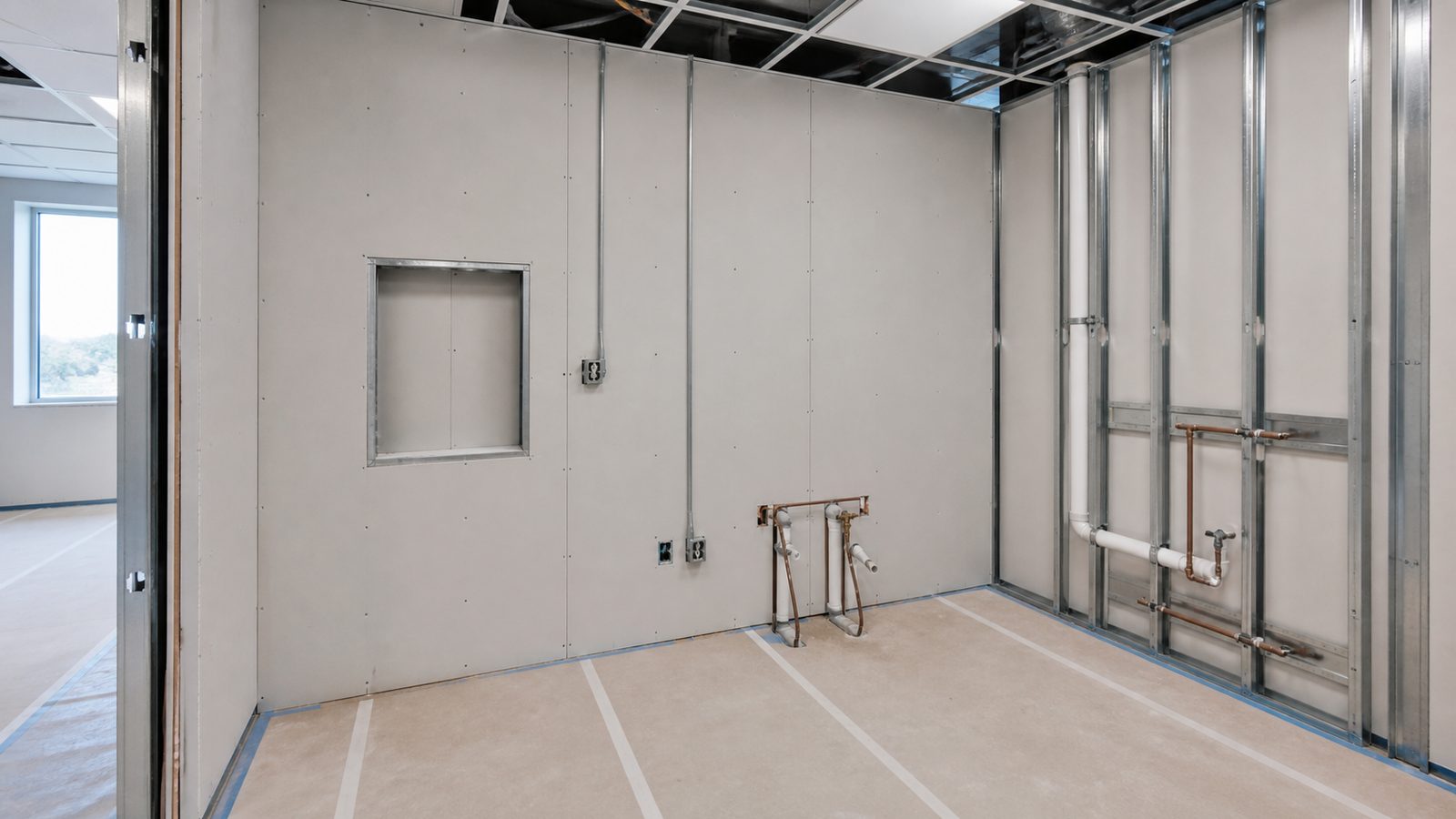
9. Knowledge Continuity from Framing Through Finish
When a different sub frames and a different sub drywalls, the drywall crew often inherits framing conditions they did not set and cannot fully account for. Electrical rough-in done by one sub may create blocking conflicts the drywall sub discovers only when they are hanging board. Each trade-to-trade handoff introduces an information gap.
A self-perform GC's crew carries knowledge through the entire sequence. The foreman who walked the framing knows where the blocking is. The drywall crew knows the electrical conduit runs before they cut. That continuity reduces RFIs (requests for information), reduces conflicts, and produces a finish product where the trades were coordinated rather than handed off.
10. One Insurance and One Bond Cover the Work
With multiple subcontractors on a project, the insurance picture is complex. Each sub is required to carry general liability and workers' compensation, and to name the GC as an additional insured. In practice, sub insurance lapses, certificates expire, and coverage gaps appear. The GC's policy may cover the gap — but only after a claims dispute about who was the responsible party.
A self-perform GC has one general liability policy and one performance bond covering all self-performed work. There is no sub insurance coordination, no certificate chase, no question about whose policy applies to a framing versus drywall defect. For an owner who has read the indemnification language in a construction contract, that simplification matters.
JK Prestige Construction self-performs framing, concrete, drywall, finish carpentry, and roofing. Contact JK to discuss your project scope and receive a written fixed-price estimate within 48 hours.
No call center. No coordinator. A JK principal reviews every inquiry and replies with a real number, not a range, not a follow-up form.
Request Free Estimate →