When you ask two Jacksonville general contractors (GCs) for an estimate, one comes back in 48 hours and one comes back in 3 weeks. The instinct is to assume the 3-week response is more thorough. That instinct is usually wrong.
The time it takes a GC to produce an estimate reveals their operating model — who does the work, where the numbers come from, and how much of the project they actually control. Understanding the difference helps you make a better contractor selection before you're locked into a contract.
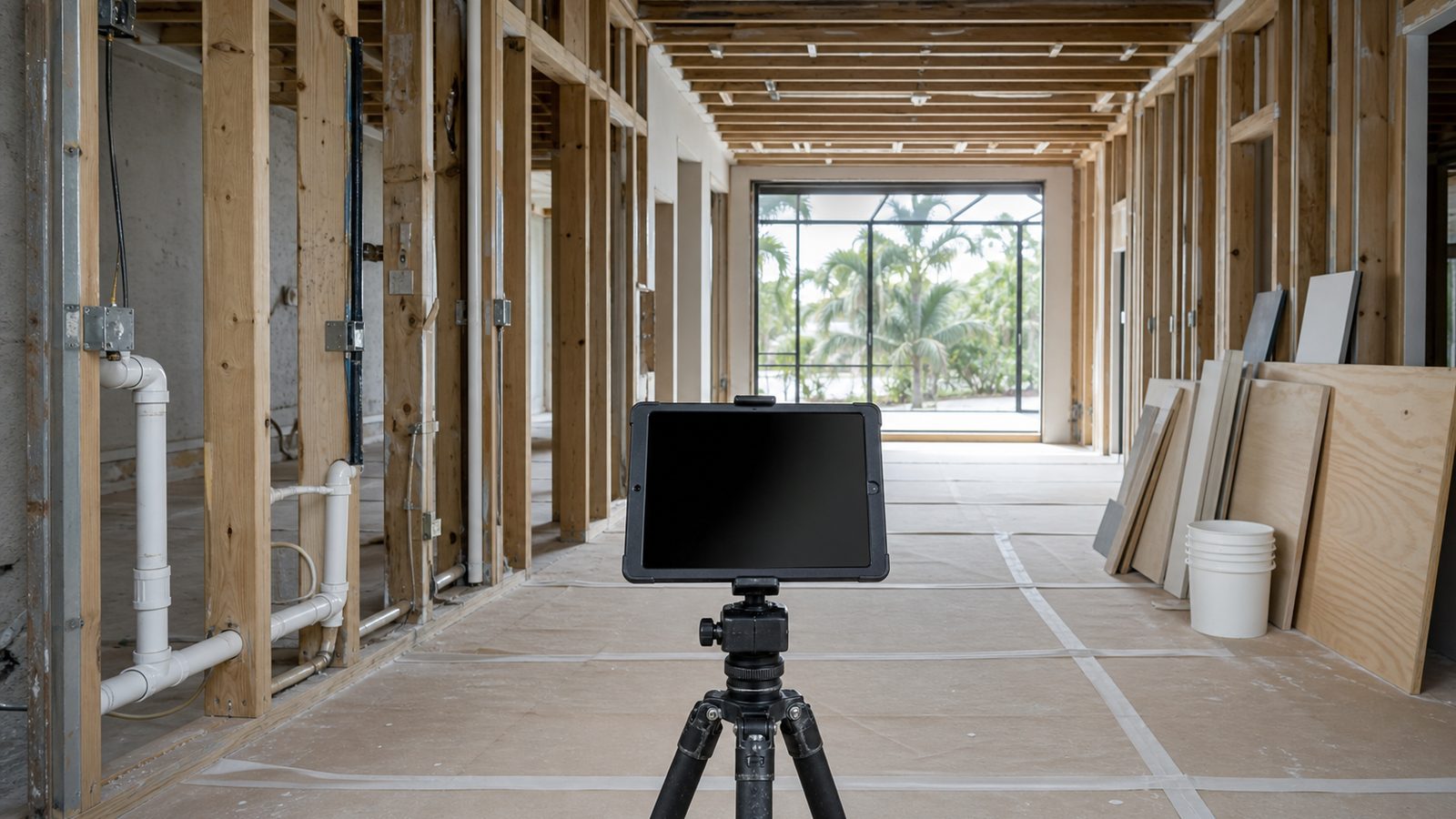
Why a 3-Week Estimate Usually Means a Brokered Operation
A GC who takes 3 weeks to produce an estimate is typically doing this: sending your project scope to subcontractors, waiting for sub bids to return, marking those bids up, and assembling a proposal from other people's numbers.
This is not inherently wrong — most large commercial GCs operate this way. But it has specific implications:
The estimate quality depends on sub participation. If two of the three MEP (Mechanical, Electrical, and Plumbing) subcontractors the GC contacted didn't bid — which is common in a busy Jacksonville market — the GC is assembling a price with one or two competitive bids instead of three. The number you receive reflects the subs who chose to respond, not necessarily the market rate.
The GC doesn't know their own costs for the critical trades. If you have a question about why framing is priced at a specific number, the honest answer is: "because that's what the framing sub bid." There's no internal knowledge base to draw from. The estimate is as transparent as the sub it came from.
Resequencing is slow. If the project scope changes before contract signing, the GC has to go back to subs for revised numbers. More time, more rounds, more waiting.
The GC becomes a coordinator, not a builder. Once the project starts, that same dynamic plays out on site: the GC is scheduling and coordinating subs they don't control. Schedule delays and quality issues from subs become the owner's problem to absorb.
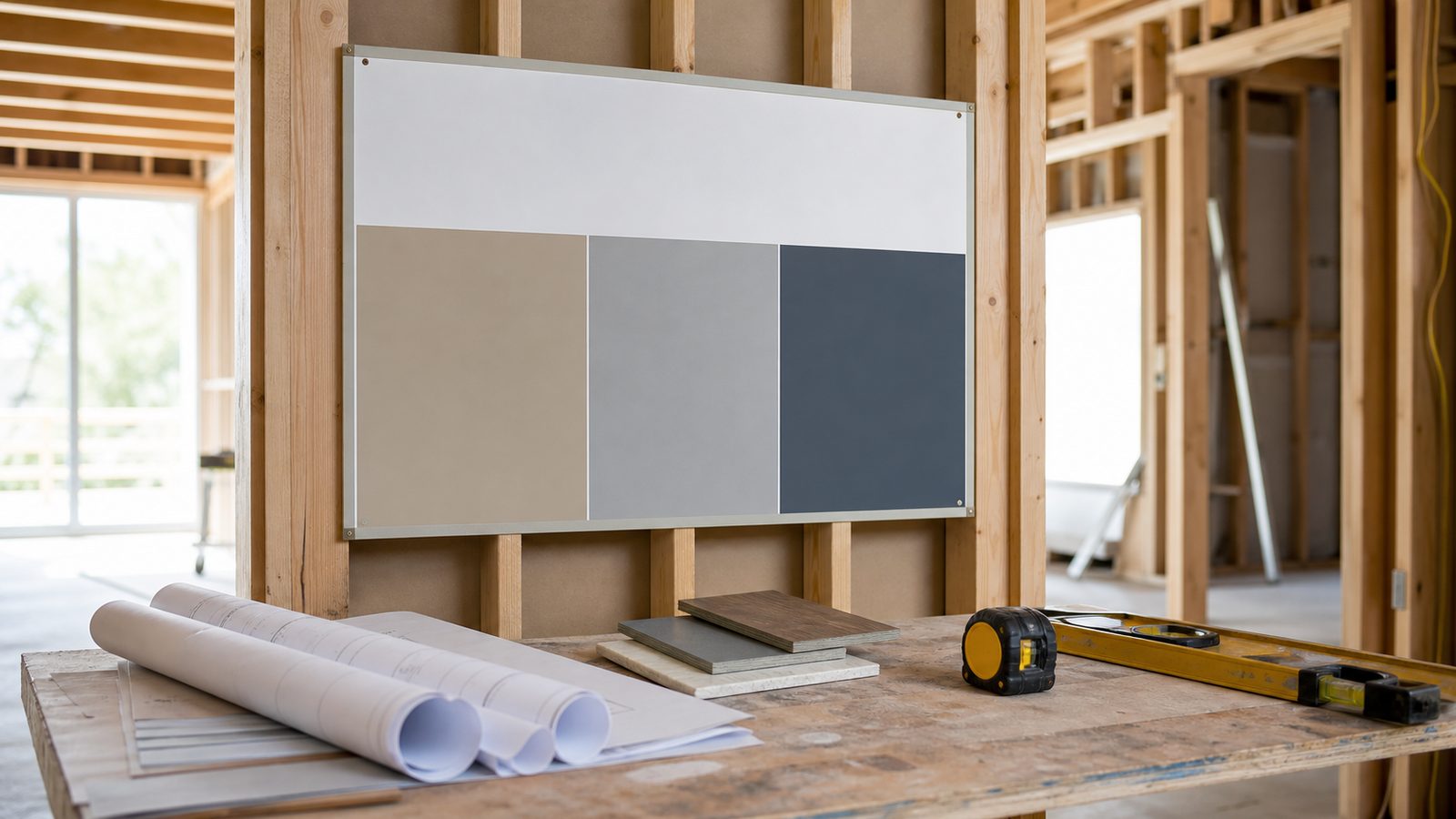
What a 48-Hour Estimate Actually Requires
A GC who can produce a complete, line-item estimate within 48 hours of a site walk has one of two things: deep domain knowledge of their own cost structure, or a very short and underdefined scope document.
You can tell the difference by looking at what the estimate contains.
A 48-hour estimate that is complete includes:
- Line-item scope breakdown by trade
- Per-trade pricing (framing, concrete, drywall, MEP coordination, roofing, finish carpentry)
- Material specifications referenced (not allowances)
- Payment schedule tied to milestones
- Warranty terms
- Defined exclusions
A 48-hour estimate that is vague — a single total number with no breakdown, or a total with multiple large allowances — is not evidence of speed. It's evidence of a short document. The real cost negotiations happen later, through change orders.
The 48-hour standard JK Prestige delivers is the first type. Our principals walk the site, assess existing conditions, and apply known cost structures for the trades we self-perform. We don't need to wait for a framing sub's bid because our framing crews have a known cost per square foot that's been verified on hundreds of Jacksonville projects. We don't need to wait for a drywall sub because JK Prestige crews do the drywall.
What JK Prestige's 48-Hour Estimate Includes
After a site walk, JK Prestige produces a written estimate within 48 hours. The document includes:
Line-item scope. Every significant work category is listed separately: demo, framing, concrete, MEP rough-in, insulation, drywall, roofing, windows and doors, interior finishes, painting, and punchlist. Each line has a fixed price against a defined scope description.
Per-trade breakdown. You can see what each major trade costs. You can ask about any line and get a direct answer because the person who gave you the number is the person who will do the work.
Payment schedule. Tied to defined milestones — slab complete, framing complete, MEP rough-in complete, drywall complete, punchlist complete — not to calendar dates or arbitrary percentages. Milestone-based payments protect the owner because payment tracks progress, not time.
Warranty terms. Named warranty period (one year for workmanship) with a named principal who handles all warranty calls. Not "contact our warranty department" — a specific person's direct number.
Exclusions. What isn't in the price: permit fees, design fees, owner-furnished materials, utility connection fees. Listed explicitly so you can budget for them separately.
This document is the basis for the fixed-price contract. The price in the estimate is the price in the contract. Learn more about how JK Prestige structures fixed-price estimates.
How to Use the 48-Hour Standard to Compare GCs
When you're evaluating multiple GCs, request a 48-hour turnaround from all of them. The results are informative:
The GC who can't deliver in 48 hours is either brokering subs, understaffed, or not prioritizing your project. Ask them directly: what's in your estimate that takes 3 weeks to produce? Listen carefully to the answer.
The GC who delivers in 48 hours with a vague document is using speed to generate a low-looking number. They'll fill the gap with change orders. Compare the detail in the estimate — specifically how many allowances versus fixed prices appear — not just the total.
The GC who delivers in 48 hours with a complete line-item document is showing you their operating model. They know their costs, they control their trades, and they're prepared to lock a fixed price. This is the document you want.
Take both estimates and put them side by side on a per-line basis. See which lines have fixed prices and which have allowances. See which exclusions are clearly listed. See whose payment schedule favors the owner (milestone-based) versus the GC (front-loaded calendar payments). The comparison will tell you more than the total number does.
See JK Prestige's project portfolio and contact us to request your 48-hour written estimate after a site walk.
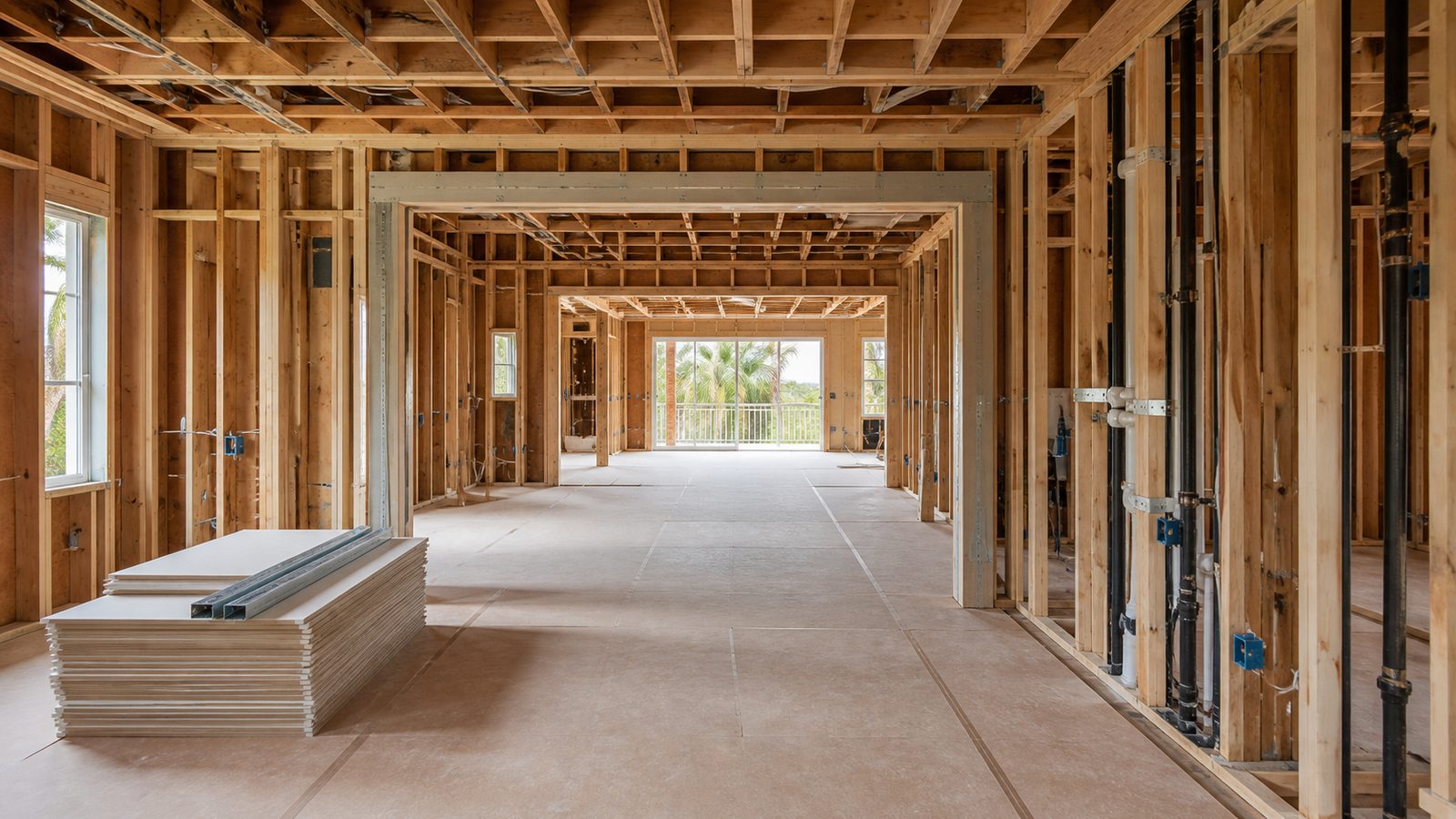
The Self-Perform Connection
The reason JK Prestige can produce a reliable number in 48 hours is that we self-perform the critical trades — framing, concrete, drywall, finish carpentry, and roofing. These aren't brokered to subs whose availability and pricing we don't control. They're in-house crews with known cost structures and known availability.
When the estimate goes out, the principal who signs it is the same person who manages the crew that does the work. There's no chain of sub-to-GC-to-owner that introduces time and uncertainty between a scope question and a real answer.
For homeowners in Jacksonville and Duval County, that's the difference between a contractor who coordinates your project and one who builds it. JK Prestige's custom home expertise and renovation experience are built on this operating model — not on how fast the subs return bids.
No call center. No coordinator. A JK principal reviews every inquiry and replies with a real number, not a range, not a follow-up form.
Request Free Estimate →