Jacksonville's construction market in 2025 looks different from the pandemic-era boom of 2021 and 2022. The volume is still there, but it's concentrated in specific sectors: healthcare, industrial logistics, adaptive reuse, high-end residential, and hurricane resilience. General contractors who were doing everything two years ago are now being selected based on track records in these specific categories, and owners are paying closer attention to which GCs actually self-perform versus which ones broker work out.
JK Prestige Construction has delivered 500-plus projects in the Jacksonville market since 2017. What follows is an honest read on where the work is, what's driving each trend, and what it means for owners planning projects in Northeast Florida this year.
1. Healthcare Campus Expansion
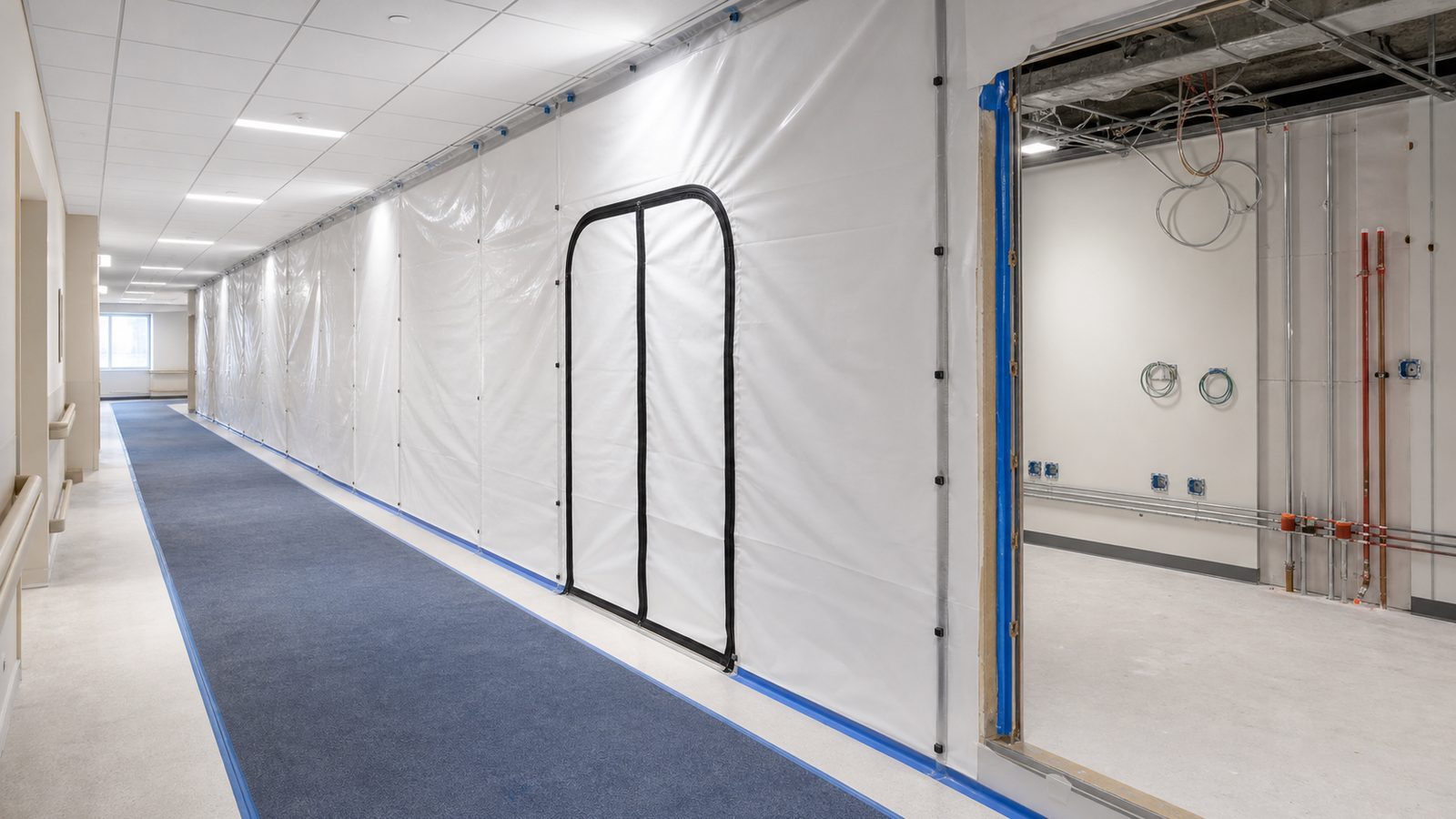
UF Health North on the Northside and Baptist Medical Center's continued campus investment are not isolated projects — they represent a broader regional trend. Northeast Florida's population growth, combined with a healthcare workforce that followed that growth, has put hospital systems into sustained capital planning mode. The projects flowing from this expansion include not just primary hospital construction but medical office buildings (MOBs), ambulatory surgery centers (ASCs), imaging facilities, and specialty clinic fit-outs.
For general contractors, healthcare construction is demanding in specific ways: Infection Control Risk Assessment (ICRA) protocols govern how construction is managed in occupied facilities, Joint Commission standards apply to materials and systems, and phased occupancy is common. JK Prestige holds ICRA training across its field teams, which is a hard requirement for hospital GC work in Jacksonville. The GC demand for healthcare projects in this market is strong and, based on capital planning announcements, unlikely to soften through 2026.
2. I-95/I-10 Interchange Industrial Development
The I-95/I-10 interchange corridor — which intersects Jacksonville's Northside industrial zone with direct port access — is in the middle of a significant industrial build-out. More than one million square feet of warehouse and distribution space is in various stages of planning and construction in this corridor, driven by e-commerce logistics, port cargo growth through JAXPORT, and continued Southeast supply chain reshoring.
These are large-footprint, fast-schedule projects: tilt-up concrete construction, steel erection, paved yards, and dock high loading. The self-perform capabilities that matter here are concrete flatwork and framing, both of which JK Prestige provides in-house. Industrial GCs who broker all field labor have less schedule control and less ability to accelerate when a logistics tenant needs an earlier delivery. The volume of work in this corridor is significant enough that it has pulled labor out of other project types in the Jacksonville market, which is worth factoring into residential and commercial project scheduling in 2025.
3. Adaptive Reuse of Downtown and Midtown Commercial Stock
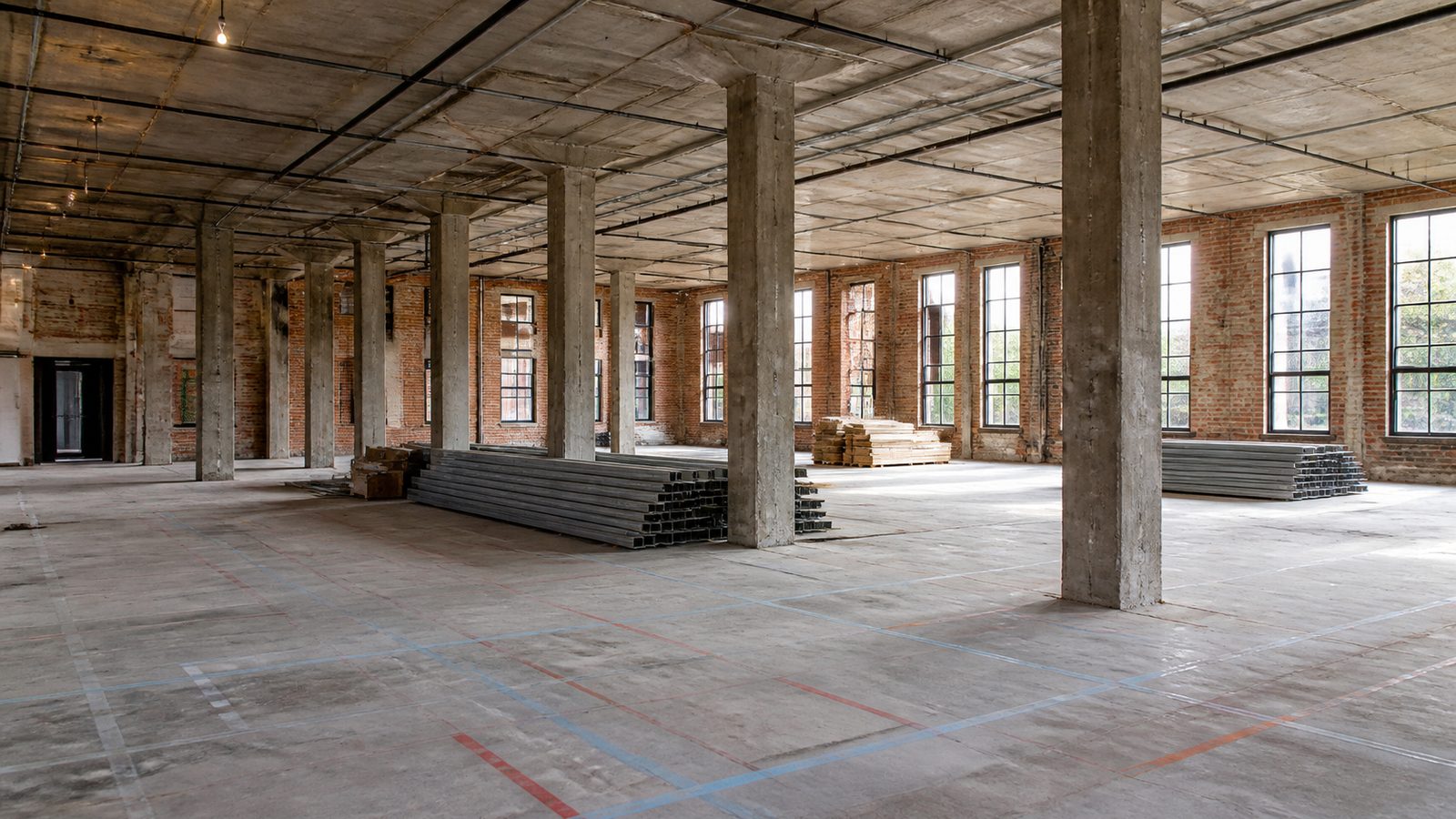
Jacksonville's downtown and LaVilla areas have an inventory of underutilized commercial buildings — mid-century office stock, former retail, and industrial buildings near the Emerald Trail and Eastside neighborhoods — that are increasingly being converted rather than demolished. The economics work when acquisition cost is low and construction cost for a conversion is meaningfully less than new ground-up construction of comparable space.
Adaptive reuse projects are structurally demanding in ways that aren't visible at acquisition: balloon framing in pre-war buildings, deteriorated sill plates, undersized structural members from the pre-standard lumber era, and often no hurricane strapping. A GC who walks the structure before contract and self-performs the framing work has a much clearer picture of what the real scope is. Adaptive reuse projects with fixed-price contracts require thorough pre-construction investigation — a GC who relies on subcontractors for structural work is pricing a box they haven't opened.
4. Custom Home Boom in St. Johns County and Amelia Island
St. Johns County has been one of the fastest-growing counties in Florida for several years, and the custom home market in Ponte Vedra, Nocatee, and the Palencia and Shearwater communities reflects that growth. Amelia Island's luxury residential market has also seen sustained demand, driven by buyers relocating from higher-cost coastal markets. These are buyers with specific design intent, non-standard lot conditions, and budgets that support real materials and craftsmanship.
Custom home construction in these markets rewards GCs who self-perform finish work — because finish carpentry, millwork, and specialty ceilings are where quality separates on a luxury home, and that work can't be effectively managed through a subcontractor layer by a GC who isn't in the field. JK Prestige's principal walks every site. On a $2M custom home in Ponte Vedra, the owner's expectation is that the person they signed a contract with is present and accountable — not managing from an office while an unfamiliar sub crew does the finish work.
5. Hurricane Resilience Upgrades Driving Roofing Replacement Backlog
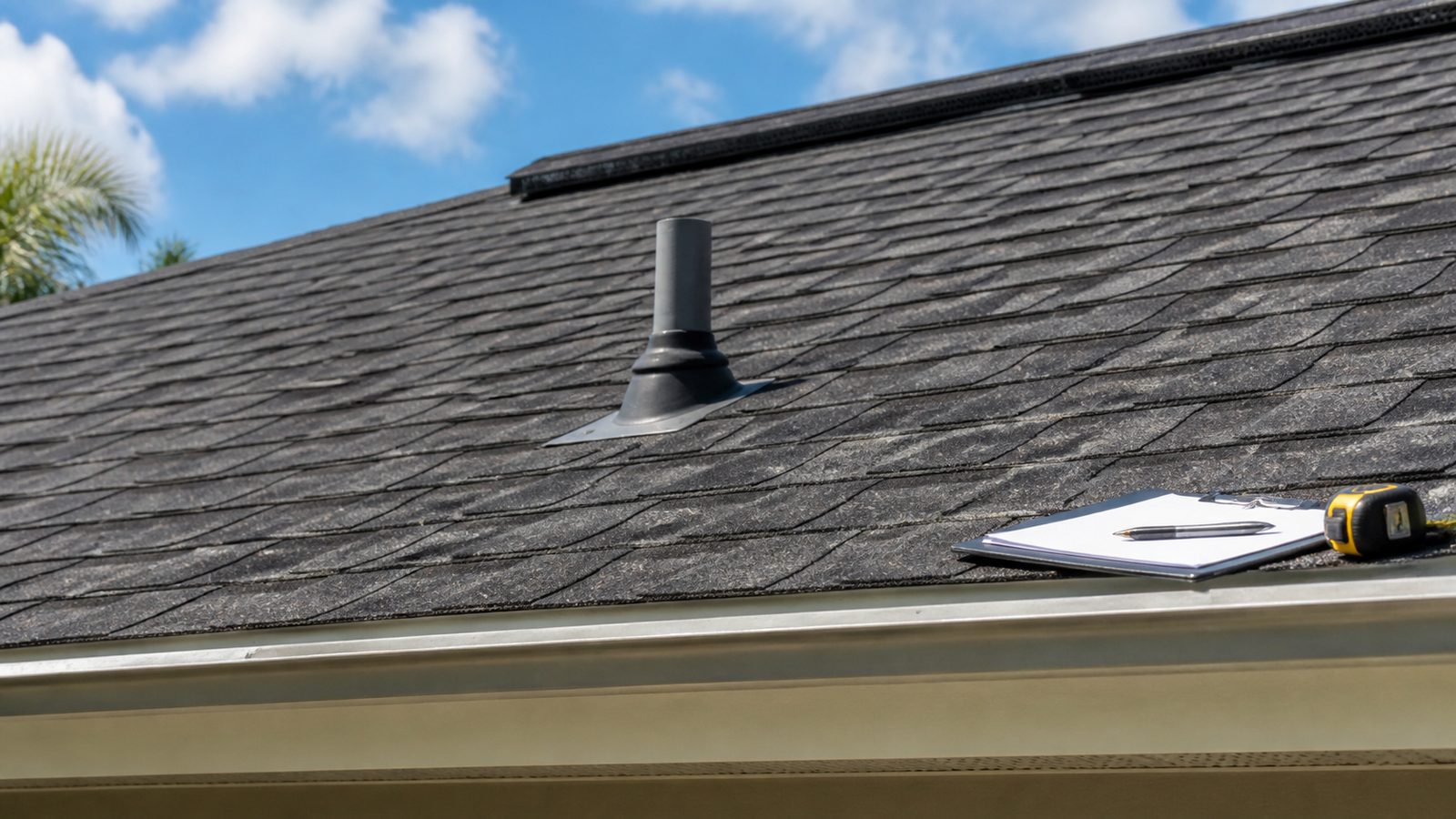
The 2024 hurricane season added to an already substantial backlog of roofing work across Duval, St. Johns, and Nassau Counties. But the trend in 2025 is not just storm repair — it's proactive resilience upgrades. Florida's insurance market has created a direct financial incentive for homeowners to move from older three-tab shingles to impact-resistant products, to address flashing and attachment deficiencies, and to document roof condition and age for insurers.
Jacksonville homeowners who have received non-renewal notices or significant premium increases are using those events as triggers for planned roof replacements rather than waiting for storm damage. The resulting demand is concentrated among GAF Master Elite and CertainTeed certified roofing contractors — certifications that allow GCs to offer manufacturer-backed warranties that insurance underwriters recognize. JK Prestige holds both certifications and self-performs all roofing work, which means no brokered crew, consistent installation standards, and a warranty tied directly to the GC rather than a sub.
Get a written estimate in 48 hours. Call (904) 944-0278 or request a consultation.
JK Prestige is active across all five of these Jacksonville market trends. Learn more about our approach to every project type, our roofing services, and our hospital construction experience.
No call center. No coordinator. A JK principal reviews every inquiry and replies with a real number, not a range, not a follow-up form.
Request Free Estimate →