Florida is one of the more strictly regulated states for construction licensing, and the line between work a licensed general contractor must perform and work a handyman can legally perform is defined by statute — not by project size alone. Many Jacksonville homeowners hire handymen for work that legally requires a licensed contractor, not because they are trying to cut corners, but because they do not know the rule. The consequences of that choice — failed inspections, voided warranties, insurance complications, and liability for unsafe work — fall on the property owner, not the handyman.
This is not a knock on handymen. There is a category of work where they are the right choice and a licensed general contractor would be overkill. The goal here is to be specific about where the line is and what each side of it looks like in practice.
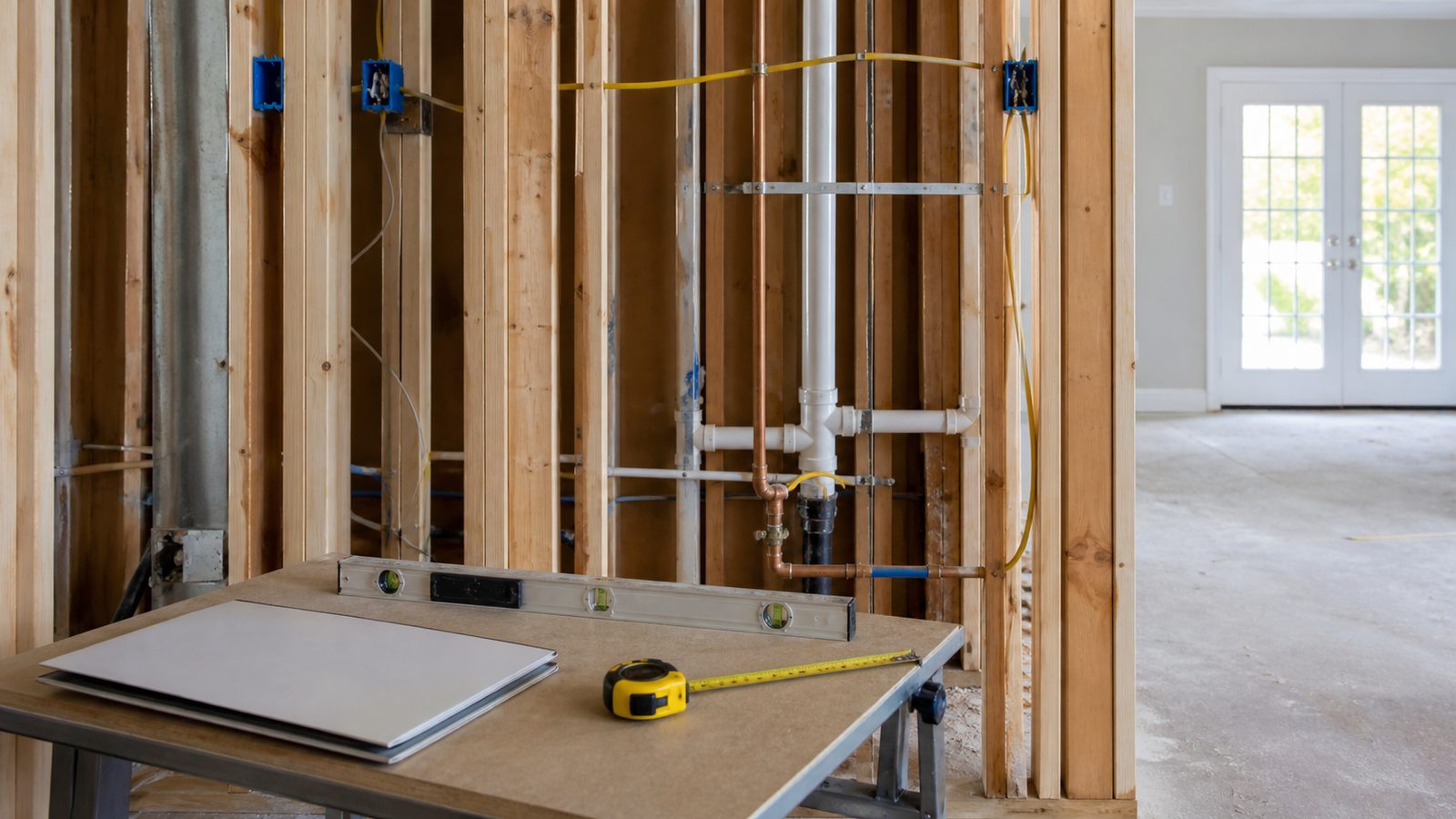
1. Licensing: A GC Holds a CGC or CBC License and Can Pull Permits — A Handyman Cannot for Most Work
A licensed general contractor in Florida holds either a CGC (Certified General Contractor) or a CBC (Certified Building Contractor) license issued by the Florida Department of Business and Professional Regulation (DBPR). That license authorizes the holder to pull building permits for construction work and to act as the contractor of record on permitted projects. In Duval County, virtually all structural work, any addition or alteration that affects the building envelope, all electrical panel work, HVAC system replacement, and plumbing rough-in requires a permit. A handyman — even a skilled, experienced one — cannot legally pull those permits. Work performed without required permits creates a title encumbrance on the property that surfaces at closing, complicates insurance claims, and may require demolition and correction at the owner's expense.
2. Scope: A GC Manages an Entire Project — A Handyman Does Isolated Tasks
A general contractor manages a project from permit application through final inspection and certificate of occupancy (CO). That means coordinating trades, maintaining the project schedule, managing inspections, resolving conflicts between systems, and being the single accountable party for everything on the job site. A handyman performs isolated tasks — replacing a faucet, installing ceiling fans, patching drywall, painting a room — that do not require coordination between multiple trades or permit oversight. The distinction matters practically: if you are remodeling a bathroom, a general contractor manages the plumber, the tile installer, the electrician who moves the exhaust fan, and the inspector who signs off on the MEP rough-in before the tile goes on. A handyman doing a bathroom does not have that coordination scope, which is why complex projects attempted with handymen routinely have sequencing problems, failed inspections, and cost overruns from do-overs.
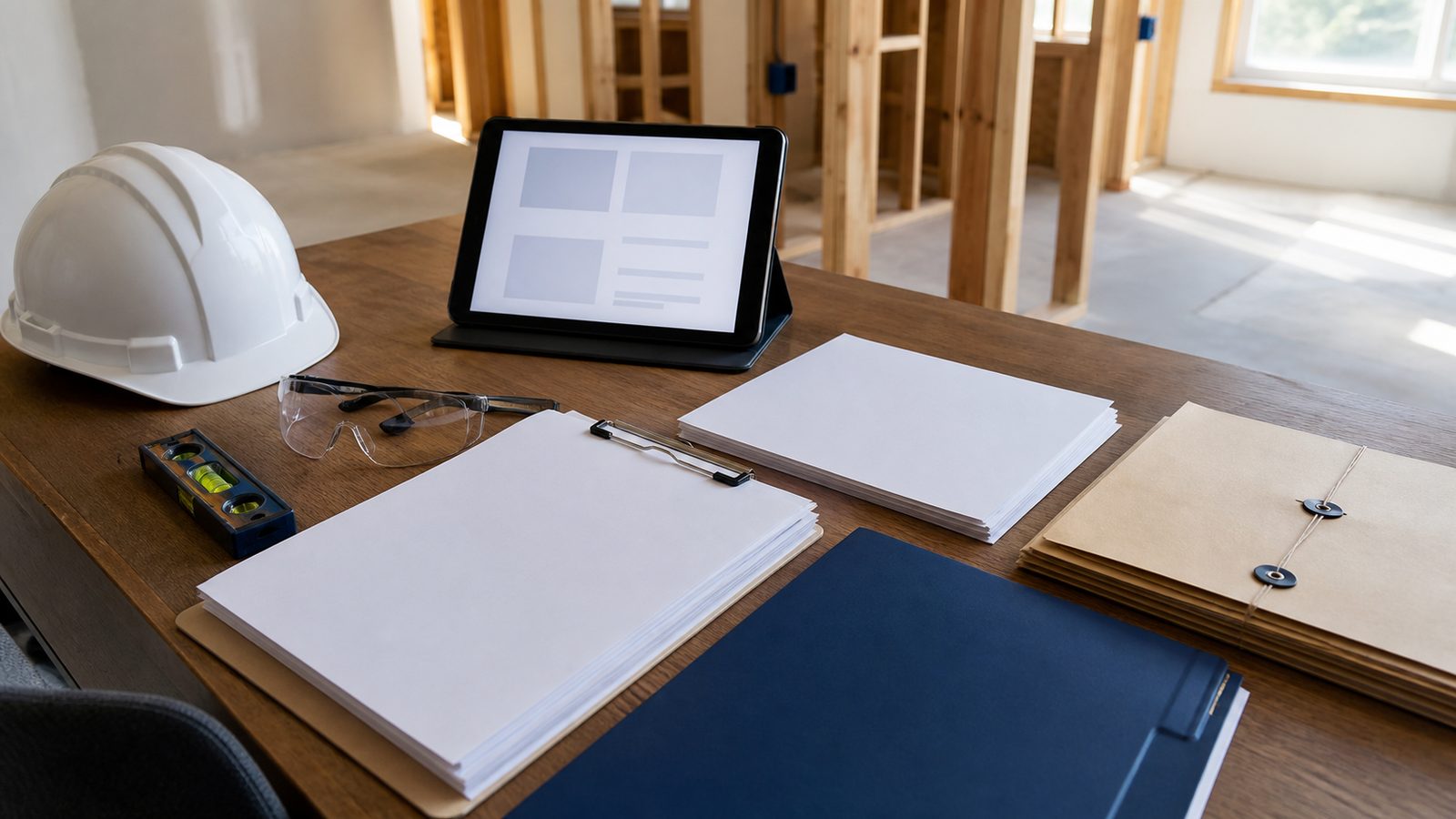
3. Insurance: A GC Carries Full GL and Workers' Compensation — A Handyman's Coverage Is Minimal
A licensed general contractor in Florida is required to carry commercial general liability (GL) insurance and workers' compensation coverage for employees. These are verified by the licensing board. If a JK crew member is injured on your property, our workers' compensation coverage is the primary payer — not your homeowner's insurance. If the crew causes property damage, our GL policy responds. A handyman working as a sole proprietor with no employees is exempt from the workers' compensation requirement and may carry only a minimal GL policy — or none at all. If an uninsured handyman is injured on your property or causes significant property damage, your homeowner's insurance policy is the backstop. Verify insurance before any contractor starts work. Ask for a certificate of insurance naming you as an additional insured.
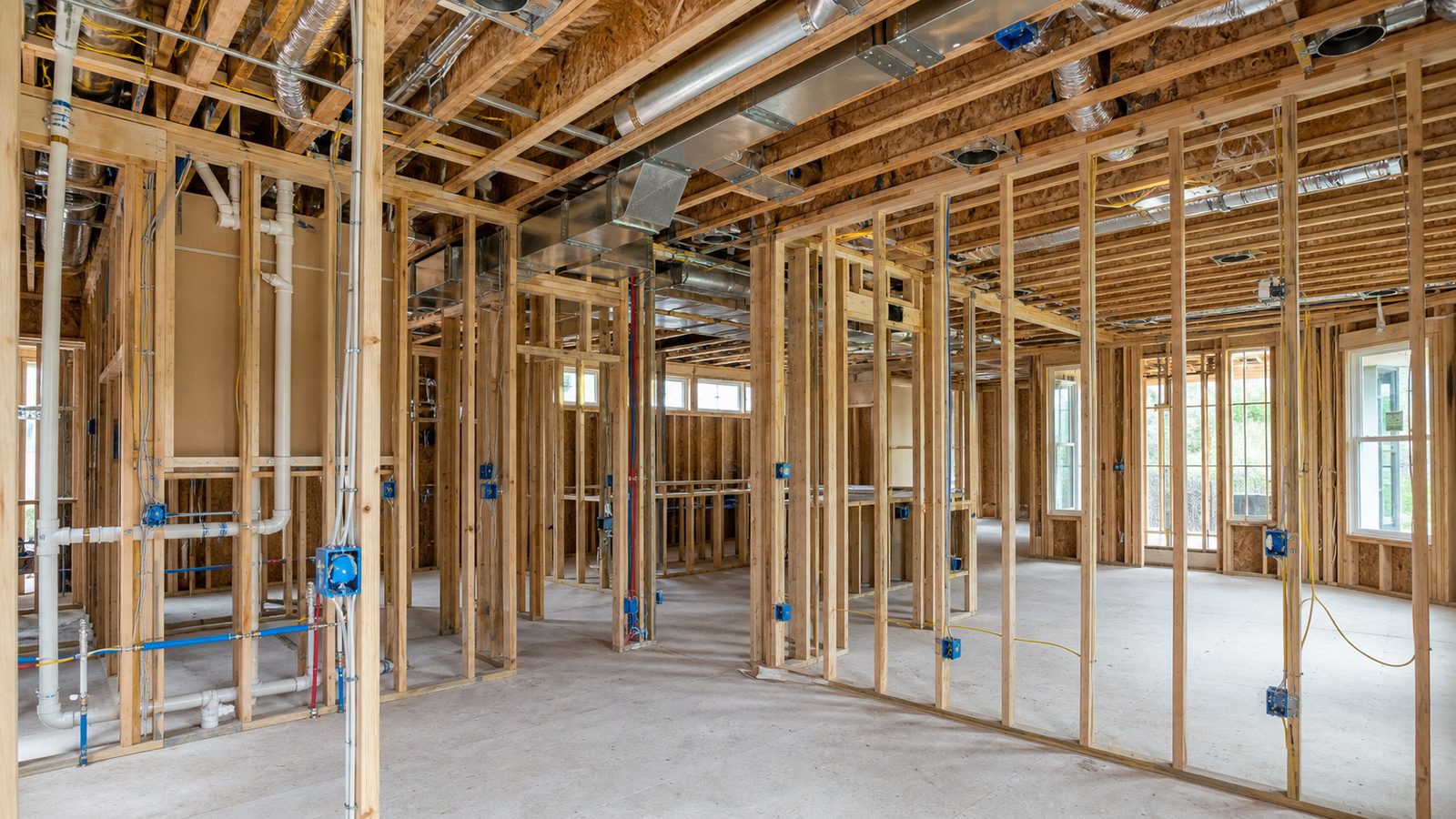
4. Accountability: A GC Is Responsible for All Trades — A Handyman Only for Their Own Work
When JK is the contractor of record on a Jacksonville project, we are accountable for every trade that touches the project — whether we self-perform it or coordinate a licensed subcontractor. If the subcontracted electrician wires something incorrectly, that is JK's problem to resolve, not the owner's problem to litigate separately with the electrician. A handyman who performs tiling does not have accountability for what the plumber did before the tile went on. On a project with multiple independent contractors — each hired directly by the owner — the owner becomes the de facto general contractor, responsible for sequencing, coordination, and resolving conflicts between trades. Most homeowners are not positioned to do that effectively. When a project involves more than one trade, hire a GC to manage it.
5. Warranty: A Licensed GC Provides Written Warranties — A Handyman's Are Informal
Florida law provides statutory warranty protections for work performed by licensed contractors: one year on workmanship, two years on MEP systems, and ten years on major structural defects under the implied warranty of habitability. A licensed general contractor's written warranty is backed by their license — a warranty dispute that is not resolved can be escalated to DBPR as a licensing complaint, which creates real professional consequences for the contractor. A handyman's warranty is whatever they say it is verbally, which is effectively unenforceable. If a handyman's work fails six months later and they are not responsive, your remedies are small claims court for amounts under $8,000. There is no license to complain about, no bond to claim against, and no regulatory body that will investigate.
When to use a handyman: minor cosmetic tasks under $500 that do not require a permit — touch-up painting, replacing interior door hardware, installing a ceiling fan on an existing switch and box, patching small drywall holes. These are tasks where the scope is isolated, the permit requirement does not apply, and the accountability is straightforward.
When to use a licensed GC: any structural work, any work that requires a permit in Duval County, any project involving more than one trade, any work on building systems (electrical panels, plumbing rough-in, HVAC systems), and any project where failure carries meaningful safety or financial consequence.
JK Prestige handles the full range of permitted residential and commercial construction in Jacksonville. Learn more about our residential project work or how we run projects from estimate to completion.
Get a written estimate in 48 hours. Call (904) 944-0278 or request a free inspection.
No call center. No coordinator. A JK principal reviews every inquiry and replies with a real number, not a range, not a follow-up form.
Request Free Estimate →