Fixed-price construction contracts are supposed to mean the price is fixed. In practice, many contracts with "fixed-price" in the heading have enough allowance overruns, exclusions, and change order exposure to grow 20 to 40% above the number the owner signed.
The problem is not fixed-price as a contract structure. The problem is how estimates get built and how contracts get written. The JK Prestige model addresses both. Here is specifically how.
1. Pre-Construction Subsurface Validation Before the Price Is Locked
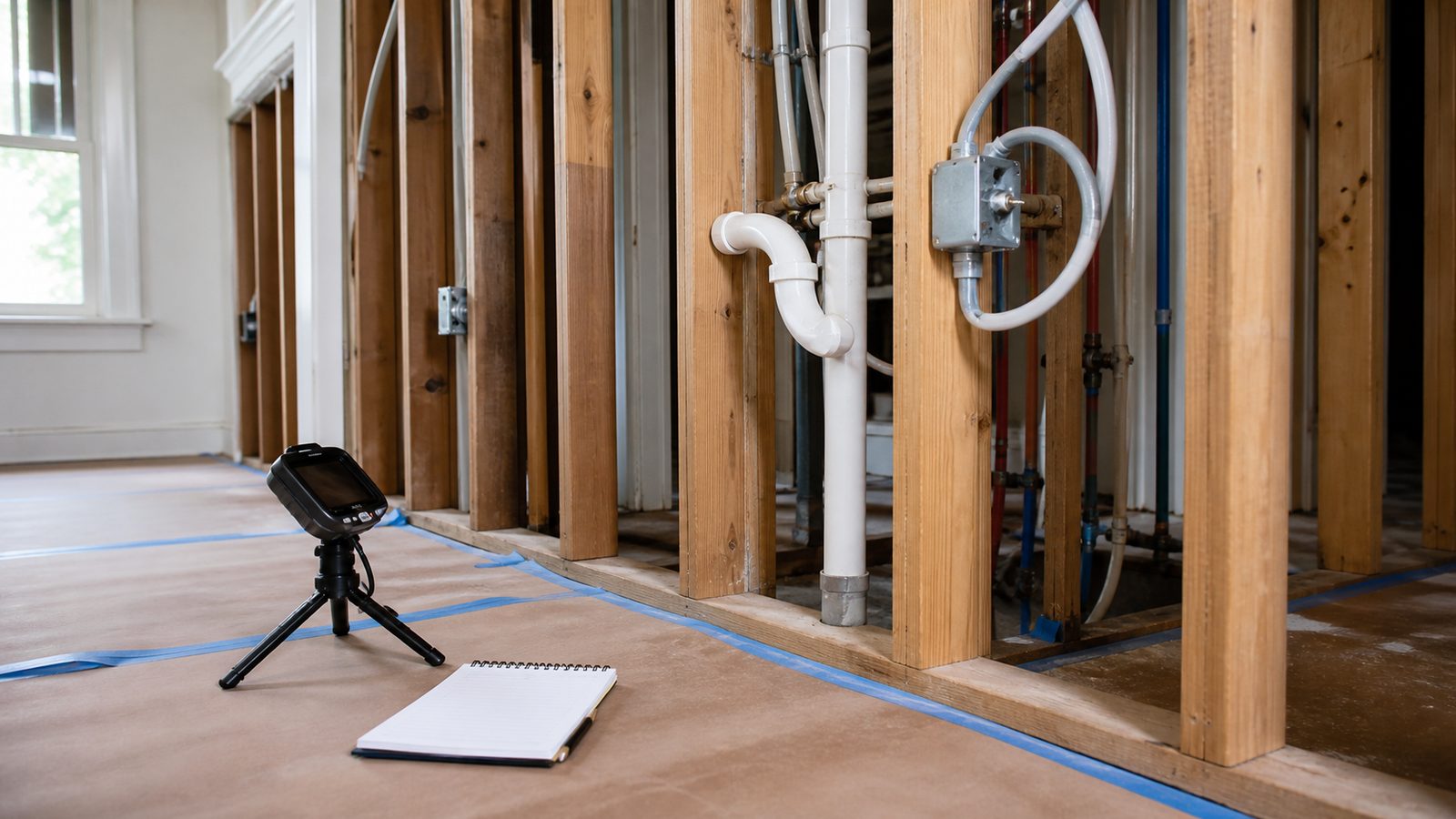
Most contractors price what they can see. The walls are standing, the slab looks flat, the roof looks intact — so the estimate reflects that surface-level condition. Then demolition starts. Behind the drywall: water damage, rot in the rim joists, plumbing that was not on any drawing. The GC issues a change order. The owner, who thought they had a fixed price, now has a revised number.
JK Prestige's pre-construction process includes subsurface validation before the price is committed. On renovation projects, that means opening representative wall and ceiling cavities to inspect framing conditions, moisture, and MEP (mechanical, electrical, and plumbing) rough-in before estimating. On roofing projects, it means deck inspection before shingle pricing is finalized. On slab work, it means reviewing available records and flagging where the concrete may need investigation.
The goal is to price what is actually there, not what the surface suggests. This does not eliminate all unforeseen conditions — no pre-construction inspection does — but it eliminates the category of "unforeseen" conditions that were actually visible to anyone who looked. That category is the most common source of post-contract change orders in Jacksonville residential renovation.
When the JK estimate is delivered, the number reflects what the field team found — not what the drawings show or what the previous owner reported.
2. Principal on Every Estimate
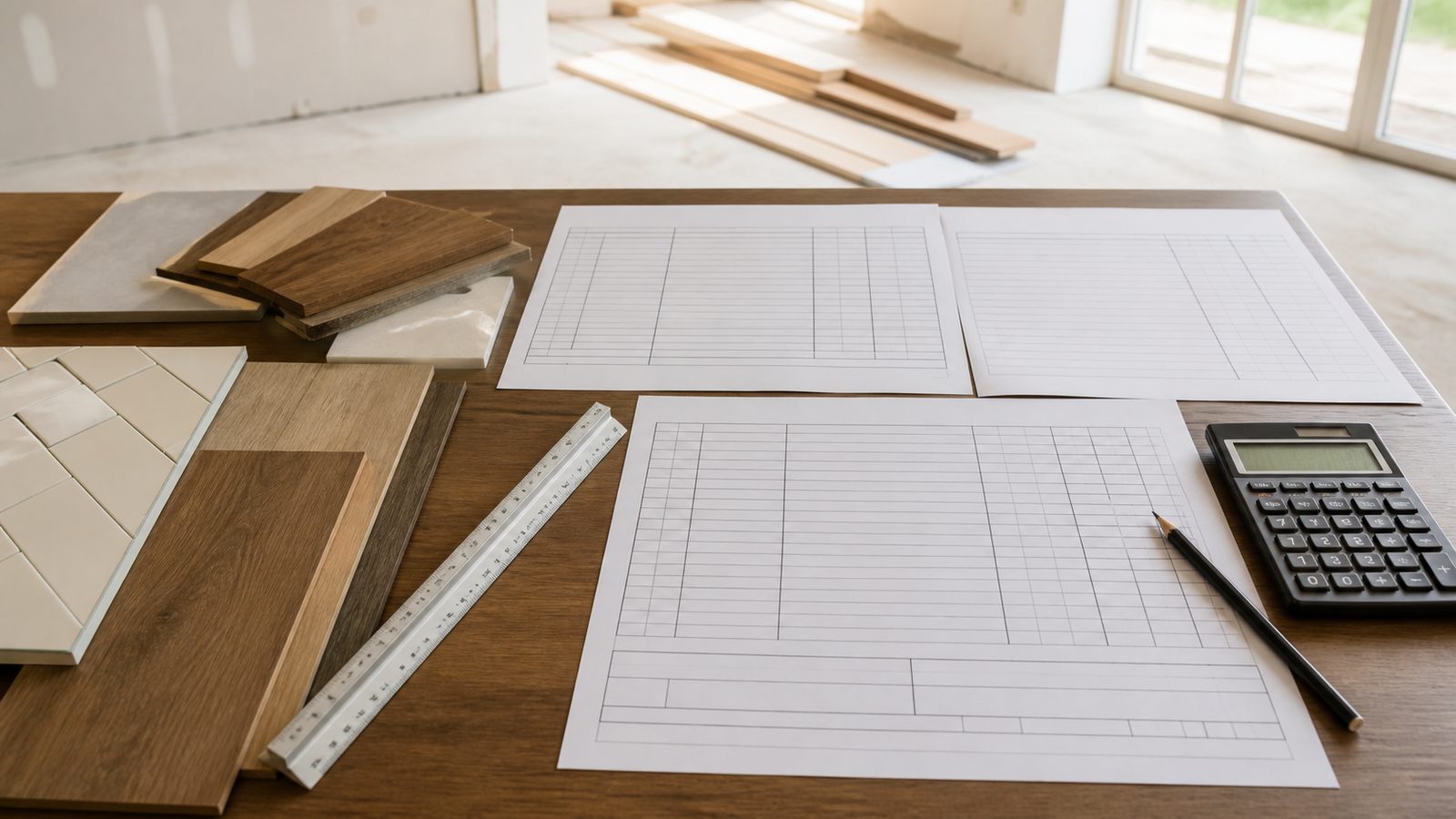
At most construction firms, the estimating process works like this: a salesperson walks the site, gathers information, and hands notes to an estimator — who may never visit the project — who builds a number, which a project manager reviews, which goes to the owner as a "from our team" price. The person who built the number may never be on the jobsite during construction. The project manager who will run the job may not know what the estimate assumed.
At JK Prestige, the founder builds the estimate and the founder answers every call. The person who signs your contract is the person who walked the site, priced the scope, and knows what the number assumes. There is no handoff of unknown promises to a junior estimator, no translation loss between the salesperson who made commitments and the PM who inherits them.
This matters specifically when questions arise during construction. "What did the estimate assume for that section of subfloor?" has a clear answer when the person who built the estimate is also the person running the project. It is an archaeology exercise when the estimator, salesperson, and PM are three different people.
The principal-on-every-estimate model also means accountability is undivided. If the number is wrong, the person who built it is the person who has to resolve it. That creates strong incentive to get it right before the contract is signed rather than after. See how JK works for more on the principal-led project model.
3. Allowances That Reflect Current Jacksonville Material Prices
Allowances are the most common mechanism by which "fixed-price" contracts become variable. An $8,000 tile allowance sounds reasonable until it turns out to be based on a national cost database last updated in 2022, priced at materials costs that no longer exist in Jacksonville's supply chain.
JK Prestige builds allowances from current supplier quotes in the Jacksonville market. Before the estimate is finalized, the team pulls actual pricing from the local suppliers — tile distributors on the Southside, cabinet manufacturers in Northeast Florida, plumbing fixture dealers in Duval County — and uses those prices as the basis for allowance lines.
The result is an allowance that reflects what you can actually buy today, at the specification level the estimate assumes. An $8,000 tile allowance at JK corresponds to a real selection — a mid-market porcelain, available at a specific local distributor, at a price the team verified this month. If you want to select something above that allowance, you know exactly by how much and exactly what the add cost is.
This approach also helps owners make selections efficiently. Instead of choosing from an open-ended universe of options, you start with the assumption the estimate is built on and decide whether to upgrade, stay at spec, or select value. That narrows the decision tree without constraining your choices.
4. No-Work-Without-Signed-CO Clause Is Standard in Every JK Contract
Scope creep — work added verbally, begun before a change order is signed, then billed afterward at the GC's discretion — is one of the most consistent sources of budget surprise in construction. "While you're at it, can you also..." is how a $200,000 renovation becomes a $240,000 project with no documented approval from the owner.
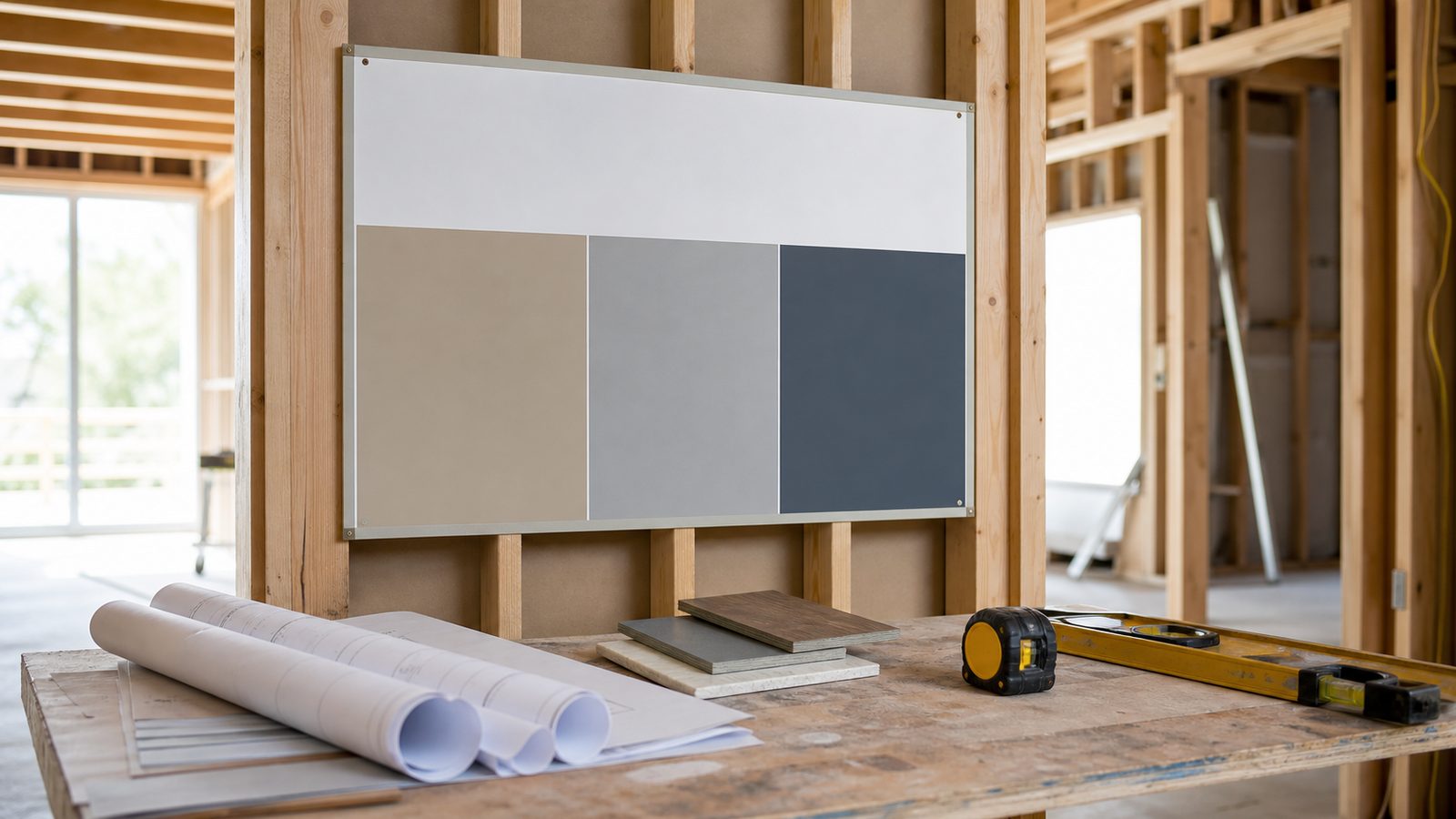
Every JK Prestige contract includes a no-work-without-signed-CO clause as a standard term, not an optional add-on. No additional scope proceeds until a written change order is signed by the owner. Not the GC's word, not a verbal confirmation, not an email where the owner says "sounds good." A signed document that specifies the additional scope, the additional cost, and the schedule impact.
This protects the owner from unanticipated charges and protects JK from scope disputes. When the project closes, there are no open questions about what was agreed — every scope addition is documented. The paper trail is complete.
The practical result: owners who sign JK contracts know that the only path to a higher number than the contract price is a change order they have reviewed and approved. There are no surprises at final billing because every change was authorized before the work happened.
5. 48-Hour Written Estimate with an Actual Scope Attached
Most GCs in Jacksonville offer two kinds of initial responses: a verbal range ("probably $150,000 to $250,000") or a two-line estimate that lists a lump sum with no scope detail. Neither tells you what you are buying, what is excluded, or how the number was built.
JK Prestige delivers a written estimate within 48 hours of the site visit. That estimate includes a scope of work that describes what is included, an exclusions section that lists what is not, allowance line items with stated assumptions, and a payment schedule tied to construction milestones.
The 48-hour turnaround matters for owners with active timelines — a leaking roof that needs replacement, a renovation with a contractor opening that will not stay open indefinitely, a seller-required repair before closing. A verbal range is not a document you can act on. A written estimate with scope attached is.
It also matters for comparison shopping. When you have a written scope from JK alongside written scopes from two other GCs, you can compare line by line — what is included, what is excluded, what the allowance assumptions are. That comparison is more informative than comparing three lump-sum numbers with nothing behind them.
Request a consultation to receive a written estimate within 48 hours. For more on how JK approaches home construction and renovation, see the homes page and the renovations page.
No call center. No coordinator. A JK principal reviews every inquiry and replies with a real number, not a range, not a follow-up form.
Request Free Estimate →