Most general contractors in the residential construction market do not employ trade workers directly. They manage subcontractors — separate companies who perform framing, drywall, finish carpentry, roofing, and other scopes under a subcontract agreement. The GC coordinates, schedules, and bills; the subs provide labor and materials for their trade. This model works adequately in high-volume production building where the same sub follows the same plan across 50 units simultaneously.
In custom construction, it introduces structural accountability problems at exactly the points where accountability matters most. A self-perform GC — one who employs the framing crew, the drywall crew, and the finish carpentry crew directly — is accountable in a fundamentally different way. JK Prestige Construction self-performs framing, concrete, drywall, finish carpentry, and roofing. The five differences below explain why that matters for your project specifically.
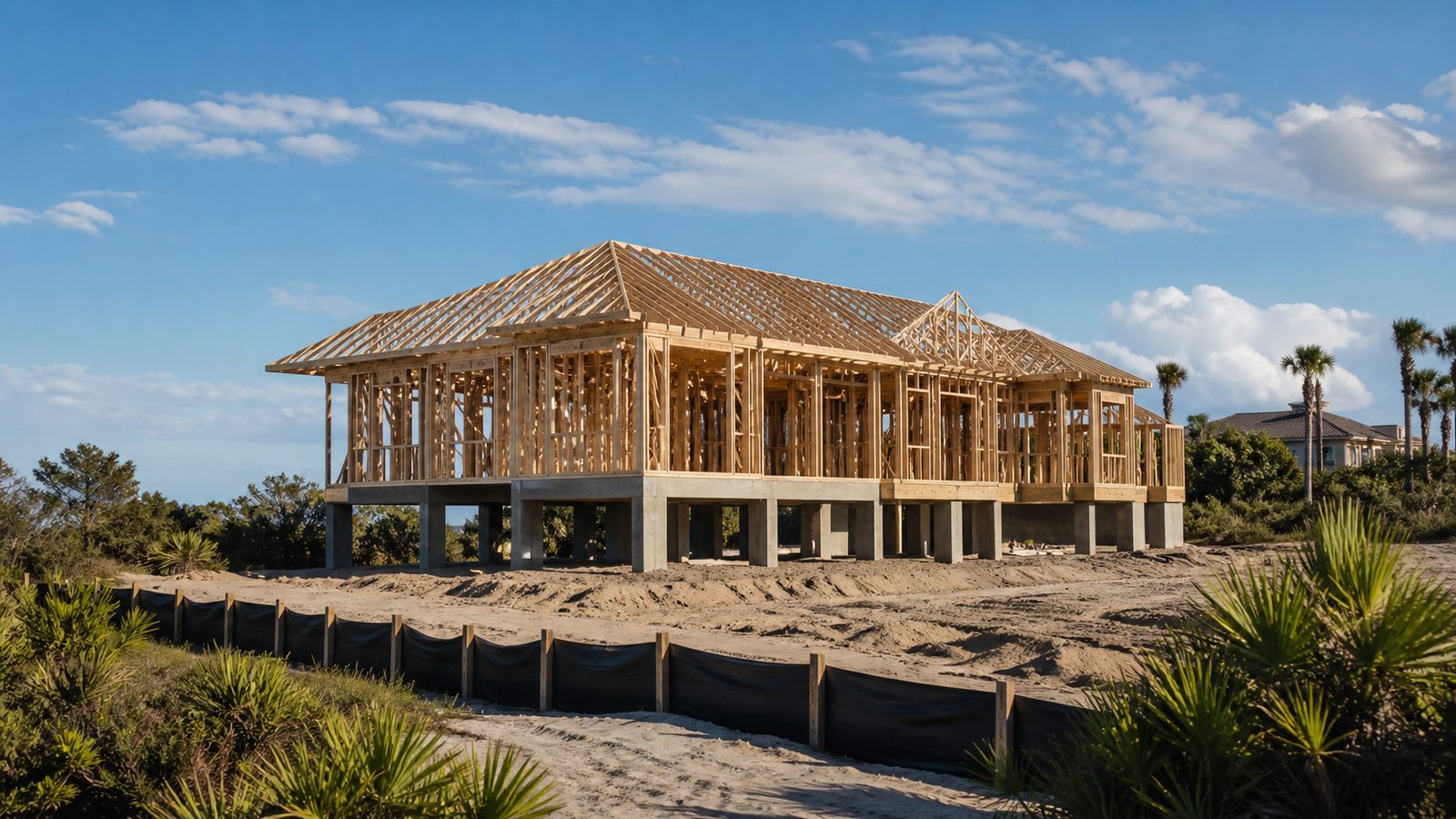
1. Schedule Accountability — The GC Cannot Blame the Sub for a Framing Delay
When a subcontracted framing crew doesn't mobilize on schedule, the GC's options are limited: call the sub, wait, negotiate, or threaten to replace them. All of those options take days. When the GC is also the framing crew, there is no intermediary — the superintendent who committed to the schedule is the superintendent who controls the labor. On a Jacksonville custom home with a 12-month construction timeline, framing typically represents 6 to 10 weeks of activity. A two-week framing delay cascades into a two-week delay in rough mechanical inspection, a two-week delay in insulation, and a two-week delay in drywall. In Northeast Florida's custom market, where owner move-in dates are tied to school calendars, lease expirations, and real estate closings, two weeks is not a trivial number.
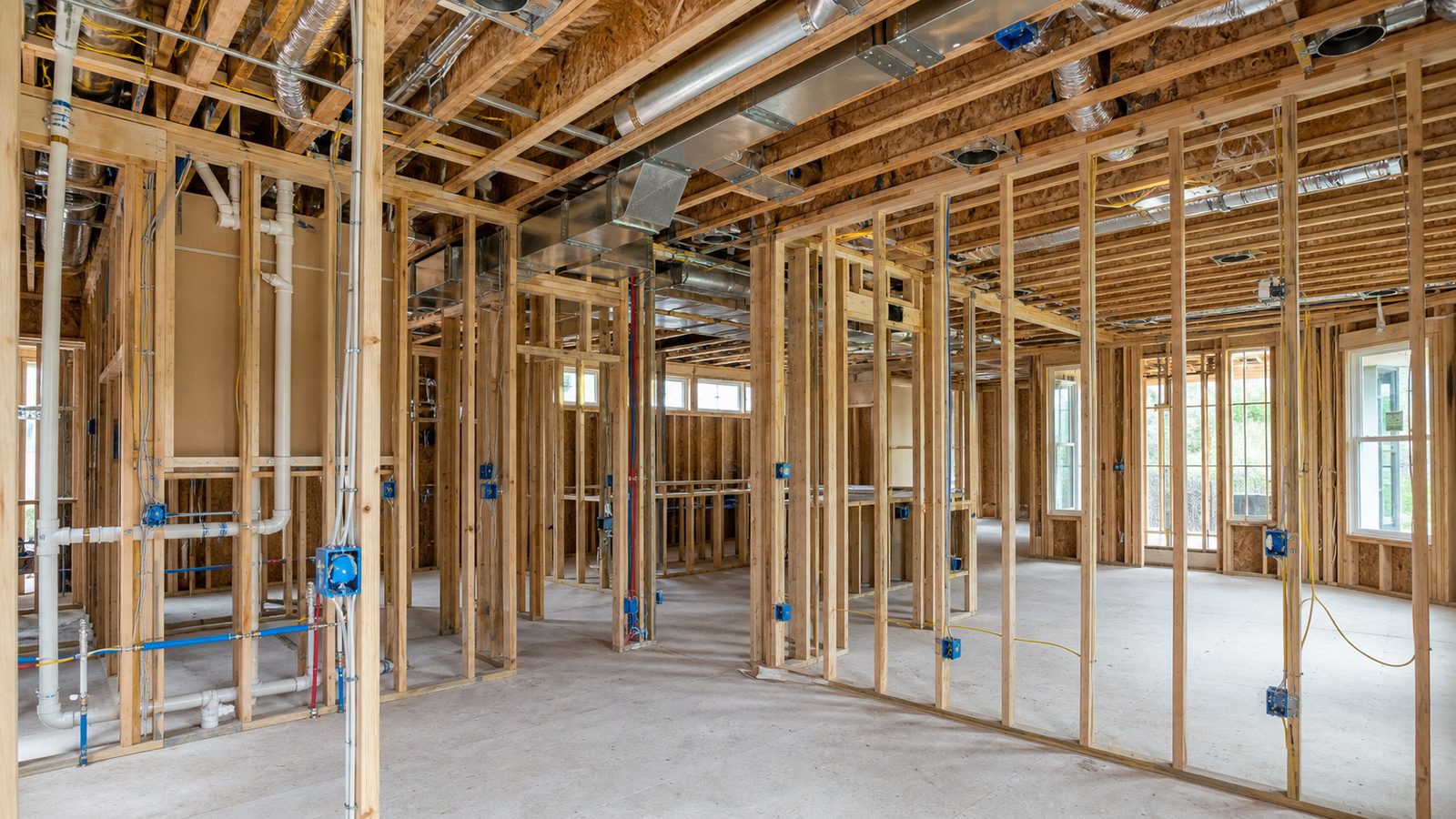
2. Quality Continuity — The Same Superintendent Who Sets the Framing Inspects the Drywall
In a subcontractor model, the framing crew finishes and leaves. The drywall crew arrives weeks later and builds on whatever the framing crew left behind. When the drywall crew finds a wall that is 3/8 inch out of plumb in a 6-foot run, they have two choices: report it and delay the job while the framing sub returns to fix it, or float the joint and hope the finish conceals it. In practice, they often choose the second option. When framing and drywall are both self-performed by the same company — with the same superintendent accountable for both scopes — the incentive structure changes. The framing superintendent knows they will also be responsible for the drywall installation quality. Catching framing tolerance issues before drywall is always easier and less expensive than discovering them after.
3. Cost Transparency — No Sub Markup on the Two Largest Cost Categories
In a subcontractor model, the GC marks up each subcontractor's invoice — typically 10 to 20% — as their management fee for that scope. On a $60,000 framing subcontract and a $35,000 drywall subcontract, a 15% markup adds $14,250 to the project cost. That cost does not go into materials, labor skill, or any tangible quality input — it pays the GC for the administrative work of managing a subcontractor they do not employ. A self-perform GC eliminates that markup on the trades they self-perform: the full dollar goes to labor, materials, tools, and equipment. In Jacksonville's current construction market, where custom home budgets are under pressure from elevated material costs, this is a meaningful difference — particularly when framing and drywall together represent 20 to 30% of total construction cost.
4. Faster Mobilization — Own Crew Starts Monday, Not When the Sub Has Capacity
Custom construction in Northeast Florida often works around tight permit timelines. When a permit issues, the first trade on site is typically framing. A GC with their own framing crew can mobilize within days of permit issuance. A GC who relies on a subcontractor must wait until that sub's current project is complete — or until the sub has a crew available. In Jacksonville's active construction market, framing subs with strong track records carry backlog. A self-perform framing crew has no competing project to finish first: they are employees, not an independent business managing their own schedule. For an owner who has waited through a 6-week permit review by Duval County Building Services or St. Johns County, a 3-week wait for a framing sub to become available adds real timeline pain.
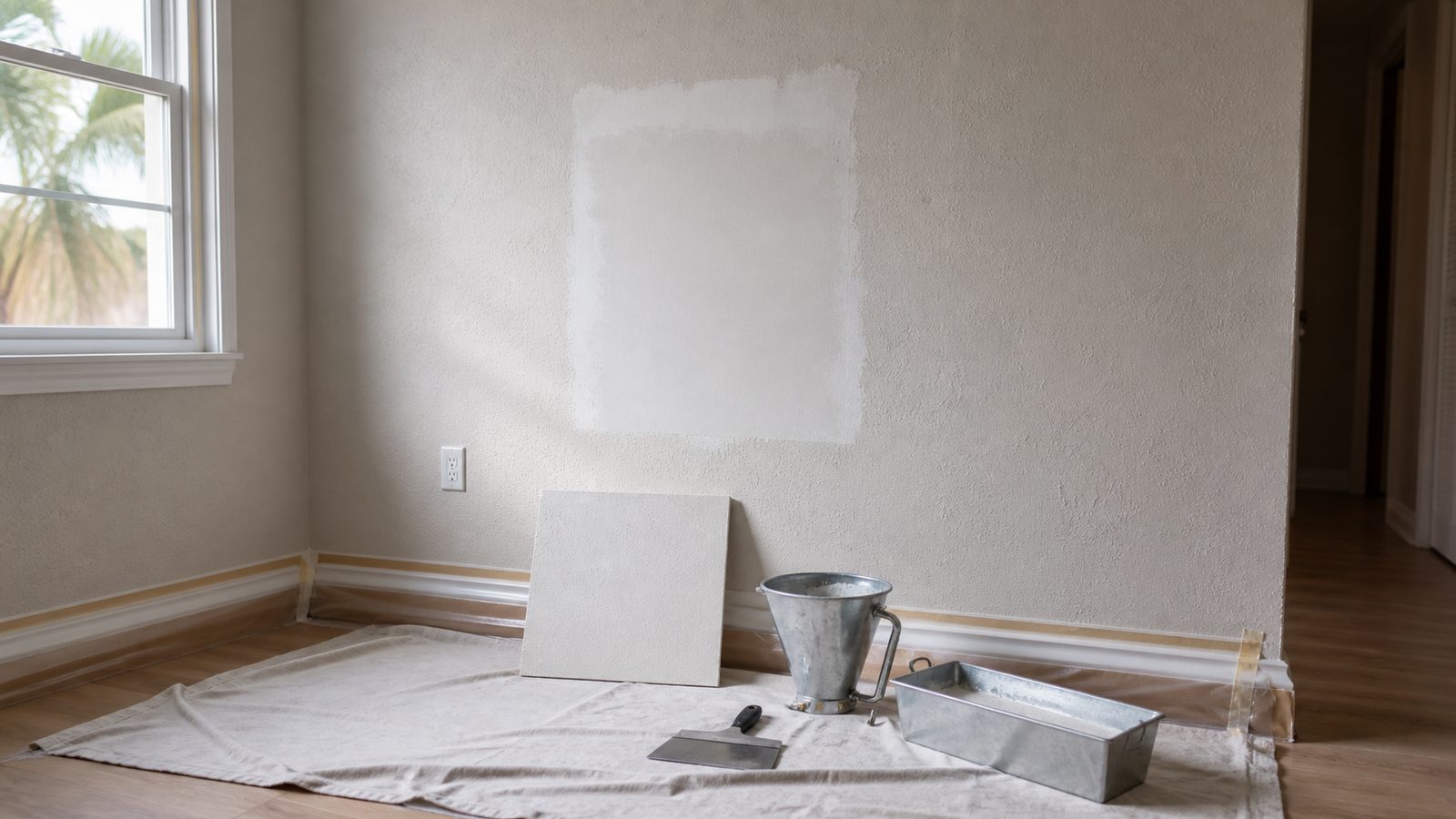
5. Warranty Accountability — One Responsible Party for All Self-Performed Scopes
Post-construction warranty claims in a subcontractor model frequently devolve into a trade-by-trade liability dispute. A crack at the intersection of a window rough opening and the drywall field may involve the framing sub (rough opening too tight), the window installer (improper shimming), and the drywall sub (taped over a live joint). Each party points to another. The GC coordinates the dispute but may not have direct authority to compel any of the subs to return. When framing, finish carpentry, and drywall are all self-performed, one party is responsible for all three scopes — and that party employs the crew that can return to make the repair. JK Prestige Construction's self-perform model means callbacks on the trades we perform are resolved internally, on our schedule, without a subcontractor coordination loop.
Get a written estimate in 48 hours. Call (904) 944-0278 or request a free consultation.
JK Prestige Construction self-performs framing, concrete, drywall, finish carpentry, and roofing across all Jacksonville-area custom home projects. Learn more about our approach to custom homes, our renovation work, and the JK way of building.
No call center. No coordinator. A JK principal reviews every inquiry and replies with a real number, not a range, not a follow-up form.
Request Free Estimate →