Florida's climate — high UV, seasonal tropical moisture, hurricane-force wind events, and a wet season that runs nearly six months — eliminates some roofing systems that perform well elsewhere and favors others. The system that makes sense for a Jacksonville homeowner depends on four variables: roof slope, structural capacity, budget, and insurance situation. Every one of these variables affects which system is the right answer.
JK Prestige installs all six systems discussed here and recommends based on the specific project, not on which product has the highest margin. GAF Master Elite certification covers two of the six; our crews are trained on all of them. Here is an honest comparison, with Florida-realistic numbers rather than manufacturer marketing copy.
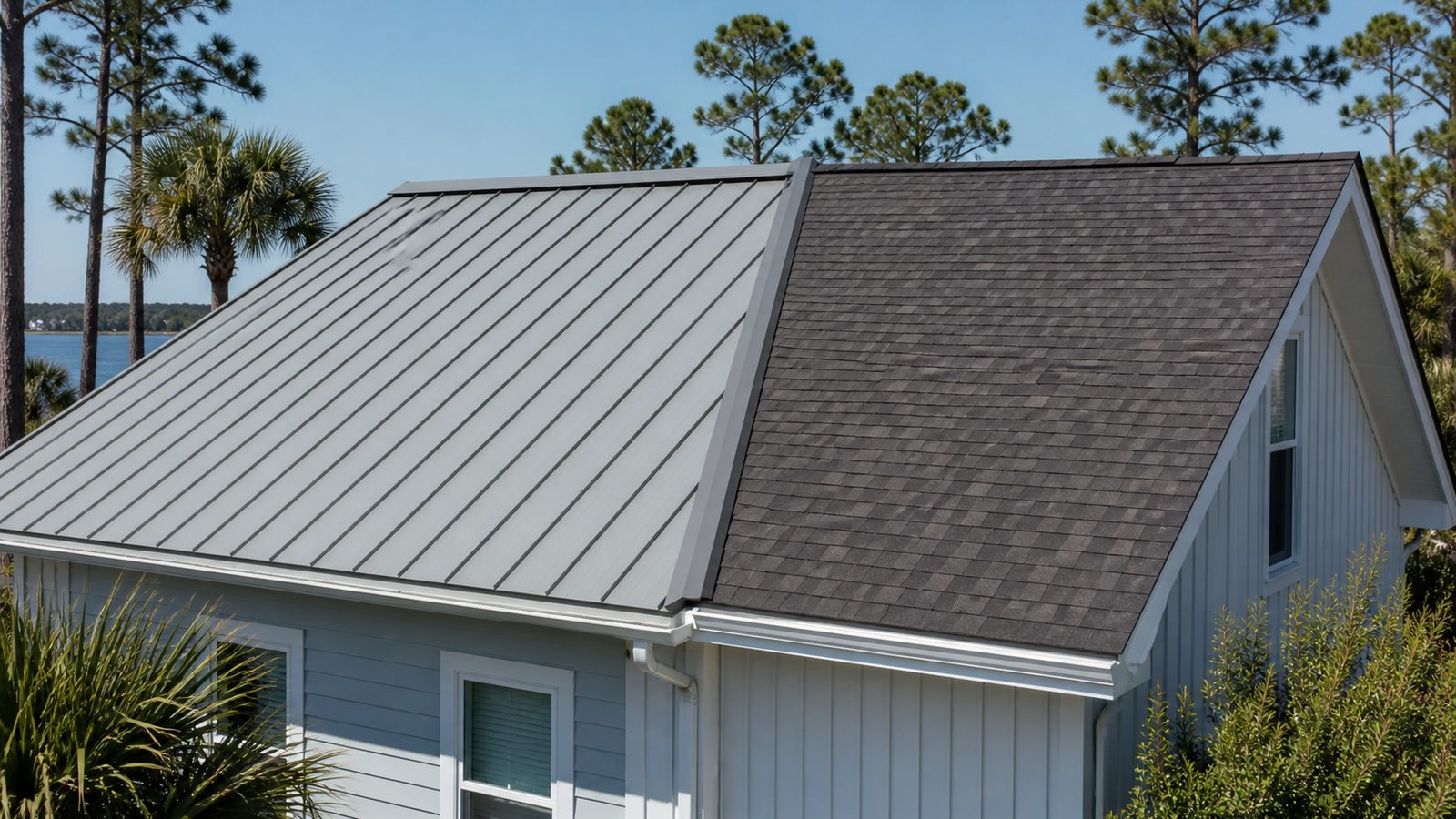
1. Architectural Asphalt Shingles — $8–$12/Sqft Installed
Architectural (laminate) shingles are the most common residential roofing material in Jacksonville by volume. They are affordable, widely available, and straightforward to install. Installed cost ranges from $8–$12 per square foot in the current Jacksonville market, inclusive of tear-off, underlayment, and flashing. Manufacturer warranty life is typically 25–30 years; Florida-realistic life, factoring in UV intensity and heat cycling, is 15–20 years for quality products, 12–15 years for lower-tier options. Wind ratings vary significantly by product: standard architectural shingles may be rated to 110 mph, while premium laminate lines are rated to 130 mph. For homeowners on a defined budget with a 15-year horizon, architectural shingles are the correct starting point. For homeowners expecting to stay 20+ years, the math often favors an upgrade.
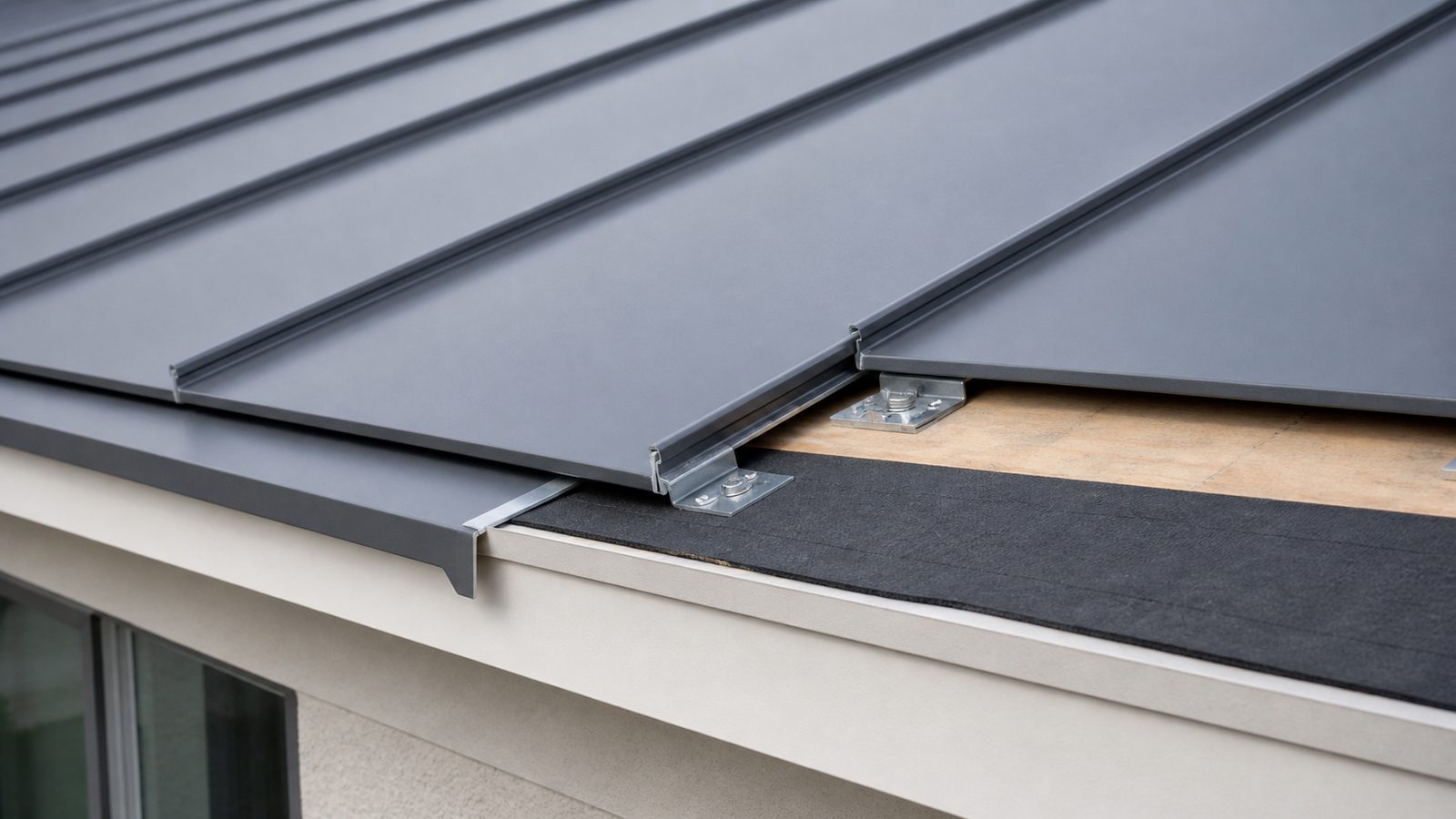
2. Metal Standing Seam — $20–$35/Sqft Installed
Standing seam metal roofing is the highest-performance option for Florida residential applications. The installed cost of $20–$35 per square foot reflects the higher material cost and the skill requirement for installation — improperly installed metal roofing leaks at the fastener points and at panel seams. Lifespan in Florida is 40–70 years with minimal maintenance. Wind performance is the system's strongest attribute: properly installed standing seam panels with concealed fasteners achieve wind uplift ratings exceeding 160 mph under FM 4471 testing. Standing seam is also the most reflective common roofing option, which reduces attic heat gain meaningfully in Jacksonville's summer months. The primary limitation is cost. For homeowners planning to stay 20+ years, the total cost-per-year is often lower than architectural shingles once you account for one re-roof avoided.
3. Concrete Tile — $15–$25/Sqft Installed, Requires Reinforced Structure
Concrete tile is common in Florida's older high-end residential construction and in certain Jacksonville neighborhoods — San Marco, Ortega, and parts of Mandarin have significant tile inventory. Installed cost runs $15–$25 per square foot; the wide range reflects tile profile variation and the labor intensity of the installation. Florida-realistic lifespan exceeds 50 years. The critical limiting factor is structural: concrete tile weighs 9–12 pounds per square foot, compared to 2–3 pounds for asphalt shingles. A structure designed for shingles cannot simply receive a tile roof — the framing and truss system must be evaluated by a structural engineer and may require reinforcement. If the existing structure is built for tile (common in Florida construction), tile is an excellent long-term option. If the structure requires reinforcement, the added cost narrows the economic case significantly.
4. Impact-Resistant Shingles — $12–$18/Sqft Installed, UL 2218 Class 4
Impact-resistant (IR) shingles look identical to standard architectural shingles but are manufactured with a modified polymer mat and SBS (styrene-butadiene-styrene) rubberized asphalt that absorbs hail and debris impact without fracturing. UL 2218 Class 4 is the highest rating, meaning the shingle survives a 2-inch steel ball dropped from 20 feet without cracking. In Florida, the primary value of Class 4 is not hail — Jacksonville hail is relatively infrequent — it is the combination of improved wind performance, extended granule retention, and insurance premium reduction. Several major Florida carriers offer 20–30% premium discounts for Class 4 roofing. On a $3,000 annual premium, a $600/year discount pays back the cost premium of IR shingles over a standard re-roof in roughly three years. Confirm the discount with your specific carrier before specifying.
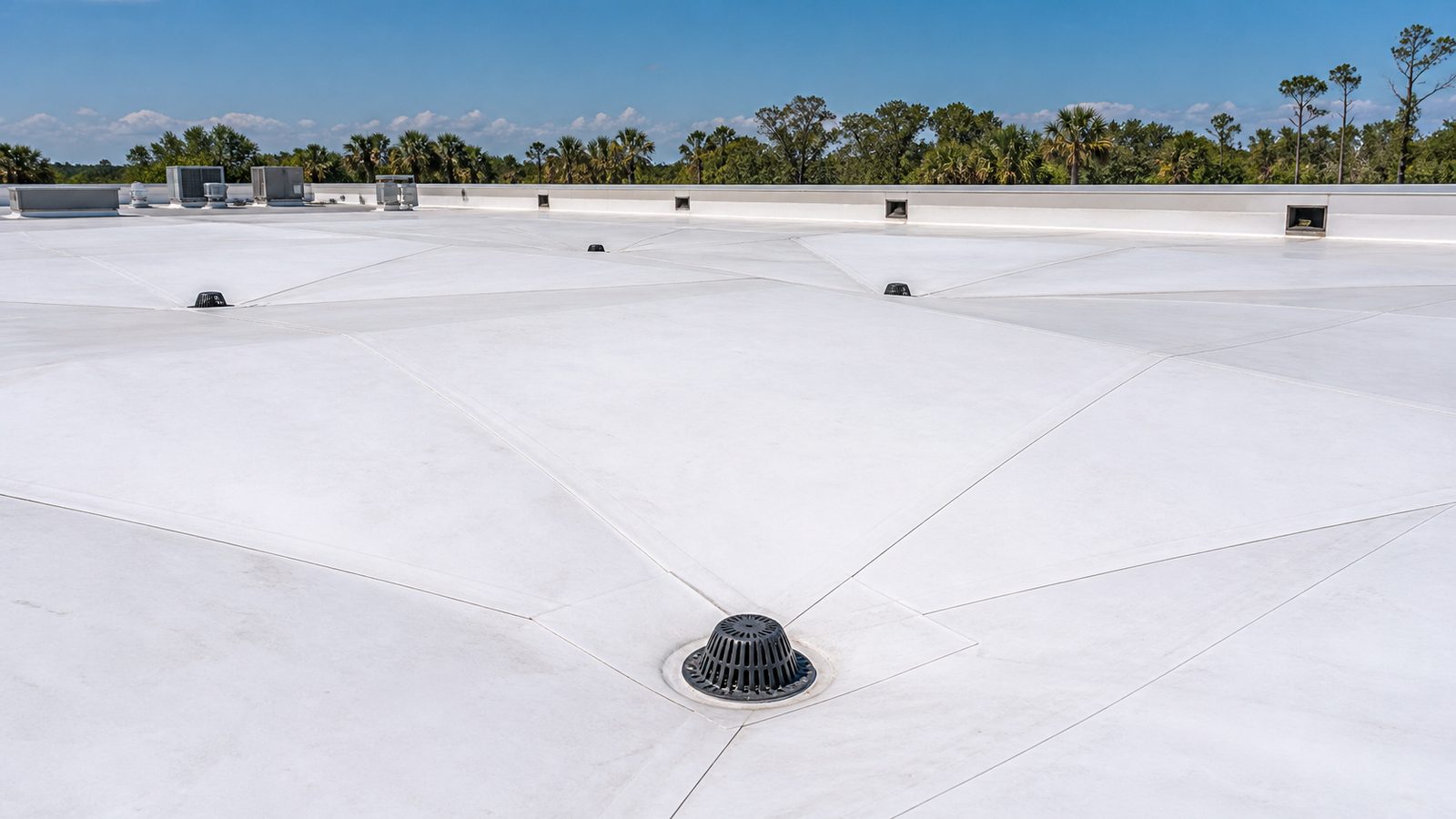
5. TPO and EPDM — $8–$15/Sqft, for Flat and Low-Slope Applications
TPO (thermoplastic polyolefin) and EPDM (ethylene propylene diene monomer) are membrane roofing systems designed for flat and low-slope roofs — typically defined as less than 2:12 pitch. In Jacksonville, these systems are common on commercial buildings, flat-roof residential additions, porch enclosures, and older mid-century homes with low-slope design. Installed cost runs $8–$15 per square foot; TPO, which is heat-welded at seams, has largely replaced EPDM in new commercial construction due to superior seam strength. Neither system is appropriate for pitched residential roofs. On flat applications, the seam quality determines performance — mechanically attached membranes with properly heat-welded laps outlast those with adhesive seams in Florida's temperature cycles. TPO is also highly UV-reflective, which is a significant thermal advantage in Jacksonville summers.
6. Modified Bitumen — $10–$18/Sqft, Multi-Layer System for Flat Roofs
Modified bitumen is a multi-layer flat roofing system using polymer-modified asphalt in roll form, applied in two or more layers using heat (torch-applied), cold adhesive, or self-adhesion. It is more redundant than single-ply membrane systems — a two-ply modified bitumen system has multiple layers of protection before a breach reaches the deck. Common in Jacksonville on commercial applications and older flat-roof residential construction. Installed cost runs $10–$18 per square foot, depending on number of plies and application method. The torch-applied method requires skilled installers — improper application is a fire risk during installation and a leak risk long-term. Lifespan in Florida is typically 15–25 years depending on maintenance quality. Modified bitumen roofs benefit from reflective cap sheet coatings, which extend service life and reduce heat absorption in Jacksonville's climate.
The right roofing system is a function of your slope, your budget, your structure, and how long you plan to own the property. JK Prestige will recommend the system that fits your situation, not the one with the highest margin. Learn more about our roofing services or see the full range of work we self-perform for Jacksonville homeowners.
Get a written estimate in 48 hours. Call (904) 944-0278 or request a free inspection.
No call center. No coordinator. A JK principal reviews every inquiry and replies with a real number, not a range, not a follow-up form.
Request Free Estimate →