Florida's residential insurance market is one of the most complex in the country. Since 2022, state legislation — specifically SB 2-D and SB 2-A — has restructured how claims are filed, how attorneys can be involved, and how AOB (Assignment of Benefits) works. The reforms were designed to reduce fraudulent claims; the side effect is that the process is now more technical and less forgiving of mistakes made by homeowners in good faith.
In Jacksonville, post-storm adjuster surges — when a named storm or significant wind event affects Duval County — stretch the claims process by weeks and create pressure on homeowners to make fast decisions. That pressure is where most mistakes happen. These seven are the ones that cost people real money.
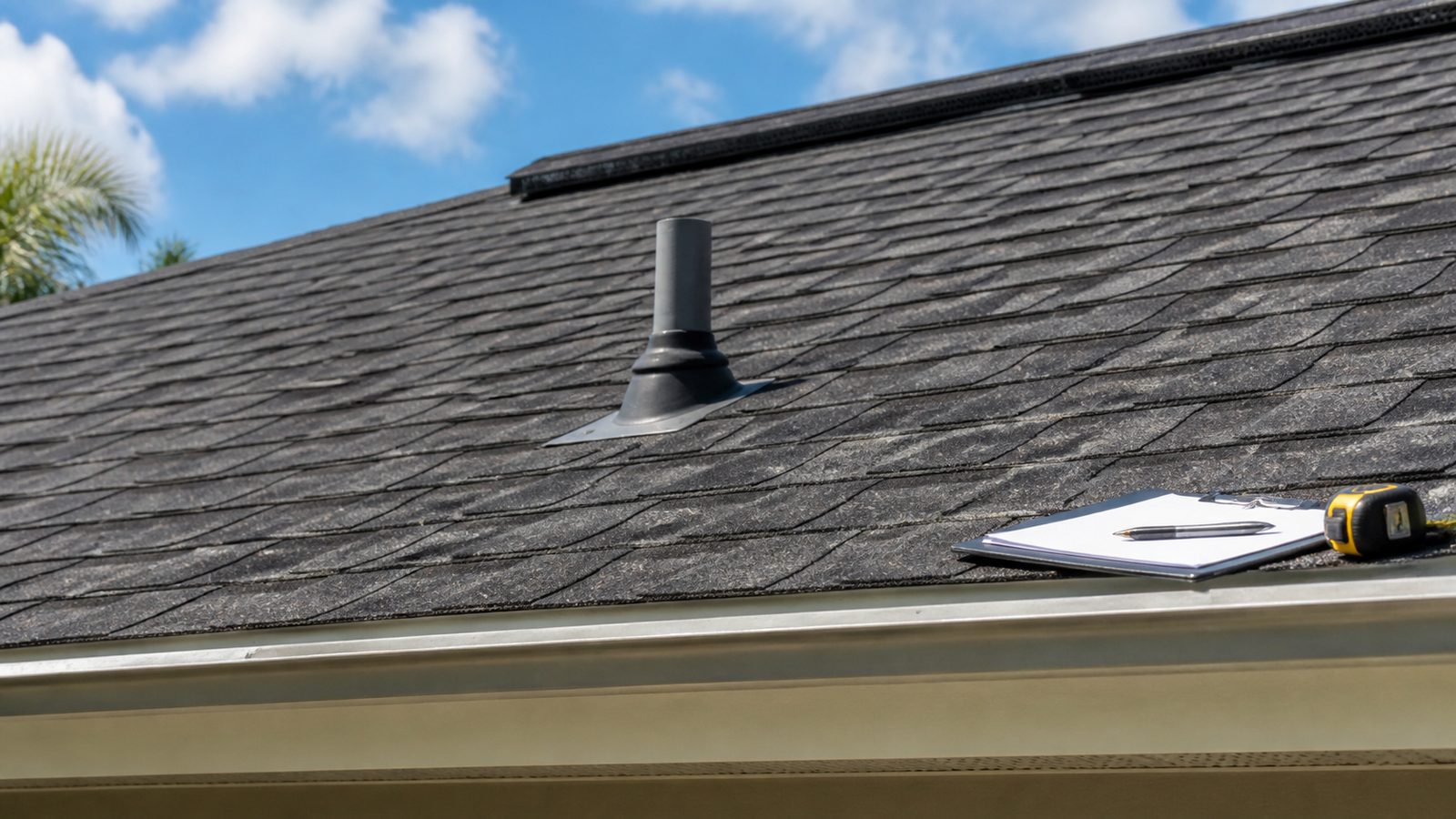
1. Not Documenting Damage Before Any Work Begins
Your pre-work documentation is your claim. Once a tarp is on the roof or debris is cleared, the original damage condition becomes a matter of dispute rather than fact. Before any work starts — even temporary emergency tarping if it can be safely delayed — photograph everything. Photograph the damage from the ground, from the attic interior (decking stains, daylight visible through the deck), and from as close to the damage as safely accessible. Photograph the interior ceiling beneath any penetration. Date-stamp every image using cloud storage with automatic timestamps. If you have a pre-storm inspection report from a licensed roofer, that document establishes baseline condition and is powerful evidence that storm damage was not pre-existing wear.
2. Letting the Adjuster Visit Without Your Own Written Estimate
An insurance adjuster's job is to assess damage accurately within the carrier's guidelines. That does not mean their scope will capture everything that actually needs to be replaced. Adjusters working a post-storm surge in Jacksonville may spend 20–30 minutes on a roof they spent an hour on in normal conditions. If you do not have a written estimate from a licensed contractor before the adjuster visits, you have no benchmark to evaluate the adjuster's scope against. Get a written, itemized estimate from a licensed roofer before the adjuster appointment. If the adjuster's scope is materially different from the contractor's estimate, you have the basis for a supplement or a dispute. Without your own estimate, you are negotiating blind.
3. Signing an AOB Form — Post-2023 AOB Is Banned in Florida, But Tactics Persist
Florida's SB 2-A, effective January 1, 2023, prohibits Assignment of Benefits (AOB) for property insurance claims. AOB allowed homeowners to sign over their insurance claim rights to a contractor, who would then bill the insurer directly and collect their fee from the claim — a process that was widely abused in roofing and water remediation. The ban means you cannot legally sign over your claim rights. However, some contractors continue to present documents with similar financial arrangements under different names: "direction to pay," "limited power of attorney," or "authorization to supplement." Read every document a contractor presents before signing. If a document transfers any rights to your insurance claim to the contractor, or authorizes them to negotiate with your insurer on your behalf, consult an attorney before signing.
4. Accepting ACV When You Have RCV Coverage
Actual Cash Value (ACV) settlements factor in depreciation. A 12-year-old roof is worth roughly half its replacement cost by most depreciation schedules — meaning an ACV check on a $16,000 replacement is approximately $8,000. If your policy pays Replacement Cost Value (RCV), the insurer is required to pay the full replacement cost: they pay ACV up front, then release the "recoverable depreciation" after you complete the work and submit final invoices. If you accept the ACV check and do not understand you are entitled to the remaining depreciation, you leave thousands on the table. Read your declarations page for "loss settlement" language before you accept any payment. If it says RCV, ask your adjuster for the depreciation holdback schedule.
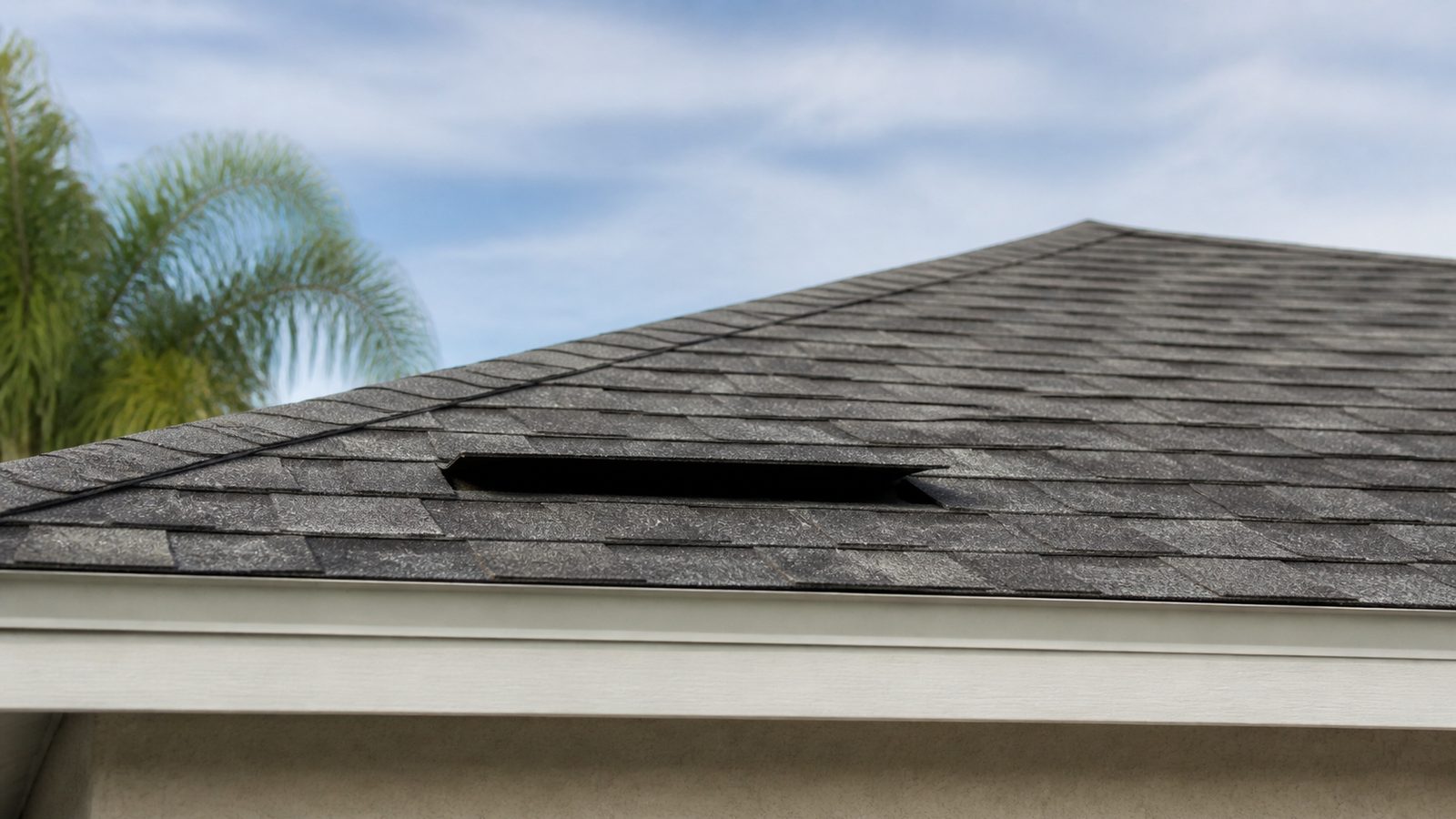
5. Making Permanent Repairs Before the Adjuster Approves Scope
Emergency tarping is appropriate and should not be delayed — insurers expect you to prevent further damage. Permanent repairs before the adjuster has visited and documented the damage are a different matter. If you replace the roof before the adjuster's inspection, the adjuster cannot independently verify the original damage scope. Carriers routinely use this as grounds to limit payment to the adjuster's estimated scope, which may be less than the actual cost. If a contractor pushes you to start permanent work immediately, before the adjuster has been out, that is a red flag. Emergency prevention is appropriate; permanent work waits for adjuster authorization.
6. Missing the Claims Filing Deadline
Florida law, following the 2022 reforms, reduced the claims filing deadline for new property damage claims from four years to two years from the date of loss, and the deadline for reopening a claim (supplementing) from three years to 18 months. Many Jacksonville homeowners discover storm damage months after it occurred — a slow leak that surfaces a year later, for instance. If that leak traces to a prior storm event, the filing clock runs from the storm date, not the discovery date. Keep your dated pre-storm and post-storm documentation. If you suspect damage from a prior storm, consult with a licensed public adjuster or attorney on whether a claim is still viable before the deadline passes.
7. Hiring the Contractor Who Shows Up First After the Storm
In the 48–72 hours after a major storm affects Jacksonville, out-of-area contractors — often called "storm chasers" — deploy door-to-door through affected neighborhoods. They carry tarps, they offer to start work immediately, and they frequently ask homeowners to sign contracts and insurance authorization forms before the homeowner has processed what just happened. Some storm chaser contractors do adequate work. Many do not — they are set up for volume, not quality, and they leave the area when the work is done. Before signing any contract with a post-storm contractor, verify their Florida contractor license on the Department of Business and Professional Regulation (DBPR) online license search, verify they carry a local Jacksonville address or established Duval County business presence, and call their listed references. JK Prestige is a Jacksonville-based, family-operated contractor. The founder answers the phone.
The insurance process in Florida rewards homeowners who are organized, patient, and have documentation before anyone asks for it. Learn more about our approach to roofing work and insurance situations, or see how the JK fixed-price process protects homeowners from cost surprises.
Get a written estimate in 48 hours. Call (904) 944-0278 or request a free inspection.
No call center. No coordinator. A JK principal reviews every inquiry and replies with a real number, not a range, not a follow-up form.
Request Free Estimate →