Most roofing problems start with a miscommunication. A homeowner hears "your underlayment is compromised" and nods along without knowing what underlayment is or why it matters. An insurance adjuster writes "ACV settlement" on the check, and the homeowner deposits it not realizing they left thousands of dollars of RCV coverage on the table. Knowing the vocabulary does not make you a roofer — it makes you a better client.
JK Prestige inspectors explain all seven of these terms on every free inspection in Jacksonville and surrounding Duval County. The goal is the same whether we do the work or not: you should leave the conversation understanding exactly what your roof is, what condition it is in, and what the options are. Here are the seven terms that matter most.
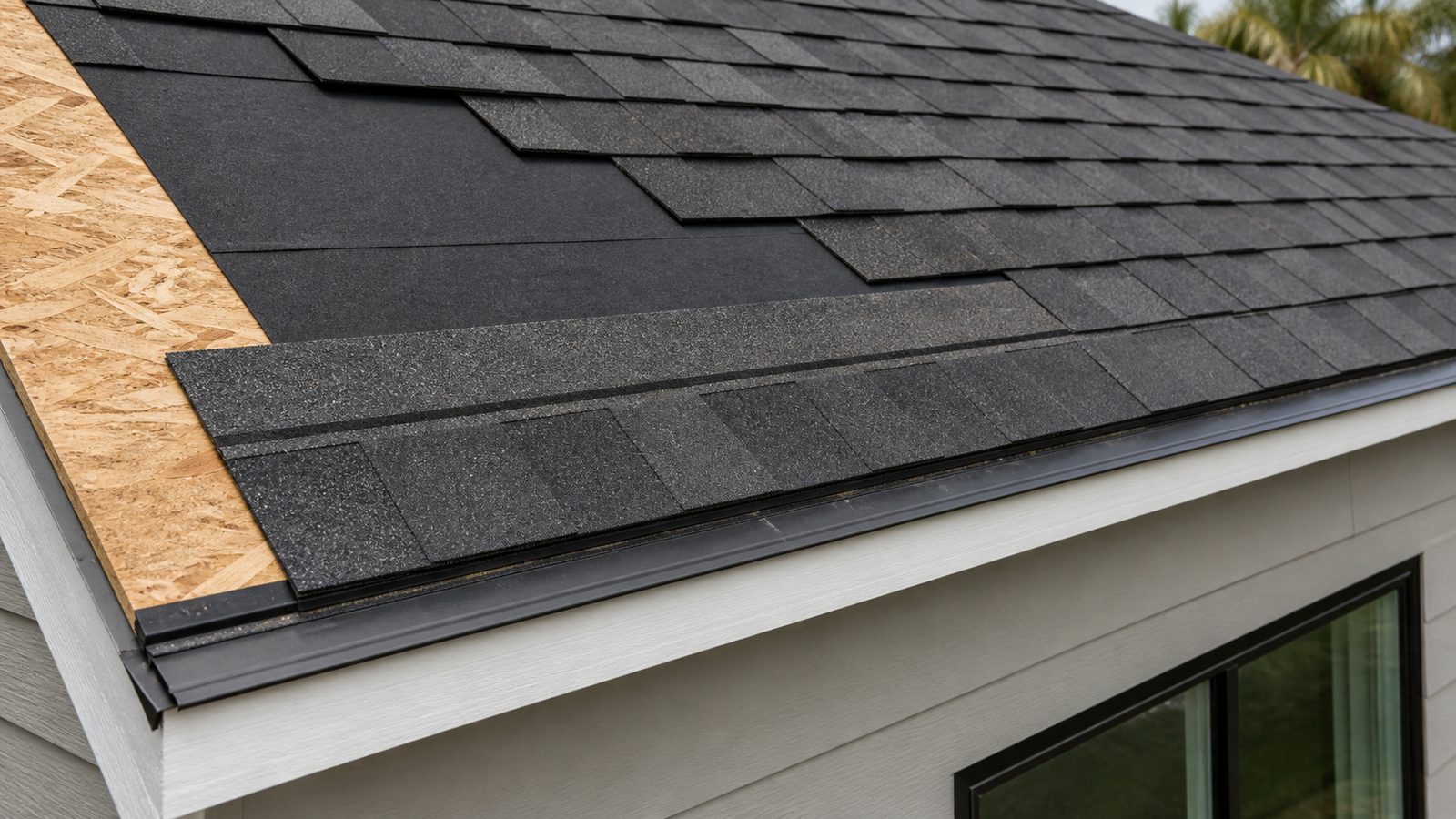
1. Decking (Sheathing) vs. Shingles — Two Different Layers
Shingles are the visible outer surface. Decking — also called sheathing — is the structural panel layer directly beneath them, typically OSB (oriented strand board) or plywood, nailed across the rafters. They are separate systems with separate failure modes. A shingle can blow off without damaging the deck. The deck can rot from sustained moisture without showing visible damage to the shingles above. When a contractor says "your decking is soft," they mean the structural substrate is failing, not just the surface. Replacing shingles over a damaged deck is a short-term fix. Any roofing estimate should specify whether deck replacement is included or excluded, and at what unit cost if additional damaged panels are found during tear-off.
2. Drip Edge — The Metal Flashing at the Roof Perimeter
Drip edge is an L-shaped metal flashing installed at the eaves and rakes (the sloped edges) of the roof, at the junction where the roof ends and the fascia begins. Its job is to direct water off the edge of the deck and into the gutter rather than letting it wick back under the shingles or run down the fascia board. Florida building code requires drip edge on new installations. Many older Jacksonville homes — particularly those built before 2007 — were installed without it, or with undersized drip edge that has since corroded. Rust streaks on fascia boards are often the first visible sign of failed or missing drip edge. In re-roofing projects, JK replaces drip edge as standard.
3. Starter Course — The First Row Critical for Wind Uplift
The starter course is the first row of shingles applied at the eave, before the field shingles begin. It is specifically designed with adhesive strips positioned to seal the bottom edge of the first course of field shingles above it. Without a proper starter course, the bottom edge of the first visible shingle row has no adhesive bond — it is the single most vulnerable point on the roof for wind uplift. In Jacksonville, where tropical storms and hurricane-force gusts are seasonal risks, a missing or incorrectly installed starter course is a meaningful safety and performance failure. On any re-roof inspection, ask specifically whether a manufactured starter strip or cut shingle was used, and where the adhesive strip is positioned.
4. Underlayment — The Layer Between Deck and Shingles
Underlayment is a water-resistant or waterproof membrane installed over the decking before shingles go on. It serves as a secondary water barrier if shingles are damaged, blown off, or if wind-driven rain gets under them. Florida building code requires two layers of underlayment in most applications — a departure from many northern states that permit single-layer. Common types include felt (15# or 30#), synthetic polymer sheets, and self-adhering rubberized membranes (often called "peel-and-stick" or "ice and water shield"). In Jacksonville's climate, synthetic underlayment significantly outperforms felt in longevity and moisture resistance. On any estimate, the underlayment specification should be written out explicitly — it is a major quality differentiator between bids that look similar on price.
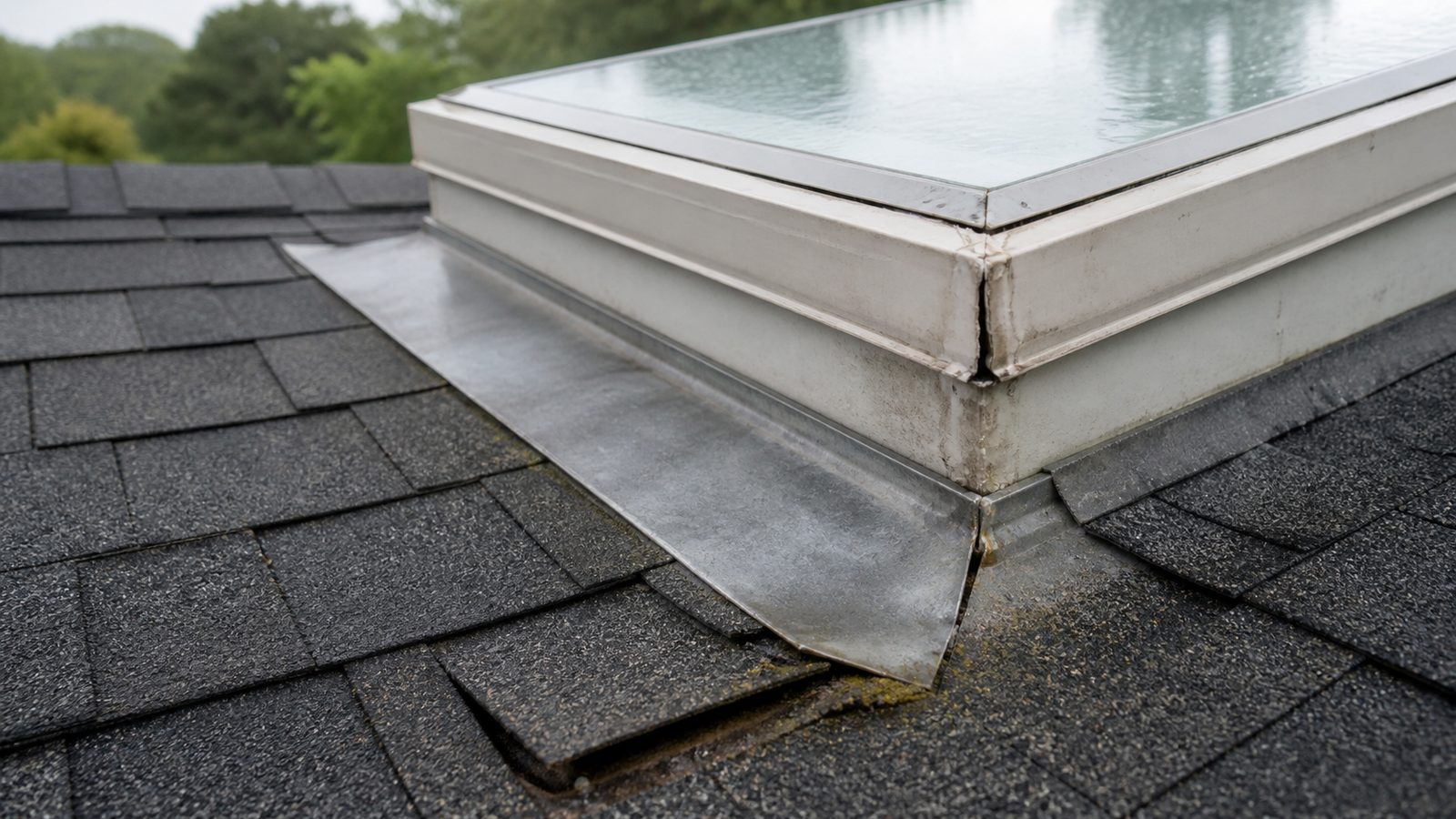
5. Flashing — Metal at Roof Penetrations, Valleys, and Walls
Flashing is sheet metal — typically aluminum, galvanized steel, or copper — installed wherever the roof plane meets a vertical surface or penetration: chimneys, skylights, plumbing pipe boots, HVAC curbs, dormer walls, and valleys where two roof planes meet. Flashing failures are the leading cause of residential roof leaks in Jacksonville, more common than shingle failures. A roof with sound shingles but failed pipe boot flashing will leak just as reliably as a worn-out roof. When evaluating a leak, experienced inspectors check flashing first. On any estimate for leak repair, the specific flashing being replaced and the material used should be itemized — "caulked the boot" is not a permanent repair for a cracked pipe collar.
6. ACV vs. RCV — Actual Cash Value vs. Replacement Cost Value
These are insurance terms, not roofing terms, but they determine how much your insurer pays for a roof claim. ACV policies pay the depreciated value of the roof at the time of loss — a 15-year-old roof may receive 40–60 cents on the dollar. RCV policies pay the full cost to replace the roof with like materials, with the depreciation amount ("holdback") released after you complete the work and submit documentation. The difference on a $15,000 Jacksonville re-roof can exceed $6,000. Check your declarations page for "loss settlement" language. If you have ACV coverage and your roof is over 15 years old, the economics of upgrading to RCV coverage before filing a claim are worth discussing with your insurance agent.
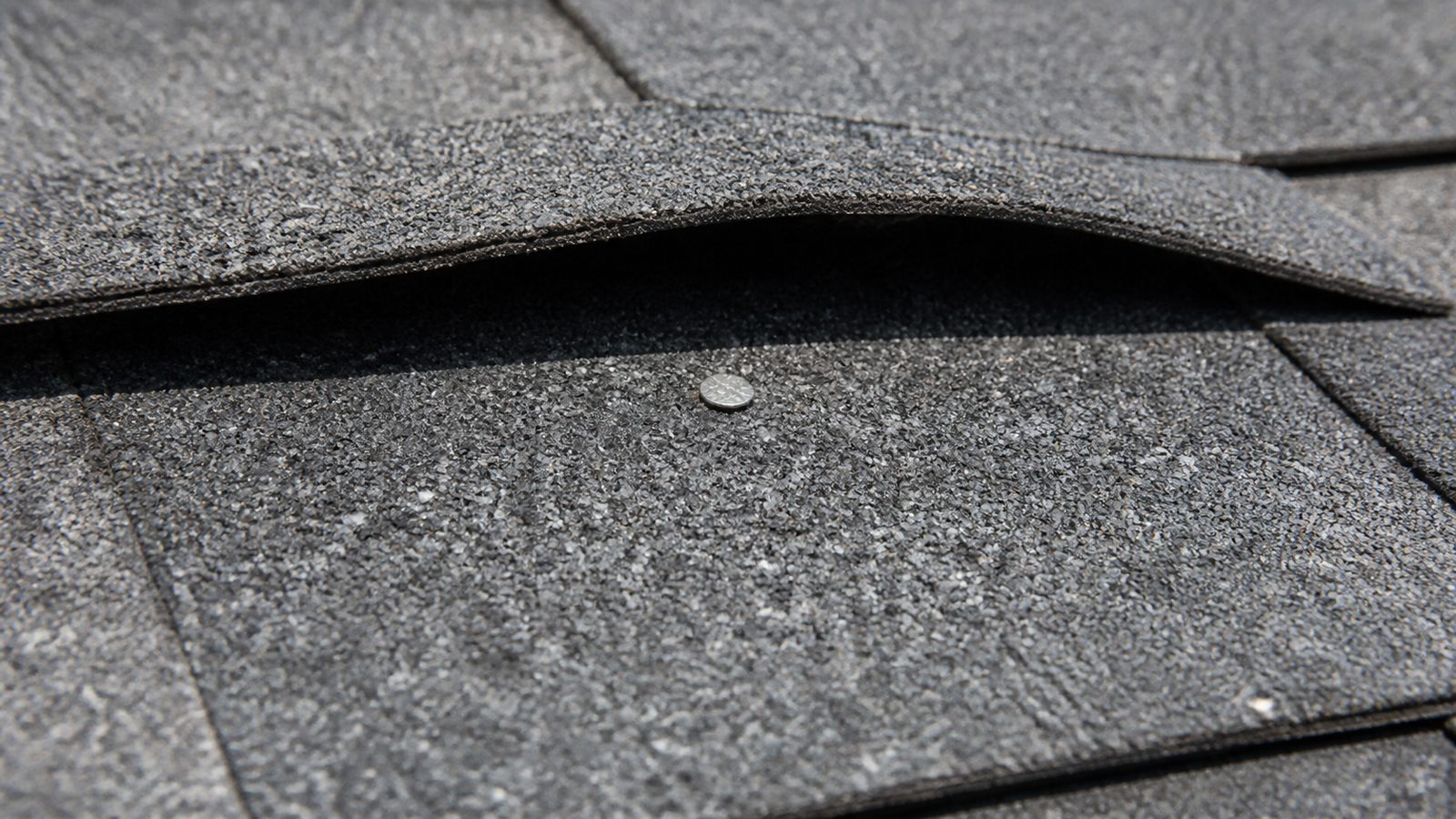
7. Wind Uplift Rating — How Shingles Perform in High-Wind Events
Wind uplift rating describes a shingle's tested resistance to being lifted or torn off in high-wind conditions, typically expressed as a maximum sustained wind speed (e.g., "rated to 130 mph") and a test standard (ASTM D7158 Class H or Class G). Florida's statewide building code sets minimum requirements, and Duval County follows the Florida Building Code, which requires Class H (130 mph) or better in most residential applications. Impact-resistant shingles (UL 2218 Class 4) often also carry strong wind ratings, and some Jacksonville insurers offer premium discounts for Class 4 installations. When comparing shingle options, ask for the wind rating by test class — not just the marketing headline — and confirm it matches what the building permit requires.
Understanding these seven terms puts you in a better position on every roofing conversation — with your inspector, your insurer, and any contractor providing an estimate. JK Prestige inspectors walk through all of these on every free inspection, with no obligation. Learn more about our roofing services or see how we run every project from first call to final walk.
Get a written estimate in 48 hours. Call (904) 944-0278 or request a free inspection.
No call center. No coordinator. A JK principal reviews every inquiry and replies with a real number, not a range, not a follow-up form.
Request Free Estimate →