Most general contractors in Jacksonville subcontract roofing. They win the job, call a roofing sub, mark up the sub's bid, and hand over site access. The arrangement is common and convenient for the GC. It is a transfer of risk that lands on the owner.
When a GC's own employees perform the roofing — trained under the same superintendent, working against the same schedule, carrying the GC's certification — the accountability structure is different. Here is where that difference shows.
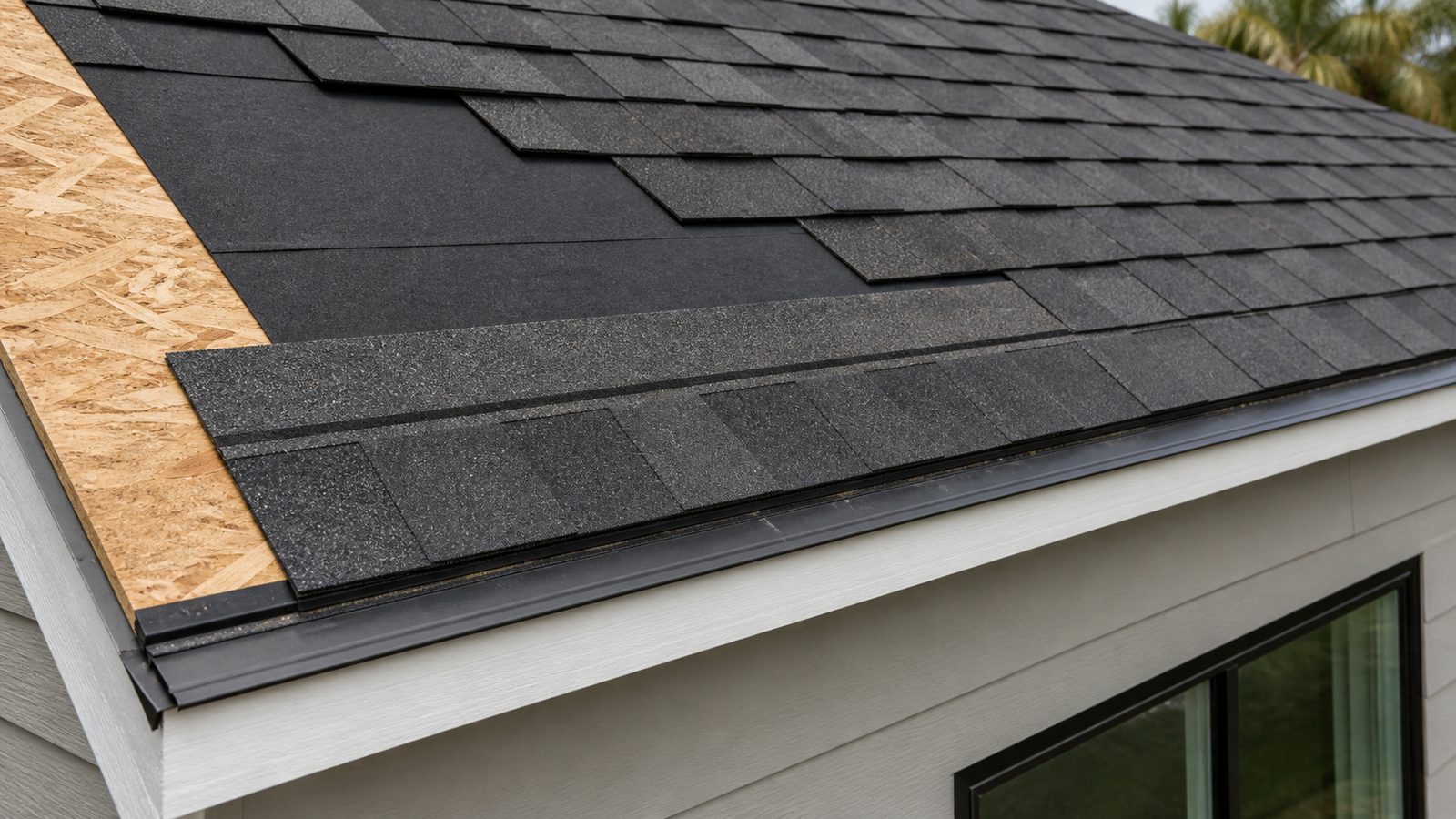
1. Mobilization: Own Crew Starts on Your Schedule
A roofing subcontractor maintains their own booking calendar. When your project reaches the roofing phase — typically after framing, sheathing, and underlayment installation — the sub's next available mobilization date may be two to four weeks out. In Northeast Florida's construction market, popular roofing subs run backlogs that extend further after storm seasons.
A GC who self-performs roofing deploys their own crew. The scheduling decision is internal. When the project is ready for roof installation, the crew mobilizes — not when the sub's calendar opens. On a project with a hard completion deadline — a move-in date, an insurance claim deadline, a lease commencement on a commercial project — that mobilization control is a concrete risk reduction.
The corollary is equally important: when weather delays roofing, a self-perform GC can redirect the crew to interior work and bring them back to roofing as soon as conditions allow, without renegotiating sub availability.
2. Quality Consistency: Same Crew, Same Supervisor, Same Standards
Roofing quality is installation quality. The difference between a roof that performs for 25 years and one that leaks at year 5 is not the shingle brand — it is the installation. Starter strips installed correctly, step flashing lapped correctly, ridge cap fastened to manufacturer specification. These details are not visible from the ground and are not inspected by the county. They are a function of who is installing and whether their supervisor is holding them to a standard.
A roofing sub hires their own crew, sets their own quality standards, and trains to their own specification — which may or may not match the GC's expectations or the manufacturer's installation requirements. When the GC supervises the roofing crew directly, quality standards are set and enforced by the party whose certification — and warranty registration eligibility — depends on correct installation.
JK Prestige's roofing services include GAF Master Elite and CertainTeed certification, both of which require verified installation quality.
3. Punch-List Accountability: GC Resolves It Directly
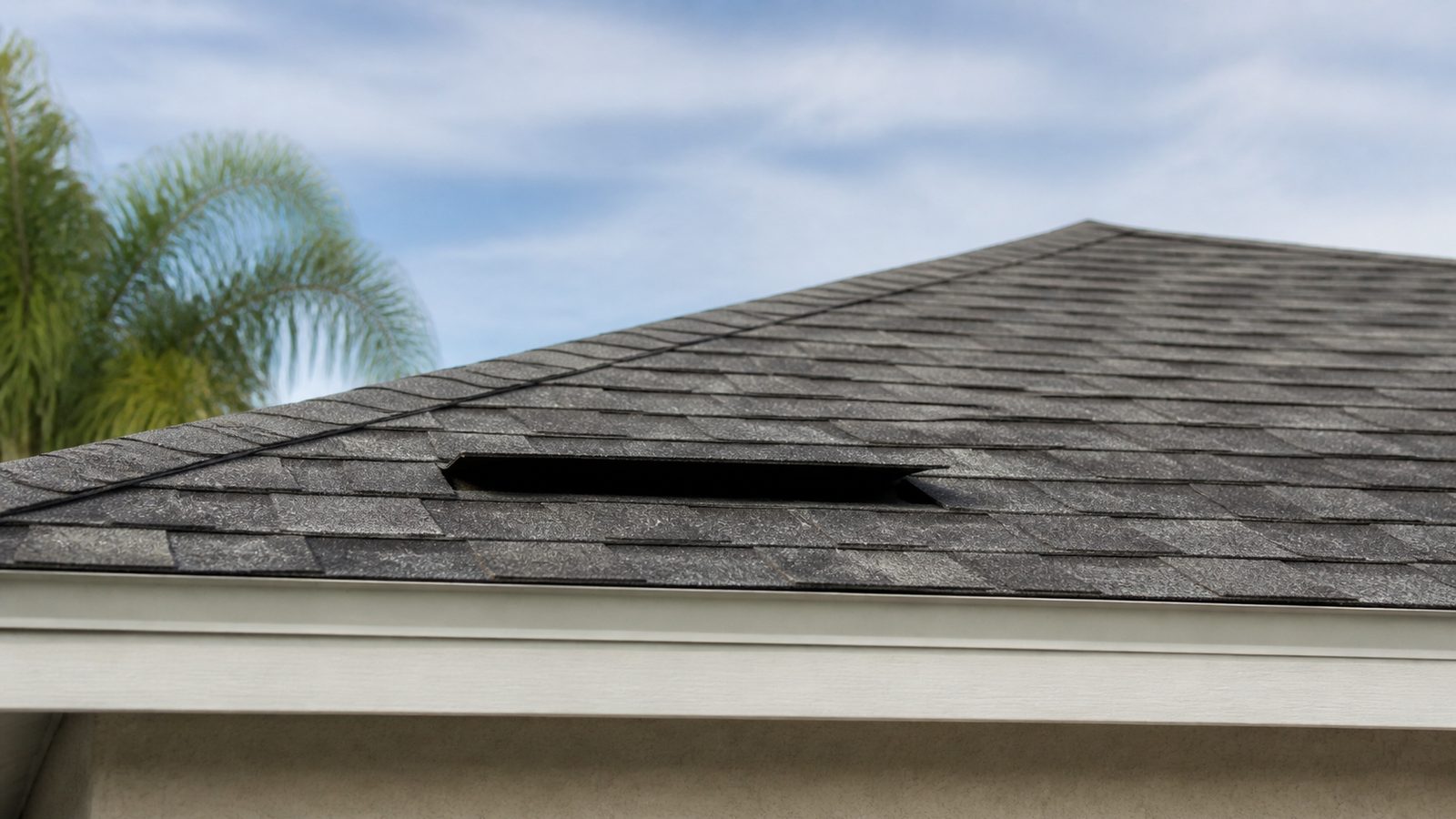
A punch-list item on a subcontracted roof — a flashing that needs adjustment, a ridge cap that lifted on one end — requires the GC to contact the sub, schedule a callback, and wait for the sub to appear. In Jacksonville's post-storm season, sub callbacks on roofing can take one to three weeks. The homeowner waits. The certificate of occupancy (CO) wait extends.
A GC with a self-perform roofing crew sends their own supervisor to inspect and their own crew to correct. The punch-list item identified on Monday is corrected by Wednesday — not by the sub's next available callback appointment. On a project with ten roofing punch items, the schedule difference can run two to four weeks.
4. Warranty Registration: Certification Is Tied to the GC
Manufacturer roofing warranties — GAF Golden Pledge, CertainTeed SureStart PLUS, Owens Corning Platinum — are registered by the contractor who installs the roof. That contractor must be certified at the appropriate tier. The certification is not transferable to a crew the GC hires for the job.
When a GC subcontracts roofing, the warranty registration depends on whether the sub is certified and at what tier. A GC who is GAF Master Elite cannot transfer that status to an uncertified sub. The sub must hold their own certification. If they do not, the enhanced warranty coverage — the No Dollar Limit workmanship warranty, the extended coverage periods — is unavailable regardless of which shingles are installed.
A self-perform GC whose own crew installs the roof registers the warranty under their own certification. The coverage is clear, the responsible party is clear, and the homeowner receives the warranty tier the GC's certification actually supports.
5. Weather Responsiveness: Own Crew Can Tarp and Secure Same Day
Northeast Florida weather is unpredictable. A project that is mid-roof during a June afternoon storm event needs an immediate response — tarping open decking, securing underlayment, verifying that no water has reached the interior. Every hour of delay with an open roof in a rain event is potential damage to framing, sheathing, insulation, and interior finishes below.
A GC with a self-perform roofing crew can redirect them to emergency weather response the same day. There is no phone call to a sub dispatcher, no wait for the sub to finish their current job, no negotiation about who pays for the emergency response. The crew is the GC's crew. They tarp, secure, and assess damage under direct GC supervision.
In a storm-prone market like Duval County, this responsiveness is not a hypothetical — it is a real risk management capability.
6. OSHA Compliance: GC Controls Safety Practices Directly
In a multi-employer worksite where roofing is subcontracted, Occupational Safety and Health Administration (OSHA) compliance on the roofing scope belongs to both the controlling employer (the GC) and the sub. Fall protection violations during roofing — one of OSHA's most frequently cited categories — can be attributed to the GC if they had authority to correct the hazard and failed to do so.
When the GC's own OSHA 30-certified supervisor is managing the roofing crew directly, fall protection standards are set and enforced by the party with the most to lose from a violation. There is no multi-employer confusion about who owns the hazard. The GC's safety culture extends continuously from groundwork through roof installation.
This also matters for workers' compensation exposure. A sub's crew injury on a GC's site can trigger the GC's policy depending on how the sub is classified. A self-perform crew is clearly covered under the GC's workers' compensation policy, with no coverage gap or classification dispute.
7. Communication: Superintendent Manages Roofing and Adjacent Trades Simultaneously
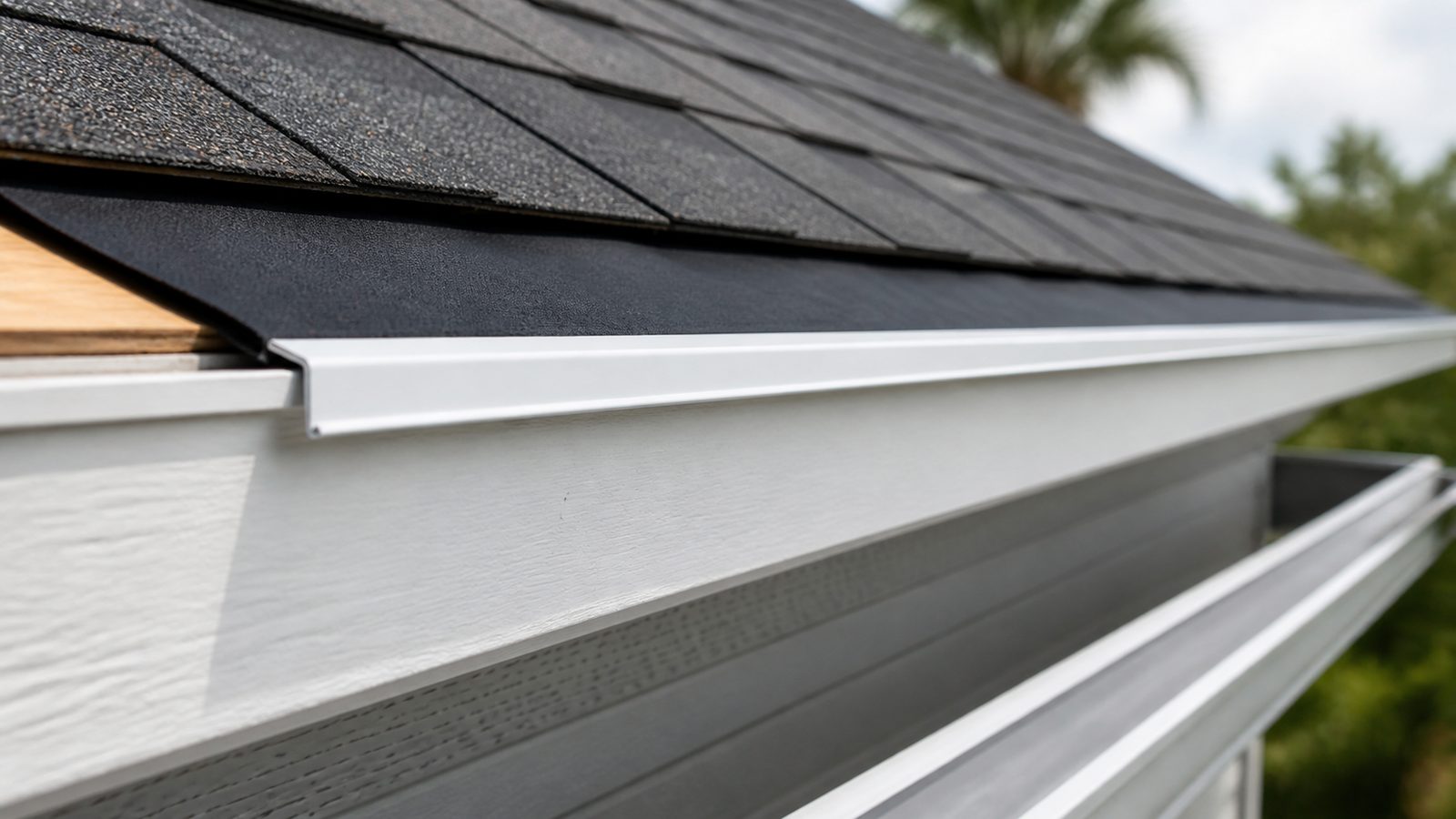
Roofing does not exist in isolation. Roofing sequencing affects when HVAC penetrations are cut, when gutters and downspouts are installed, when fascia and soffit work proceeds, and when final exterior painting can occur. When roofing is subcontracted, coordinating those adjacent trades requires the GC to communicate with the sub, translate schedule information, and hope the sub's field supervisor is attending to the same coordination.
When roofing is self-performed, one superintendent manages the roofing crew and all adjacent trades simultaneously. The HVAC penetration is cut when roofing needs it cut. The soffit crew mobilizes when the fascia work they depend on is ready. Trade coordination happens in one conversation, on-site, that morning — not through a two-party phone chain.
That communication efficiency compresses the overall project schedule and eliminates the coordination errors that generate callbacks, damage claims, and completion delays.
JK Prestige Construction self-performs roofing under GAF Master Elite and CertainTeed certification. Learn about the full JK approach and contact the team to discuss your roofing project.
No call center. No coordinator. A JK principal reviews every inquiry and replies with a real number, not a range, not a follow-up form.
Request Free Estimate →