The average gut renovation in Jacksonville runs 4 to 8 months from permit issuance to certificate of occupancy (CO). Some projects finish in four. Others drag past ten. The difference is almost never the GC's crew speed — it is decisions made, or not made, in the weeks before a nail goes in.
Here are the seven moves that reliably compress a renovation schedule.
1. Lock All Finish Selections Before Construction Begins
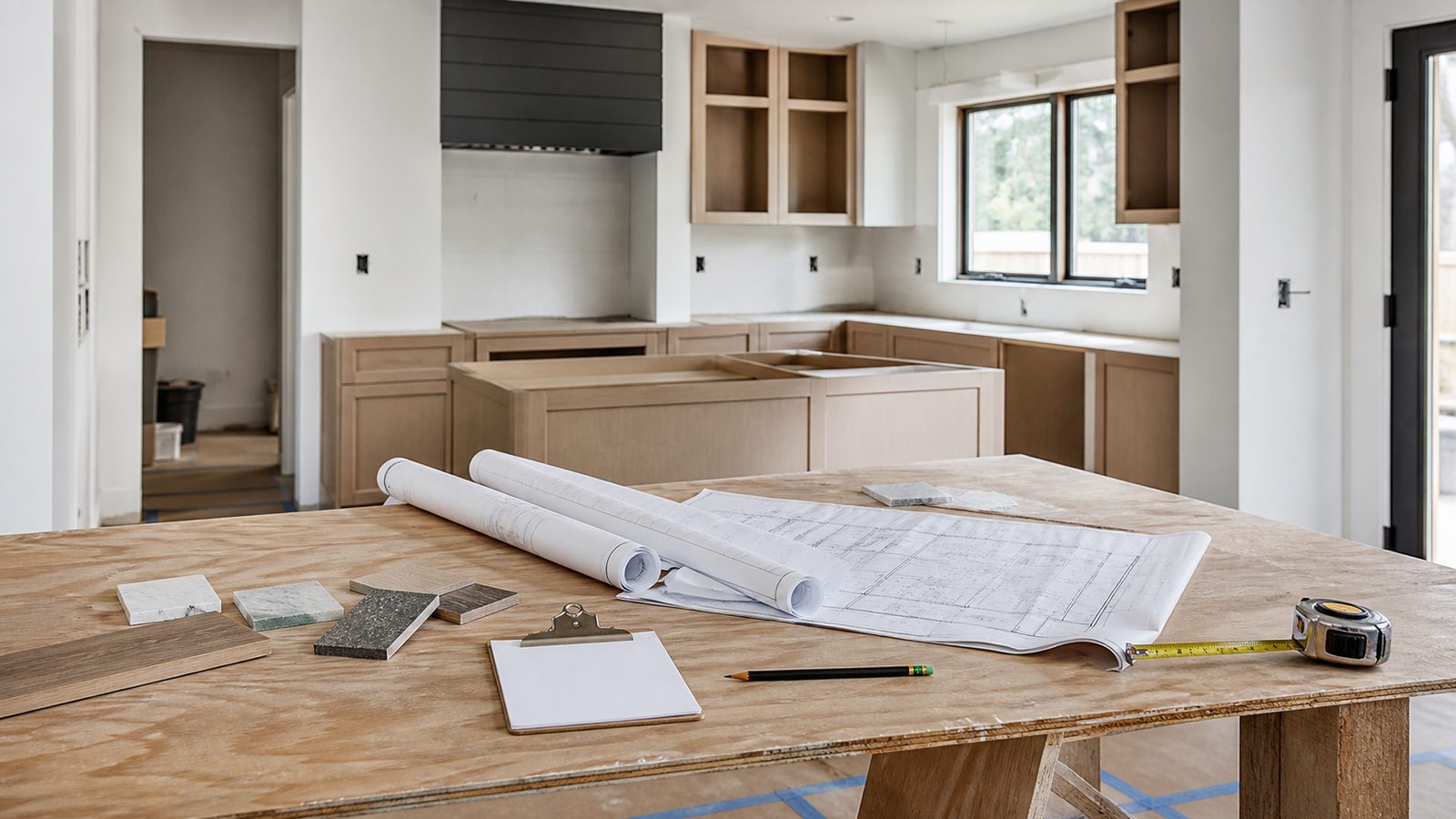
Every unresolved finish selection at the start of construction is a delay waiting to happen. Tile, cabinet hardware, plumbing fixtures, countertops, flooring, light fixtures, paint colors — each one is an open question that will need to close before the trade that depends on it can finish.
Cabinet delivery drives the kitchen timeline. If cabinets are not ordered by the time framing starts, the kitchen finishes late, which delays countertop templating, which delays backsplash installation, which delays the final plumbing rough-in. One unresolved selection early in the project cascades into a four-to-six-week delay at the back end.
The fix is a pre-construction selection meeting, typically 30 to 60 days before demolition starts. Your GC gives you a complete selections list with every line item categorized by when it needs to be decided. You work through it before the project starts. Changes after construction begins become change orders — which are slower and more expensive than decisions made in advance.
2. Use a GC Who Self-Performs Critical Trades
Subcontractor scheduling is one of the most common sources of renovation delay in Jacksonville. A GC who relies entirely on subs for framing, drywall, and finish carpentry is at the mercy of those subs' existing commitments. When a sub is running over on another project, your project waits.
A GC who self-performs framing and drywall controls that schedule internally. When the concrete sub finishes the slab patch, the framing crew moves in the same day — not after a two-week wait for sub availability.
Self-perform capability also affects punch-list speed. A GC with their own drywall crew can send a finisher to address a callback the next morning. A GC who subcontracts drywall has to schedule a callback through the sub's dispatch, which adds days per item.
JK Prestige Construction self-performs framing, drywall, and finish carpentry. See how Jacksonville renovations are structured on the expertise page.
3. Apply for Your Permit Before You Think You Need It
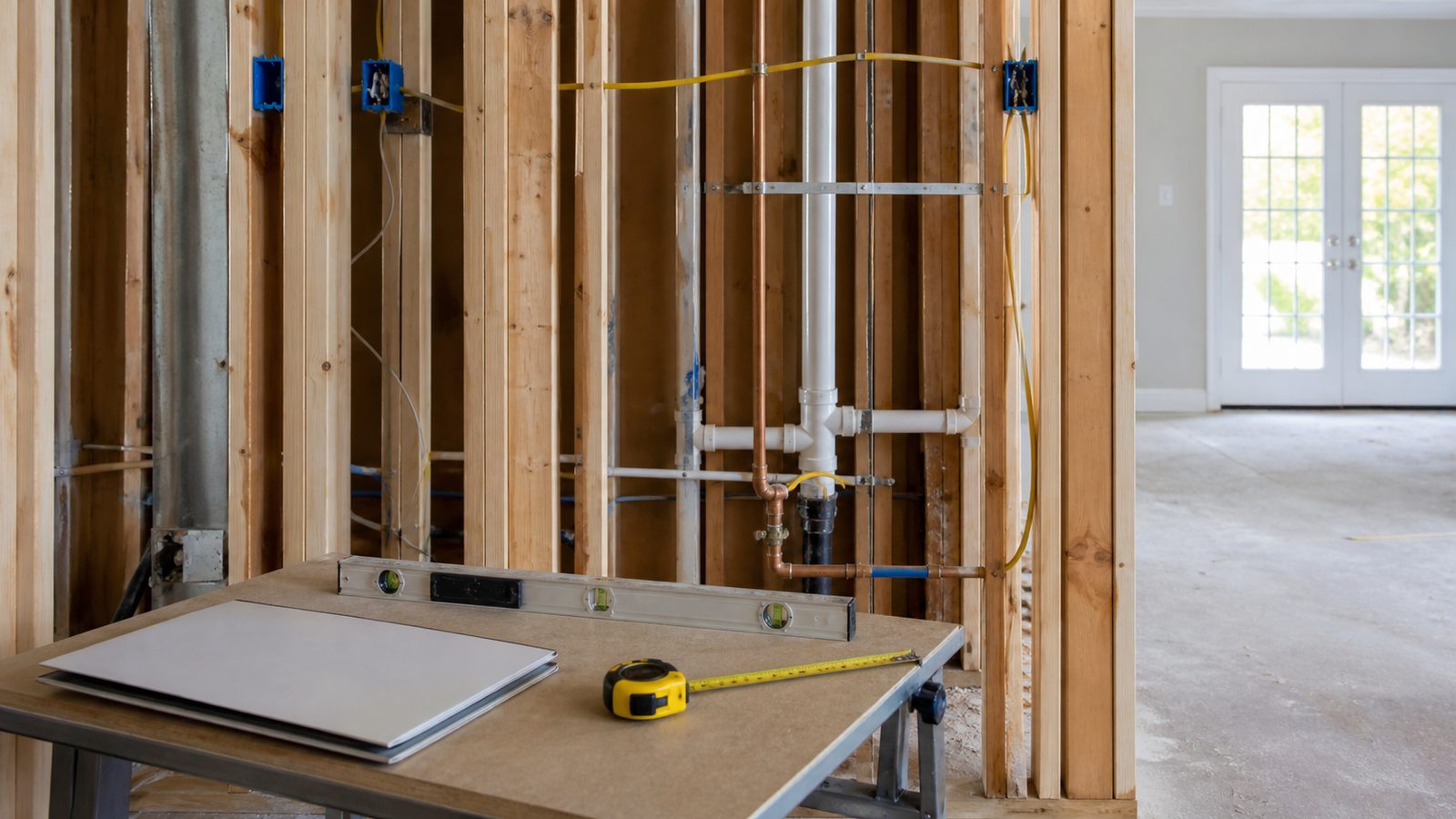
Duval County residential renovation permits currently run 4 to 6 weeks for plan review. That is calendar weeks, not business days. If you wait until your design is finalized and all drawings are complete to submit, you are adding 4 to 6 weeks of idle time to your project before demolition can start.
The workaround is to submit for permit as early as possible — often before all finish selections are final — using preliminary permit drawings. Permit drawings require enough detail to satisfy the Building Inspection Division's plan review, not the same level of detail as construction documents. An experienced GC knows what triggers review comments and what does not.
For larger projects requiring mechanical, electrical, and plumbing (MEP) permits in addition to building permits, each trade permit runs its own review timeline. Submit them in parallel, not in sequence.
Ask your GC on day one: when will you submit for permit, and what do you need from me to submit immediately?
4. Order Long-Lead Items in Pre-Construction
Some materials have lead times that will control your project schedule regardless of how fast your crew works. Custom cabinets are the most common culprit: semi-custom cabinets run 6 to 10 weeks from order confirmation; fully custom millwork runs 10 to 16 weeks. If you order cabinets when the permit is approved, you will be waiting on cabinets when the rest of the project is ready for them.
Other common long-lead items in Jacksonville renovations: specialty tile (imported stone, large-format porcelain), custom windows and doors, high-end plumbing fixtures, specialty hardware, and some light fixtures from boutique manufacturers.
The pre-construction window — the 4 to 6 weeks while your permit is in review — is the right time to order these items. Your GC should give you a long-lead procurement list before permit submission and flag which items need to be ordered immediately. That list is the difference between a project that finishes on schedule and one that sits waiting for a vanity order.
5. Authorize One Decision-Maker on Your Side
Construction projects stall when the owner's side has multiple stakeholders who must reach consensus before the GC can proceed. Two spouses who disagree on tile. A family renovation where three siblings have equal say. A homeowner who checks every decision with a non-local family member before responding.
Every hour a decision is delayed is time the GC cannot bill — but more importantly, it is time the crew is reallocated to another project, and reallocation has its own scheduling consequences.
Designate one person with full authority to make field decisions. That person gets the GC's calls and text messages. They can approve a minor scope change without a committee meeting. They can choose between two acceptable tile options in a single conversation.
This is not about giving one person permanent authority over major design changes. It is about removing the bottleneck on the dozens of small, time-sensitive decisions that come up during any renovation.
6. Do Not Change Scope Mid-Project
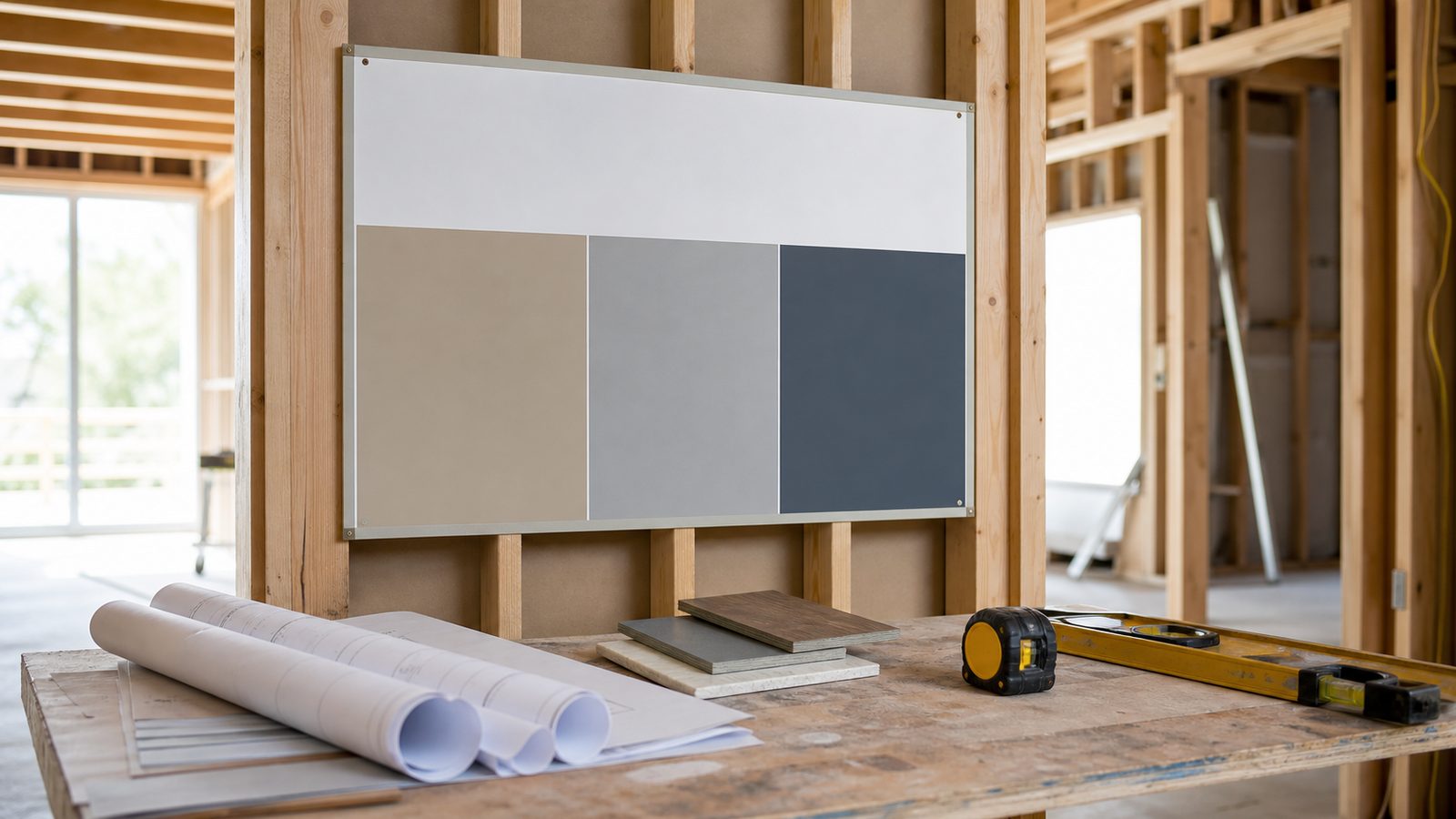
Scope changes after construction starts are the single largest driver of renovation overruns — both time and budget. Adding a bathroom, expanding the kitchen footprint, upgrading from standard drywall to a coffered ceiling detail — each change requires a change order, potential design revision, permit amendment in some cases, and schedule re-sequencing.
A scope change that adds two weeks of work does not add two weeks to the schedule. It adds those two weeks plus the time to re-sequence trades around the change, reorder materials, and potentially re-pull a permit. The real schedule impact is often three to five weeks for a change that felt minor at the time.
The right time to expand scope is pre-construction. If you are considering adding a second bathroom, price it before the contract is signed, not after the plumber has already roughed in the first floor. JK Prestige Construction reviews the full scope in pre-construction precisely to surface these decisions before they become change orders. Learn more about the JK way.
7. Choose a GC with a Dedicated Superintendent
A superintendent who is managing 12 simultaneous projects is not managing any of them well. Site visits become weekly instead of daily. Problems are identified late. Trade sequencing decisions are made in the GC's truck between sites rather than on your job.
A dedicated superintendent — meaning one person whose primary accountability is your project — is present daily, catches problems before they cascade, keeps trades sequenced correctly, and makes the real-time decisions that keep a project on track. A project with a dedicated superintendent resolves issues in hours. A project where the GC is also the superintendent for 11 other jobs resolves issues in days.
Ask before signing: who is the superintendent for my project specifically, and how many other active projects are they managing simultaneously? A GC who cannot answer that question has not staffed your project yet.
No call center. No coordinator. A JK principal reviews every inquiry and replies with a real number, not a range, not a follow-up form.
Request Free Estimate →