Most contractor problems don't come out of nowhere. They compound over weeks from early warning signs that, in hindsight, were obvious. The difficulty is that homeowners and project owners often rationalize the first three or four warning signs — "they're just getting started," "it's a busy market," "I'm sure they'll catch up."
These 9 signs are not early-stage growing pains. They are structural problems with how a contractor operates. If you're seeing more than two of them in the first month, your project is in trouble.
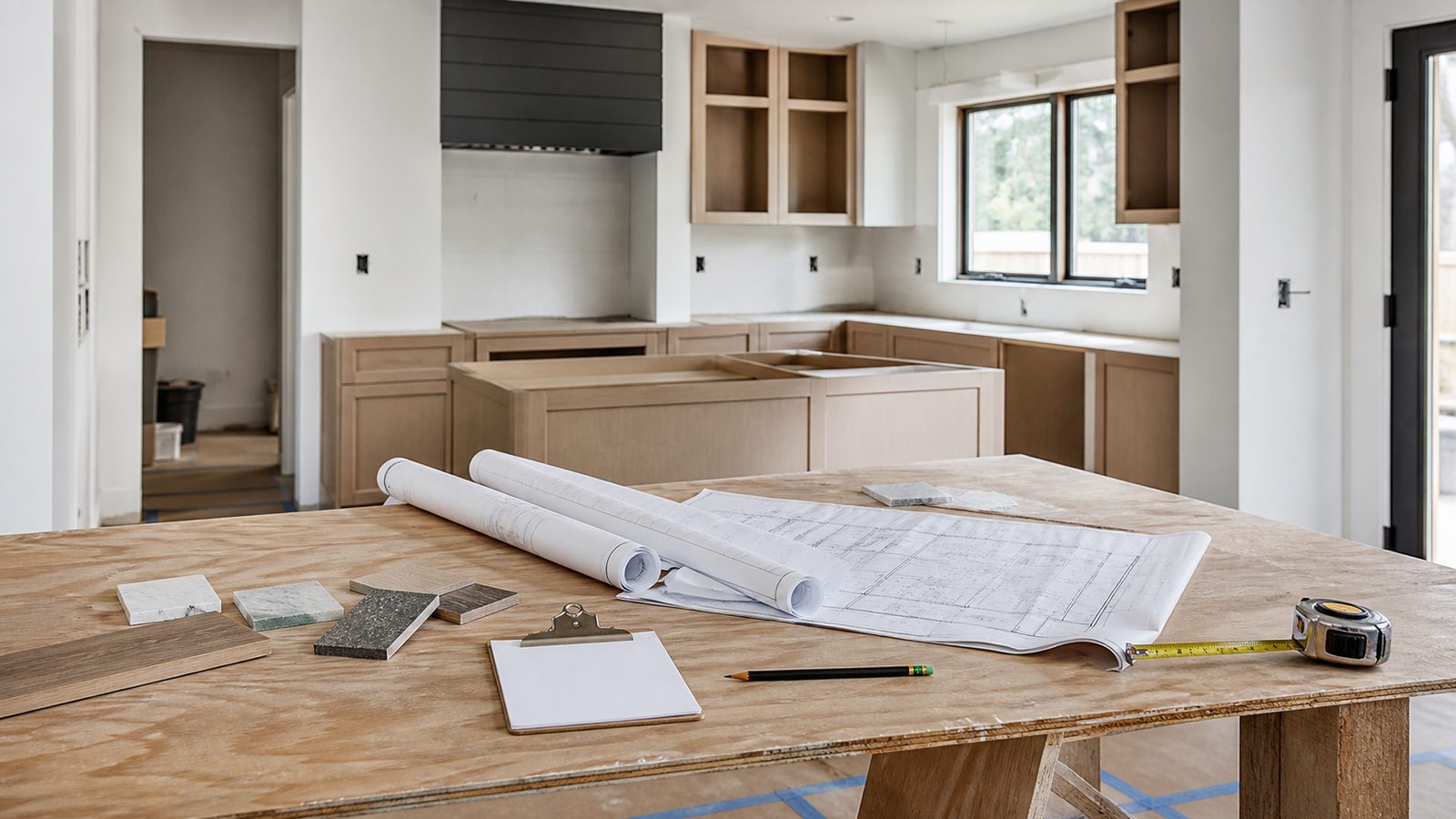
1. Change Orders Appear in Week 2 for Things That Were "Obviously" in Scope
If a contractor submits a change order in week two for work that any reasonable reading of the scope document would include — moving a wall that was in the demo plan, adding insulation to an exterior framing package, patching drywall after running electrical — that's a scope-writing problem, not a field conditions problem.
Legitimate change orders happen when you add something new or when a genuine concealed condition surfaces. They do not happen because the contractor forgot to price something. When early change orders show up for work that's clearly part of the original scope, you're looking at a contractor who bid low intentionally to win the project and planned to recover margin through change orders. This pattern repeats. A fixed-price contract from a GC who validated the scope before signing prevents this from happening in the first place.
2. You Can't Reach Anyone When You Call
You signed a contract with a specific person or company. That person's responsiveness on day three is a reliable indicator of their responsiveness on day 93, when you actually have a problem. If calls go to voicemail and aren't returned within a few hours during the active construction phase, you don't have a GC — you have a business card.
In Jacksonville's active construction market, where project volume is high and labor is tight, less-organized contractors prioritize new business over active project management. If the principal who sold you the project has handed you off to an office coordinator who's hard to reach, ask who you're supposed to call when something needs an answer before tomorrow morning. Get a direct number and test it within the first week.
3. Work Stops Unexpectedly for Days Without Explanation
Construction projects have legitimate downtime: waiting for inspection approvals, waiting for long-lead material deliveries, weather holds. What they don't have is unexplained silence. If your job site goes dark for three or four days and you haven't received a communication about why, that silence is a signal.
Common causes: the contractor is pulling crew to cover a more profitable job, they're waiting on a material delivery they didn't order on time, or there's a cash flow problem — they need your next draw to pay their supplier for materials already committed elsewhere. Ask directly: "Why has work stopped and when does it restart?" Get a specific answer. A professional contractor will volunteer this information before you ask.
4. Crew Composition Changes Constantly — Different Faces Every Visit
A crew that changes completely every two or three days means either the contractor is using day-labor rather than an employed team, or the project isn't stable enough to retain workers. In either case, the person installing your drywall on Thursday has no context for what the framing crew did on Monday.
Self-performing contractors — those who employ their own carpenters, framers, and finishers — have consistent crew because those are employees with paychecks and a continued relationship. Contractors who subcontract everything out use whoever the sub sends, which varies by day and availability. The result is work quality that depends on whoever showed up, rather than a team trained to a consistent standard. JK Prestige self-performs critical trades with its own crews — the same faces who start your project finish it.
5. Subcontractors Show Up Unannounced and Don't Seem to Know the Project
If a plumber or electrician arrives at your job site, introduces themselves to you for the first time, and seems to be oriented to the project scope by looking around rather than by reading plans, the GC's coordination process is broken.
Subcontractors should be scheduled, briefed, and coordinated by the GC before they arrive. They should have drawings, scope notes, and a point of contact on the GC's team. When subs show up cold — especially in Jacksonville's older housing stock where unexpected conditions are common — they make decisions without context that create expensive problems later. Rerouted plumbing, electrical rough-in in the wrong location, HVAC penetrations that conflict with structural members: all of these happen when subs are working from improvisation rather than coordination.
6. The Permit Hasn't Been Pulled After 4 Weeks
In Duval County, a residential building permit typically takes 3–6 weeks for approval after a complete submission. That means a contractor who plans to pull your permit should submit within the first week of the project — ideally during pre-construction, before demo begins. If you're four weeks in and no permit is on display at the job site, ask for the permit application receipt and the expected approval date.
Contractors who delay permit submission do so for two reasons: they're too busy to handle the paperwork, or they intend to do the work without a permit and hope you won't notice. In Florida, work done without a permit must be uncovered and re-inspected after the fact if the permit issue is discovered — at your cost, not the contractor's. In Jacksonville neighborhoods like Riverside and San Marco, where renovation activity is high and inspectors are present, unpermitted work is a significant financial and legal exposure.
7. Work Quality Requires Constant Rework
Some rework is normal — a tile that cracks during setting, a paint edge that needs a second pass. Systemic rework, where finished work has to be torn out and redone because it was done incorrectly the first time, is not. If you're seeing framing that fails inspection, drywall joints that telegraph through finish paint, or tile installations that aren't plumb after the first pass, you have a quality control problem.
Ask the superintendent (or principal) directly: "Why was this work rejected by the inspector, and what process change prevents it from happening again?" A competent GC has a quality control protocol — inspections at defined stages, a field foreman who checks work before it proceeds to the next phase. A contractor without that protocol relies on the building inspector to catch errors, which is slower, more disruptive, and more expensive than catching them before the wall is closed.
8. No Written Weekly Reports or Progress Photos
Weekly progress reports and job site photos are a basic project management discipline, not a premium service. A GC who doesn't send them isn't running a project — they're running a job. The difference matters when you need to verify that work was done in the right sequence, that materials were installed before an inspection, or that a covered condition was documented before drywall went up.
Progress photos also create an evidentiary record in case of a dispute. If a contractor installs plumbing rough-in and then closes the wall without documenting it, and a leak develops in year two, the absence of photos makes fault determination much harder. Require weekly written updates and job site photos as a contract deliverable, not an informal expectation.
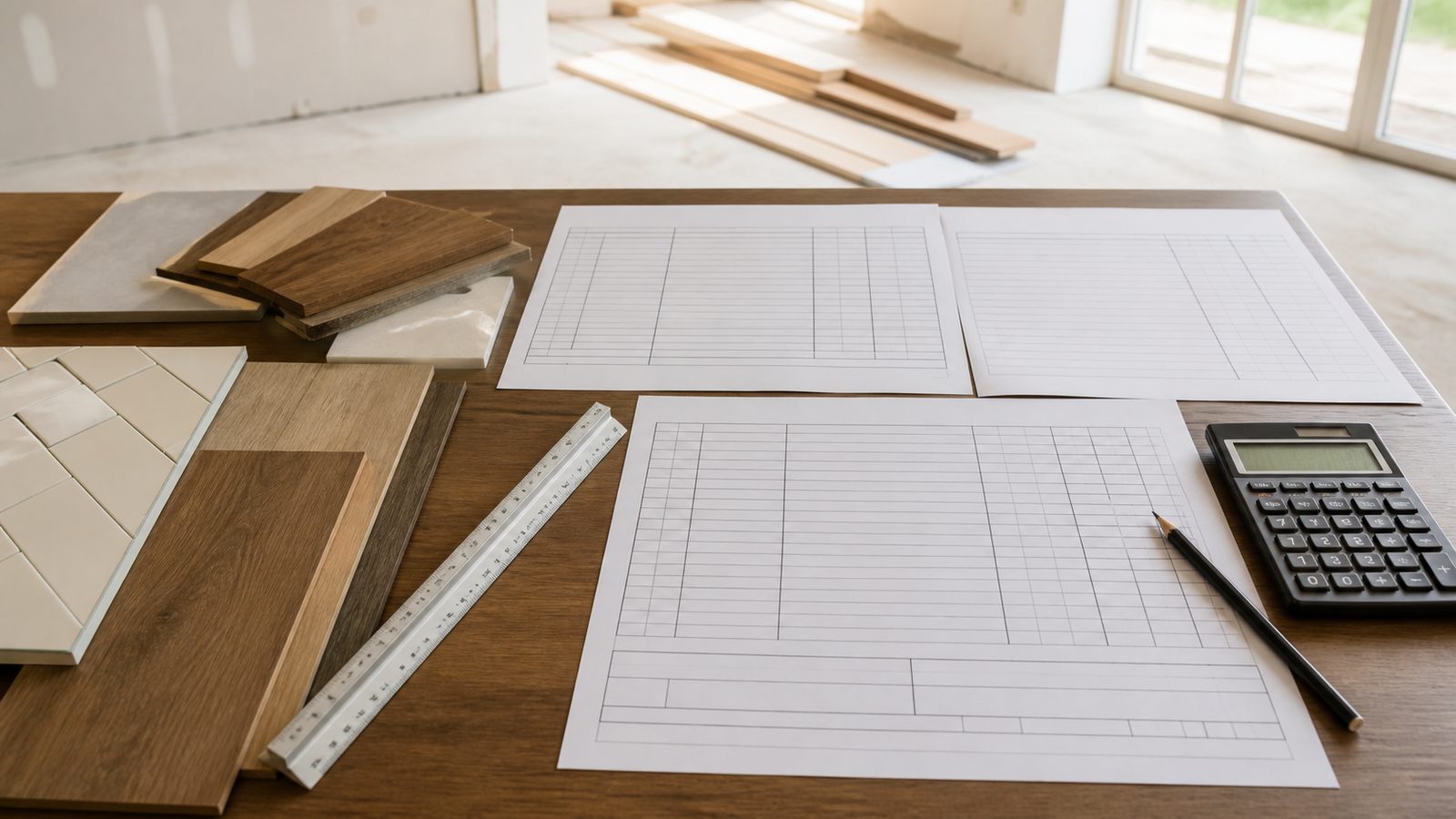
9. Asking for Money Ahead of Work Completed
A payment schedule tied to milestones means you pay when work is done, not before. If a contractor asks for a draw based on "we're about to start the next phase" or "we need to order materials for the next section," compare that request against the work actually completed on site.
Legitimate mobilization deposits — 10–15% upfront to cover permit fees, insurance, and initial material purchases — are normal. Asking for 30–40% before a nail is driven is not. Asking for the third draw before the second-milestone work is complete is a cash flow signal: the contractor is using your project to fund their other jobs. In Florida, this pattern precedes contractor abandonment more often than it resolves itself. Pay only what's been earned, per the milestone schedule in your contract.
JK Prestige Construction's fixed-price contracts, direct principal access, and self-performing crews eliminate most of the problems on this list before they start. Get a written estimate in 48 hours. Call (904) 944-0278 or get a free consultation.
No call center. No coordinator. A JK principal reviews every inquiry and replies with a real number, not a range, not a follow-up form.
Request Free Estimate →