If you're weighing a custom build against a production home from ICI Homes, Mattamy, or Toll Brothers in Jacksonville, the core question isn't which is cheaper. It's what you're actually buying. A production home is a pre-engineered product built to a repeatable plan with commodity trades and an allowance system that almost always favors the builder. A custom home from a builder like JK Prestige Constructor is a purpose-built structure designed around your lot, your program, and your budget — with a fixed price written before a shovel moves. The cost premium is real but smaller than most people expect, and the difference in what you own at the end is significant.
Custom Home Builder Jacksonville FL: What "Custom" Actually Means
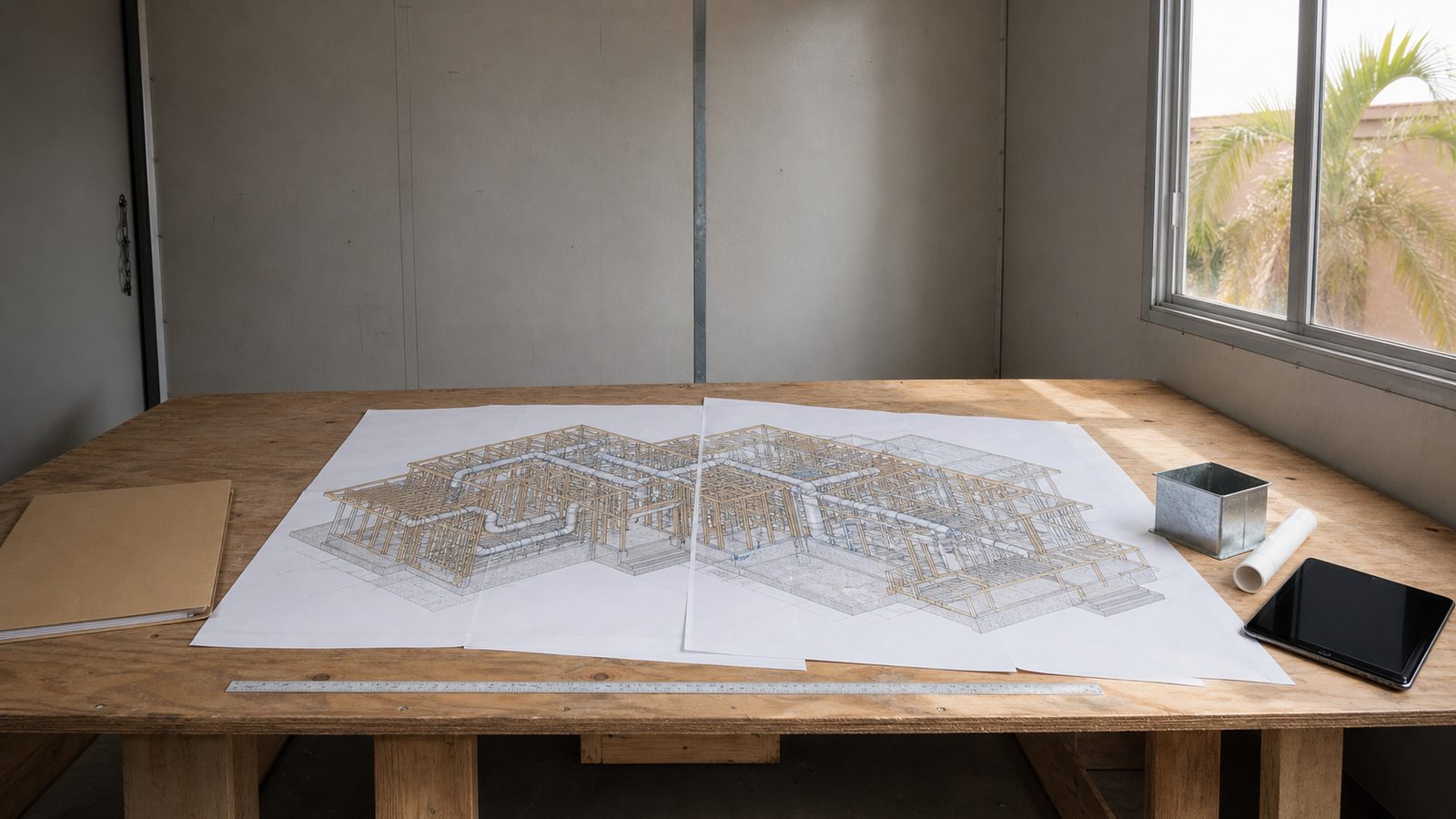
In the Jacksonville market, "custom" gets used loosely. Some builders call it custom if you pick your countertop color from a preset palette. Real custom means the floor plan originates from your program — room count, ceiling heights, flow between spaces, exterior geometry — not from a catalog of five models.
Design flexibility is the first and most obvious difference. Production builders run 4–12 plan variations. They're efficient because they repeat the same framing layout, the same mechanical rough-in, and the same material takeoffs across dozens of units in a single community. That repetition is how they keep base prices low. The tradeoff is that the plan serves the median buyer, not you specifically.
A custom home starts with either your architect's drawings or a design-build process where architecture and construction happen under one contract. At JK Prestige, the architect is integrated into the build from the start — not hired separately and handed off. That matters because conflicts between design intent and construction reality get resolved before they become field decisions made by a framing crew at 6:30 a.m.
Lot-Specific Design in Northeast Florida
Jacksonville's lot inventory varies dramatically. You have deep, narrow lots in San Marco and Avondale historic districts, wide waterfront parcels in Ponte Vedra and Fleming Island, and flood-zone lots throughout Duval County where FEMA base flood elevation requirements add 2–4 feet to finished floor height. A production home plan wasn't drawn for your specific lot. A custom plan is.
Northeast Florida's climate also drives decisions that a standard plan ignores: roof pitch and overhang depth for solar gain control, impact-rated window sizing for Florida Building Code compliance, HVAC system sizing for the actual square footage and orientation of your specific structure.
Spec vs. Allowance vs. Fixed-Price: The Contracts Are Not the Same
This is where most homeowners get surprised — not at contract signing, but 6 months into construction.
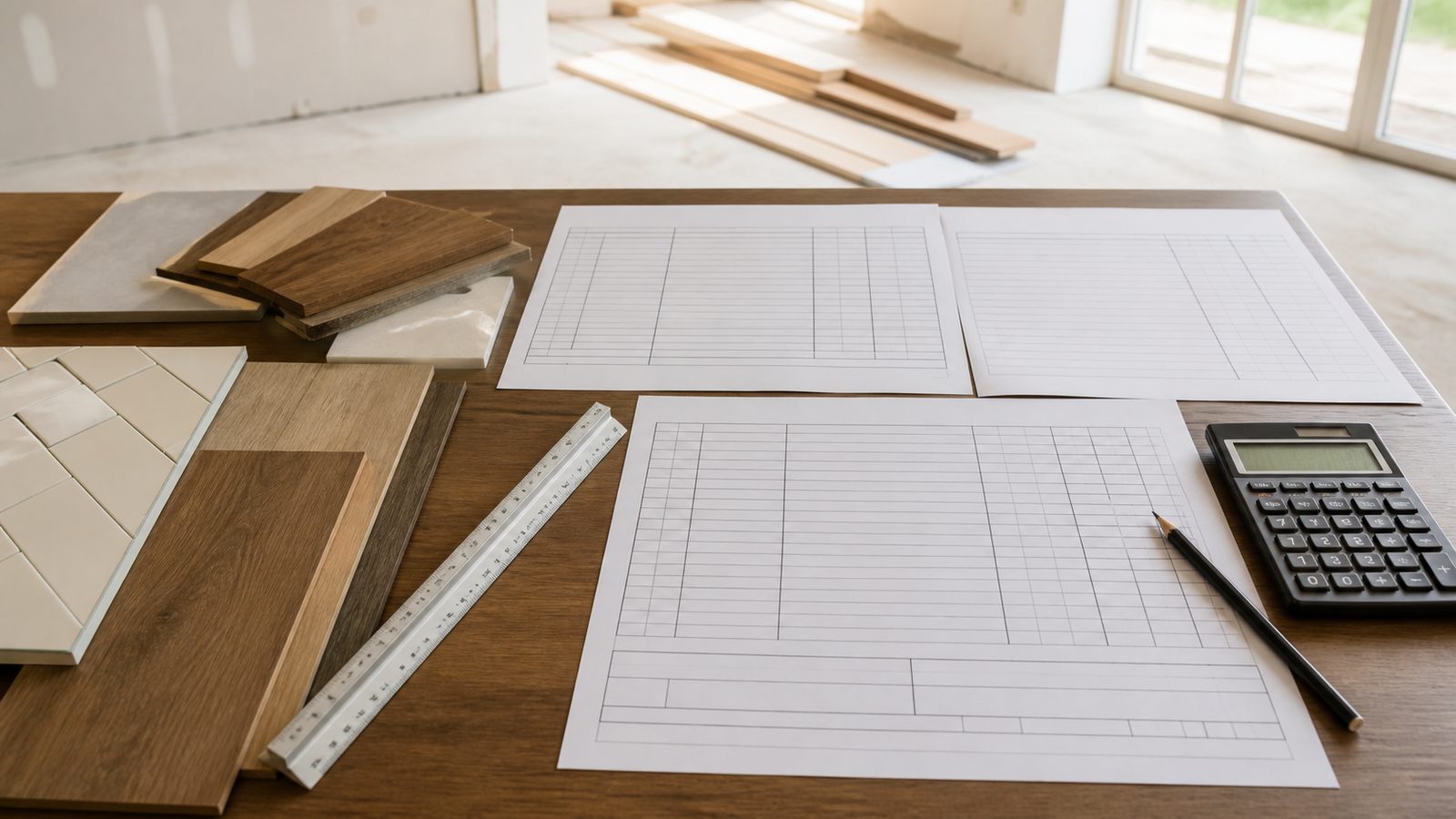
Allowance-based contracts are the standard production home model. The builder sets a dollar amount for each finish category: cabinets, flooring, plumbing fixtures, lighting. If your selections cost more than the allowance, you pay the overage. Production builders set allowances below actual market cost because they make margin on the overage. A $5,000 cabinet allowance in a home where buyers routinely spend $18,000–$22,000 on cabinets is a known gap, not an oversight.
Spec contracts cover some builders' semi-custom offerings. The builder selects materials and you have limited substitution rights. You get predictability on the builder's terms.
Fixed-price contracts are different in one specific way: the price doesn't move unless the scope moves. At JK Prestige, the fixed-price model means every line item is documented before mobilization. If you choose a countertop that costs more than what was spec'd, that's a scope change and it's priced transparently. There are no hidden allowance gaps. The contract is a ceiling, not a floor.
Why Change-Order Theater Happens
Production builders generate margin through upgrades and change orders. It's not a scam — it's how the business model works. The base price gets you in the door; the selections center is where the margin is made. At JK Prestige, there is no selections center theater. The estimate documents what gets built. A written estimate is delivered within 48 hours of the site walk.
Trade Quality: Who Is Actually Swinging the Hammer
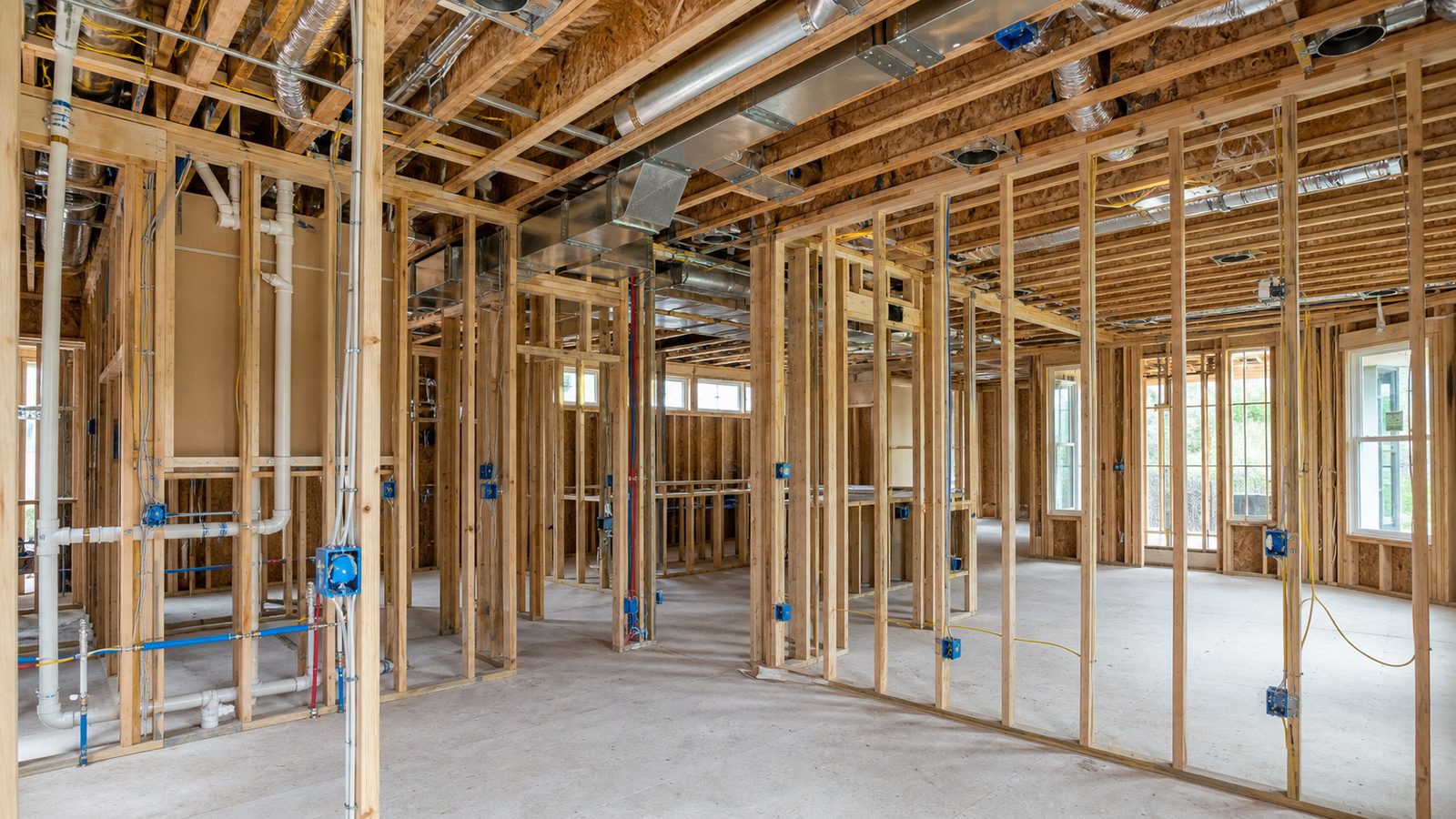
Production homes are built by brokered trade crews. The general contractor (GC) schedules and coordinates; the framing, drywall, and finish carpentry are done by subcontractors who work for multiple builders simultaneously. Their loyalty is to the next job, not to your punchlist.
JK Prestige self-performs framing and finish carpentry with our own crews — not brokered, not managed through a sub. That distinction affects three things:
- Schedule reliability. Our crew shows up because they answer to a JK principal, not to a separate company's foreman.
- Quality at the rough stage. Plumb, square, and level framing affects every downstream trade: drywall tape lines, cabinet installation, flooring transitions. A frame that's out of tolerance by a quarter inch compounds through finish.
- Accountability on the punchlist. When the framing crew and the finish crew are both JK crews, there's no pointing at each other when something isn't right.
All JK supervisors carry OSHA 30 certification. That's not a marketing point — it means the people running our jobsites have documented training in hazard recognition, not just field experience.
Who Supervises the Build
In production construction, the superintendent manages dozens of units simultaneously. Your specific home is one of 40 in a community. The person making field decisions may change mid-project.
At JK Prestige, a named principal is on your project from contract through the one-year warranty period. That principal answers the phone directly — not a coordinator, not a call center. Weekly written reports cover budget variance, schedule status, and open items. Monthly site walks happen with the principal, not a handoff to a super you've never met. That operating model is documented in The JK Way.
What Happens When Something Goes Wrong
This is the real test. In production construction, post-occupancy issues go through a warranty hotline, then a warranty coordinator, then a field tech. The chain has multiple handoffs and no named accountability.
At JK Prestige, the one-year workmanship warranty is handled by the named principal on your project. One call. One person. They know your home because they walked it every month during construction. That's not a policy — it's the operating structure.
The Cost Premium: Smaller Than You Think
Custom homes in Jacksonville cost more per square foot than production homes. That's real. The question is how much more, and what you're comparing.
Production builders publish base prices but they're rarely what buyers actually pay after upgrades, lot premiums, and structural options. A $450,000 base price for a 2,400 sqft home becomes $580,000–$640,000 after most buyers finish at the selections center. That's $240–$267/sqft in a market where comparable custom builds with fixed pricing run $350–$450/sqft for standard custom and $550–$700/sqft for luxury finishes with smart home integration.
The gap narrows further when you account for what the custom home includes: lot-specific design, OSHA-trained crews, self-perform framing, VDC/Building Information Modeling (BIM) coordination on projects over $2M, and principal-direct accountability through year one.
See past JK Prestige projects including the 11,200 sqft Hollowbrook Estate delivered in 2024 — that scale is at the top end. Most Jacksonville custom homes run 2,800–5,500 sqft and are completed in 10–16 months depending on complexity.
Making the Decision
The right choice depends on what you value. If speed, a known community, and a lower entry price are the priority, production construction delivers that reliably. If you have a specific lot, a specific program, or you want to know exactly what you're paying and why — without an allowance gap waiting for you at selections — custom is worth the premium.
Get a written custom home estimate in 48 hours. contact JK Prestige Constructor. There is no obligation and no upcharge for the estimate.
No call center. No coordinator. A JK principal reviews every inquiry and replies with a real number, not a range, not a follow-up form.
Request Free Estimate →