Most commercial construction projects in Florida are delivered through a process called design-bid-build: the owner hires an architect, the architect produces a design, and then the owner puts that design out to bid. The GC who wins the bid builds what the architect designed. Two contracts. Two parties. Two sets of incentives that aren't always aligned.
Design-build is a different delivery model: one contract covers both design and construction. The GC and the architect work together from the earliest programming phase. The owner has a single accountable party from concept through certificate of occupancy (CO).
Which model is right for a specific commercial project depends on what the owner knows, what they can't know yet, and how much schedule risk they're willing to carry. This post explains both models, when design-build outperforms the traditional approach, and what it means to select a GC with an integrated design-build capability.
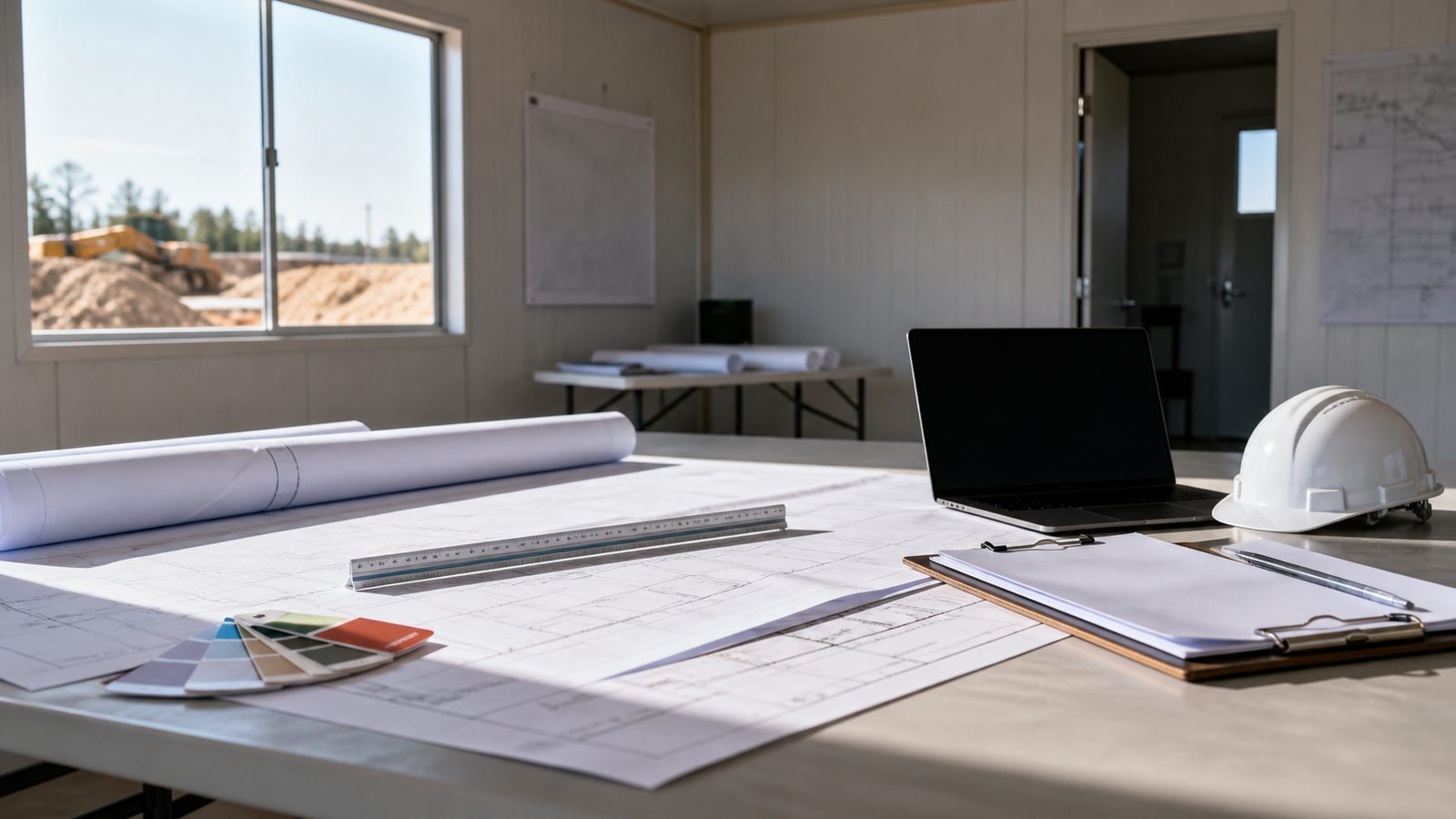
How Design-Bid-Build Works — and Where It Fails
In design-bid-build, the architect's job is to design the building the owner wants. The GC's job is to build what's on the plans. These are separate contracts with separate obligations, and the adversarial dynamic between them is one of the structural problems with the traditional model.
When the architect designs something that is difficult or expensive to build — an unconventional structural connection, a specialty MEP routing that conflicts with the architectural ceiling, a curtain wall detail that requires a specialty fabricator — the GC encounters the problem after the bid and issues a change order. The change order is not necessarily bad faith; it's a structural consequence of the GC never being in the room when the design decision was made.
By the time a commercial project gets to the bid phase in design-bid-build, the design is typically 90–100% complete. Changing it to address constructability issues is expensive at that stage. The change order is the mechanism for recovering that cost — and it comes out of the owner's budget.
The Two-Contract Problem
Beyond change orders, design-bid-build creates a fundamental accountability gap: when something goes wrong, the architect points to the contractor and the contractor points to the architect. The owner is in the middle, paying for a dispute they didn't create, between parties whose contracts give them no incentive to resolve it quickly.
A waterproofing failure that could be an architectural specification issue, a GC execution issue, or a product installation issue generates weeks of investigation, finger-pointing, and delay before anyone takes responsibility. In design-build, that investigation has one answer: the design-build GC is responsible, full stop.
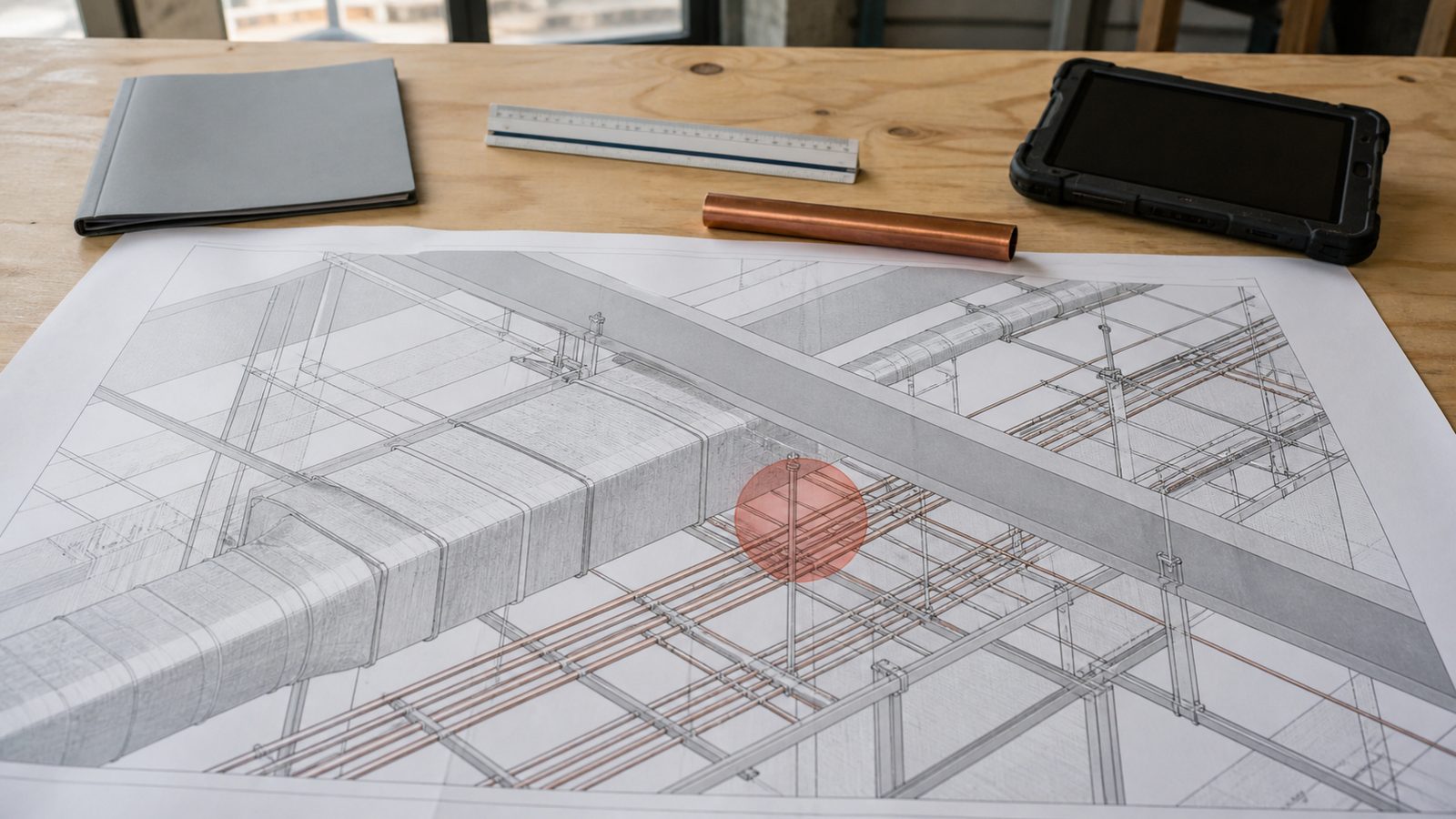
How Design-Build Works
In a design-build delivery, the owner contracts with a single entity — the design-builder, typically a GC with an integrated architectural capability — for both the design and construction of the project.
The design-builder assigns an architect (either on staff or through a retained design partner) who works directly with the GC's construction team from day one. The framing superintendent is in the schematic design review, flagging constructability issues before they become drawings. The MEP coordinator is in the design development review, routing ductwork before it conflicts with structure on a set of half-finished drawings.
This integration produces three measurable outcomes:
1. Fewer change orders. Constructability issues are caught during design, not during construction. The design-build team designs what they know how to build efficiently, not what looks good on a drawing.
2. Faster schedule. Design-build allows construction to begin while design is still in progress. A GC can begin site preparation, mobilize long-lead material procurement, and start foundation work before the full architectural drawing set is complete — because the GC is part of the design team and knows where it's going.
3. Single point of accountability. One contract. One phone call when something doesn't go right. No architect-vs.-GC dispute for the owner to mediate.
When Design-Build Works Best
Design-build is most effective when the owner knows what they want functionally but not yet architecturally.
An owner who says "I need 8,000 square feet of office space for 45 people, with a conference center, a server room, and a client-facing reception area, and I need to be operational in 10 months" is a design-build candidate. They know what they need the building to do. They don't have an architect's vision for how the space should look.
A design-build GC takes that functional brief, creates a schematic design that meets it, validates the design against the budget, and builds it. The owner reviews and approves the design at key milestones, but they're not managing the architect-to-GC handoff. That's the design-builder's job.
Design-build works less well when the owner has a specific architectural vision that requires a design process independent of construction constraints — when the architecture is the point, not just the container for a business function. High-end retail flagships, institutional landmarks, and trophy office buildings sometimes require the design freedom of a separate architecture firm working without constructability constraints. In those cases, design-bid-build or a modified design-assist model may be more appropriate.
Design-Build vs. Design-Assist
A middle ground exists: design-assist, where the owner separately hires an architect but brings the GC into the design process early (typically at design development) to advise on constructability and budget. The GC doesn't hold the design contract, but they're in the room before the drawings are complete. This model captures some of the constructability benefit of design-build without requiring a single-contract structure.
Florida Licensing Requirements for Design-Build
Design-build in Florida has specific licensing requirements. A GC offering design-build services must be properly licensed — the Florida Department of Business and Professional Regulation (DBPR) requires that the design-builder either:
- Hold a valid GC license and have a licensed architect or engineer as a qualifying agent on the design-build entity, or
- Contract with a separately licensed architect or engineer and disclose that arrangement to the owner in the design-build contract
A GC who offers "design-build" without an appropriate licensed design professional in the structure is not legally offering design-build — they're offering unlicensed architectural services, which is a violation of Florida Statute 481. Verify the design professional's license on the DBPR website before signing a design-build contract.
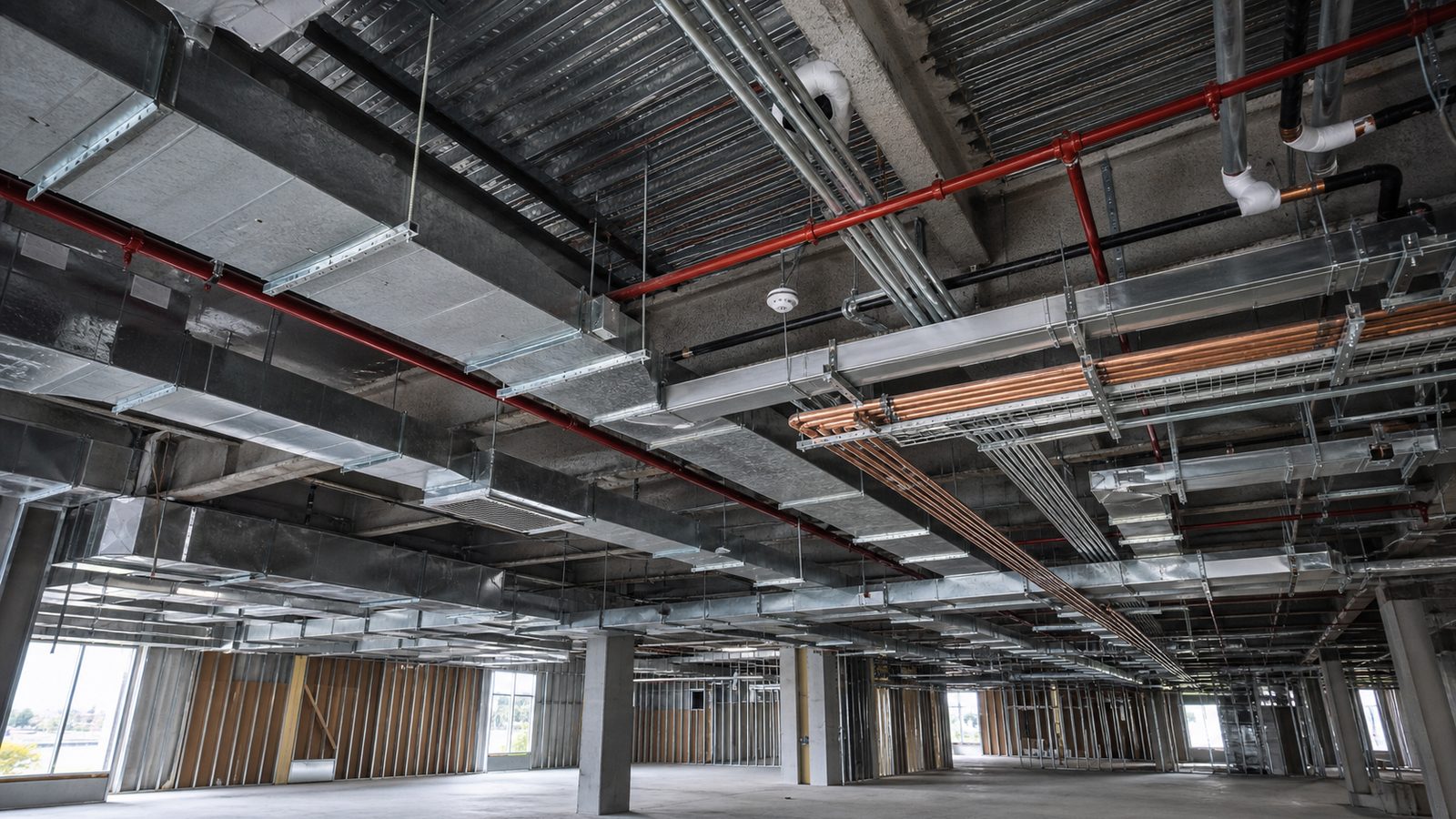
How JK's Architect-Integrated Design-Build Works
JK Prestige's design-build model for commercial projects starts with a programming session — a structured meeting where the principal, the architect, and the owner define the functional requirements of the space before any drawings are made.
From that session, JK produces a pre-construction feasibility study that includes:
- A schematic floor plan at approximately 1/8" scale
- A preliminary Guaranteed Maximum Price (GMP) estimate based on the schematic
- A project schedule from design start through CO
- Identification of any long-lead items that affect schedule
The feasibility study is provided for a pre-construction fee, credited in full against the construction contract at signing. The owner is not paying for a design they can't use — they're paying for a buildable, priced project that they can decide to proceed with or not.
Once the owner approves the feasibility study and signs the construction contract, JK's crews — self-perform framing, drywall, and finish carpentry — execute against a design that was built for how JK builds. No constructability surprises. No change orders for issues the architect didn't anticipate.
See the JK Way for the full delivery model, including fixed-price contract structure and principal communication protocol. For commercial design-build projects in Jacksonville, visit JK's commercial expertise page.
Get a free written estimate in 48 hours. contact JK Prestige for your commercial design-build project. Call (904) 944-0278. A principal answers.
No call center. No coordinator. A JK principal reviews every inquiry and replies with a real number, not a range, not a follow-up form.
Request Free Estimate →