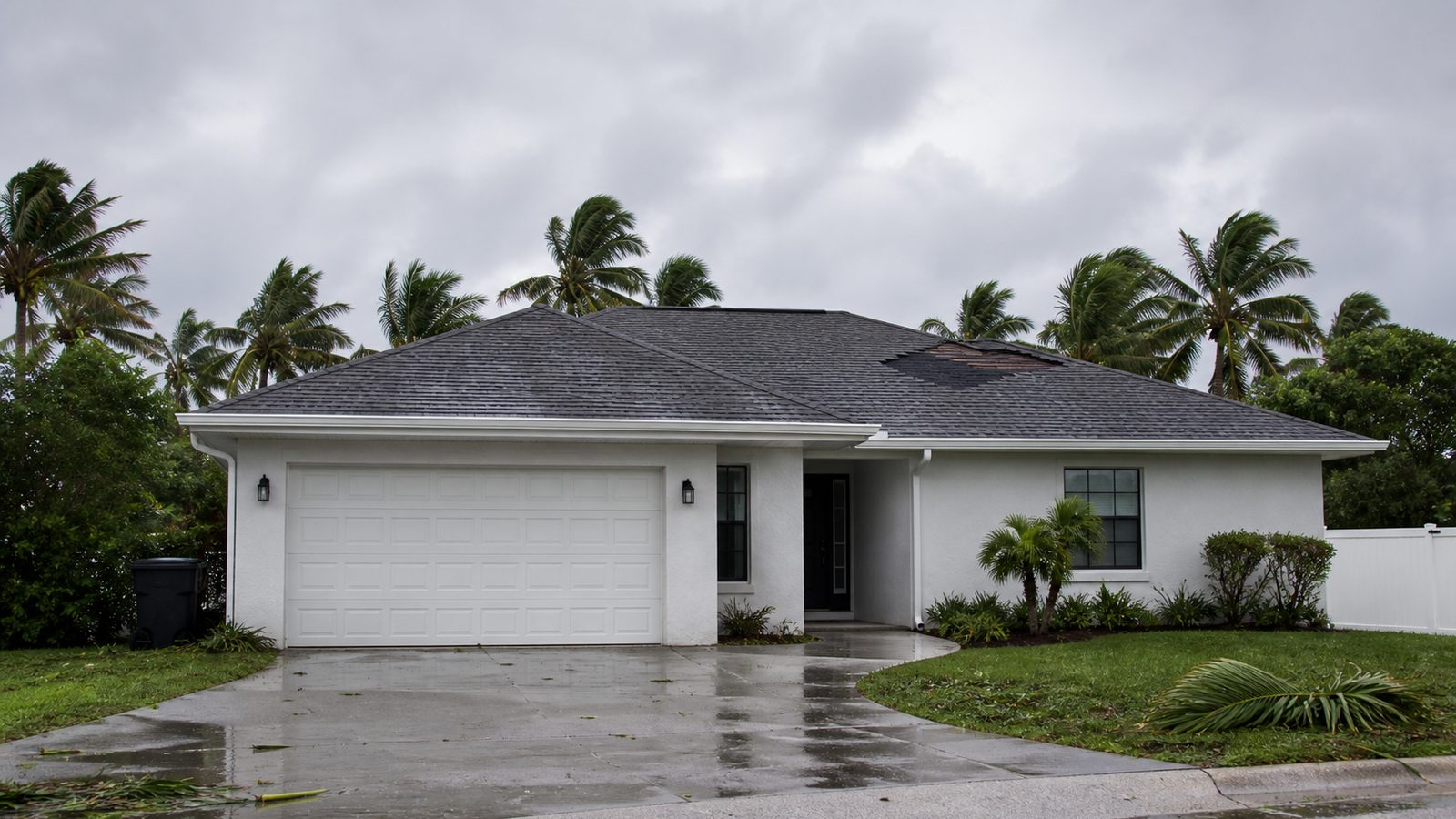
After a storm tears your roof open, you have a narrow window to prevent the damage from compounding. Emergency tarping within 24 hours stops active water intrusion. Miss that window, and mold growth begins within 48 to 72 hours — and your insurance company will notice. JK Prestige Constructor's roofing division responds to emergency tarp calls 24 hours a day, 7 days a week across Jacksonville and Duval County.
Here's what you need to know: what proper tarping involves, what to document before the crew arrives, and what tarping does and does not accomplish.
Why Timing Matters for Emergency Roof Tarp in Jacksonville FL
Jacksonville's climate creates a specific problem after storm damage. High humidity — regularly above 70% even in winter — means that any water that penetrates a breached roof deck finds an environment where mold spores activate fast. The U.S. Environmental Protection Agency documents mold colonization beginning within 24 to 48 hours of water exposure in humid conditions. In North Florida summers, that clock runs faster.
Beyond mold, secondary water damage compounds quickly:
- Saturated insulation loses R-value and holds moisture against the decking for days after the storm clears
- Wood decking begins to soften and delaminate once moisture content exceeds 19%
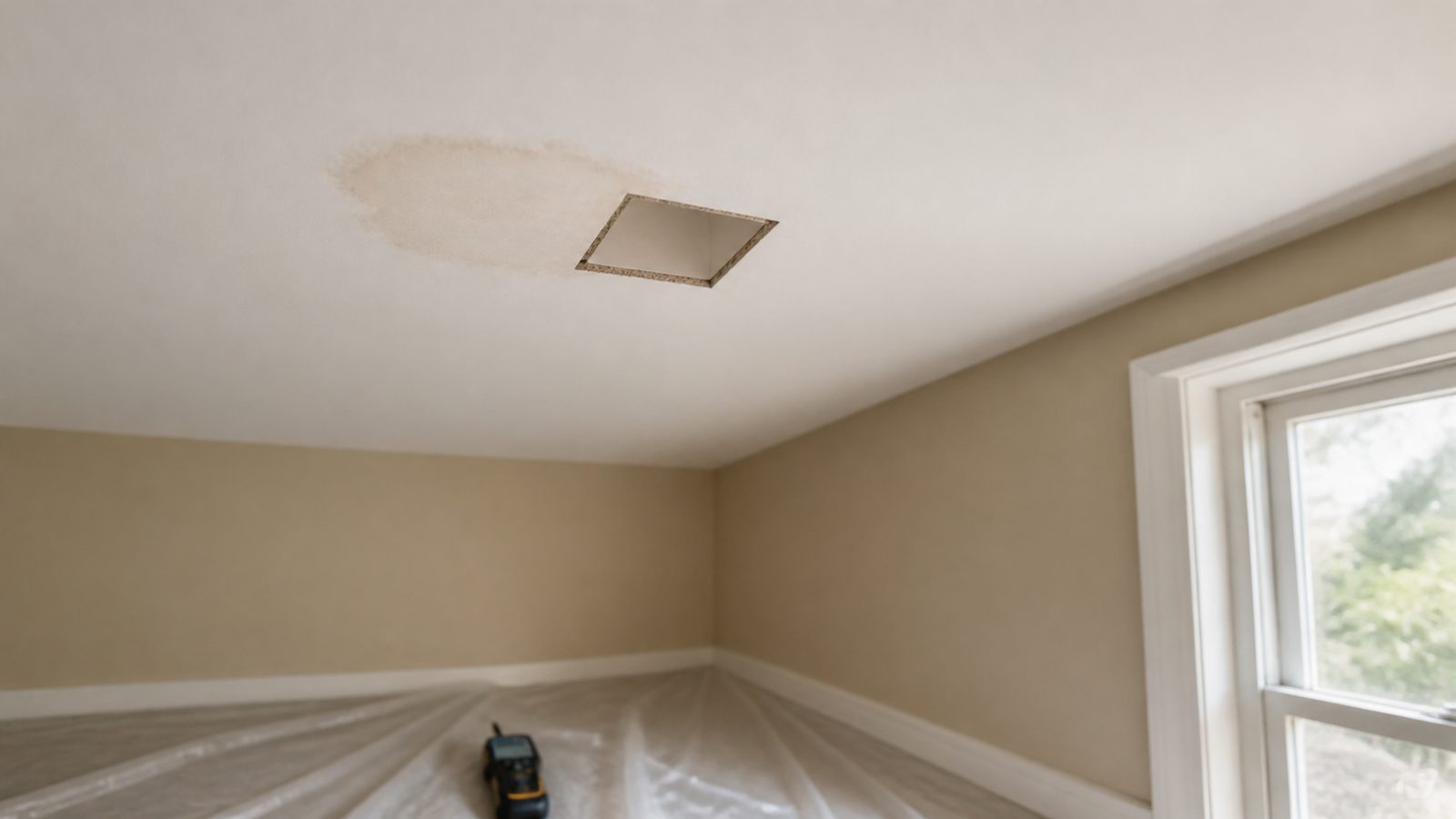
- Drywall ceiling panels can collapse within hours of heavy saturation
- Electrical systems in the attic — junction boxes, recessed lighting, HVAC equipment — face short-circuit risk from running water
The longer an open roof sits without temporary protection, the larger the remediation scope becomes.
What Insurance Companies Look For
Florida homeowner's insurance policies include a duty to mitigate clause. This means you, as the policyholder, are required to take reasonable steps to prevent additional damage after a covered loss. If an adjuster later determines that damage occurring after the storm event — mold, additional structural decay, interior finishes — resulted from failure to tarp promptly, that portion of the claim can be denied.
Keep the receipt. The cost of emergency tarping is typically covered as a direct expense under your dwelling coverage. A JK principal walks you through what to document before we deploy the crew.
What a Proper Emergency Tarp Actually Involves
A hardware store tarp secured with bricks or scrap lumber is not a proper emergency tarp. It lifts in the next wind gust, it does not seal penetrations, and an insurance adjuster will photograph it.
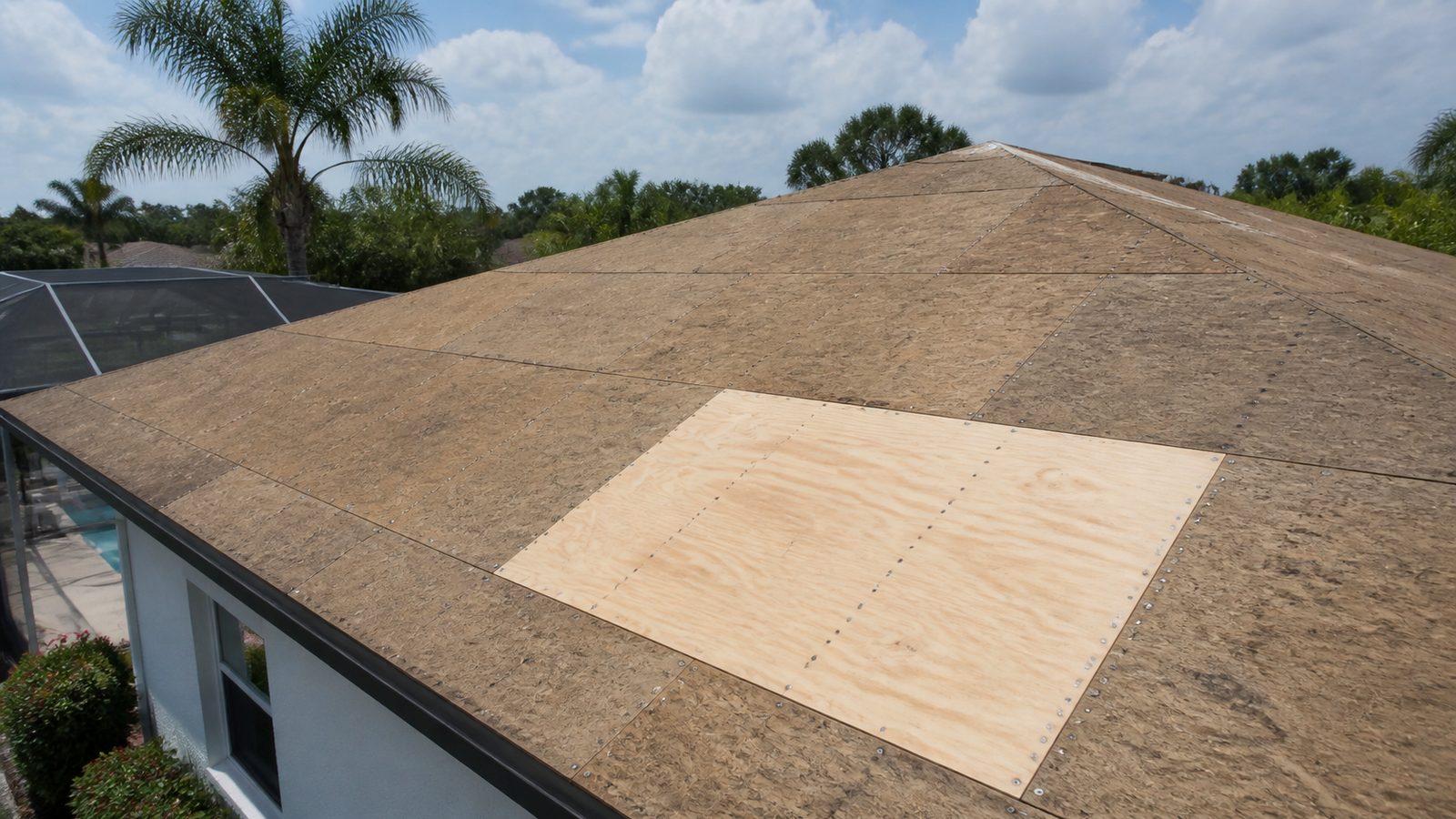
A professional emergency tarp installation uses 6-mil polyethylene sheeting — not consumer-grade blue poly — installed with the following methods:
- Measurement and staging. The crew measures the compromised area, adding a minimum 4-foot overlap on all sides beyond the damaged section.
- Deck fastening with furring strips. The tarp is secured using 2x4 furring strips screwed into the decking at regular intervals — not stapled, not taped. This holds against wind uplift up to the Florida Building Code (FBC) design speed for Duval County.
- No penetrations through serviceable material. Fasteners go only into damaged decking, not into undamaged shingles or membrane. This prevents creating new leak paths.
- Ridge attachment. The tarp runs over the ridge line and is secured on the opposite slope to prevent water from running behind the tarp at the peak.
- Perimeter seal. Open edges are folded and weighted or mechanically fastened to prevent wind-driven rain from getting under the sheet.
The goal is a tarp that does its job through the next rain event, not just the next 12 hours. JK's emergency tarp crews carry materials rated for this — not what's sitting in the back of a pickup.
See our full roofing division capabilities, certifications, and residential services.
What to Document Before the Tarp Goes Up
Once the tarp is in place, documenting the underlying damage becomes difficult. Your insurance adjuster needs photographic evidence of the roof in its storm-damaged state. Before our crew covers the breach, take the following steps:
- Photograph from the ground first. Ground-level images establish the condition of the roofline, ridge, and affected sections before any work begins.
- Photograph from inside the attic. If it is safe to access, attic photos showing daylight through the decking or water-stained rafters are powerful claim documentation.
- Do not move debris. Branches, shingles, or other storm debris sitting on or near the affected area tell the adjuster what happened. Leave it until photographed.
- Note the date and time stamps on all photos — phone metadata does this automatically, but verify your camera clock is set correctly.
- Save any storm-related communications. Weather service alerts, neighbor photos from social media, and local news reports all corroborate your loss date.
JK's 24/7 emergency response includes an insurance adjuster liaison service. We work directly with your adjuster, provide a written damage assessment, and document the condition of the roof before and after tarping — so the claim file reflects actual storm damage, not a compromised scene.
Book your free 24-point roof inspection and written report — available after emergency tarping to establish a full scope of needed repairs.
What Emergency Tarping Does Not Do
This is a point where homeowners get into trouble: a properly installed emergency tarp is temporary protection, not a repair.
The tarp does not:
- Repair fractured or missing decking
- Replace damaged rafters or structural members
- Stop water that is already inside the wall cavities or insulation
- Address damage to gutters, fascia, or soffits
- Satisfy your insurance company's requirement for permanent repair
Most insurance policies require permanent repairs to be completed within a defined window — often 30 to 90 days — or they reserve the right to reassess. A tarp buys time. It does not restart that clock indefinitely.
Once the emergency is controlled, JK transitions directly to a full damage assessment. We are a general contractor (GC) with a self-perform roofing division — meaning our roofing crew and our framing crew are under the same contract. When decking replacement, rafter repair, and new shingles or membrane are all needed, one principal manages the scope from tarp to final inspection. No handoffs.
JK Prestige's 24/7 Emergency Tarp Response
JK Prestige Constructor's roofing division covers Jacksonville and the surrounding Duval County area. Emergency tarp calls are handled by a principal — not a dispatch service, not an answering machine. When you call (904) 944-0278 after a storm, you get a person who can tell you when the crew arrives.
What the emergency response covers:
- Dispatch within 2 hours of call confirmation for active storm-damage events
- 6-mil polyethylene tarping with furring strip fastening — FBC-compliant wind attachment
- Pre-tarp photo documentation for your insurance file
- Written damage assessment delivered after installation
- Insurance adjuster liaison coordination at no additional charge
- 24-point follow-up inspection scheduled within 48 hours of tarping
Emergency tarp installation is priced separately from the repair scope. We provide the tarp cost in writing before the crew starts. No open-ended billing.
Review our delivery process and what our year-one warranty covers.
No call center. No coordinator. A JK principal reviews every inquiry and replies with a real number, not a range, not a follow-up form.
Request Free Estimate →