A framing subcontract that reads "framing per plans and specifications" is not a subcontract. It's a promissory note for a change-order fight.
Every ambiguity in the framing scope — who supplies the LVL beams, who installs the hurricane straps, who is responsible for blocking at cabinet locations — becomes a negotiation after the project is underway. Those negotiations cost money, time, and the working relationship between the GC and the sub.
A line-item scope sheet eliminates those negotiations before work starts. If a framing sub can't produce one, that inability tells you something important about how they run their business. It also tells you exactly what the dispute is going to be about six weeks into the project.
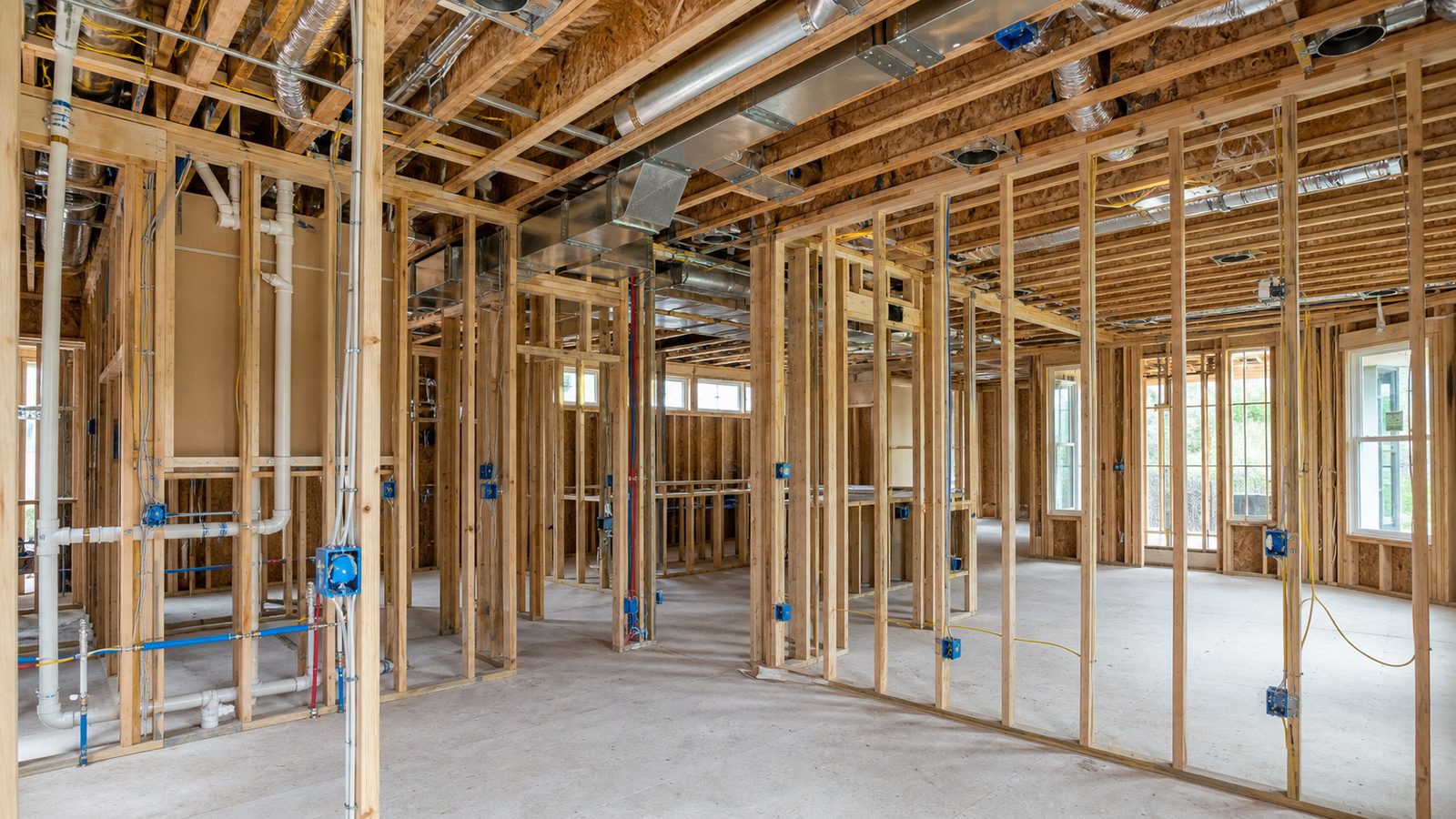
What a Verbal Scope Creates Downstream
The LVL beam dispute
Engineered lumber — Laminated Veneer Lumber (LVL) beams, PSL posts, LVL rim boards — is material the structural engineer specifies on the plans, but its procurement and installation responsibility is frequently ambiguous in a verbal or vague framing scope.
The sub says the GC was supposed to supply the beams as an owner-furnished material. The GC says the framing sub's bid included all framing materials. Neither party has a signed document that resolves it. The beams sit un-ordered while the argument continues, and the MEP rough-in behind framing is delayed two weeks.
A line-item scope sheet resolves this: "Engineered lumber (LVL beams, PSL posts): furnished and installed by framing sub per structural engineer's schedule, pages S-101 through S-104."
The blocking dispute
Cabinet blocking — 3/4" plywood backing installed behind drywall at kitchen cabinets, bathroom vanities, TV mounts, and grab bar locations — is not on most architectural drawings as an explicit framing note. It's either in the specifications or it's assumed.
If the framing sub's scope doesn't include blocking, they walk off the job when their framing is done and the blocking hasn't been installed. The GC either pays the framing sub extra to come back, pays a different carpenter, or installs it with their own crew. It's a $5,000 to $20,000 dispute depending on project scope — entirely preventable with one line item.
The shear panel dispute
On wood-frame construction in Florida, engineered wood shear panels (structural panels specified to resist lateral loads from wind) are typically installed by the framing crew. But if the framing scope only says "stud framing per plans," and the structural drawings call for special nail patterns, blocking at panel edges, and adhesive requirements that differ from standard sheathing, the framing sub will claim those special requirements are extra scope.
A line-item scope sheet that specifies "structural shear panels per S-301, including blocking at all panel edges, adhesive per structural notes, and nailing pattern verification" eliminates the claim.
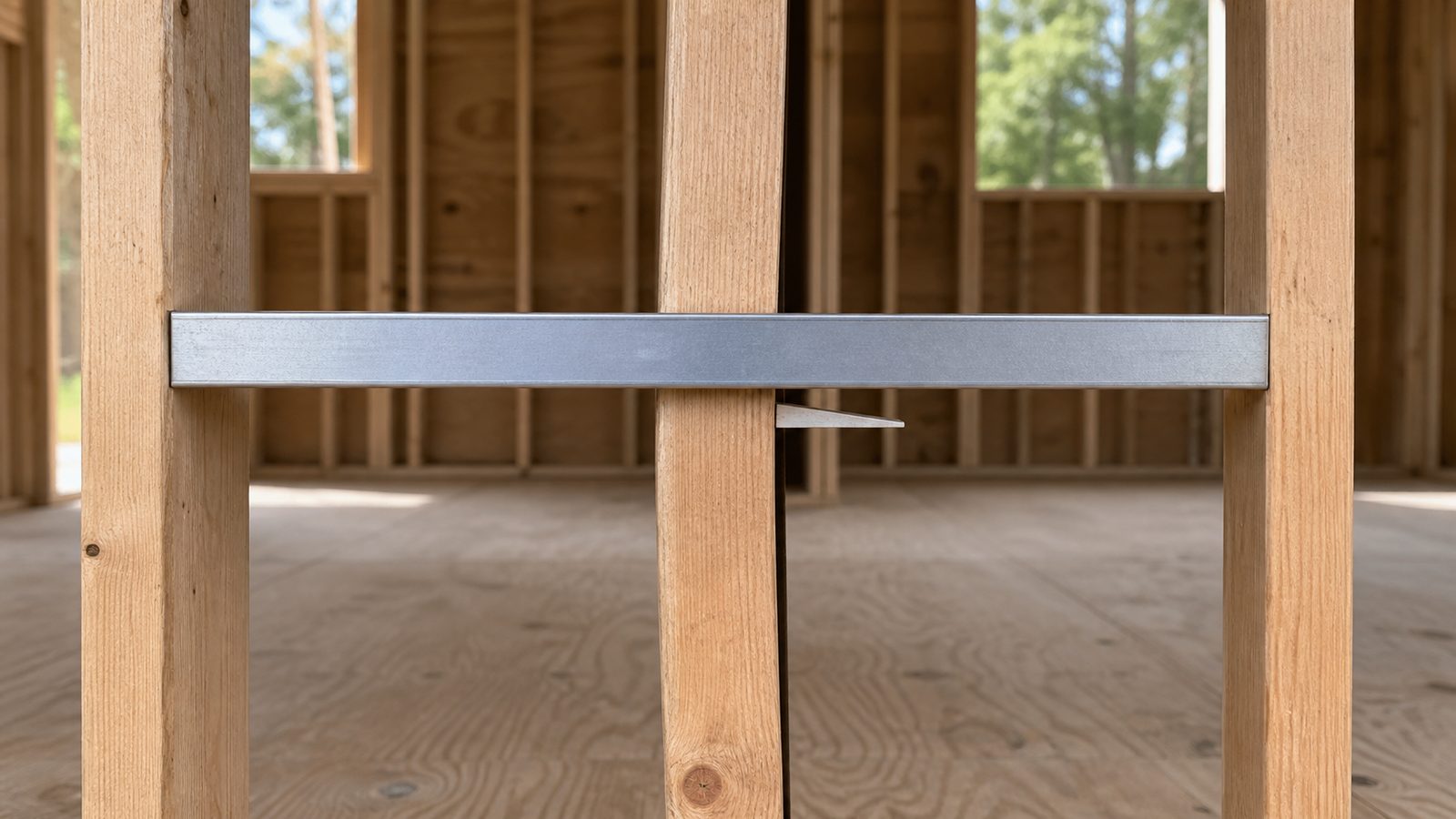
What a Complete Framing Scope Sheet Must Include
The following items should be explicitly stated as either included or excluded in every framing subcontract. Silence creates a dispute.
Structural framing elements
- Stud sizes and spacing (2x6 at 16" OC, 2x4 at 16" OC, steel stud gauge and spacing if applicable)
- Plate sizes: single, double, or triple top plates per structural drawings
- Header sizes at all openings: per structural schedule or per code minimum
- LVL beams, PSL posts, and engineered lumber: furnished and installed by framing sub, or owner-furnished materials installed by sub
- Rim boards and band joists: species, size, and fastening pattern
- Stair framing: included or excluded; if included, stair details (rise, run, stringer count)
Sheathing and panels
- Roof sheathing: thickness, OSB or plywood, nailing schedule
- Wall sheathing: thickness, OSB or plywood, exposure rating
- Structural shear panels: location, nailing pattern, blocking at panel edges
- Floor sheathing: subfloor thickness, species, adhesive application (glued-and-nailed)
Connectors, straps, and anchors
- Hurricane straps and rafter ties: manufacturer and product specified; installed by framing crew
- Hold-down anchors: installed by framing crew or by concrete sub (needs to be explicit if slab is involved)
- Post-base connectors: included; verify connection to foundation is coordinated with concrete scope
- Joist hangers: installed by framing crew for all floor framing connections
Blocking
- Cabinet blocking: 3/4" plywood at all cabinet, vanity, and TV mount locations per owner's blocking plan (or by a specified blocking schedule)
- Grab bar blocking: 3/4" plywood at all ADA grab bar locations per accessibility drawings
- Soffit framing: included or excluded; if included, verify dimensions against MEP coordination
- Beam pockets and ledger blocking: included; coordinate with concrete or steel scope
Temporary work
- Temporary bracing: framing sub responsible for all temporary bracing of walls and structural elements until permanent connections are made
- Weather protection: if owner requires tarping or poly sheeting to protect framing from rain during construction, state whether this is the framing sub's responsibility or the GC's
Code compliance and inspection
- Building department framing inspection: framing sub is responsible for producing a framed structure that passes the framing inspection; any re-inspection caused by framing deficiency is at the framing sub's cost
- Special inspections: if the structural engineer requires special inspections (shear panel nailing, moment frame connections), the framing sub must be present and provide access; cost of inspection itself is [GC or owner — specify]
Cleanup
- Daily debris removal from framing operations within the work zone
- Lumber drops and cutoffs: removed from work zone daily; final cleanup at completion of framing scope

What to Demand Before Signing a Subcontract
Present any framing sub with this scope sheet requirement before you open their bid. Tell them you'll award to the sub who returns the most complete line-item scope, not necessarily the lowest number.
Subs who can produce a complete scope sheet are subs who have done this before. They've been in the disputes. They've had the arguments about who was supposed to install the hurricane straps. They've built their scope sheets to prevent those fights.
Subs who can only produce a single-line bid have either not been in those fights yet, or they've been in them and they want to stay in them — because loose scope is profitable scope.
A signed line-item scope sheet, incorporated by reference into the subcontract, converts a framing bid into a binding scope document. It's the single most effective tool a GC has to prevent cost disputes on the back half of a framing package.
JK Prestige provides a complete line-item scope sheet for every framing package we bid as a trade sub for GC partners. The sheet is specific to the project drawings and specifications — not a generic template. Request our trade packet to see an example scope sheet from a completed commercial framing package.
See how JK structures trade partnerships from scope clarity to closeout
No call center. No coordinator. A JK principal reviews every inquiry and replies with a real number, not a range, not a follow-up form.
Request Free Estimate →