A standalone roofing contractor does the roof and hands off. That works fine when the scope is a clean re-roof on an unoccupied building with no structural issues, no HVAC penetrations, and no interior damage. That describes a fraction of commercial roofing projects in Jacksonville.
In most commercial roofing situations — particularly on older buildings, buildings that have experienced storm damage, or buildings where rooftop HVAC units are being replaced — the scope doesn't stop at the membrane. The roof connects to the building. The building connects to occupied interior space. When the scope crosses that line, a standalone roofer stops and a second contractor has to start.
The gap between where one contractor stops and another starts is where cost overruns happen, where warranty disputes originate, and where schedule slips.
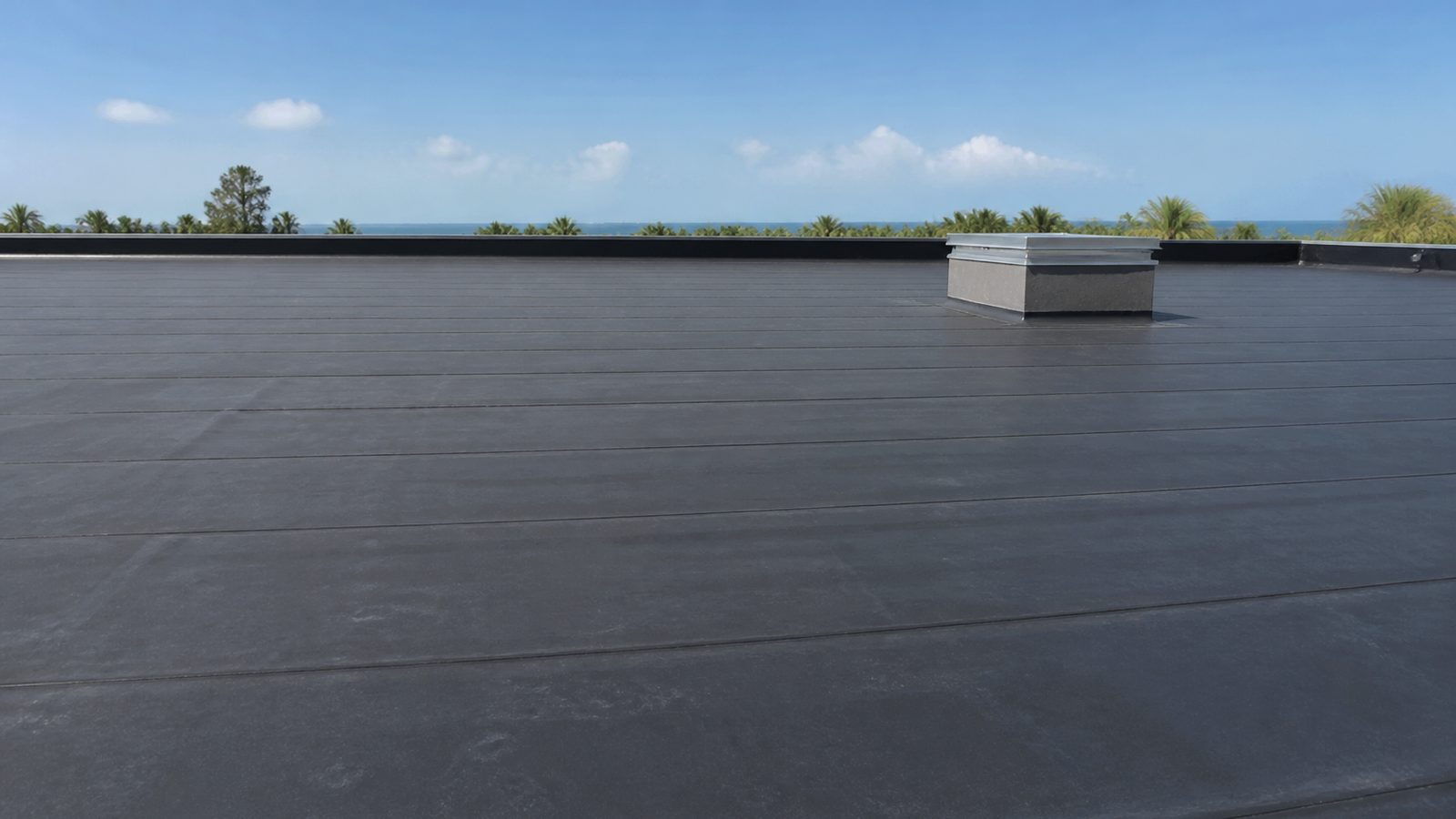
Where Standalone Roofers Stop
A standalone roofing contractor's licensed scope in Florida is defined by their Roofing Contractor license (license type CCC). That scope includes the roof membrane, flashing, insulation above the deck, and associated waterproofing systems. It does not include:
- Structural deck repair (a separate carpenter or general contractor scope)
- Interior ceiling and wall repairs from water intrusion
- HVAC curb modifications or mechanical work at rooftop penetrations
- Facade work — parapet waterproofing, exterior wall repairs, storefront or glazing that interfaces with the roofline
- General construction required to access the roof from the interior (cutting through a ceiling, removing mechanical equipment)
When a commercial roof project involves any of these items — and in Jacksonville, the combination of aging building stock, hurricane-season wind events, and high humidity means they frequently do — the standalone roofer completes their scope and leaves. The owner is now responsible for finding and coordinating a separate GC to handle the rest.
What That Coordination Cost Looks Like
Finding a second contractor after the roofer has finished means:
- A new bidding cycle for the interior and structural work — adding two to four weeks at minimum
- A scope gap between what the roofer documented (this is what I waterproofed) and what the GC inherits (this is what I found when I opened the ceiling)
- A warranty dispute waiting to happen: if water reappears in 18 months, the roofer says the GC damaged their membrane during interior work, and the GC says the roofer's membrane was deficient
- No single party responsible for the complete outcome
That warranty dispute scenario is not hypothetical. It's the inevitable result of two contractors sharing a scope boundary in a location — a commercial roof — where field conditions change between when one contractor finishes and another starts.
What GC-Backed Roofing Covers in a Single Contract
When JK Prestige handles a commercial roofing project, the roofing division is part of the general contracting entity — not a separate company operating under a standalone roofing license. One contract covers:
Roof membrane system: TPO, Ethylene Propylene Diene Monomer (EPDM), modified bitumen, PVC, or standing seam, depending on specification. JK holds manufacturer certifications from Carlisle SynTec and Firestone, and installs per the manufacturer's standard for warranty eligibility.
Rooftop penetrations: HVAC curb modifications, pipe penetrations, and equipment pads are coordinated with the membrane installation, not sequenced after. A rooftop HVAC replacement that changes the curb configuration — a common situation when aging HVAC units are replaced with new units of different dimensions — is handled in a single mobilization.
Structural deck repair: If the deck beneath the membrane shows rot, corrosion, or structural deficiency, JK's own crews repair or replace the deck before the new membrane is installed. No second contractor, no scope gap, no rescheduling.
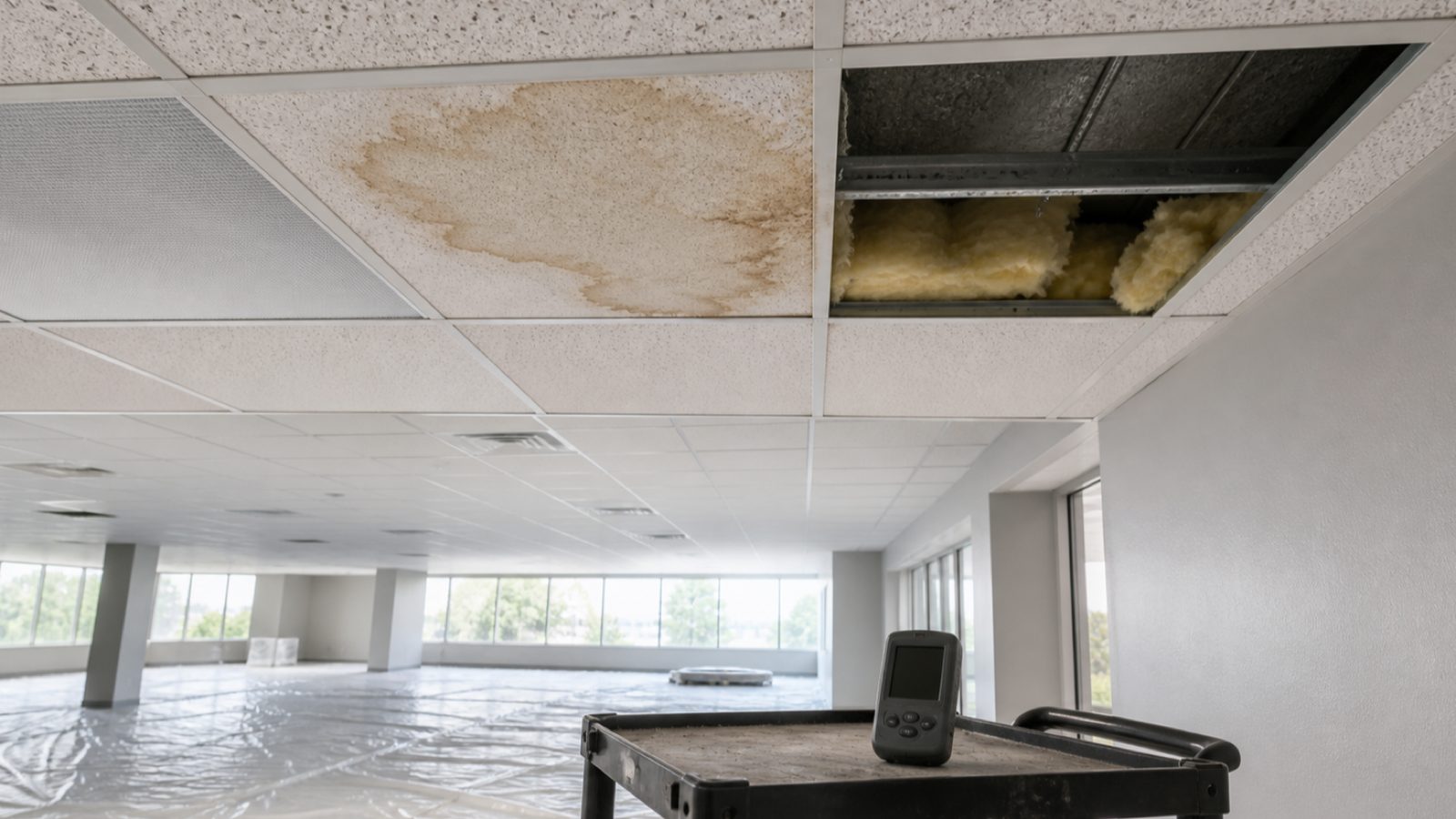
Interior water damage remediation: If the failing roof drove water into the building — which is the most common presenting condition on an emergency roof call — JK's GC crews handle the interior: removing and replacing water-damaged ceiling tile, drywall, or insulation; drying the structure before enclosure; and restoring the interior finish to match the existing condition.
Facade interface work: Many commercial buildings in Jacksonville have a parapet wall or facade element that interfaces directly with the roofline. Proper waterproofing of the roof-to-facade transition requires coordinated work on both the roof membrane and the facade surface. A standalone roofer waterproofs their side of that transition; they don't touch the facade. JK's GC scope covers both sides.
Single Warranty: Why It Changes the Risk Profile
When one contractor holds the complete scope, one warranty covers the complete scope. That sounds obvious. It's worth being explicit about what it means in practice.
No exclusions for other trades. A manufacturer-backed roofing warranty (Carlisle, Firestone) on a standalone installation typically excludes damage from work performed by others after installation. If your HVAC contractor cuts a hole in the membrane to replace a unit, the warranty is void at that location. When JK's roofing division and JK's mechanical coordination are the same entity, that exclusion doesn't apply — JK is "others."
One call for a warranty issue. If water appears in the building 18 months after the project closes, the call goes to JK. One number. One decision-maker. No investigation into whose scope caused the problem before anyone agrees to come back.
No gap in the warranty period. Standalone roofers sometimes sequence rooftop work after a GC has completed structural deck repairs or curb work. If the GC's work is deficient and the roofer installs over it, the roofer may argue their warranty is voided by the deficient substrate. JK's single-entity structure means the deck, the curb, and the membrane are all warranted as a system.
How JK's Roofing Division Operates Within the GC Structure
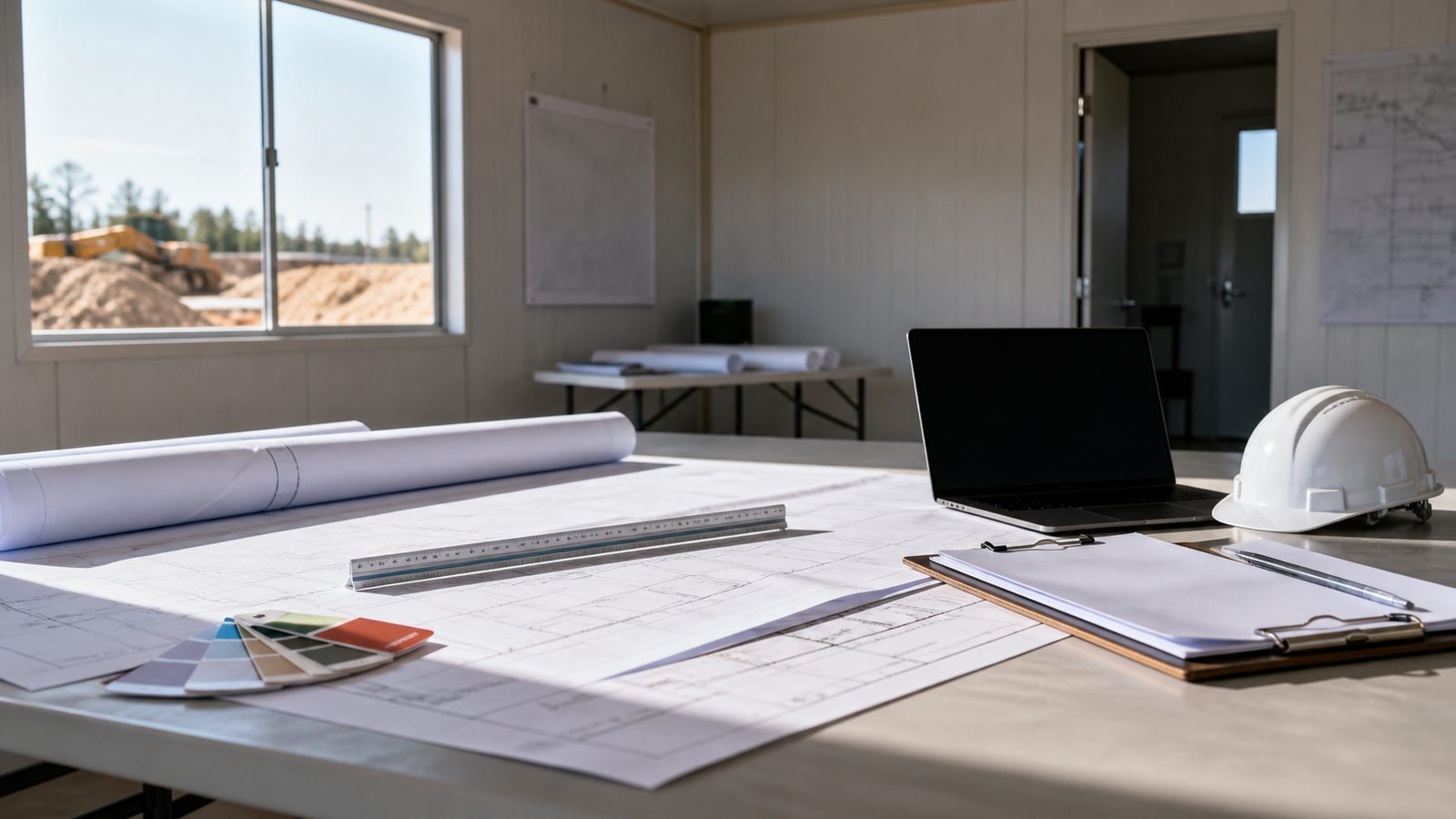
JK Prestige's roofing division operates under the same superintendent structure as the commercial and residential GC operations. The roofing superintendent reports to the project principal — the same principal who signed the contract. There is no separate roofing division call center, no separate project management chain.
When a commercial roof project involves interior remediation, the roofing superintendent and the interior crew superintendent coordinate through the same PM structure. Material deliveries, inspection scheduling, and interior access are coordinated in one project schedule — not two schedules that have to be reconciled after the fact.
For commercial projects that involve concurrent roof replacement and interior renovation, the single-contract structure means the interior fit-out can be scheduled around the roofing work with actual coordination, not hoped-for coordination between two separate contractors who've never worked together.
See JK's roofing division for the full capability set, including manufacturer certifications, residential and commercial material specifications, and the free 24-point roof inspection for commercial buildings.
The JK Way applies to commercial roofing exactly as it does to fit-out construction: a fixed-price contract before mobilization, a principal's name on the contract, and self-perform execution from membrane to interior finish.
Get a free written estimate in 48 hours. contact JK Prestige for your commercial roofing project. Call (904) 944-0278. A principal answers.
No call center. No coordinator. A JK principal reviews every inquiry and replies with a real number, not a range, not a follow-up form.
Request Free Estimate →