If you are a general contractor and your drywall or framing sub sends you a daily report that reads "work completed, 6 men on site, no issues" — that is not a daily report. That is a check-the-box exercise. It tells you nothing about what was actually accomplished, what might be coming off the critical path, or whether the scope is tracking toward the schedule you bid.
JK Prestige operates as both a GC and a self-perform trade partner — framing and drywall crews operating under JK direction on projects where we are the GC, and as a trade partner when GCs hire our framing or drywall crews for their projects. In both roles, we use the same daily report standard. Here is what that standard requires.
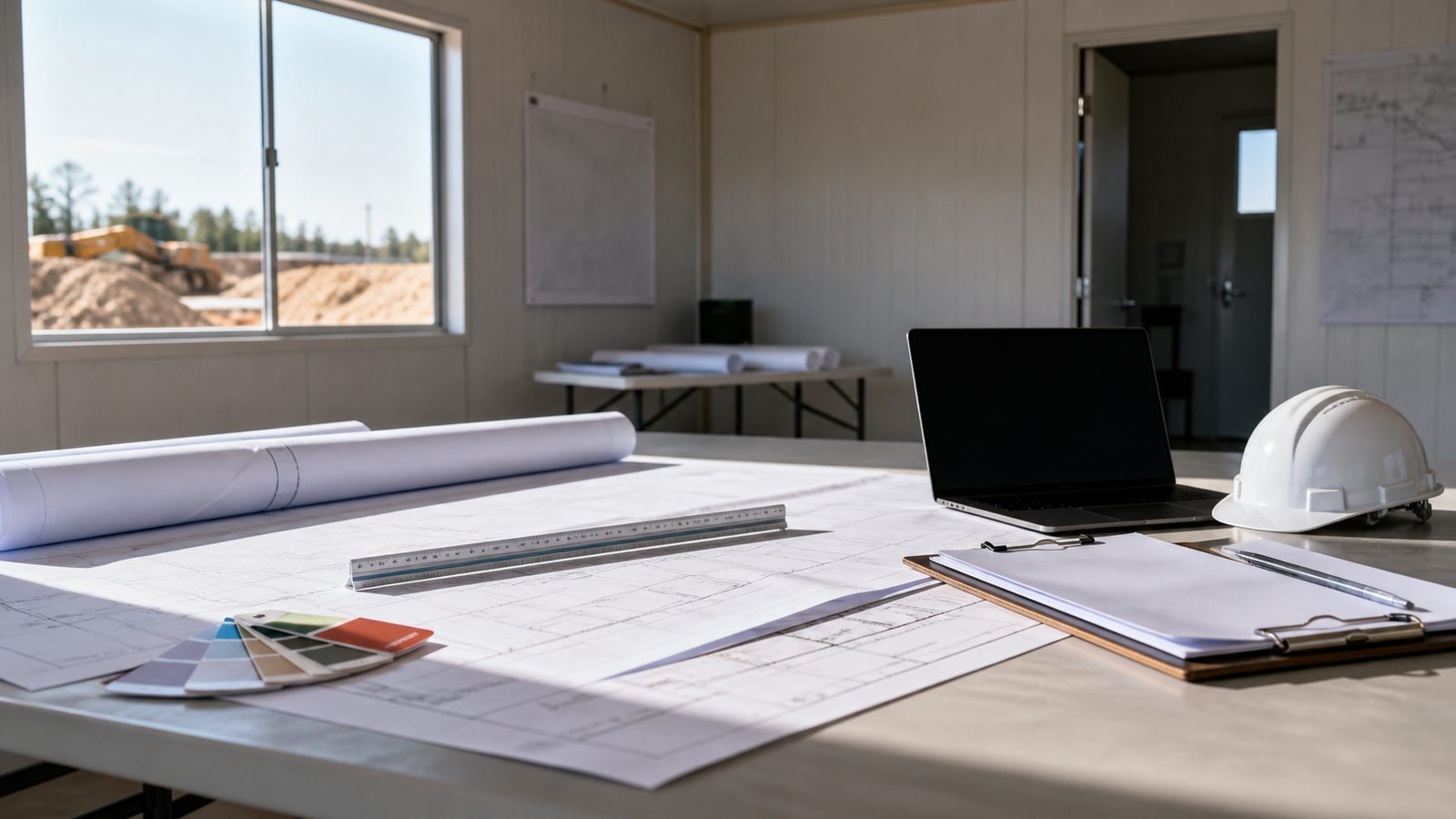
What a Useful Daily Report Must Contain
Header Information
- Date and project name
- Weather conditions (temperature high/low, precipitation, wind)
- Crew count by trade and by name (foreman + laborers)
- Subcontractor and GC contact on-site
Weather documentation matters because it creates the evidentiary record if weather-related delays become a claim or schedule impact later. "Rained at 11 AM, crew sheltered until 12:30 PM, resumed exterior framing at 12:45 PM" is a useful record. "Weather: rainy" is not.
Work Completed
This is the core of the daily report and the section most crews underfill. Useful work-completed documentation includes:
- Location within the project (building, floor, grid reference, room name)
- Trade activity (framing, drywall rough, hang only, tape, board-up, metal framing, etc.)
- Linear feet, square feet, or unit count completed — not just a description
"Completed metal stud framing on floors 2 and 3, rooms 201 through 218 and 301 through 318, approximately 4,200 SF of wall framing set and plumb" tells the GC something. "Framing on floors 2 and 3" does not.
Materials Received and Used
Note what was delivered to the site, what was used, and what is remaining on-site. This matters for two reasons: it creates a material tracking record that protects against disputes about material quantities, and it flags potential shortage conditions before they create a work stoppage.
"Received 400 sheets 5/8 Type X from supply house. Used 280 sheets hang in rooms 301-318. 120 sheets staged floor 3 east. Need additional delivery Thursday for floor 4."
Inspections Requested or Completed
If the crew requested an inspection, note it. If an inspection was completed, note the result. If the inspector identified a deficiency, note what it was and what the correction plan is. A GC managing multiple projects needs to see inspection status in the daily report — not by calling the foreman.
Open Items and RFIs
If there is an item where the crew encountered a condition that requires a GC decision before work can continue — a conflict in the drawings, an unforeseen field condition, a missing dimension — it goes in the daily report as an open item. JK requires that open items include a specific request: "Need GC response on header height at grid B4 to proceed with rough framing in room 402. Photo attached."
This creates a paper trail that protects both the GC and the sub. If the GC's response to the open item causes a scope change, the documented request is the starting point for that conversation.
Safety Observations
OSHA-recordable incidents, near-misses, and any safety interventions (corrected fall protection, corrected housekeeping, toolbox talk topic) are documented. On JK-managed projects, foremen are OSHA 30 trained and have the authority to stop work for safety. That authority is reflected in the daily report.
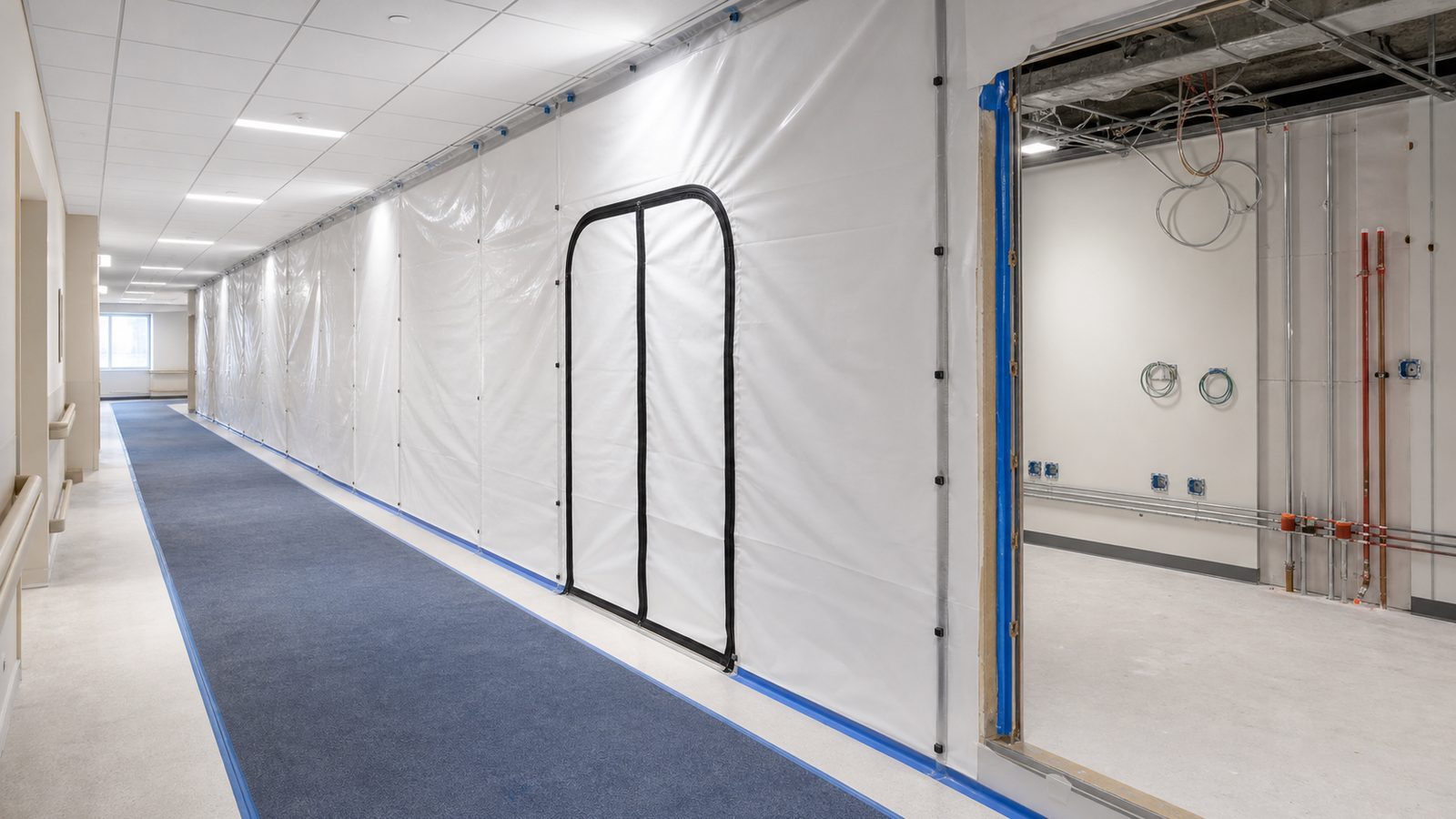
What Most Trade Subs Send vs. What JK Sends
The average daily report from a Florida framing or drywall sub is a one-paragraph summary with a headcount and a weather note. It is sent because the GC requires it, not because the sub believes it is useful.
JK's daily reports run one to two pages and include location-specific production data, photos of completed work, and clear open items. A GC reviewing JK's daily reports at 6 PM knows exactly where the project stands without calling anyone.
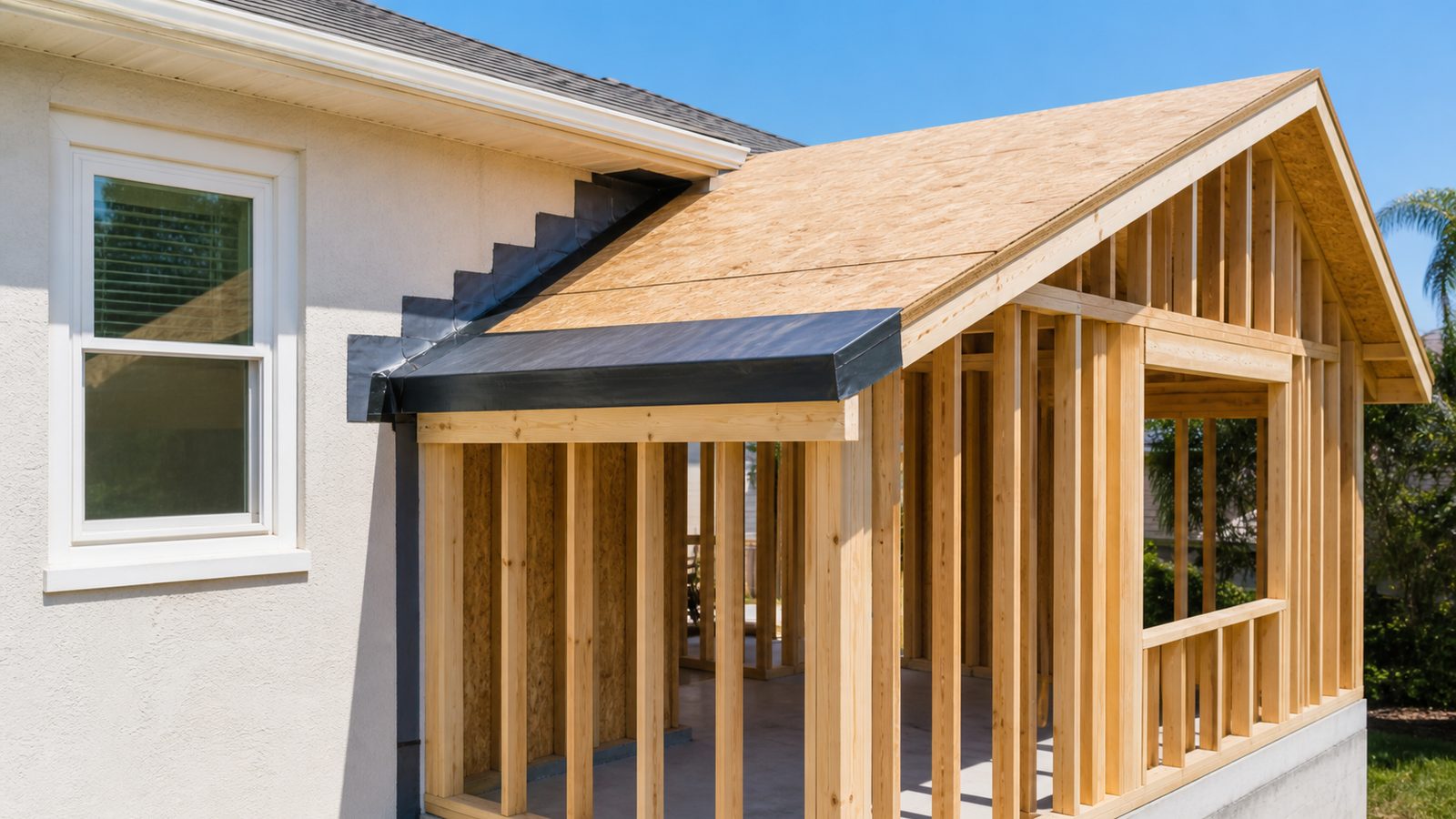
How Daily Reports Affect Schedule and Cost Management
A detailed daily report allows the GC to identify schedule drift before it becomes a delay. If the daily report shows a crew completing 3,200 SF of framing per day against a schedule that assumed 4,000 SF, the GC sees that on day 3 — not on day 15 when the framing phase is already a week behind.
It also creates the documentation basis for any acceleration request (if the GC needs to add shifts to recover schedule) or change order (if the scope of work has expanded from what was bid).
JK uses daily report data to update the 3-week lookahead schedule that we submit to GC partners every Friday. If the daily production data suggests a milestone is at risk, we flag it in the lookahead — not in a phone call three days before the milestone is missed.
No call center. No coordinator. A JK principal reviews every inquiry and replies with a real number, not a range, not a follow-up form.
Request Free Estimate →