The punch list is where project quality is won or lost. By the time a GC is writing punch list items, the construction schedule is behind them and the owner is waiting for a Certificate of Occupancy. The sub who completed 95% of their scope and then disappeared is the one adding weeks to your closeout.
JK Prestige self-performs critical trades and operates as a GC on commercial and mixed-use projects. Both sides of this relationship have given us direct experience with what punch list processes work and which ones don't.
This is what GCs should require from subs before work starts, during construction, and at closeout.

Why Punch List Problems Start at Scope Sheet
The most common root cause of punch list disputes isn't bad craftsmanship — it's a scope sheet that didn't define completion.
If the framing sub's scope says "frame per plans" and the plans don't specify backing locations for future cabinet installation, the GC expects backing and the framing sub says it wasn't in their scope. If the drywall sub's scope says "hang and finish" without specifying Level 4 finish throughout and Level 5 finish in high-gloss areas, you get a paint-ready substrate that isn't actually paint-ready where the owner wants a sheen.
Before work starts, every subcontract should define:
- Scope boundaries — exactly where this sub's work starts and stops
- Finish standard — specific quality level (AIA, AWI, Gypsum Association standards)
- Inspection checkpoints — stages where the GC reviews in-progress work before the sub proceeds
- Punch list completion requirement — 100% complete before final payment
- Callback obligation — how long the sub is obligated to return for callback work and under what terms
This is not punishing a good sub. A good sub wants clear scope so they can bid accurately and finish cleanly.
What a Punch List Item Should Look Like
Vague punch list items create disputes. Clear punch list items create resolution.
Vague: "Touch-up paint in bedroom 3" Clear: "Bedroom 3 north wall — 18" by 12" area at 4'0" AFF shows roller stipple inconsistent with adjacent surface; refinish to uniform texture and paint to match"
Vague: "Fix drywall in hallway" Clear: "Hallway 1A — seam at 2'6" from north wall corner shows tape cracking through finish; refinish to Level 4 per contract scope"
Vague: "Check window seals" Clear: "Master bedroom window — south unit — exterior weep holes blocked by installation debris; clear and verify drainage function before final sign-off"
The more specific the punch list, the faster it closes. Subs know exactly what they're being asked to fix and can dispatch the right person with the right materials.
The Inspection Checkpoint Protocol
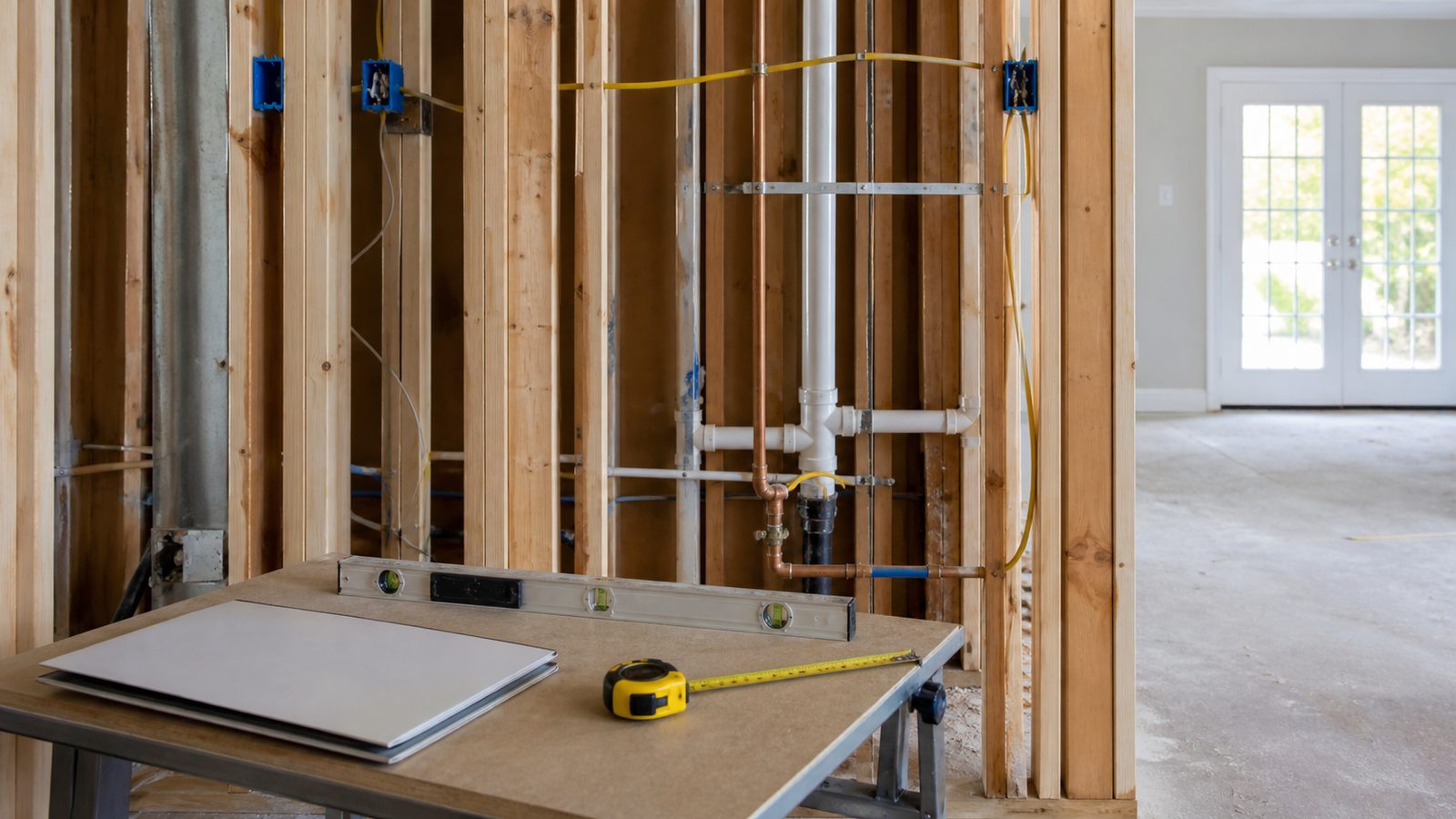
Waiting until the end of a sub's work to inspect is the wrong model. By then, finished surfaces are covering rough-in conditions that don't meet spec.
JK Prestige uses inspection checkpoints as contract milestones for subs:
Framing:
- Pre-sheathing inspection: plumb/level check, backing locations verified, rough opening sizes confirmed
- Pre-drywall inspection: fire blocking, insulation coordination, bracing
MEP Rough-In:
- Rough inspection before close-up: penetration locations, stub-out heights, clear labeling
- Coordination review with adjacent trades before walls close
Drywall:
- Board inspection before finishing: flat, plumb, edge screws driven properly, no gaps at corners
- Prime coat inspection: surface uniformity, joint visibility
- Final finish inspection: matches specified level, no dings from subsequent trades
Roofing:
- Underlayment inspection before field membrane installation
- Flashing and penetration inspection before membrane completion
- Final drainage and ponding check after a rain event
These checkpoints are written into the subcontract as conditions of payment milestone approval.
Pre-Final Walkthrough Protocol
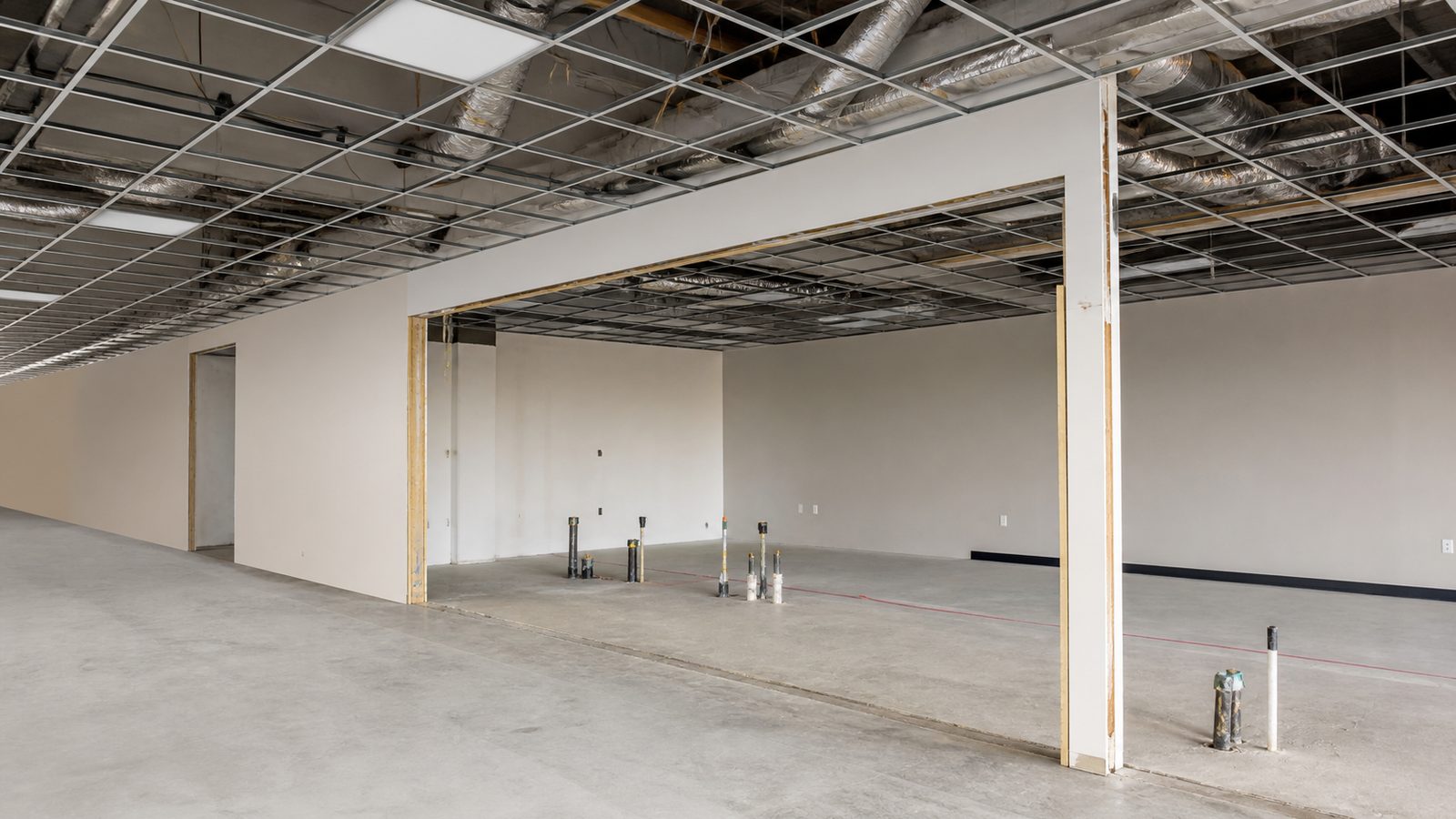
JK Prestige conducts a pre-final walkthrough with every sub before final payment is released. The process:
- GC completes the punch list document (numbered items with specific location descriptions)
- GC and sub walk together — sub initials each item acknowledging it
- Sub is given a defined completion window (typically 5 to 10 business days for standard punch items)
- GC re-inspects at the end of the completion window
- Outstanding items after the completion window are documented; repair costs are back-charged against final payment if not resolved in a second defined window
The signed punch list acknowledgment is the document that prevents "I didn't know about that" at final payment.
Payment Release Structure That Protects the GC
Payment schedule structure matters for punch list enforcement. JK Prestige recommends:
- Hold 10% retainage through substantial completion
- Release 5% at substantial completion (sub is substantially done, minor items remain)
- Hold 5% through final punch list completion and Final Certificate of Occupancy
- Release final 5% after all punch list items are closed and owner sign-off received
This structure gives the GC leverage to compel punch list completion without creating a payment dispute on a sub who has already demobilized.
When a Sub Won't Complete Punch List
The failure mode most GCs encounter: the sub who finishes the bulk of their scope, accepts progress payments, and then becomes unavailable for punch list.
Prevention is the contract:
- Punch list completion as a written condition of final payment
- Back-charge clause that allows the GC to hire another contractor to complete punch items and deduct the cost from the final payment
- Contact information for the sub's principal or qualifier in the contract (not just the foreman)
The back-charge clause is not punitive. It's the mechanism that prevents the GC from being held hostage by a sub who has nothing to lose by ghosting.
No call center. No coordinator. A JK principal reviews every inquiry and replies with a real number, not a range, not a follow-up form.
Request Free Estimate →