Jacksonville has more historic residential stock than most people outside the city realize. Springfield, Riverside, Avondale, Brooklyn, South Jacksonville, Murray Hill — these neighborhoods contain thousands of homes built between 1880 and 1945, many of them architecturally significant. The demand for renovated historic homes in these neighborhoods has been strong for over a decade and shows no sign of softening.
Renovating a historic home is not the same as renovating a newer home. The permitting layer is more complex. The structural conditions are different. The finish expectations are higher. And the mistakes are more expensive to fix.
This is what Jacksonville homeowners need to know before they start.
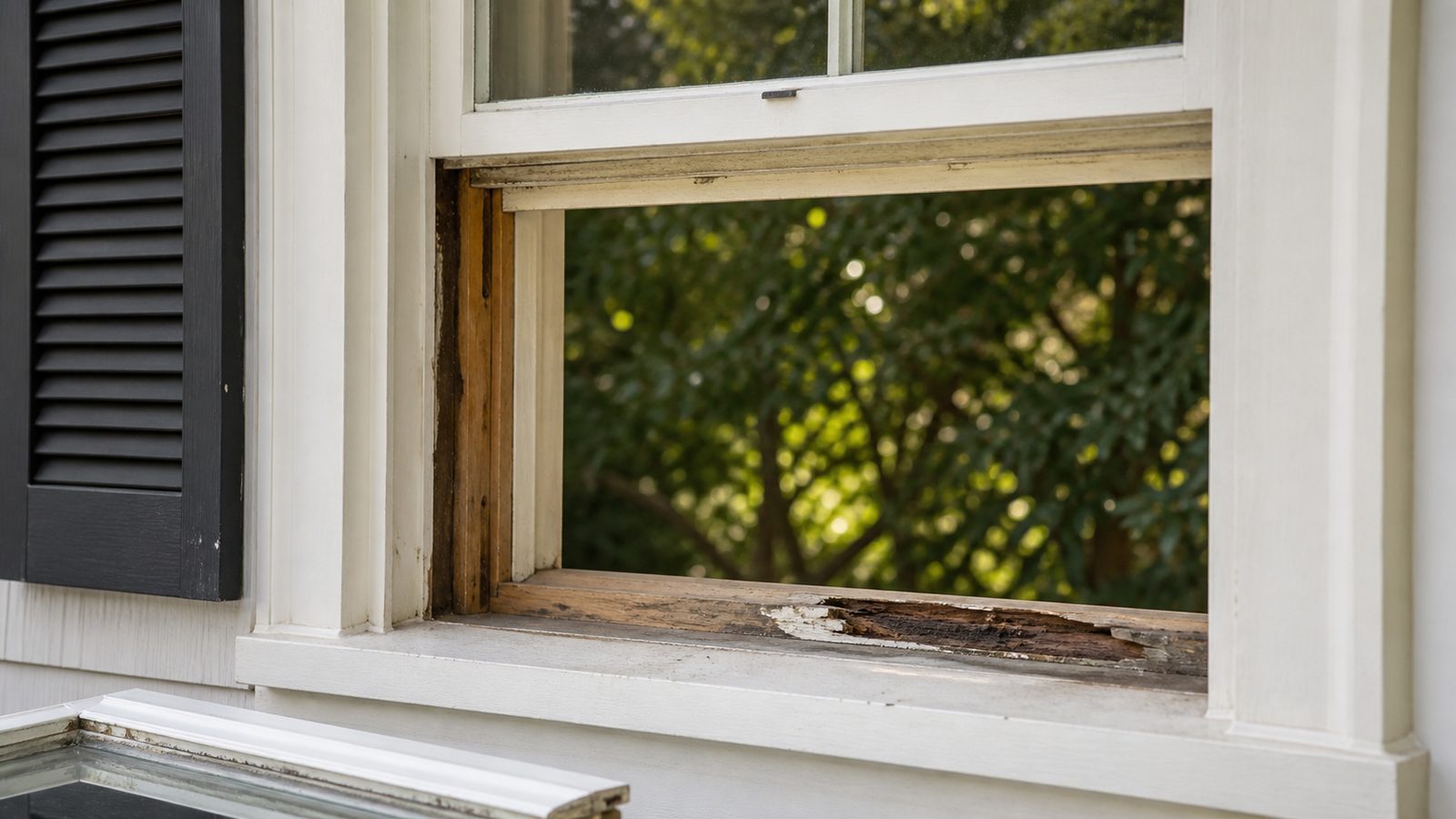
Jacksonville's Historic Preservation Overlay: The Practical Reality
Jacksonville has several designated historic districts that trigger an additional review layer for exterior modifications:
- Springfield Historic District — listed on the National Register of Historic Places, locally designated
- Riverside Avondale Historic District — nationally listed, locally reviewed by the Riverside Avondale Preservation organization
- Brooklyn and portions of South Jacksonville — locally designated districts with varying review requirements
The review body is the City of Jacksonville's Historic Preservation Division. For Riverside and Avondale specifically, the Riverside Avondale Preservation organization participates in the review process.
What triggers a Certificate of Appropriateness:
- Window replacement
- Door replacement (if visible from public right-of-way)
- Exterior siding changes
- Porch modifications, additions, or removal
- Additions to the structure
- Fencing visible from the street
What doesn't trigger a COA:
- Interior work of any kind
- Roof replacement using same material/color (in most cases — verify with the preservation office)
- Paint color changes in most (but not all) districts
COA timeline: Plan for 30 to 60 days for a standard application. Applications that require a full Historic Preservation Commission hearing (typically for demolitions or significant alterations) take longer.
JK Prestige manages COA applications as part of pre-construction on all historic district projects. It's included in the contract scope, not billed separately.
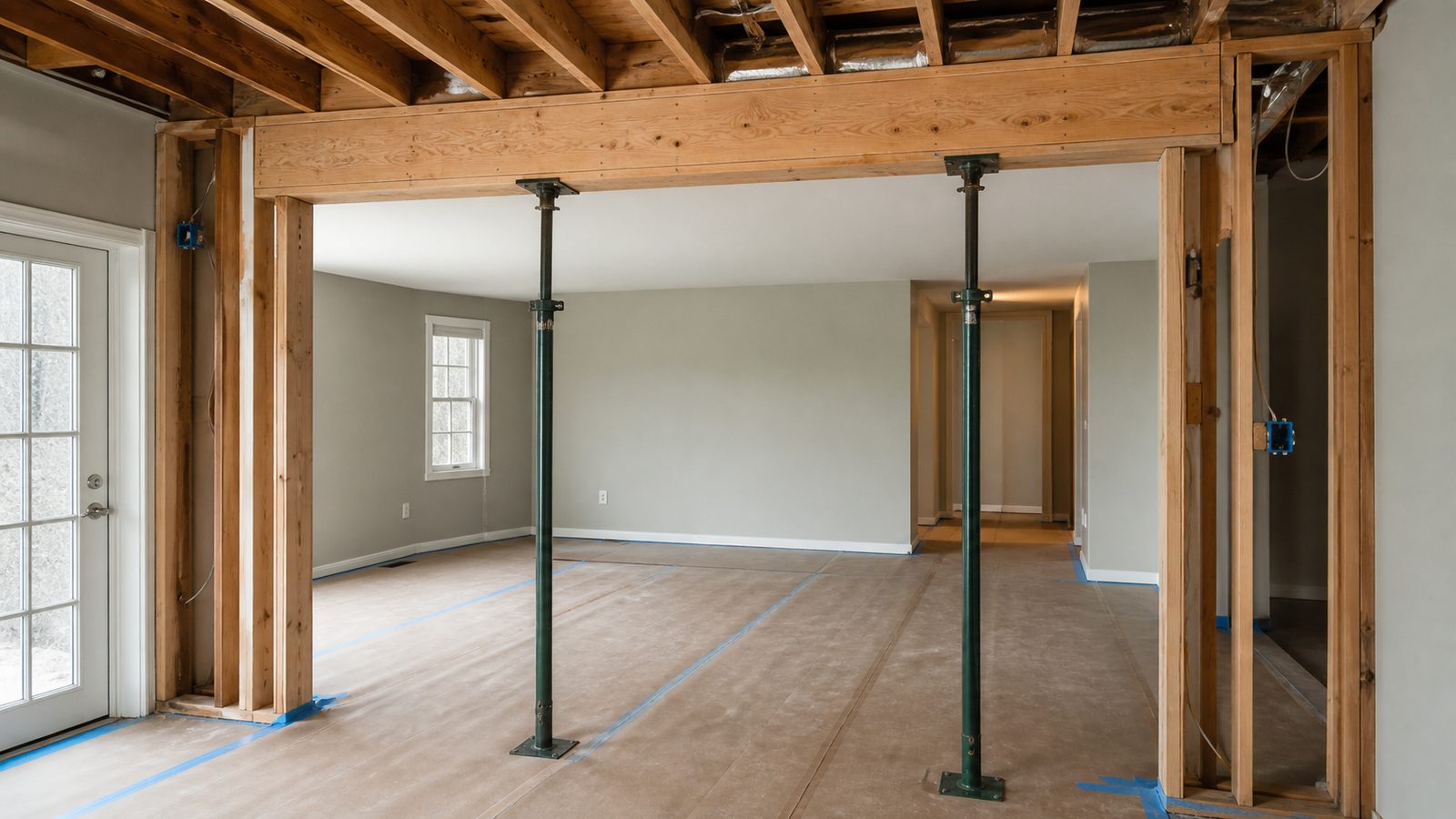
The Structural Realities of Jacksonville Historic Homes
Every pre-WWII Jacksonville home has a unique combination of original and updated systems. Here's what's commonly found and what it means for renovation:
Foundation
Most historic Jacksonville homes use pier-and-beam construction: wood framing resting on concrete or brick piers over a crawl space. The crawl space is both useful (drain lines and supply lines are accessible) and problematic (moisture, termites, settling).
Before any renovation, the foundation should be inspected by a licensed foundation specialist or by the GC's framing crew. Soft sill plates, out-of-level girders, and compromised piers are common. Foundation repairs discovered during renovation add $8,000 to $40,000 depending on severity.
Framing
Homes built before roughly 1940 typically used balloon framing — studs running from foundation sill to roof plate without the fire blocking that platform framing provides. This affects:
- How electricians and HVAC crews run new work through walls
- Fire code compliance if the renovation triggers code-level changes
- Load path analysis if walls are being relocated
Electrical
Pre-WWII Jacksonville homes were wired when the electrical code was primitive. Knob-and-tube wiring is still found in homes through the 1930s. Aluminum wiring shows up in homes from the 1960s and early 1970s. Both require attention in any renovation that touches the electrical system.
Homeowners' insurance companies increasingly refuse to write policies on homes with active knob-and-tube, or they significantly increase premiums. A full rewire is often more cost-effective than partial remediation when you're doing a gut renovation anyway.
Expect $14,000 to $28,000 for a complete whole-home rewire in a 1,500 to 2,500 sqft Jacksonville historic home.
Plumbing
Cast iron drain lines and galvanized supply lines are standard in pre-1970s Jacksonville homes. Cast iron is durable but corrodes from inside out — 80 to 100 years is a reasonable lifespan in Jacksonville's water conditions, but many homes are past that. A drain camera inspection before renovation prevents discovering a collapsed stack after the floors are down.
Galvanized supply lines are at end of life. Replacement with copper or PEX is standard practice in any full renovation.
Windows
Original single-pane wood windows in historic homes are both a character feature and an energy liability. They're also regulated in historic districts — replacement windows must match the original profile, material, and operation type.
Quality wood or fiberglass windows that meet historic district standards run $600 to $1,400 per window installed. A 2,000 sqft historic home might have 18 to 24 windows. That's $10,800 to $33,600 just for windows, not including trim restoration.
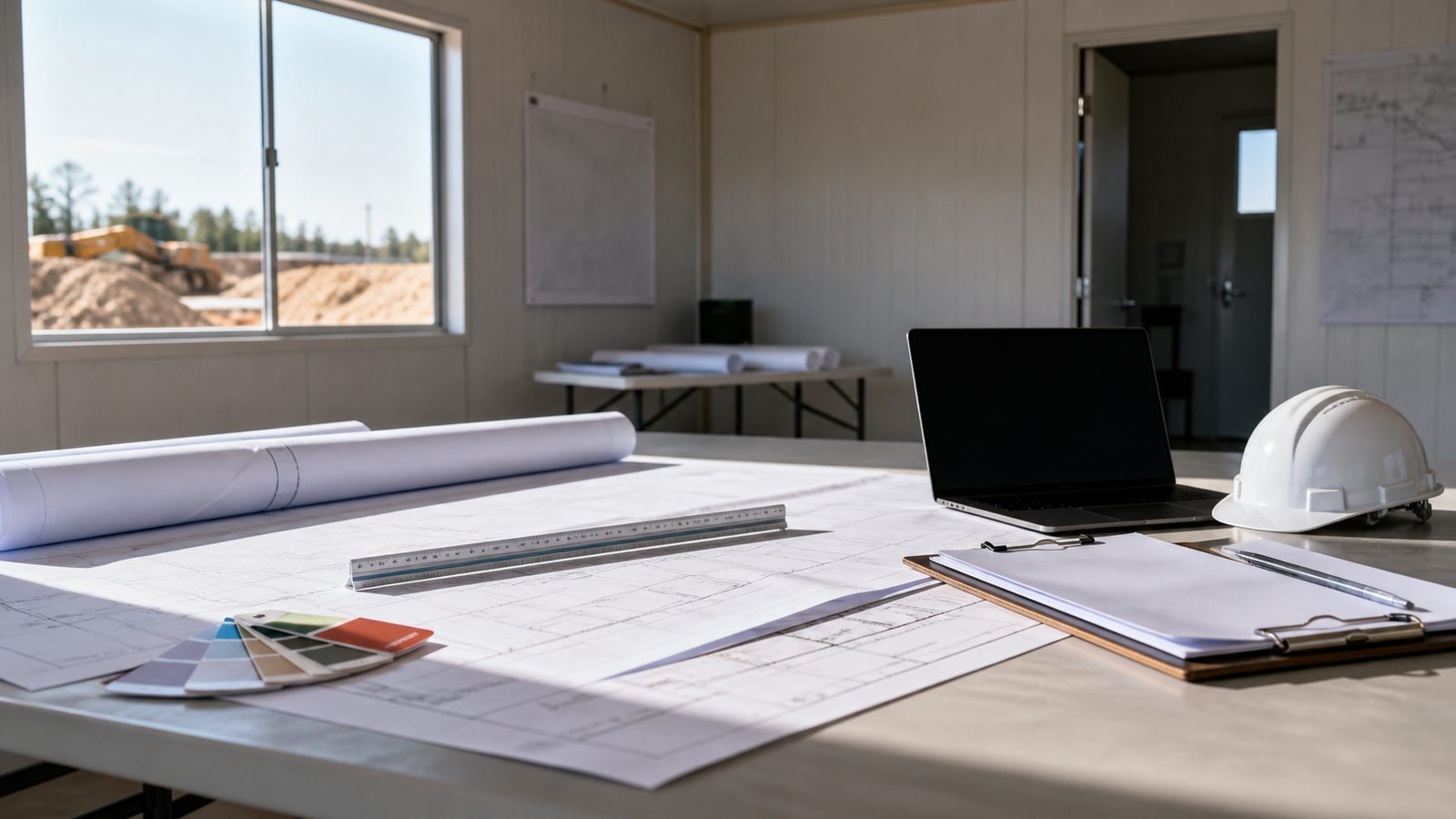
Historic Home Renovation Costs in Jacksonville
Full gut renovation (1,000-1,400 sqft historic bungalow, standard finish): $120,000 to $200,000
Includes demo, foundation repair (allowance), framing corrections, rewire, plumbing replacement, new HVAC, insulation, drywall, standard kitchen and bath finishes. Window replacement at the low end.
Full gut renovation (1,800-2,500 sqft historic home, period-appropriate high finish): $220,000 to $380,000
Adds: custom period millwork, restored or period-appropriate windows, custom cabinetry, high-end kitchen and bath, exterior restoration (siding, porch, windows for COA compliance).
Addition (400-600 sqft, single story, COA-compliant exterior): $120,000 to $200,000
Historic-compatible additions require more design coordination and often more expensive materials to match original exterior details. The COA review adds 30 to 60 days.
Finding the Right Contractor for a Jacksonville Historic Renovation
Not every Jacksonville GC has experience in pre-WWII residential construction. When vetting contractors:
Ask specifically:
- Have you worked in balloon-frame homes? What do you do differently?
- Do you have EPA RRP certification for pre-1978 homes?
- Have you submitted a Certificate of Appropriateness application in Jacksonville? For which district?
- Who does your waterproofing on bathroom and kitchen installations?
- Can I see a reference for a historic renovation in Springfield, Riverside, or Avondale?
Verify:
- Florida CGC or CRC license at myfloridalicense.com (active status, correct name)
- Insurance certificate with homeowner listed as additional insured
JK Prestige: CGC1535682. EPA RRP certified. COA experience in Springfield and Riverside Avondale districts. Self-perform framing, drywall, roofing.
No call center. No coordinator. A JK principal reviews every inquiry and replies with a real number, not a range, not a follow-up form.
Request Free Estimate →