Window replacement seems like a straightforward renovation trade. Buy windows, remove old, install new. In Jacksonville's historic districts — Springfield, Riverside, Avondale, Murray Hill, and San Marco — it is anything but straightforward. The combination of Historic Preservation Office review, Florida Building Code energy compliance, and the structural reality of 80 to 100-year-old framing makes historic window work one of the most nuanced items in a renovation scope.
JK Prestige renovates historic homes in Jacksonville's designated historic districts. Here is what the window replacement process actually involves.
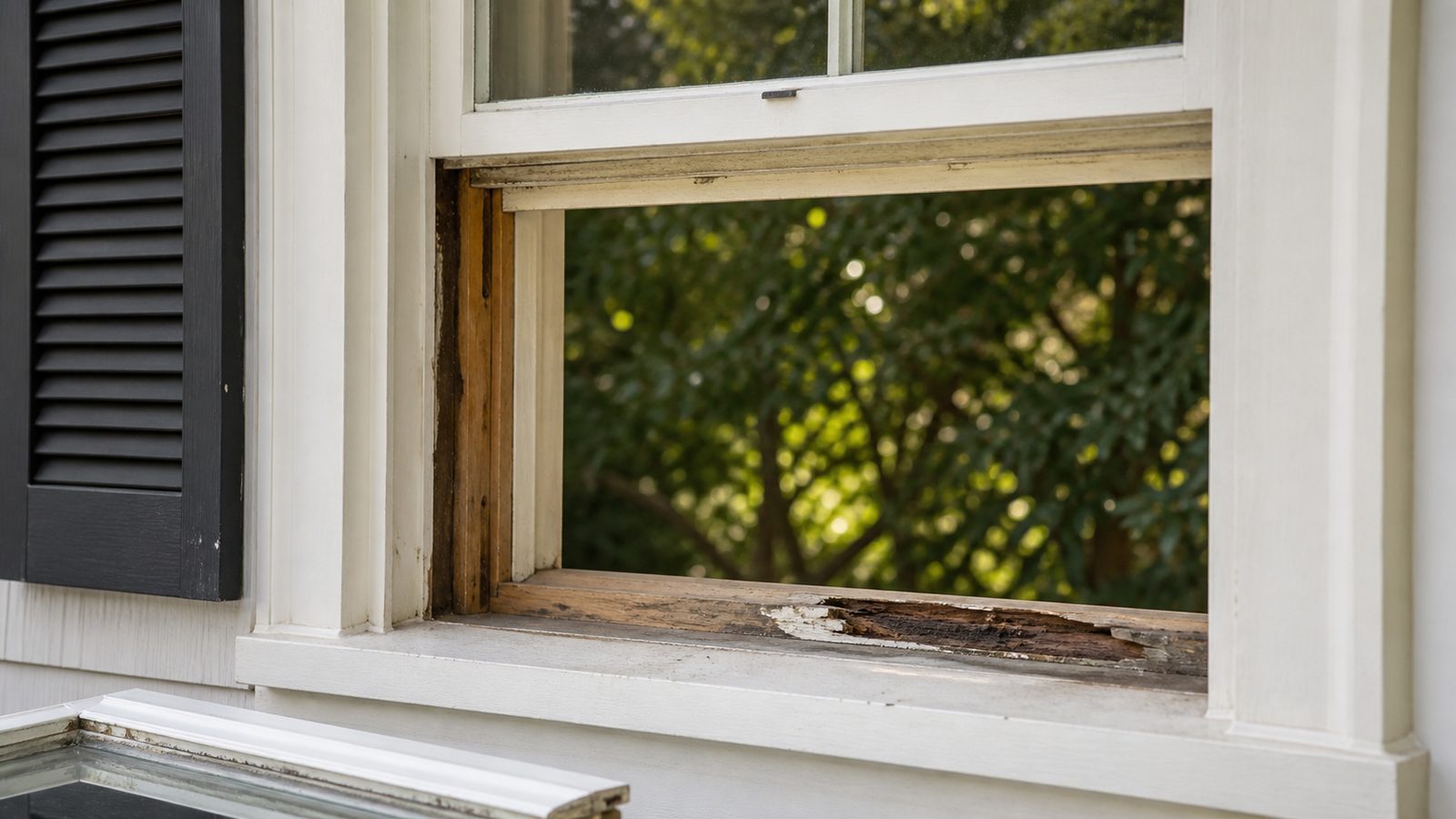
Why Windows Are a Defining Feature in Historic Preservation Review
The Historic Preservation Office (HPO), operating under the Jacksonville Historic Preservation Commission, reviews exterior alterations to properties within Jacksonville's four National Register historic districts: Springfield, Riverside-Avondale, Murray Hill, and San Marco.
Windows are one of the most scrutinized elements in historic review because they define the architectural character of the building's facade. A 1920s Craftsman bungalow with original double-hung, divided-light wood windows reads differently than the same house with white vinyl replacement windows. The HPO knows this and has written guidelines that reflect it.
What the HPO allows in designated districts:
- Repair of existing historic windows (preferred option)
- Replacement of deteriorated historic windows with windows that match the original in material, profile, and muntin pattern
- New windows in kind: aluminum-clad wood, fiberglass, or in some cases aluminum, as long as the exterior profile matches the original
What the HPO typically does not allow:
- Replacement of 1-over-1 or 6-over-6 double-hung wood windows with smooth-profile vinyl replacement units
- Eliminating divided lights in favor of a single-pane unit with snap-in mullions
- Changing window size or position on the primary facade
A Certificate of Appropriateness (COA) from the HPO is required before window replacement work can begin in a designated historic district. JK submits the COA application as part of the building permit process. HPO review typically runs 4 to 6 weeks.
Florida Building Code Energy Requirements
Here is the complication that catches many historic renovation projects off guard: the Florida Building Code requires windows in residential renovations to meet current energy performance standards. The current Florida Energy Code requires windows to meet specific U-factor and Solar Heat Gain Coefficient (SHGC) values.
For many historically appropriate window products — particularly aluminum prime windows with single-pane glass — those energy requirements cannot be met without adding a storm window or upgrading to insulating glass.
The solution for most historic Jacksonville renovations is to specify windows in a historically appropriate profile but with insulating glass units (double-pane with low-e coating). Several manufacturers produce fiberglass and aluminum-clad wood windows in profiles that match 1920s and 1930s residential construction while meeting Florida energy code compliance.
JK works with the homeowner and the HPO to identify product options that satisfy both requirements before the COA application is submitted. This avoids the scenario where a product is installed, fails the energy code inspection, and requires replacement.
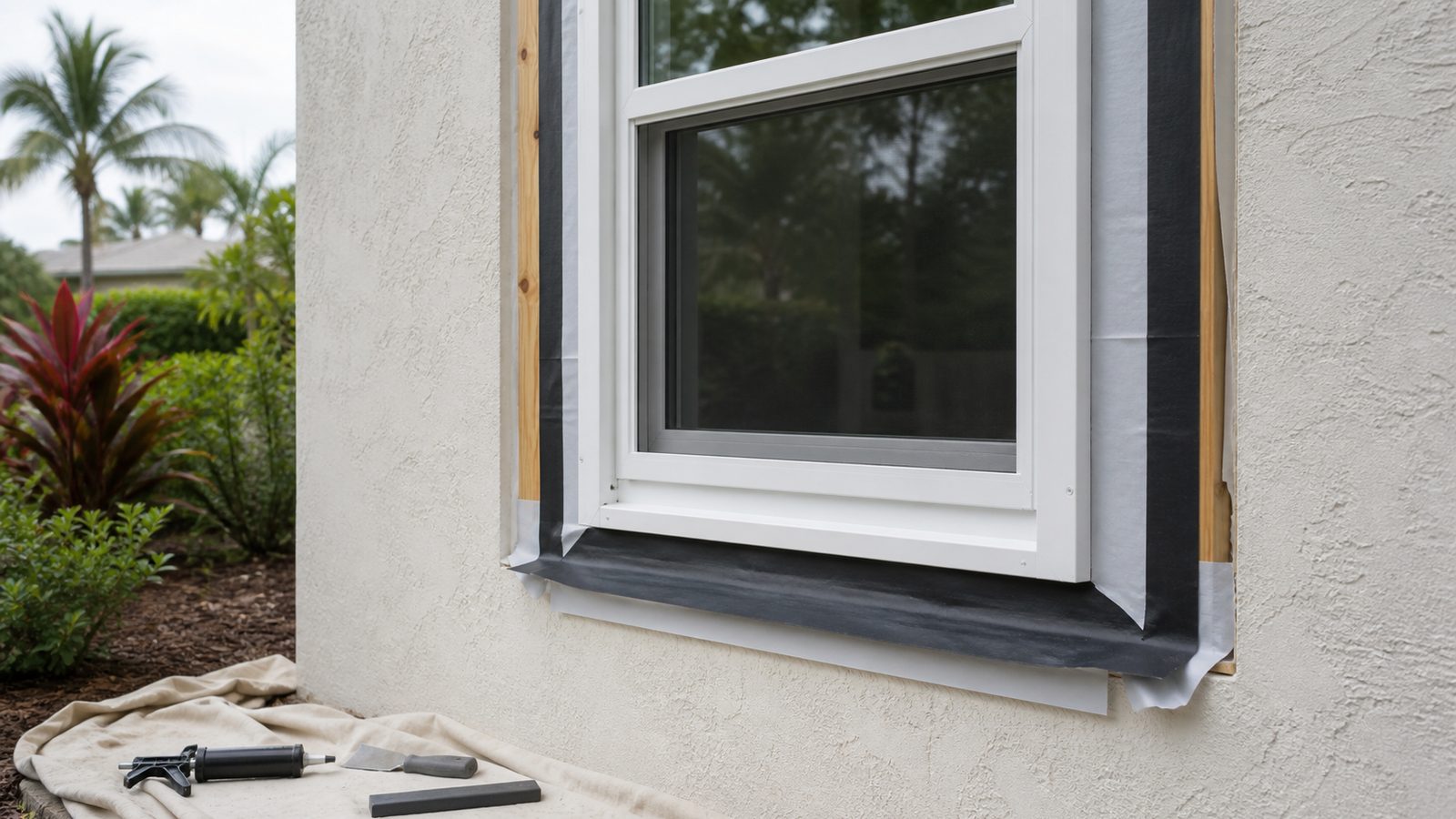
What Self-Perform Framing Changes on Window Replacement Projects
In a historic home — particularly wood frame construction from 1910 to 1950 — the window openings are often not what they appear to be. When the old window is removed, you may find:
- Rough opening sizes that do not match the replacement window's required rough opening
- Rotted sill plates or trimmer studs from decades of water infiltration around the original window
- Original framing that does not match current building code requirements for header size or king stud spacing
- Lead paint on window surrounds and trim (OSHA 1926 and EPA RRP rule requirements apply)
A window-only contractor will deal with the simple replacements and flag the problem conditions as extra. JK's framing crew handles the structural repairs in-house, on the same mobilization. When a sill plate is rotted, we replace it. When a trimmer is undersized for the new window's load, we sister it. When a rough opening needs to be widened by 2 inches to accept the new window, we modify the framing and patch the exterior.
The result: every window opening is correct, not just the easy ones.
Lead Paint Protocol on Historic Window Work
Florida homes built before 1978 are presumed to contain lead paint. Historic homes built before 1950 almost certainly do. Window sills and interior trim around original windows are among the highest-concentration lead paint locations in older homes — layers of original paint, successive repaints, and friction surfaces from decades of window operation.
JK's crews are EPA Lead Renovation, Repair and Painting (RRP) trained and certified. We follow the required containment, cleaning, and disposal procedures on all pre-1978 homes. The RRP compliance documentation is included in the project file.
A window-only contractor who is not RRP certified cannot legally perform renovation work on pre-1978 residential properties in Florida without proper certification.
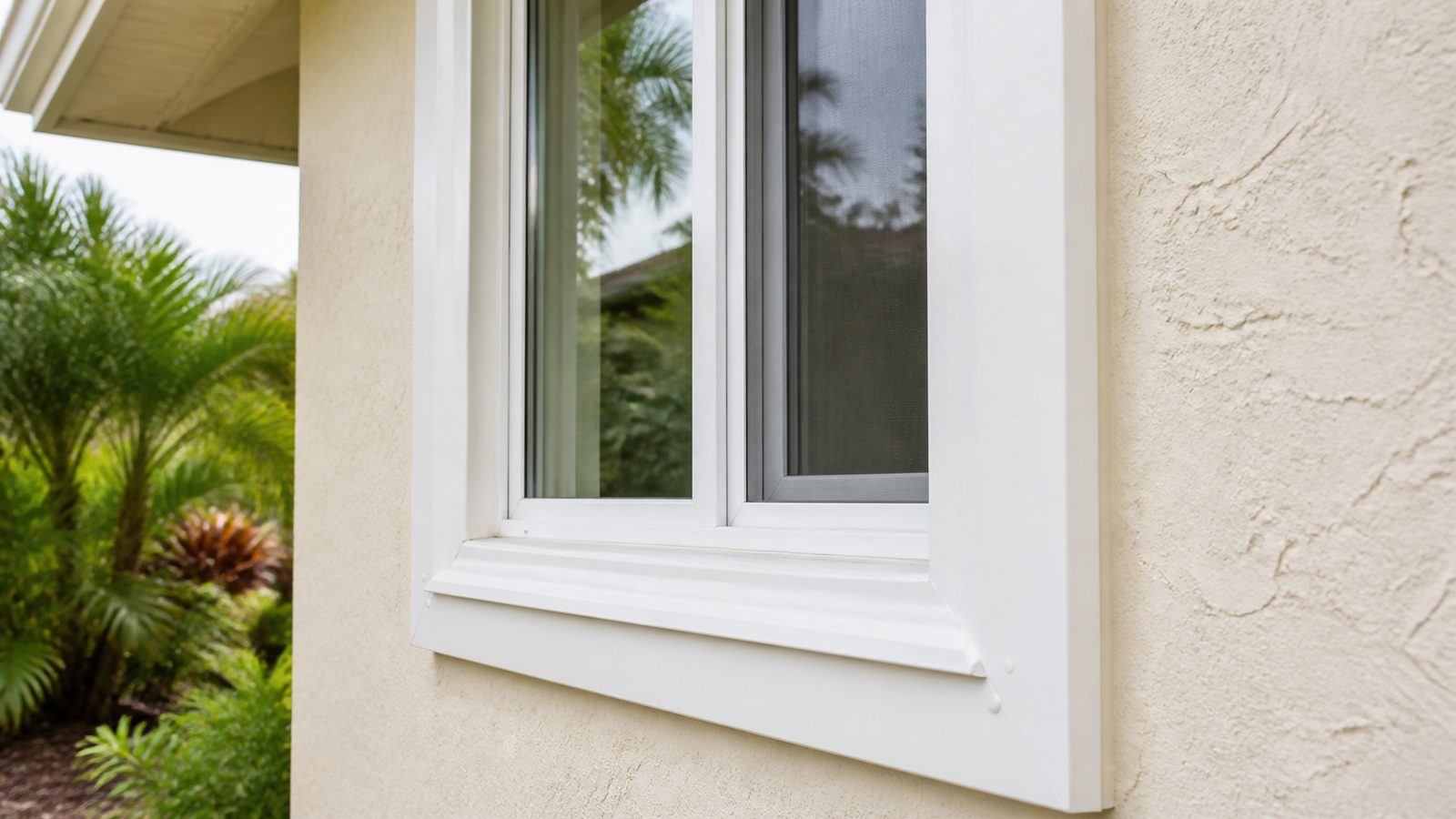
Exterior Trim and Casing: The Finishing Detail That Matters
Historic Jacksonville homes have specific exterior trim profiles — wide casings, backbands, sill extensions — that define the window's visual relationship to the facade. When new windows are installed without restoring or matching these profiles, the renovation reads as incomplete even if the windows themselves are historically appropriate.
JK's finish carpentry crew is in-house. On historic window replacement projects, we restore the exterior trim to match the original profile using material appropriate to the coastal climate (cellular PVC trim where paint durability is the priority, or wood where historic authenticity requires it). The result is a window replacement that looks like the original, not a vinyl swap-out.
No call center. No coordinator. A JK principal reviews every inquiry and replies with a real number, not a range, not a follow-up form.
Request Free Estimate →