Florida has the most complex homeowner's insurance environment in the United States, and storm damage claims in Duval County are more difficult to navigate than most homeowners expect. Between 2022 and 2024, six major Florida insurers became insolvent, dozens withdrew from the market, and the state legislature passed a series of reforms under Senate Bill 2-D and subsequent legislation that fundamentally changed the claims process. Homeowners who understand how the current system works — before a storm — recover faster and more completely than those who learn it in the aftermath.
This guide covers everything a Jacksonville homeowner needs to navigate a storm damage claim in 2025: how to document damage immediately after a storm, how to read your policy's key provisions, how Florida's reformed claims process works, how to prepare for the adjuster visit, how to identify and correct an underpaid claim, what to know about post-2023 Assignment of Benefits (AOB) restrictions, how to select a legitimate contractor in a market full of storm chasers, what temporary repairs are reimbursable, and what the timeline from damage to settlement looks like in the current environment.
JK Prestige Construction has worked with Jacksonville homeowners on post-storm roofing and structural repair. This guide reflects what we see on actual claims — the documentation that works, the adjuster patterns to watch for, and the contractor red flags that cost homeowners money.
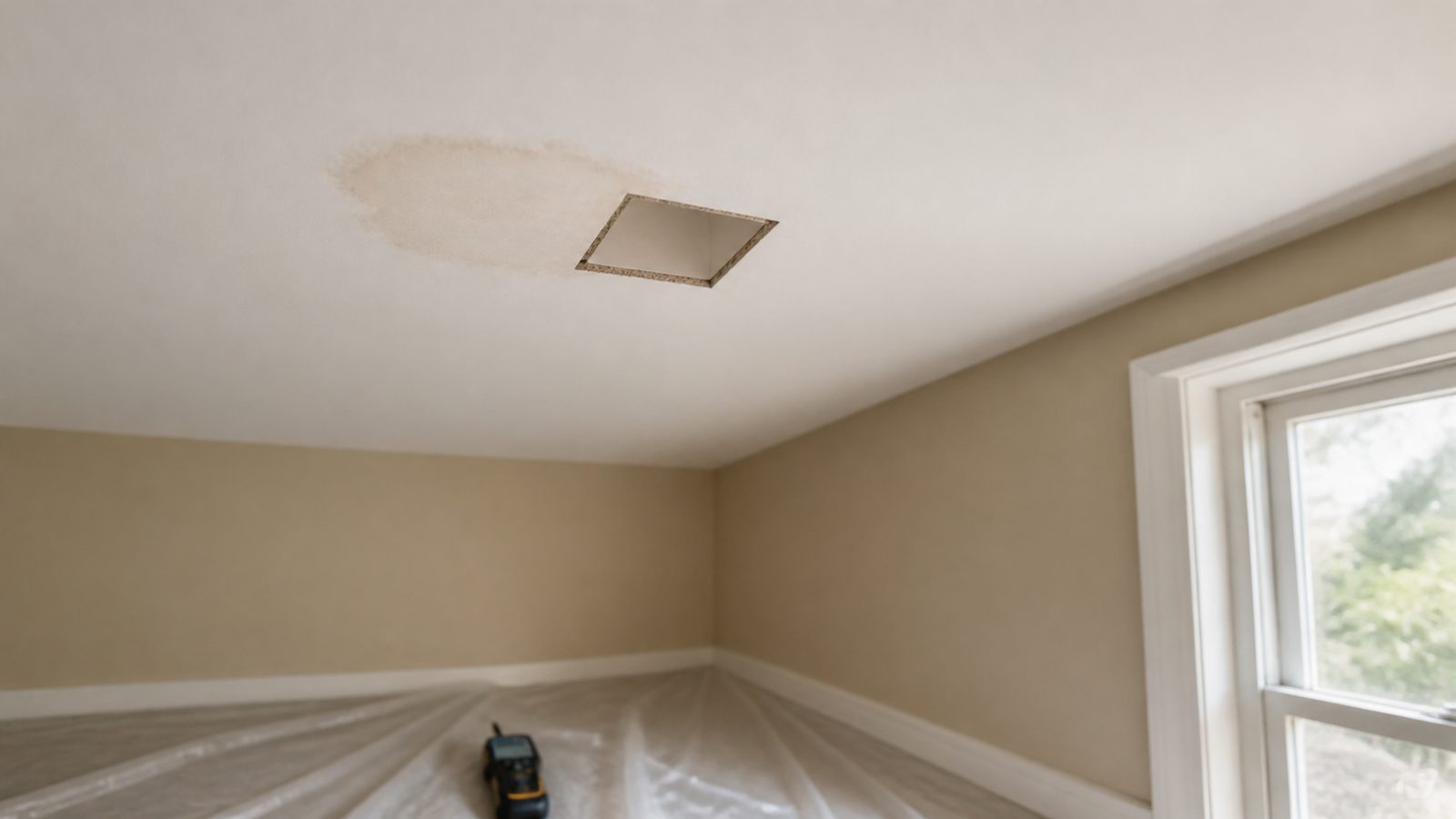
Documenting Storm Damage Before Touching Anything
The first 24 to 48 hours after a storm determine the quality of your claim documentation. Everything you capture in this window is evidence. Everything that gets cleaned up, repaired, or discarded before the adjuster arrives is gone from the record.
Photo and Video Protocol
Walk the entire exterior before entering the property if it is safe to do so. Document:
- The roof from multiple angles, including any visible missing shingles, lifted sections, debris impact marks, or hail strikes
- All four elevations of the structure
- Any damaged soffits, fascia, gutters, or downspouts
- Every window and door for impact damage or glazing cracks
- All exterior cladding, trim, and any HVAC or mechanical equipment outside the building
- The yard: fallen trees, debris, and any impact points where debris hit the structure
Photograph damage from a distance to establish context, then close-up with your hand or a ruler in frame for scale. Turn on location services for your camera so each photo is GPS-stamped. Capture the date and time in each image by including a photo of a phone screen showing the timestamp.
Written Damage Log
Within 24 hours, write a narrative log: date and time of the storm, what you observed, what you did to prevent further damage, who you spoke with (insurance company, contractor, neighbors). This log is a business record and can be used to establish the timeline of the claim.
Preserving Physical Evidence
Do not dispose of damaged materials — shingles, screens, gutters — until the adjuster has inspected. Place salvageable debris in a contained area (garage, tarp pile) with photos showing what was collected and where it came from.
Understanding Your Policy: ACV, RCV, Hurricane Deductibles, and Riders
ACV vs. RCV
Actual Cash Value (ACV) policies pay the depreciated value of the damaged property — what a 15-year-old roof is worth today, not what a new roof costs. Replacement Cost Value (RCV) policies pay the cost to replace the damaged property with like-kind-and-quality materials at current market prices. The difference on a Florida roof can be $10,000 to $30,000.
Under RCV policies, insurers typically pay the ACV first, then release the "recoverable depreciation" (the gap between ACV and RCV) after the repair is completed and documented. You must complete the repair and submit invoices to collect the full RCV payment. Failing to complete repairs means you only collect ACV.
Hurricane Deductibles
Florida allows insurers to apply a separate, higher deductible for hurricane-caused damage. Hurricane deductibles are expressed as a percentage of the insured value — typically 2 to 5 percent — rather than a flat dollar amount. On a home insured for $400,000, a 2 percent hurricane deductible means $8,000 comes out of your pocket before the policy pays. Verify your hurricane deductible in the declarations page of your policy before storm season.
A "named storm deductible" is identical to a hurricane deductible but may apply to any named tropical storm, not just those classified as hurricanes. Read your policy's definitions section.
Sinkhole and Earth Movement Riders
If you are in a Duval County area with sinkhole risk (broadly, any area with limestone geology, which includes parts of the Westside and Arlington), confirm whether your policy includes sinkhole coverage. Basic homeowner's policies in Florida cover catastrophic ground cover collapse but not gradual sinkhole activity. A sinkhole rider provides broader coverage.
How Florida's Insurance Claims Process Works After 2023 Reforms
Senate Bill 2-D (2022) and subsequent 2023 legislative sessions made significant changes to Florida's property insurance claims process that every homeowner needs to understand.
2-Year Filing Deadline
Florida now has a 2-year statute of limitations for first-party property insurance claims, reduced from 4 years under pre-2022 law. You have 2 years from the date of loss to file a claim. Miss this window and the claim is barred regardless of coverage.
Insurer Response Timelines
Florida law requires insurers to: acknowledge a claim within 14 days of receipt; begin investigation within 30 days; and either pay, deny, or issue a written coverage determination within 90 days of receiving the proof of loss. Post-reform, these timelines are more strictly enforced — document every communication with your insurer (date, name of representative, what was said) because timeline violations affect the insurer's bad faith exposure.
Citizens Property Insurance
Citizens is Florida's insurer of last resort and covers a significant percentage of Jacksonville homeowners in coastal and near-coastal areas. Citizens has its own inspection and claims procedures, including in-house adjusters and strict photo documentation requirements. Citizens also has depopulation programs — private insurers who offer to assume Citizens policies. If you receive a depopulation offer, evaluate it carefully before accepting; your new policy terms may differ from Citizens'.
The Adjuster Visit: How to Prepare and What to Watch For
Before the Adjuster Arrives
Get a written contractor estimate before the adjuster visits. A reputable local roofing contractor can inspect your roof and provide a damage assessment and cost estimate within 24 to 48 hours. Having this in hand before the adjuster arrives sets a documented baseline for your claim. Adjusters are trained to find and document damage — but they are not infallible, and having your own documentation changes the dynamic.
JK Prestige provides storm damage assessments and written estimates in 48 hours. See our roofing services for details on what we inspect and how we document damage.
During the Adjuster Inspection
Be present. Walk the adjuster through every area of documented damage. Do not antagonize, but do point out everything in your documentation. Ask the adjuster to note any area of disagreement in writing. Ask specifically: "What is your finding on the roof deck?" "Are you noting the hail strikes on the [specific area]?" Document every disagreement with photos taken during the inspection.
What Adjusters Commonly Miss
- Hail damage to soft metals: gutters, downspouts, AC units, vents — these are indicators of hail size and density that support broader roof damage claims
- Roof deck damage beneath shingles (visible only by lifting shingles or during replacement)
- Damage to flashing at penetrations (pipes, vents, chimneys)
- Secondary water damage inside attic spaces (check for wet insulation and moisture staining on rafters)
- Impact damage to siding or exterior trim that is not on the roof
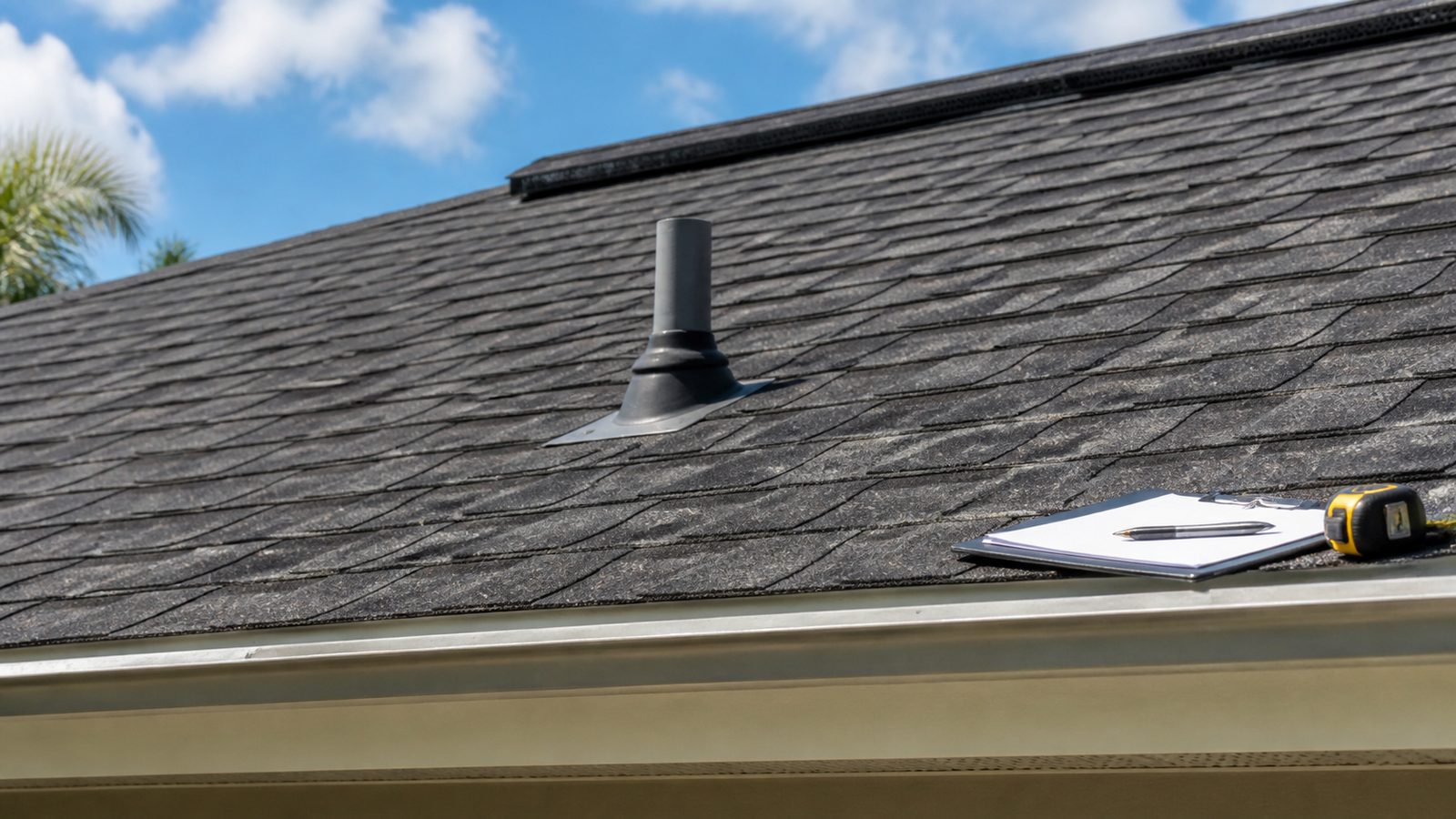
Getting an Independent Contractor Estimate Before the Adjuster Arrives
This is the most actionable step most Jacksonville homeowners skip. An independent contractor estimate:
- Documents the scope of damage before any cleanup or temporary repair
- Establishes current-market pricing for repairs in the Jacksonville market
- Provides a comparison baseline if the adjuster's estimate comes in low
- Demonstrates to the insurer that the homeowner acted promptly and in good faith
The estimate does not obligate you to hire that contractor. Use it as a document. If the adjuster's estimate matches yours, the claim process proceeds smoothly. If the adjuster's estimate is materially lower, you have written documentation of the discrepancy to submit with a supplement request.
For our approach to home construction and repair, see JK Prestige's home services.
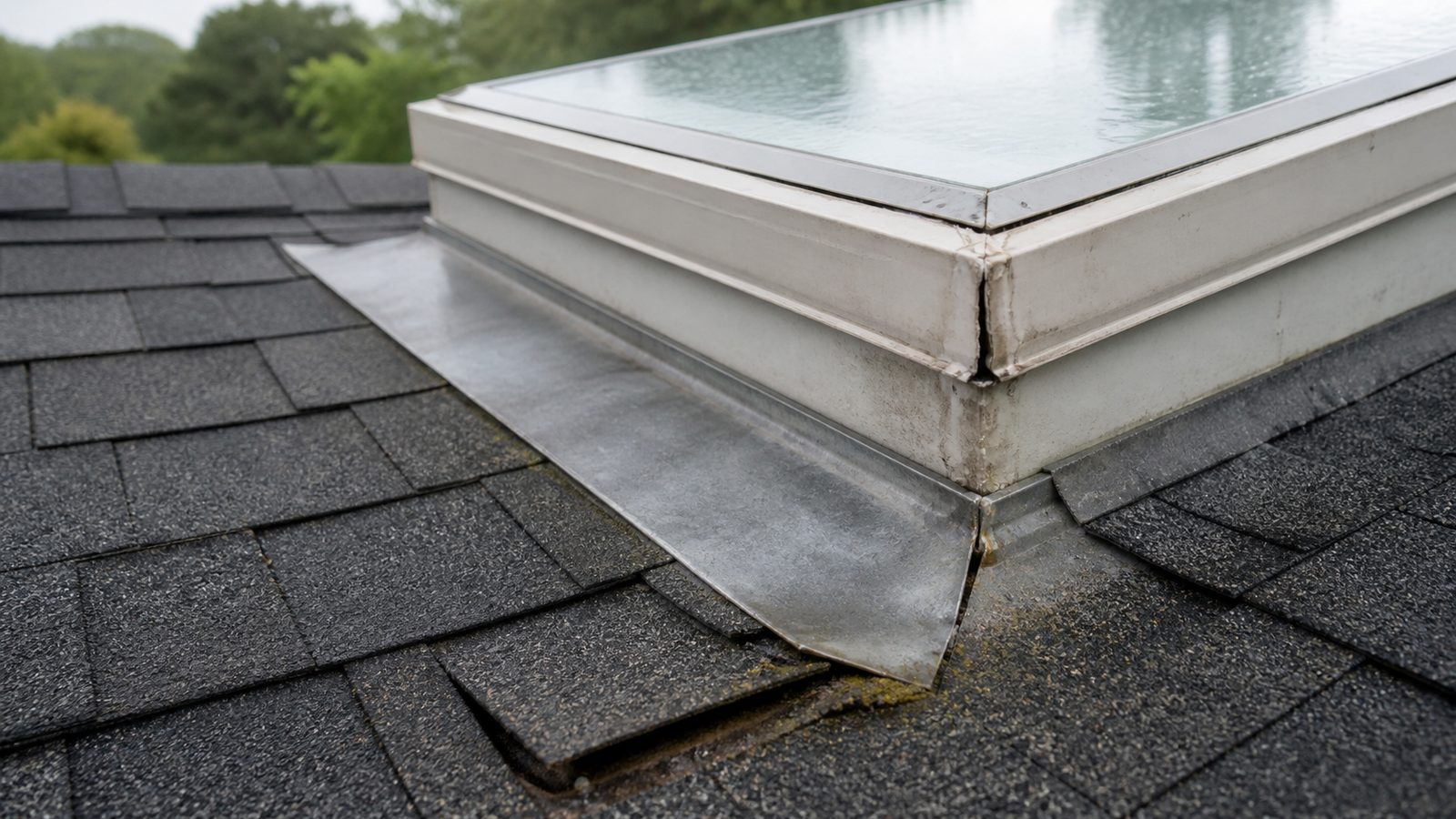
The Supplement Process: When the Adjuster Misses Scope
An insurance supplement is a request to reopen a paid claim to cover additional scope the original adjuster missed. Supplements are a normal part of the Florida claims process — not a dispute or a legal action.
To file a supplement:
- Complete the originally approved scope of work first (or document why additional scope was identified during repair).
- Document the additional damage with photos, your contractor's line-item estimate, and any relevant manufacturer documentation.
- Submit to the insurer in writing, referencing the original claim number.
- The insurer is required to respond within 30 days.
Common supplement items: additional roof decking that was found damaged upon tear-off, code-required upgrades identified by the building inspector (FL Building Code requires like-for-like replacement; code-required upgrades may be covered under a code upgrade rider), and interior water damage that was not visible at the time of the original inspection.
AOB Warning: Post-2023 Landscape in Jacksonville
Assignment of Benefits (AOB) allows a homeowner to sign over their insurance claim rights to a third party — typically a contractor — who then deals with the insurer directly. Florida's 2023 legislation (HB 837) effectively eliminated AOB for property insurance claims: insurers are no longer required to honor AOB assignments, and fee-shifting provisions that made AOB litigation profitable for plaintiff attorneys were removed.
Despite this, some contractors in the Jacksonville market still present AOB-like documents under different names: "direction to pay," "authorization to seek payment," or "irrevocable authorization." Read any document a storm-response contractor asks you to sign. Do not sign anything that assigns your rights, limits your ability to communicate with your insurer, or grants the contractor power of attorney over your claim. These arrangements remove your control over the settlement.
How to Select a Contractor Post-Storm: 6 Storm Chaser Red Flags
Jacksonville's post-storm contractor market reliably attracts out-of-state firms with no local history. These six patterns identify them:
- Out-of-state plates and no local address. A legitimate Jacksonville contractor has a physical office, a Florida CGC (Certified General Contractor) license, and a local crew.
- "We'll handle your claim" as the sales pitch. A contractor's job is to repair your property. Insurance claim negotiation is the adjuster's job, supplemented by a public adjuster if needed. A contractor who leads with claim management is often compensated by the claim outcome, not by your satisfaction with the repair.
- Pressure to sign before the adjuster visits. No legitimate contractor needs you to commit before the insurer has issued a payment. This pressure is designed to capture the claim before you can compare contractors.
- No Florida license or proof of insurance. Verify the license at myfloridalicense.com before signing anything. Require a Certificate of Insurance naming you as an additional insured.
- Vague or verbal scope of work. Every legitimate contractor provides a written scope tied to the insurance estimate. "We'll take care of everything" is not a scope.
- Unusually low deductible offers. Offering to "eat" your deductible or credit it against the contract is insurance fraud in Florida. It inflates the claim amount submitted to the insurer. Do not accept this offer.
JK Prestige is a Jacksonville-founded family-operated GC. Our founder answers every call, we carry full Florida CGC licensing, and we provide written fixed-price scopes before any work begins. See the JK Way for our approach.
Temporary Repairs: What Insurance Reimburses and What Voids Your Policy
Florida homeowner's policies require you to protect the property from additional damage after a covered loss. This is a duty of the insured, not optional. Failure to make reasonable temporary repairs can give the insurer grounds to deny additional damage caused by the delay.
Reimbursable Temporary Repairs
- Emergency tarping over damaged roof sections
- Boarding up broken windows or doors
- Water extraction and drying services in documented cases
- Generator rental if power loss is directly related to the storm event and covered under the policy
Keep all receipts. Submit them to the insurer with photos showing what was repaired and when. Temporary repair costs are typically paid separate from the permanent repair claim.
What Voids Coverage
- Permanent repairs started before the insurer has inspected (unless emergency conditions require it — document the emergency)
- Disposal of damaged materials before the adjuster inspects
- Repairs performed by an unlicensed contractor that fail to meet code — the insurer may reject coverage for subsequent failures related to non-compliant work
Timeline from Damage to Settlement in Florida's 2025 Environment
Florida's 2023 reforms tightened insurer response timelines but also reduced homeowner leverage in disputes. Current realistic timeline:
| Stage | Typical Duration |
|---|---|
| Claim filed | Day 1 |
| Adjuster inspection scheduled | 7–21 days after filing |
| Initial payment issued | 30–60 days after inspection |
| Supplement filed (if needed) | After initial payment received |
| Supplement resolution | 30–60 days after filing |
| Recoverable depreciation released (RCV policies) | After repair completion documented |
| Total (no dispute) | 60–90 days |
| Total (with supplement) | 90–150 days |
| Total (formal dispute, appraisal) | 6–18 months |
The appraisal process — a formal dispute mechanism in Florida where each party appoints their own appraiser and an umpire resolves disagreements — is the fastest formal dispute path since litigation timelines were extended by the 2023 reforms.
Ready to start? Get a written estimate in 48 hours. Call (904) 944-0278 or request a free consultation.
No call center. No coordinator. A JK principal reviews every inquiry and replies with a real number, not a range, not a follow-up form.
Request Free Estimate →