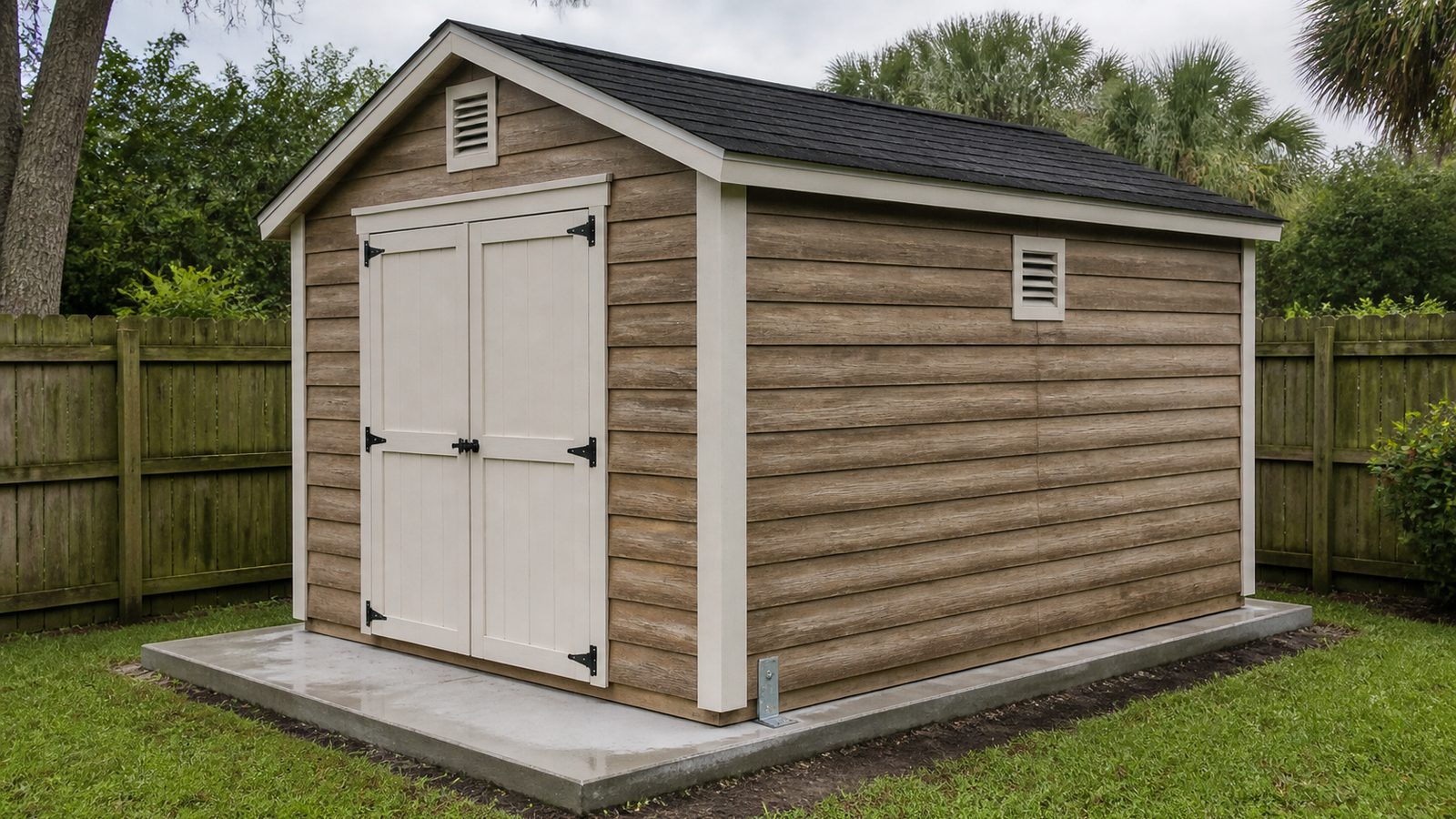
If you have ever driven through a Jacksonville neighborhood the week after a tropical storm, you have probably seen a shed roof wrapped around a fence, or a whole shed on its side a few lots down from where it started. A shed that is not properly anchored is not a minor loss. In wind, it becomes a heavy object moving fast, and it can put a hole in your neighbor's house, your car, or a person. Anchoring a shed correctly is cheap insurance against a problem that is expensive and dangerous. Here is what to know before you set a single anchor in your Duval County backyard.
When You Need a Permit in Jacksonville
Small accessory structures in Duval County often fall under a size threshold below which a building permit is not required, but that threshold changes over time and depends on how the structure is built and where it sits on your lot. Do not assume your shed is exempt just because it is a similar size to your neighbor's. Before you buy or build, call or visit the City of Jacksonville Building Inspection Division and confirm the current permit threshold, since relying on an old number or a box store's sales rep is how homeowners end up with a code enforcement notice.
A few things stay true regardless of the exact threshold. Even permit-exempt sheds still have to meet zoning setbacks from your property line and any easements, and sometimes from the water if you are near a canal or the river. Florida Building Code wind load provisions for accessory structures apply in many cases even when a full permit is not pulled, particularly once you cross into commercially manufactured or engineered shed territory. If any part of your lot sits in a flood zone, common on the Westside and near tidal water, additional elevation or anchoring rules can apply. And if you live in a deed-restricted community like Nocatee or Ponte Vedra, your HOA architectural review committee has its own rules on shed size, placement, and appearance, on top of city requirements. Check both before you dig.
Tools and Materials
- Helical (auger) ground anchors rated for shed tie-down use
- Anchor straps or cable kits matched to your anchor brand
- Steel bar or drill attachment for driving augers
- Torque wrench or impact driver
- Level and tape measure
- Concrete mix and forms, if pouring a slab or piers
- Rebar or wire mesh for slab reinforcement
- Stainless or hot-dip galvanized fasteners for coastal areas
- Gravel base material for drainage
- Wheelbarrow, shovel, and hand tamper
Step-by-Step
- Confirm your soil and site. Walk the pad after a hard rain. Standing water is a warning sign for both anchor holding power and floor rot, and means you should regrade or pick a different spot.
- Lay out anchor points. Most kits specify spacing at the corners and along the base rail, typically every 4 to 6 feet. Mark each point against the manual, since spacing too wide reduces wind resistance.
- Drive the auger anchors. Augers twist into the ground like a giant screw, and need to go in straight and to full depth to develop rated holding capacity. In Duval County's sandy soil, full depth matters more than in denser clay inland, since loose sand gives up holding power fast if the anchor is shallow.
- Attach the straps. Connect each anchor to the frame with a strap or cable rated for that anchor, running to a structural framing member, not just siding or trim. Tension it snug, not loose, and avoid overtightening to the point of racking the frame.
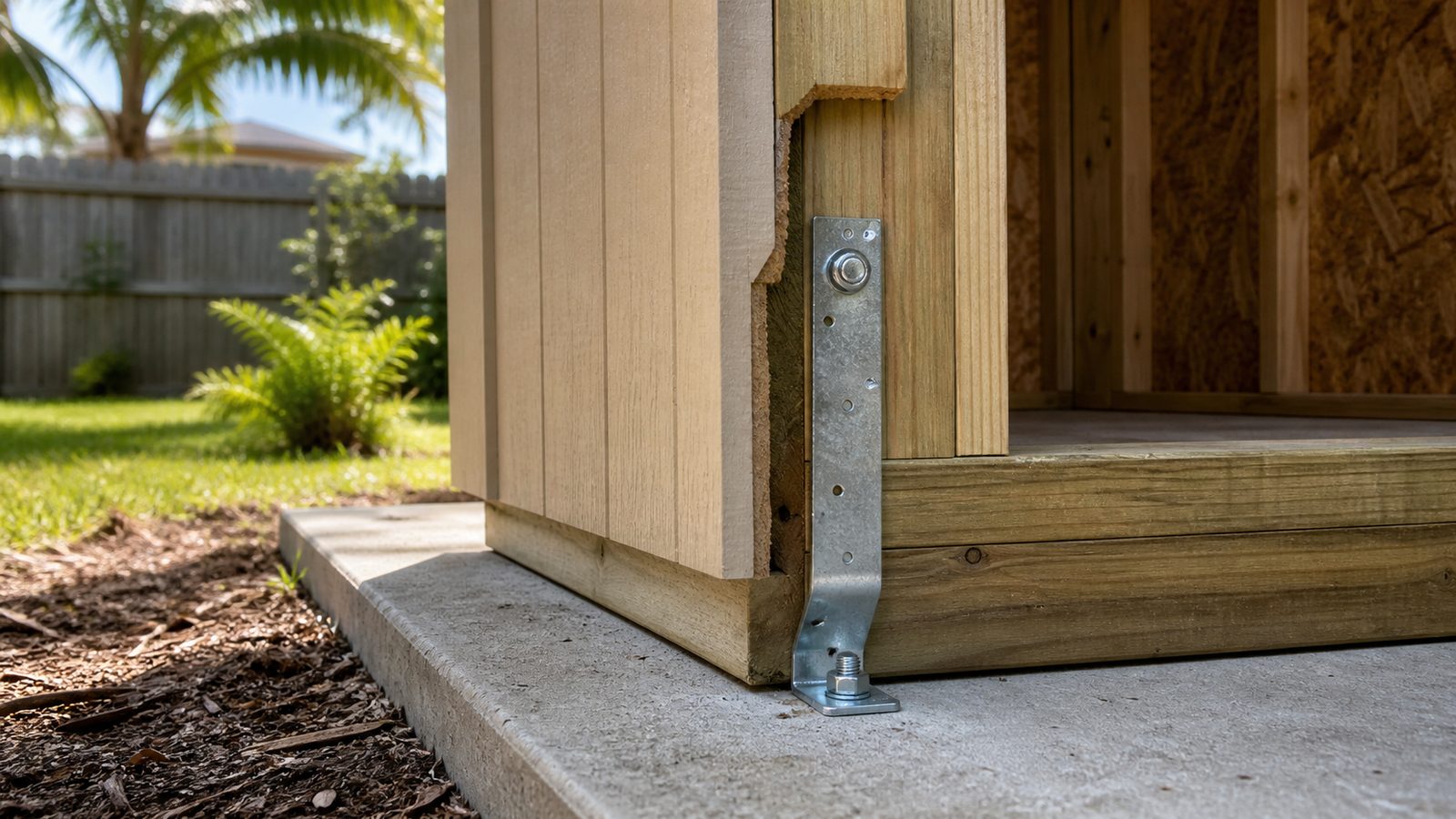
- If pouring a slab instead, form and reinforce it first. A concrete slab adds dead weight that resists uplift on its own, and lets you embed anchor bolts or straps directly into the concrete. Reinforce with rebar or mesh, and let it cure fully before setting the shed on it.
- Bolt the shed to the slab. Use embedded anchor bolts or post-installed epoxy anchors sized for the shed's base connection, spaced to local wind requirements.
- Recheck tension annually, and always right before hurricane season, since ground movement, wood shrinkage, and corrosion loosen connections over time.
Jacksonville Climate Considerations
Hurricane season here runs June through November, with the real risk window usually August through October. Have your anchoring finished and inspected by then, not the week a storm is already in the Gulf.
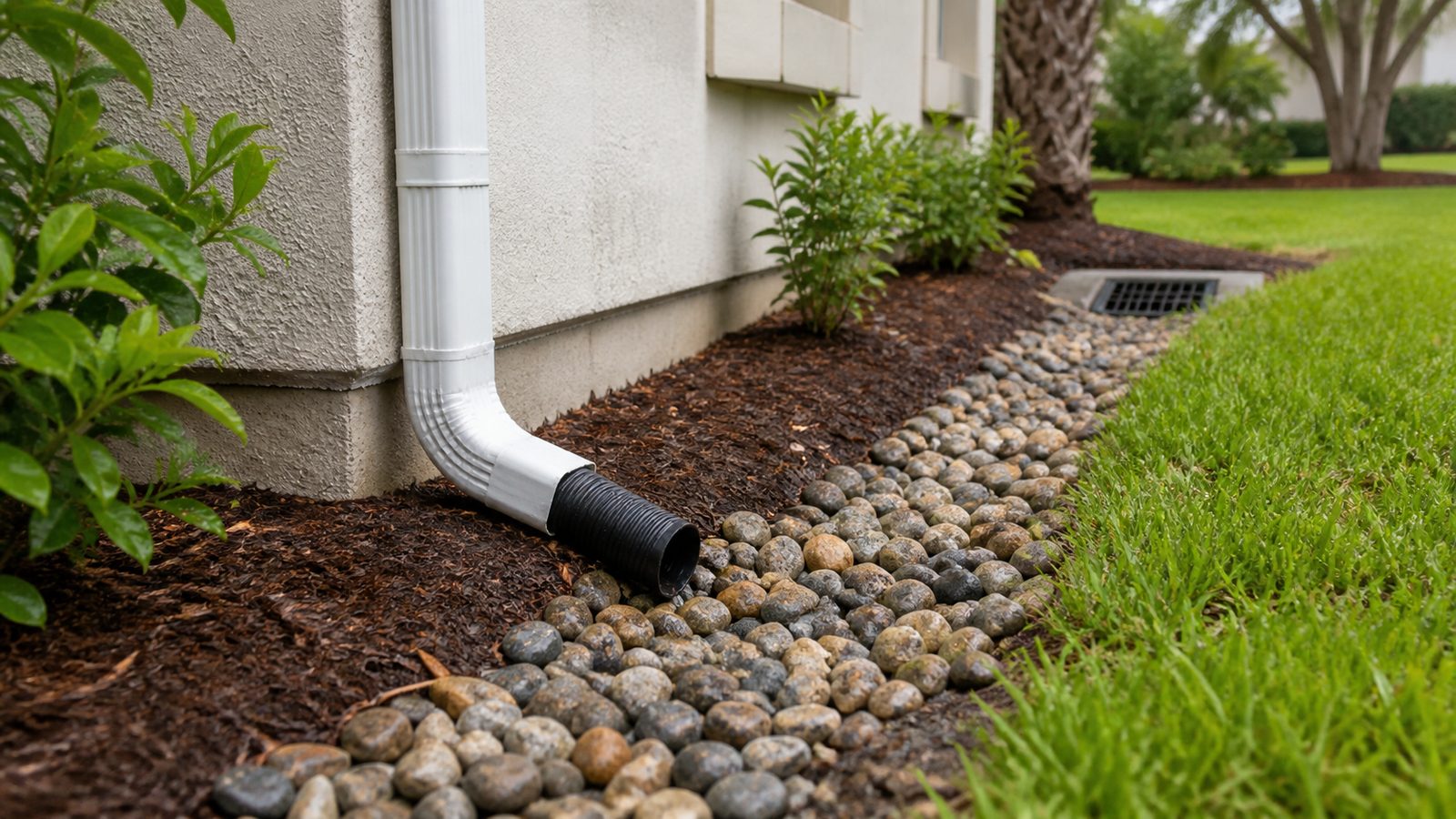
Duval County's soil is mostly sandy, and sandy soil holds an anchor less firmly than clay or loam. That is one more reason full-depth auger installation matters, and why a slab or pier foundation is worth considering on especially loose or low-lying ground. Areas near the river and on the Westside also tend to have a high water table, which can waterlog an anchor hole and leave the shed floor closer to standing water after a storm.
At the Beaches, in Atlantic Beach or Neptune Beach, salt air corrodes unprotected steel faster than you'd expect. Use stainless or hot-dip galvanized hardware there, and inspect it more often than you would inland in Nassau or Clay County, where drier air lets anchors hold up longer.
Keep wood framing or skids off direct ground contact. Florida's termite pressure is real, and a shed floor sitting in damp sandy soil invites rot and termites, no matter how well the structure is anchored against wind.
What It Costs in Jacksonville (DIY vs. Hiring a Pro)
| Approach | Typical Cost Range (2026) | Notes |
|---|---|---|
| DIY auger anchor kit (4-6 anchors) | $150 to $400 | Materials only |
| Pro-installed auger anchors | $400 to $900 | Labor and materials, same-day |
| DIY concrete slab (8x10 to 10x12) | $600 to $1,200 | Materials, forms, rented equipment |
| Pro-poured slab with anchor bolts | $1,800 to $3,500 | Excavation, forms, rebar, finishing |
| Permit and inspection fees | $75 to $300 | Varies by size and structure type |
When to Call JK Prestige
If you are building anything larger than a basic backyard kit, adding a slab foundation, or unsure whether your project needs a permit, that is where we come in. We handle the permitting conversation with the City of Jacksonville, size the anchoring to your actual soil and wind exposure, and make sure the structure is tied down right for our storm season, not just to code on paper.
No call center. No coordinator. A JK principal reviews every inquiry and replies with a real number, not a range, not a follow-up form.
Request Free Estimate →