Jacksonville's hurricane season runs May 1 through November 30. In a bad year, the city absorbs multiple named storm events and dozens of severe squall lines that produce 60-plus mile-per-hour gusts — enough to lift asphalt shingles, drive water under flashing, and crack older tile roofs without leaving dramatic visible damage at street level. After a major storm, Duval County insurance adjusters are handling surge volumes that push initial inspection appointments 2 to 3 weeks out. The documentation you create before that adjuster arrives is the only evidence that connects your damage to the storm event.
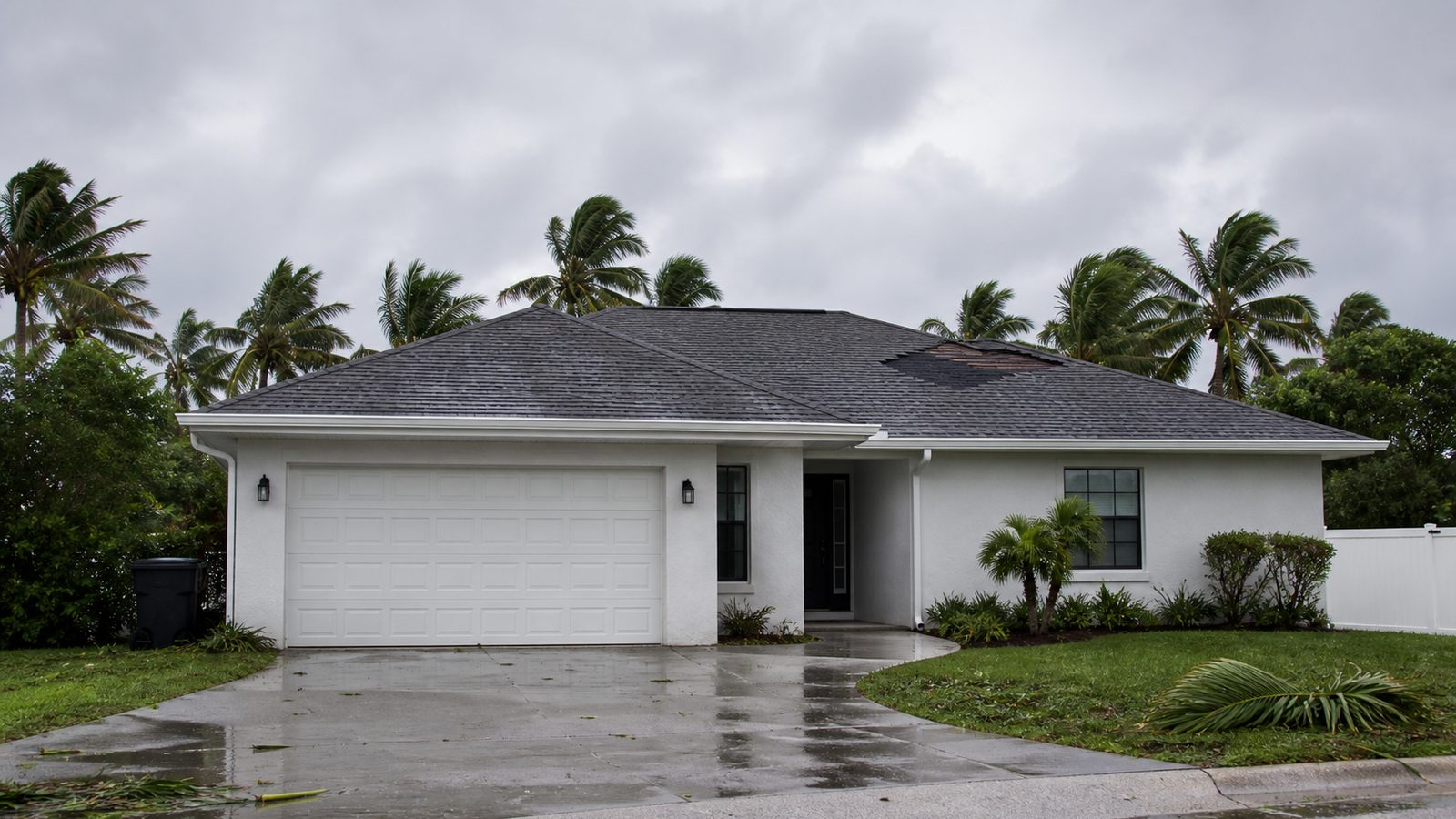
Step 1: Safety First — Do Not Climb a Wet or Damaged Roof
After a storm, do not go onto the roof. A wet asphalt shingle roof is as slippery as ice. Storm-damaged areas may have compromised decking that will not support weight. If a tree has fallen on the structure, the roof framing beneath it may be structurally compromised even where the tree is not. Wait until the roof is completely dry and, if you have any doubt about structural damage, wait for a licensed contractor to assess it before anyone walks it. You can accomplish most of what you need from the ground and from inside the attic.
Step 2: Photograph from the Ground First
Start your documentation from the street and walk the full perimeter of the property, photographing all four roof faces. Shoot wide-angle first to show the full extent of the roof, then move to close-ups of any visible damage: lifted shingles, missing sections, damaged ridge cap, debris embedded in the surface, granules washed into gutters, bent or detached drip edge, and any areas where the underlayment is exposed. Enable timestamp display on your camera or use your phone's native camera (all modern smartphones embed GPS coordinates and timestamps in EXIF metadata). Shoot video as well — a 2-minute walk-around video often captures details that still photos miss.
Step 3: Photograph from the Attic if Accessible
Before entering the attic, check for any smell of natural gas, sagging insulation, or the sound of active water flow — all reasons to stop and call a professional. If it is safe to enter, photograph from inside the attic looking up at the decking. Storm damage often shows clearly from below: daylight visible through cracked decking, wet insulation, active drips, water staining on rafters or trusses, or areas where the decking has separated from the framing. These interior attic photos are powerful documentation because they show storm-driven water intrusion that is not visible from the exterior.
Step 4: Capture Date and Timestamps on All Media
Every photo and video must be timestamped at or near the time of the storm event. Most smartphones do this automatically through EXIF metadata, but enable timestamp overlay in your camera settings if available so the timestamp is visible in the image itself — this creates a visible, readable record that does not depend on metadata that insurers may or may not review. If you are taking photos on a dedicated camera without timestamp display, photograph a written note at the start of each session showing the date and time. Insurers use timestamps to establish causation — without them, the carrier can argue damage was pre-existing.
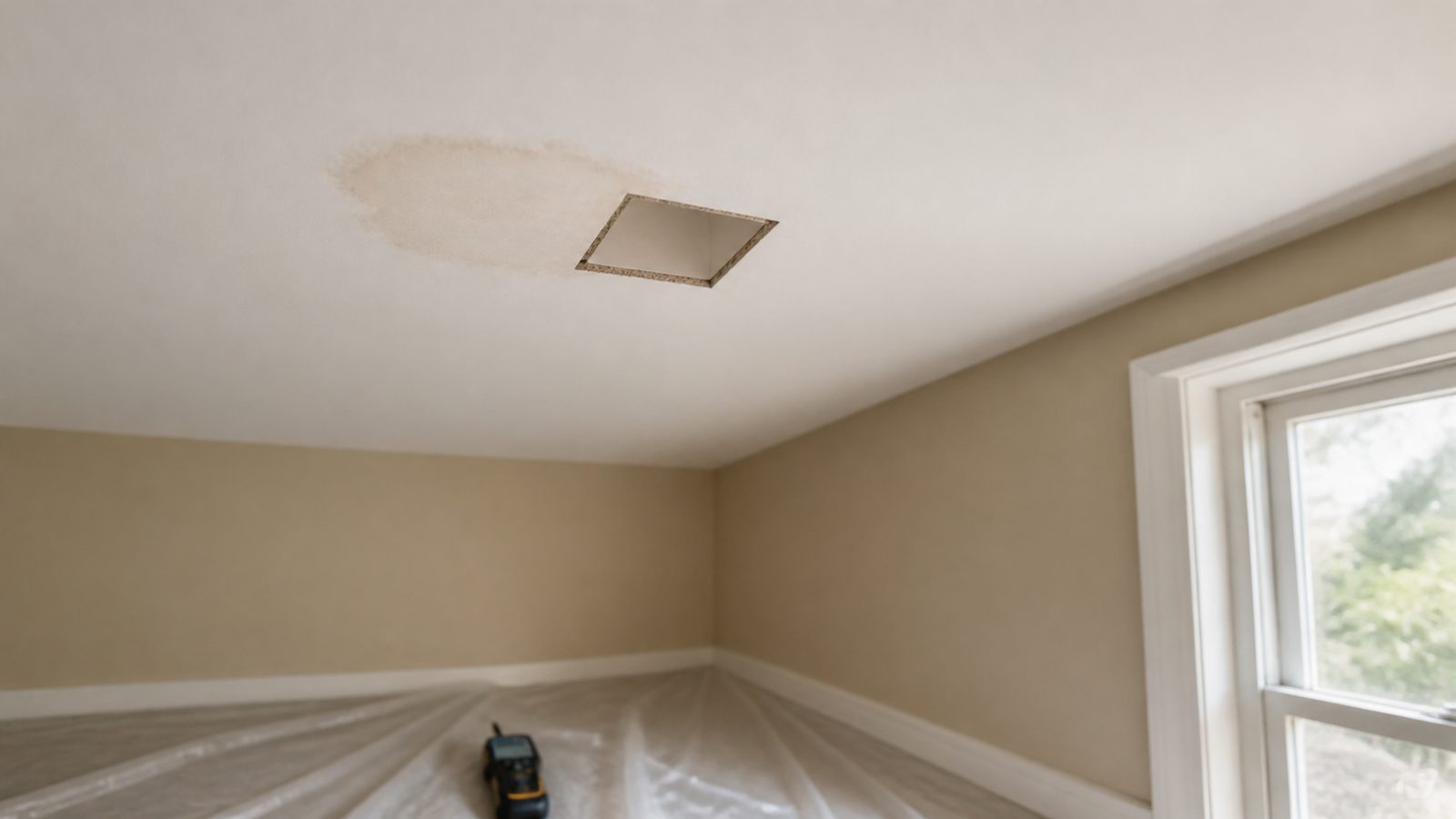
Step 5: Document Interior Water Intrusion Separately
Interior water damage is documented separately from roof exterior damage, even when it is caused by the same storm. Photograph every ceiling stain, active drip, or wet wall with close-ups showing the stain pattern and any discoloration. Photograph the floor beneath any drip with a measuring tape visible to show the area of intrusion. If water has reached insulation, flooring, or drywall, photograph those materials separately. Create a room-by-room written log: "Master bedroom — ceiling stain approximately 24 inches by 36 inches, located 8 feet from east wall, active drip during rain." This level of detail is not bureaucratic padding — it matters when a claims adjuster reviews the scope.
Step 6: Photograph Neighboring Properties for Causation Evidence
If neighboring homes show similar damage — lifted shingles, missing fence sections, downed branches — photograph them. These images help establish that the damage pattern is consistent with a storm event rather than pre-existing wear on a single property. This is particularly important in Florida, where insurers frequently challenge claims by arguing that damage occurred due to age and neglect rather than the insured storm event. Photos of three neighboring homes with identical shingle lift on the same roof face are strong causation evidence.

Step 7: Create a Written Log and Call a Contractor for an Independent Scope
Before the adjuster arrives, create a written summary of the event: date and time of storm, local weather reports or National Hurricane Center data (save the URL), your first observation of damage, and a room-by-room listing of all damage you observed. Then call a licensed roofing contractor to perform an independent written scope of damage. Ask the contractor to document damage in writing with their own photographs before the adjuster visit, not after. That independent written scope, created before the adjuster's visit, is your reference for evaluating whether the adjuster's estimate is complete.
Local Context
Jacksonville's peak storm surge for adjusters occurs after named storms that affect NE Florida. After Hurricane Irma in 2017 and Hurricane Ian in 2022, Duval County adjusters were booked 3 to 6 weeks out. Homeowners who documented damage within the first 24 hours had a clear record of the event. Those who waited faced adjuster questions about whether damage occurred during the storm or from subsequent weather events.
Get a written estimate in 48 hours. Call (904) 944-0278 or request a free inspection.
JK Prestige Construction provides independent written storm damage assessments for Jacksonville and Duval County homeowners. We document damage with our own photography and written scope, and we coordinate with your adjuster directly. See our roofing services for details on what we inspect.
No call center. No coordinator. A JK principal reviews every inquiry and replies with a real number, not a range, not a follow-up form.
Request Free Estimate →