Florida has more roofing insurance claims per year than any other state. The storms that drive that volume — tropical systems, fast-moving squall lines, hail — can damage a roof without leaving visible debris on the ground. Most homeowners discover roof damage after it has already caused interior water intrusion. At that point, the documentation decisions made in the first 24 hours determine whether the claim pays out accurately or leaves thousands of dollars on the table.
Step 1: Document Everything Before Touching Anything
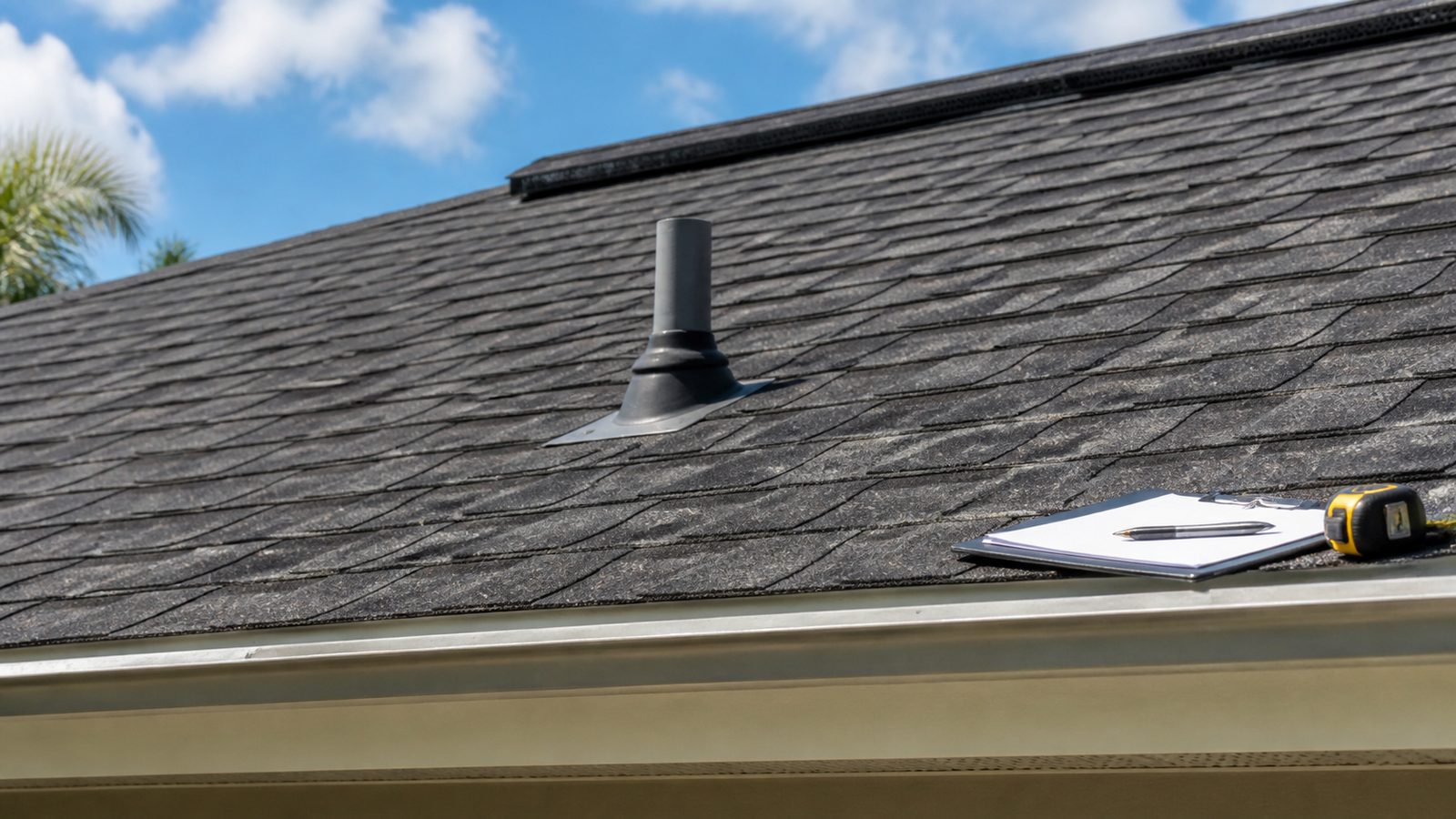
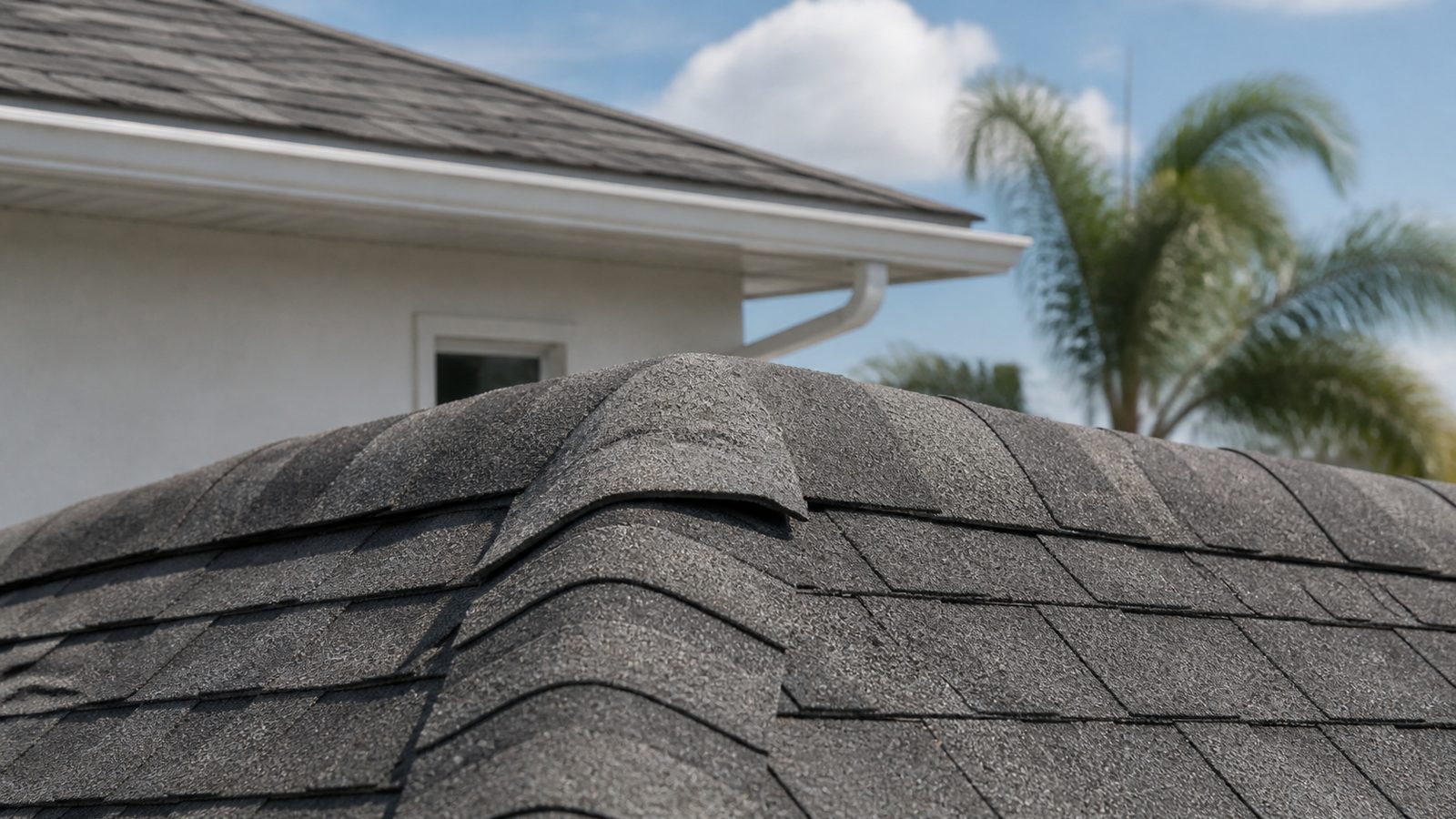
Before a single shingle is touched or a tarp is placed, photograph and video the damage thoroughly. Shoot from the ground using your phone's timestamp function — all modern smartphones embed the date and time in image metadata, which insurers use to verify that damage photos were taken before any repair work. Photograph the roof from all four sides. Capture close-ups of visible damage: lifted shingles, missing sections, damaged ridge cap, cracked pipe boot flashings, granule loss in gutters. If there is interior ceiling damage from water, photograph that too, separately. The photos taken in the first hour after discovery are the most important documentation you will create.
Step 2: Call Your Insurance Company Within 24–48 Hours
Florida law (Statute 627.70132) requires homeowners to report property damage to their insurer within a "reasonable time" — as of 2023 legislation, claims for roof damage must be filed within two years of the date of loss. However, waiting weeks or months to report gives the insurer grounds to dispute the date of damage and link it to pre-existing wear rather than the storm event. Call your insurer's claims line within 24 to 48 hours of discovering damage. You will receive a claim number — record it and use it on all subsequent communications.
Step 3: Understand Your Policy — ACV vs. RCV
Two coverage types exist for roofs in Florida homeowner policies. Actual Cash Value (ACV) coverage pays the depreciated value of the roof — if your 15-year-old asphalt shingle roof originally cost $12,000 to install and is estimated at 50% depreciated, ACV pays $6,000 before your deductible. Replacement Cost Value (RCV) coverage pays the full cost to replace the roof with like-kind materials, with depreciation "held back" until you complete the replacement. Read your declarations page carefully. Many Florida insurers moved customers from RCV to ACV on roofs over 10 years old as of 2022 policy renewals without prominent notice. If you have ACV coverage and did not know it, the claim math will be significantly different than expected.
Step 4: Get an Independent Roofing Estimate Before the Adjuster Arrives
Once the claim is filed and an adjuster visit is scheduled (typically 5 to 14 days out), contact a licensed roofing contractor for an independent written scope and estimate before the adjuster arrives. This is critical. The adjuster works for the insurance company, and their scope of damage — what they include, what they exclude, the unit pricing they use — directly determines the initial claim payout. Having your own written estimate allows you to compare line by line against the adjuster's scope and identify discrepancies immediately rather than trying to dispute them after the fact.
Step 5: Request an Adjuster Visit and Be Present
Ask your insurer to schedule an in-person roof inspection by an adjuster — do not accept a "virtual adjustment" for a significant claim. Be present when the adjuster is on-site. Ask them to walk the roof with your contractor if the contractor is available for the same window. Document everything the adjuster photographs. Ask the adjuster what their scope includes before they leave. You are not required to accept their findings on-site; the written estimate will come later by email or mail.
Step 6: Compare the Adjuster's Scope Against Your Independent Estimate
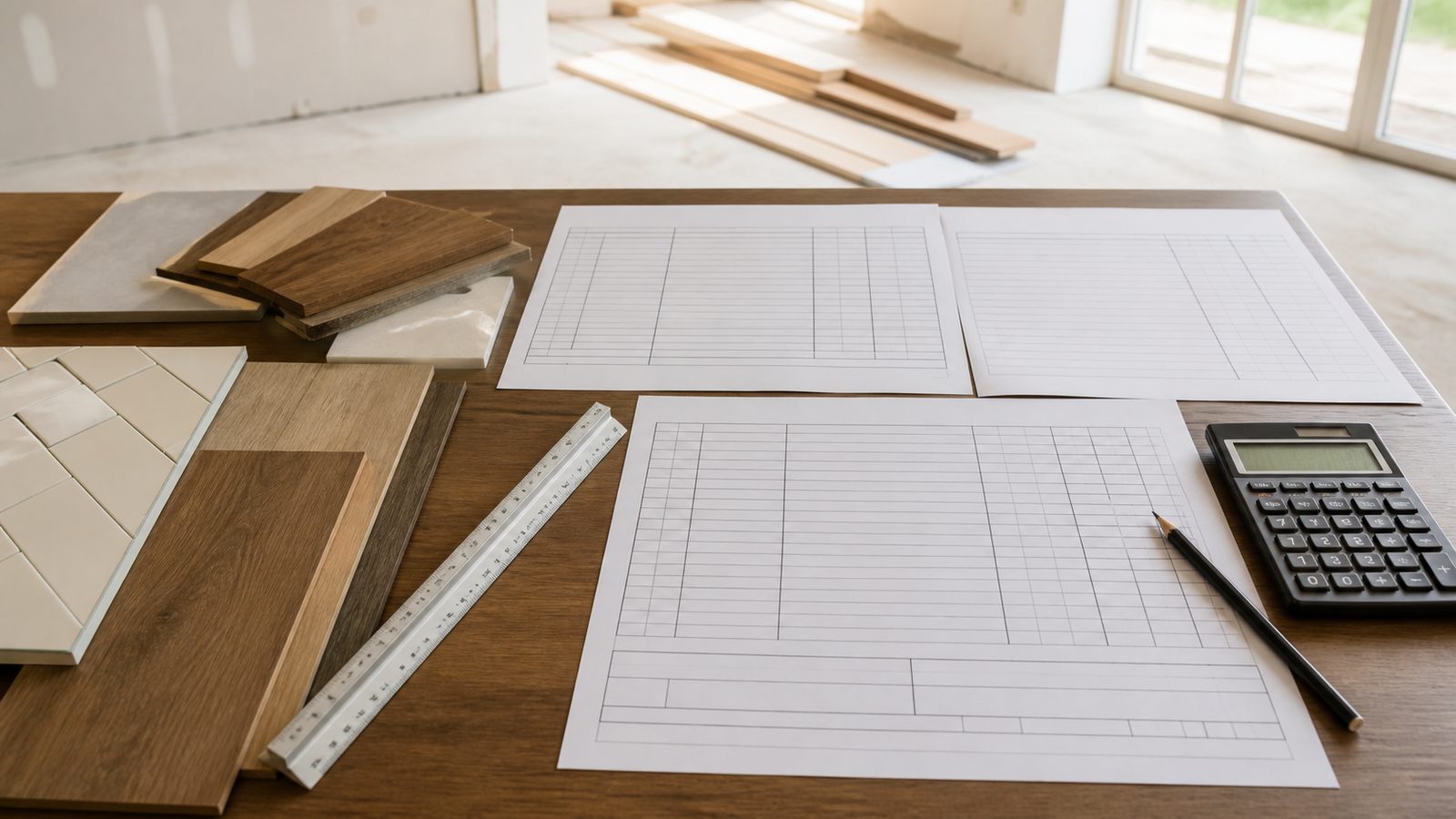
When you receive the adjuster's written scope and cost estimate, compare it line by line against the independent roofing estimate. Common areas where adjuster scopes undercount: missing line items for drip edge replacement, starter course, ridge cap, pipe boot flashings, and ice and water shield underlayment (required by Florida Building Code in specific zones). Unit pricing discrepancies are also common — the adjuster may price labor and materials at rates that do not reflect current Jacksonville market pricing. Document every discrepancy with specific reference to code requirements and current material costs.
Step 7: Dispute Underpayment if Needed
If the adjuster's scope is materially lower than your independent estimate, submit a written dispute to your insurer referencing specific line-item discrepancies and Florida Building Code requirements. Include the independent roofing estimate as a supporting document. Most policies allow you to request a re-inspection or invoke the appraisal clause, where a neutral third-party appraiser resolves the dispute. Do not sign a final release or settlement agreement until the full scope is agreed upon and reflects the cost to replace the roof correctly under current code requirements.
Critical Warnings
- Florida's Assignment of Benefits (AOB) law was significantly restricted in 2023 (Senate Bill 2-A). Signing an AOB transfers your insurance claim rights to a contractor, removing your ability to participate in or dispute the claim outcome. Do not sign any document from a roofing contractor titled "Assignment of Benefits," "Direction to Pay," or "Limited Power of Attorney" until your own attorney reviews it.
- Do not allow a contractor to "work for your deductible" or waive your deductible. This is insurance fraud under Florida Statute 817.234 and can void your policy.
- Temporary repairs (tarp placement) are covered by most policies. Make temporary repairs to prevent further damage, document them with photos and receipts, and submit those costs to the insurer separately.
Get a written estimate in 48 hours. Call (904) 944-0278 or request a free inspection.
JK Prestige Construction provides independent written roofing scopes to homeowners filing insurance claims in Jacksonville and throughout Duval County. Our GAF Master Elite certification and ICRA-trained crews document damage correctly, and we never ask you to sign insurance paperwork before you have received our written estimate. See our roofing services page for more.
No call center. No coordinator. A JK principal reviews every inquiry and replies with a real number, not a range, not a follow-up form.
Request Free Estimate →