The certificate of occupancy (CO) is the finish line for every construction project in Florida. No CO, no legal occupancy. For commercial projects, that means no business operations, no tenant, and no revenue from the space you have been financing and building for months.
CO delays are frustrating because they often come at the end of a long project when everyone's patience is worn thin. What makes them worse is that most CO delays are predictable. A GC who sequences inspections correctly, manages open permit issues, and coordinates with the fire inspector before the project is complete should rarely be surprised by a CO delay.
At JK Prestige Construction, the inspection sequence is mapped in advance on every project. This guide explains what every owner should understand about how Florida's CO process works.
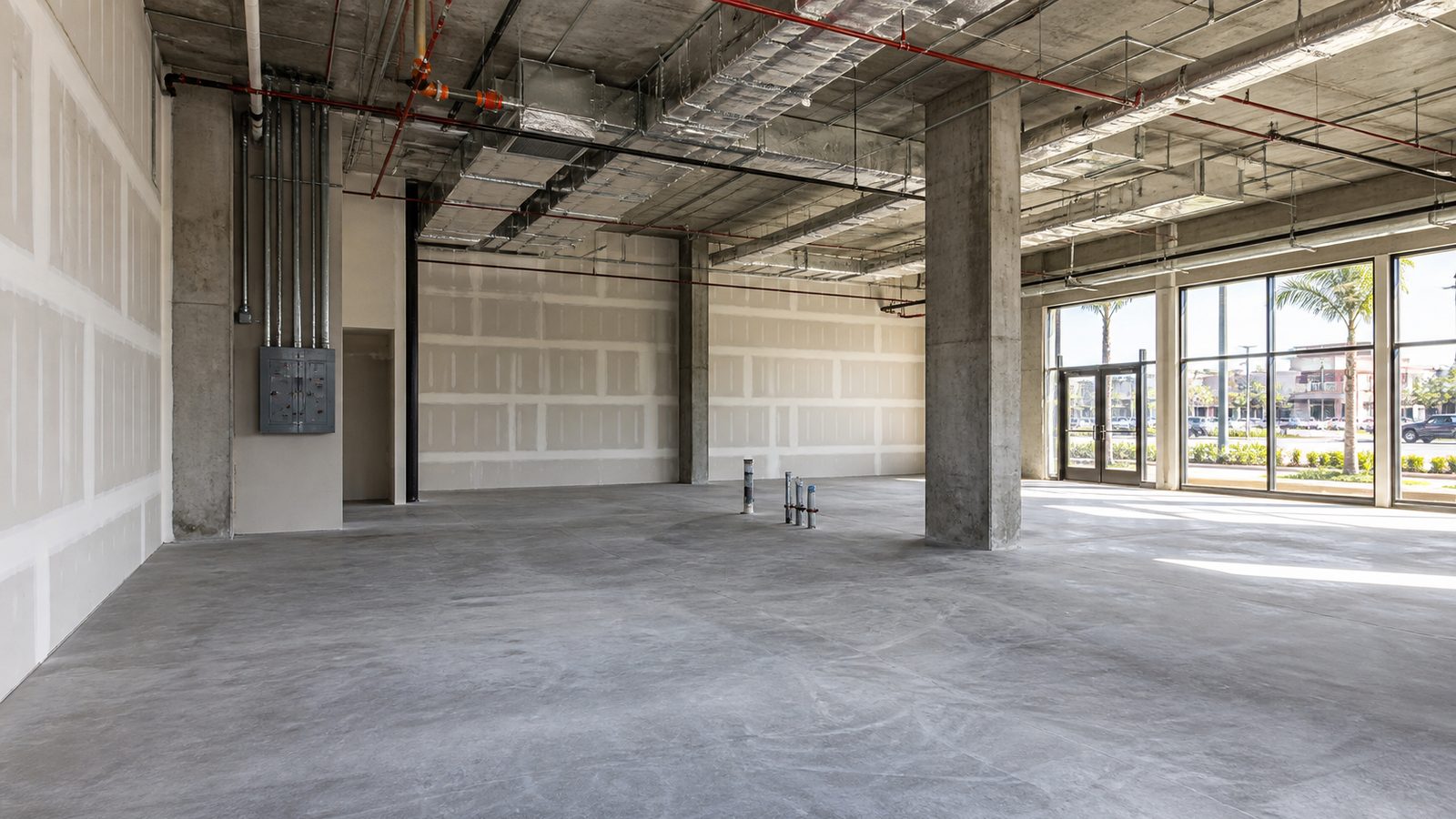
Step 1: Understand That CO Is Issued After All Inspections Pass
A certificate of occupancy is issued by the local building authority -- in Jacksonville, that is the City of Jacksonville (COJAX) Building Inspection Division -- only after every required inspection for the project has passed and all conditions of the building permit have been satisfied.
"All inspections passed" means:
- Every trade inspection (structural, electrical, plumbing, mechanical) has been called in, conducted, and received a pass result
- Any failed inspection has been corrected and re-inspected successfully
- All plan review comments that were conditions of permit issuance have been addressed
- All required third-party inspections (fire suppression, elevator, specialty systems) have been completed and reports submitted
A CO is a legal certification by the jurisdiction that the building meets the Florida Building Code (FBC) requirements as constructed. It is not the same as the architect's or GC's certification of substantial completion -- the building department makes the CO determination independently.
Pro tip: Request a copy of all permit documents at the start of the project, not the end. The inspection list and any special conditions attached to the permit are in those documents. Know in advance what the building department expects.
Step 2: Know the Inspection Sequence
The order of inspections matters. Most inspections in the FBC process are sequential -- you cannot call for a final inspection until rough-in inspections have passed. Here is the typical sequence for a commercial project in Jacksonville:
Phase 1 -- Foundation and underground:
- Foundation inspection (before concrete is poured)
- Underground plumbing and electrical (before backfill)
Phase 2 -- Rough-in (before drywall is closed):
- Framing inspection
- Rough plumbing inspection
- Rough electrical inspection
- Rough HVAC inspection
- Fire suppression rough-in inspection (separate from building)
Phase 3 -- Insulation:
- Insulation inspection (some jurisdictions)
Phase 4 -- Finals:
- Building final inspection
- Electrical final inspection
- Plumbing final inspection
- Mechanical final inspection
- Fire inspection (Jacksonville Fire and Rescue Department (JFRD))
- Fire suppression final (JFRD)
- Site and civil inspection (if required by the civil permit)
Warning: Calling for a final inspection before all rough-in inspections are documented as passed is a common error that results in a failed final inspection and additional scheduling delays. Confirm with your GC that every prior inspection has a passing result before scheduling finals.
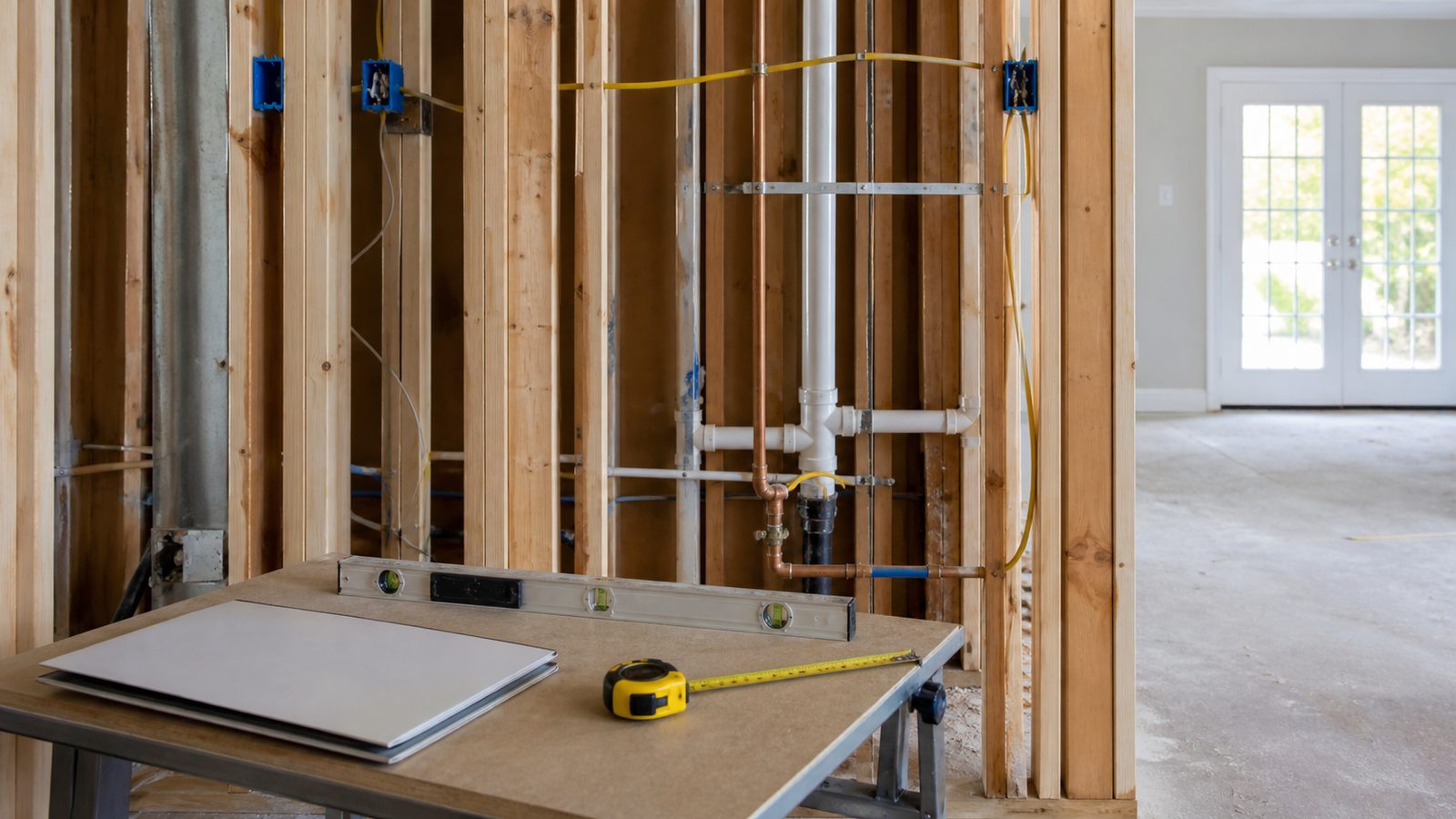
Step 3: What Causes CO Delays in Jacksonville
The most common causes of CO delays in Jacksonville commercial construction:
Open permits: Every permit that has ever been pulled on the property must be closed before a new CO can be issued. If a previous contractor pulled a permit for work that was never inspected or never finaled, that open permit will block your CO. Pull a permit history search through COJAX before construction starts on any existing building.
Failed inspections: A single failed inspection requires scheduling a re-inspection, which takes additional time. Jacksonville building department re-inspection wait times vary -- plan for 1 to 3 business days. Multiple failed inspections compound the delay.
Outstanding plan review comments: If the permit was issued with conditions -- design changes required, deferred submittals due during construction -- and those conditions have not been addressed, the CO will not be issued. Track all permit conditions from issuance and close them before the project end.
Fire inspection and sprinkler certification: Fire inspections in Jacksonville are conducted by the Jacksonville Fire and Rescue Department, which operates on its own schedule independent of the building department. Fire inspection must pass before the building department will issue CO. For projects with fire suppression systems, a sprinkler contractor certification and hydrostatic test report must be submitted to JFRD before the fire inspection is scheduled.
Elevator inspection: If the project includes an elevator, a Florida licensed elevator inspection must pass and documentation submitted before CO. Elevator inspections are conducted by the Florida Department of Business and Professional Regulation (DBPR), not the local building department. Coordinate the DBPR inspection scheduling well in advance.
Pro tip: Request a "pre-CO meeting" with the building department inspector approximately 3 weeks before your target CO date. Walk through the outstanding items list. Some COJAX inspectors will do this informally if asked. It surfaces problems before the CO date, not on it.
Step 4: How to Clear a Red Tag Before CO
A red tag (stop work order or failed inspection notice) posted on a building in Jacksonville is a legal order to halt construction on the affected scope until the cited deficiency is corrected and re-inspected.
To clear a red tag:
- Identify exactly which inspection failed and what the cited deficiency is. The red tag citation should specify the code section and describe the non-compliance.
- Correct the deficiency -- this may require demolition of finished work to access the underlying problem.
- Schedule a re-inspection through the COJAX online portal or by phone.
- Pass the re-inspection. The inspector will remove the red tag upon satisfactory re-inspection.
For a red tag that involves a code interpretation dispute -- where you believe the work is compliant and the inspector disagrees -- you have the right to request a formal interpretation from the COJAX Building Official. This process takes longer but may be appropriate when the correction cost is significant and the code basis for the citation is unclear.
Warning: Continuing construction in violation of a red tag is a serious violation of Florida law and can result in permit revocation, additional fines, and in extreme cases, requirement to demolish and reconstruct the affected work. Do not work around a red tag.
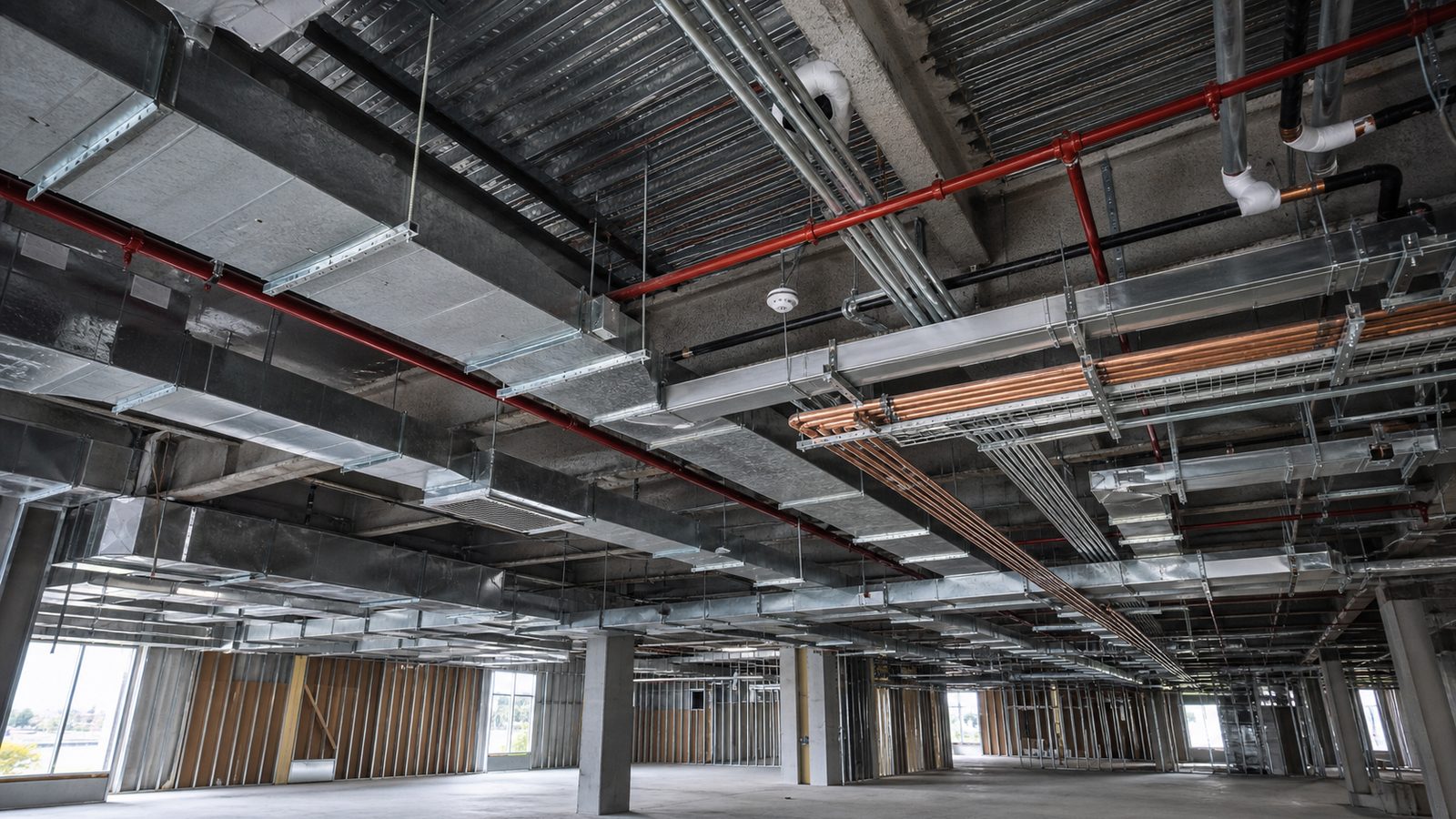
Step 5: For Commercial Projects -- Fire Inspection Is Often the Long Pole
On commercial projects in Jacksonville, the fire inspection and fire suppression certification are consistently the activities with the most schedule risk at project completion. Here is why:
- The Jacksonville Fire and Rescue Department is a separate agency from COJAX. JFRD operates on its own inspection schedule and does not automatically coordinate with COJAX on project timelines.
- Fire suppression systems require a full-flow test, hydrostatic pressure test, and a complete contractor certification package before JFRD will schedule a final inspection.
- If the fire suppression system has been modified from the original approved drawings -- even slightly -- an amended submittal may be required before the final inspection is approved.
- JFRD fire inspection scheduling can take 5 to 10 business days from the time the inspection is requested.
Sequence fire inspection work to finish before building finals, not simultaneously. Confirm with your sprinkler subcontractor that the certification package is complete and submitted to JFRD at least 10 business days before your target CO date.
JK Prestige Construction sequences inspections in advance on all commercial projects. The fire inspection, sprinkler certification, and building department finals are coordinated as a planned sequence, not as independent activities that happen to end at the same time.
Step 6: What Happens If You Occupy Before CO in Florida
Occupying a building before CO is issued is a violation of Florida law and carries real consequences.
Civil penalties: Under Florida law, the building official can require the owner to vacate the property immediately. The building department can issue a stop-use order enforceable by local law enforcement.
Insurance implications: A property and casualty insurance policy covering a commercial building may have provisions that limit coverage during unpermitted or pre-CO occupancy. Review your policy language before allowing anyone to occupy the space.
Liability exposure: If an incident (fire, injury, structural failure) occurs in a building occupied before CO, the owner's liability exposure is significantly elevated because the building has not been certified as code-compliant.
Lease implications: Some commercial leases tie rent commencement to CO issuance. Occupying before CO -- even for setup, furniture installation, or "soft" operations -- may trigger unintended rent commencement under the lease terms.
Pro tip: If you need to occupy a portion of the building before the full CO is issued, ask your GC whether a Partial Certificate of Occupancy (PCO) or Temporary Certificate of Occupancy (TCO) is available for the completed portion. These are issued by the building department when a defined portion of the building meets all code requirements, even if the remainder does not. TCOs are common on phased projects.
For home renovation projects, new homes, and commercial construction in Jacksonville, JK Prestige Construction manages the entire inspection sequence and CO process. The principal personally tracks open inspection items on every active project.
Get a written estimate in 48 hours -- call (904) 944-0278 or request a consultation.
No call center. No coordinator. A JK principal reviews every inquiry and replies with a real number, not a range, not a follow-up form.
Request Free Estimate →