Florida's Construction Lien Law, codified in Chapter 713 of the Florida Statutes, exists to protect property owners, contractors, and suppliers. The Notice of Commencement (NOC) is the document that kicks that system into gear. Without one, subcontractors and material suppliers can file liens against your property even if you paid your general contractor in full — and you may have no legal defense against paying twice. For any project with a contract price exceeding $2,500, Florida law requires a recorded NOC before the first inspection can be approved.

Step 1: Understand What the NOC Does and Why It Matters
The NOC establishes the legal start date for lien rights on your project. Once recorded, any subcontractor, supplier, or laborer who wants to preserve lien rights must serve you with a Notice to Owner (NTO) within 45 days of their first furnishing of labor or materials. That NTO is your early warning system — it tells you who is supplying the project and whether they have been paid. Without a recorded NOC, suppliers may argue that the lien clock has not started, extending the window during which they can file a claim against your property title even after the project is done.
Step 2: Determine Who Files the NOC — Owner or General Contractor
The NOC can be filed by the owner or the general contractor (GC), but it must be signed by the owner or the owner's authorized agent. In practice, the GC prepares the form and coordinates recording, but the owner must review and sign it. On JK Prestige Construction projects, we prepare the NOC for every project over the $2,500 threshold and handle recording as a standard part of project start-up. If your contractor does not mention the NOC before breaking ground, ask immediately.

Step 3: Assemble the Required Content
Florida Statute 713.13 specifies exactly what a valid NOC must contain. At minimum: a legal description of the property (not just the street address — the full legal description from the property appraiser's records), the owner's name and address, the GC's name, address, and license number, the intended commencement date, the anticipated completion date, the description of the improvement (scope of work), the name and address of any construction lender (if financing is involved), and the name and address of any surety bonding the project. Omitting any required field can invalidate the document. Use the official Florida NOC form or a version prepared by a licensed attorney or the GC.
Step 4: Record the NOC with the Duval County Clerk of Courts
The NOC must be recorded in the official records of the county where the property is located — for Jacksonville properties, that is the Duval County Clerk of Courts. Recording can be done in person at the Clerk's office at 501 West Adams Street, Jacksonville, FL 32202, or by mail with a check for the recording fee. As of 2024, recording fees are $10 for the first page and $8.50 for each additional page. The Clerk's office returns a certified copy with the official recording stamp (book and page number, or instrument number) — you need that certified copy to post at the job site and to provide to your contractor.
Step 5: Post the NOC at the Job Site
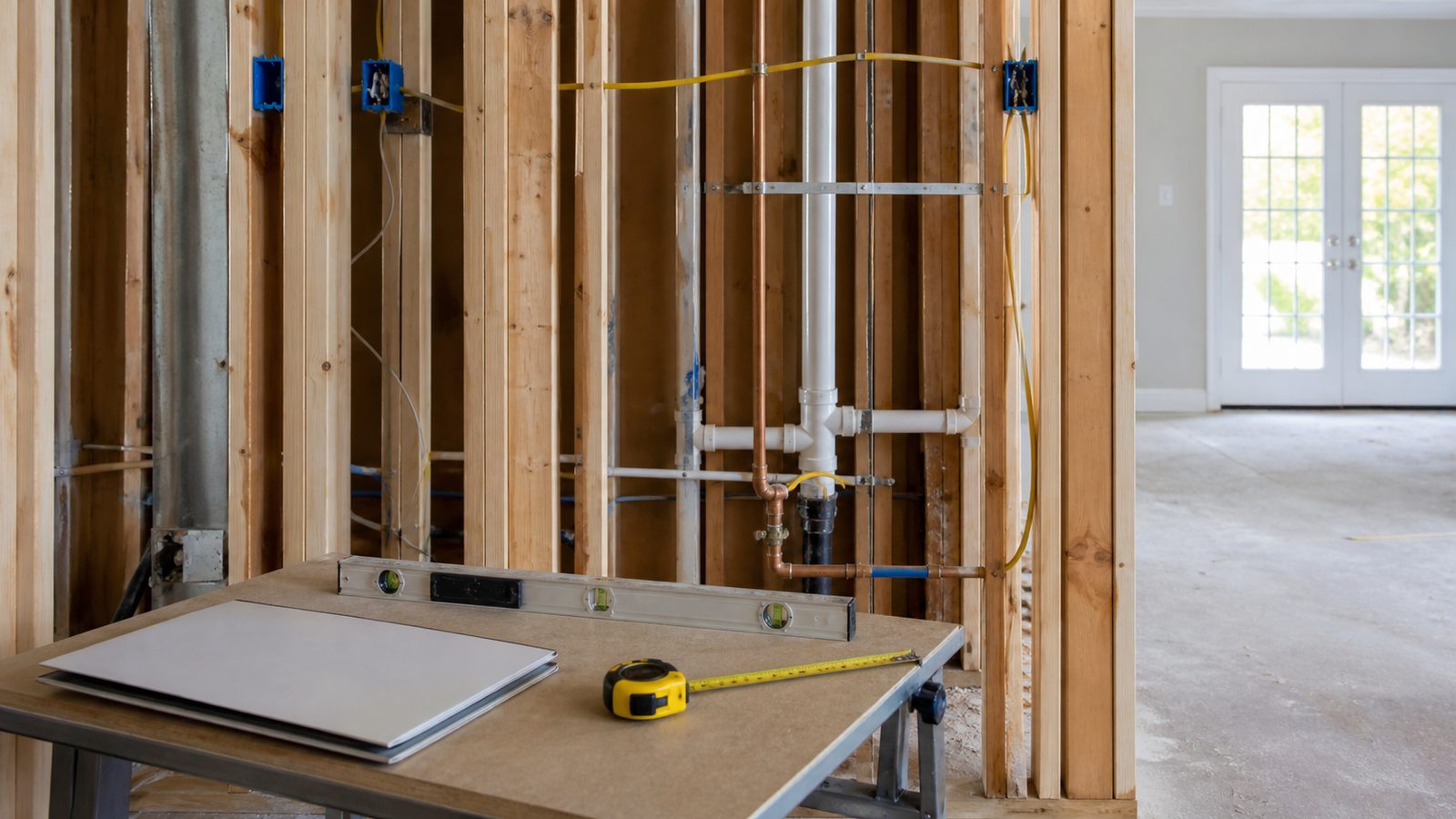
Florida law requires the NOC to be posted at the job site "in a conspicuous place" before construction begins. Practically, this means taping a certified copy to the temporary permit box or the project sign at the property line. The posted NOC is what subcontractors and suppliers use to determine the recording date and the owner's address for their Notices to Owner. If the NOC is not posted and a supplier cannot locate it, disputes over lien rights become significantly more complicated.
Step 6: Understand What Happens If You Skip It
Building permit inspections in Florida cannot proceed without a recorded NOC on file with the building department. If you skip the NOC and construction starts, the building department will halt inspections until one is recorded. More critically, the absence of a recorded NOC creates a legal gray zone where material suppliers — including companies you have never interacted with — may file liens on your property without having served an NTO, because the lien clock was never started. Clearing a cloud on title caused by disputed liens is expensive and can delay a property sale by months.
Pro Tips
- If your project is being refinanced or you are adding a construction loan mid-project, the existing NOC may need to be terminated and a new one recorded naming the new lender. Consult a construction attorney before making financing changes mid-project.
- The NOC expires one year after recording unless a new NOC is recorded or the permit is extended. For projects that run long, check expiration dates.
- Keep a certified copy of the recorded NOC in your project file. If a lien is ever filed, your attorney will need it immediately.
Get a written estimate in 48 hours. Call (904) 944-0278 or request a free inspection.
JK Prestige Construction files the Notice of Commencement on every project as a standard step — no extra charge, no owner chase. It is part of how JK Prestige manages project accountability from day one. For renovation projects specifically, see our renovations process.
No call center. No coordinator. A JK principal reviews every inquiry and replies with a real number, not a range, not a follow-up form.
Request Free Estimate →