Most Florida homeowners who have a new roof installed believe they have a "50-year warranty" because that is what the shingle manufacturer markets. What they actually have is more nuanced and, in many cases, significantly narrower than the marketing suggests. A roofing warranty in Florida consists of two separate coverages — workmanship and manufacturer — with different terms, different exclusions, and different conditions that can void each one.
Understanding both is the only way to ensure you actually have the protection you think you have after spending $15,000 to $35,000 on a new roof in the Jacksonville market.
JK Prestige Construction is a GAF Master Elite certified roofing contractor. This certification exists for one specific reason: it unlocks warranty tiers — including NDL, No-Dollar-Limit warranties — that are not available from non-certified installers.
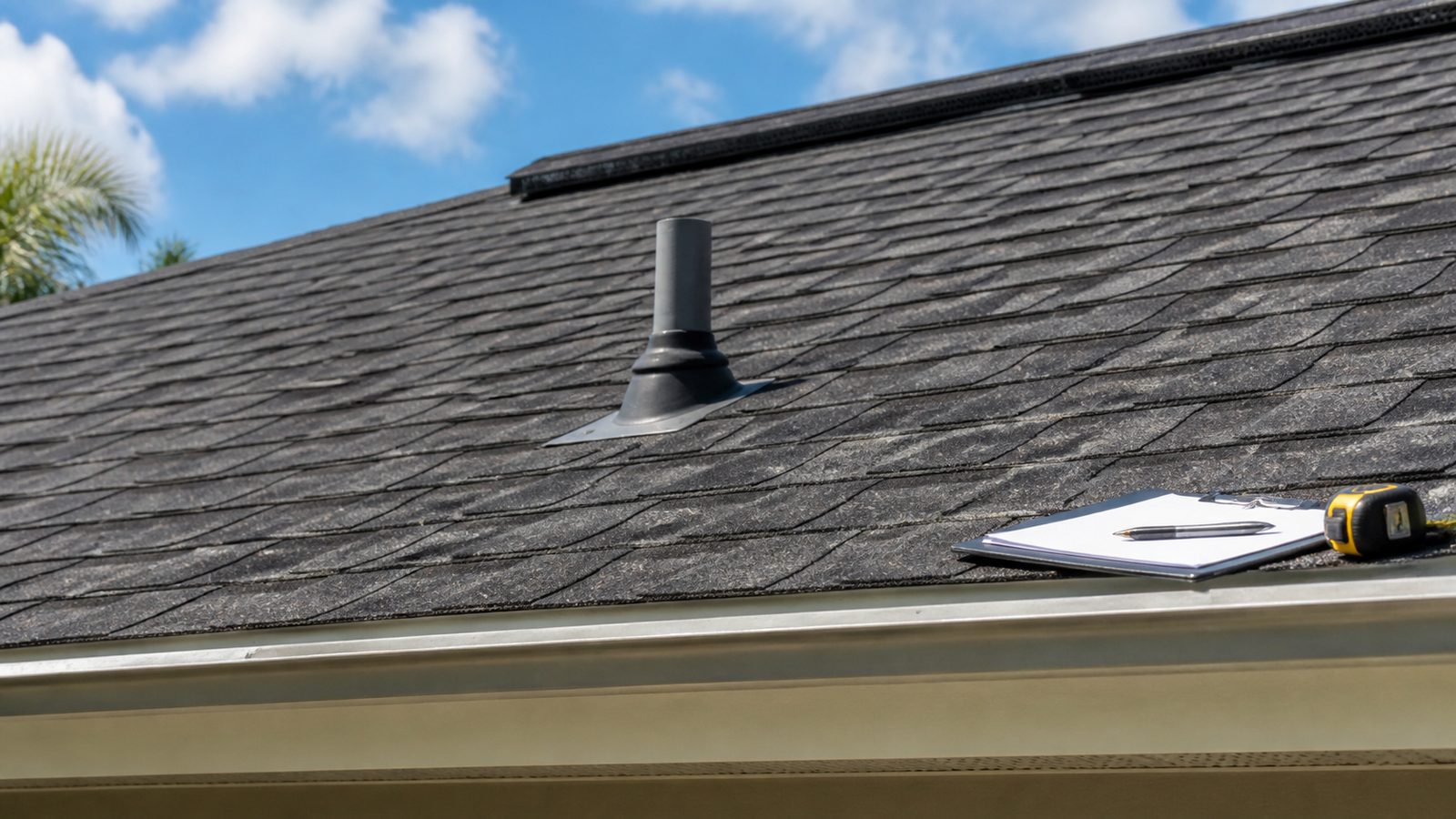
Step 1: Distinguish Workmanship Warranty from Manufacturer Warranty
A workmanship warranty is issued by the roofing contractor. It covers defects in the installation itself — improper flashing, incorrect nail patterns, inadequate sealing around penetrations, improper underlayment installation. If your roof leaks because it was installed incorrectly, the workmanship warranty is your recourse.
Workmanship warranties vary widely by contractor: from one year on the low end to ten years for premium contractors. The strength of a workmanship warranty is only as good as the contractor who backs it — a contractor who goes out of business two years after your installation renders a ten-year warranty worthless.
A manufacturer warranty is issued by the roofing product manufacturer — GAF, CertainTeed, Owens Corning. It covers defects in the material itself: premature granule loss, manufacturing defects in the shingle, adhesion failures that are attributable to product quality rather than installation. Material warranties run from 25 years to "lifetime" (which typically means the life of the original owner, not the life of the building), with prorated coverage terms after the first ten to twenty years.
You need both warranties. A material defect covered by the manufacturer warranty is not covered by the contractor's workmanship warranty. An installation defect covered by the workmanship warranty is not covered by the manufacturer warranty.
Pro tip: Ask your contractor to provide both warranty documents — the contractor's workmanship warranty and the manufacturer warranty certificate — at project closeout. Both should be in writing. A contractor who cannot produce a written workmanship warranty does not have one.
Step 2: Understand What Voids Manufacturer Warranties
Manufacturer warranties contain exclusions and conditions. Read them. The most common ways Florida homeowners unknowingly void their manufacturer warranty:
Improper installation by a non-certified contractor: most premium manufacturer warranties — GAF System Plus, CertainTeed SureStart Plus, Owens Corning Platinum Protection — require that installation be performed by a contractor who holds a current manufacturer certification. If you hire an uncertified roofer and use GAF shingles, you may not be able to file a manufacturer warranty claim for a material defect.
Unauthorized repairs: if you have roofing work done after the initial installation — repairs, additions, modifications — by a contractor who is not certified by the manufacturer, the warranty on the original work may be voided for the affected area or, in some cases, the entire roof.
Failure to register: most manufacturer warranties require registration within a specified period — typically 30 to 60 days of installation. A warranty that is not registered may revert to the basic non-registered coverage, which is typically shorter and provides dollar-limited rather than full replacement coverage.
Ponding water: flat or low-slope roofs where water ponds after rain are subject to warranty exclusions in most manufacturer programs. If your roof design does not drain properly, water intrusion claims may be denied.
Warning: "Lifetime" on a shingle warranty does not mean lifetime no-questions-asked replacement. Lifetime warranties are typically prorated after a specified period, often the first 10 to 20 years. After the proration period begins, the manufacturer covers a declining percentage of replacement cost. Read the proration schedule before assuming lifetime means full replacement cost at year 40.
Step 3: Why Contractor Certification Matters — GAF Master Elite Unlocks NDL Warranties
Not all roofing warranty tiers are available to all contractors. GAF — one of the two dominant shingle manufacturers in North America — structures its contractor certification program in tiers: registered contractor, certified contractor, and Master Elite contractor. Master Elite status is held by fewer than 3% of all roofing contractors in the United States.
The tier of contractor certification determines which warranty products are available on an installed system:
A registered contractor can offer GAF's basic material-only warranty.
A certified contractor can offer GAF's System Plus warranty, which covers both materials and installation defects for 50 years (prorated after year 10) and provides wind speed coverage.
A Master Elite contractor can offer GAF's Golden Pledge and WeatherStopper warranties, including the NDL — No-Dollar-Limit — option, which provides full non-prorated replacement coverage for the full warranty term without a dollar cap.
If your roofing contractor is not Master Elite certified, the NDL warranty option is simply not available to you, regardless of what products are installed or what the contractor claims. This is why certification is not just a marketing distinction — it is a warranty access distinction.
JK Prestige Construction is a GAF Master Elite certified roofing contractor serving Jacksonville and the surrounding Duval County market. GAF manufacturer warranties are registered automatically on every project we complete.
Pro tip: Verify contractor certification status directly on the manufacturer's website before contract execution, not after. GAF's Master Elite contractor locator is at gaf.com. A contractor who claims certification but does not appear in the manufacturer's database is not certified.
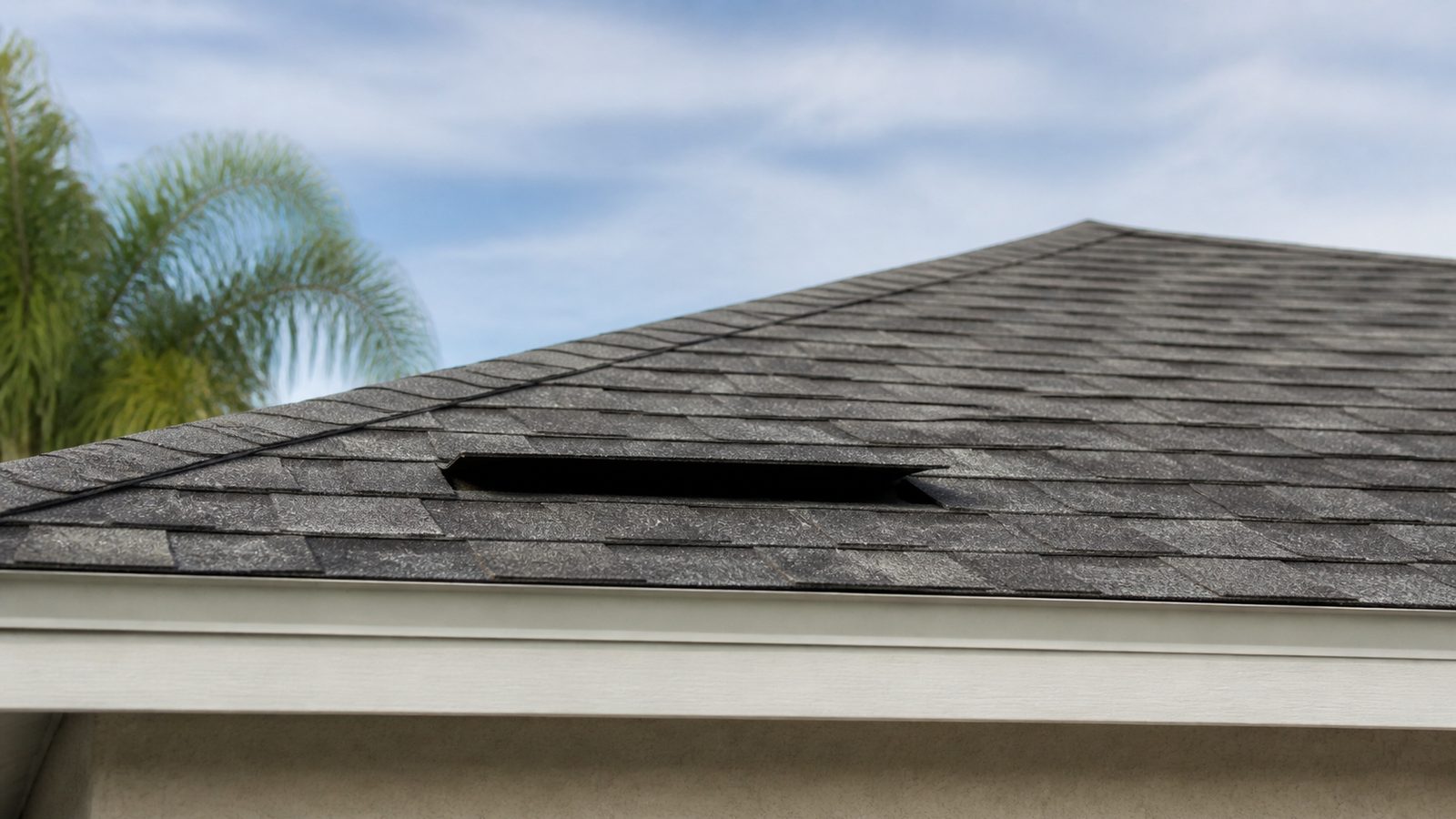
Step 4: Read the Warranty Exclusions Carefully
Every roofing warranty — workmanship and manufacturer — contains exclusions. Florida homeowners should pay particular attention to:
Wind uplift limits: most standard shingle warranties cover wind uplift up to a specified speed — typically 110 to 130 mph, depending on the warranty tier. In Duval County, design wind speed under the FBC (Florida Building Code) is 130 mph. Confirm that your warranty's wind coverage matches or exceeds the design wind speed for your location.
Hail damage: manufacturer warranties typically exclude hail damage — this falls under your homeowners insurance policy. Wind damage may be covered by the warranty or by insurance depending on the specific claim. Understand which coverage applies to which peril before you need to file a claim.
Algae and moss: Florida's humidity makes algae growth common on roofs. Some warranties cover algae discoloration; others exclude it or condition coverage on the installation of specific algae-resistant products. If your contract includes algae-resistant shingles, confirm the warranty reflects that coverage.
Acts of God, structural movement, and improper maintenance: standard exclusions that apply in most warranty programs. Keep your gutters clean, maintain proper attic ventilation, and avoid walking on the roof unnecessarily — all of these affect warranty standing.
Warning: Do not assume your homeowners insurance covers roofing damage that the warranty excludes, or vice versa. Insurance and warranty are separate coverage vehicles with separate exclusions. In some Florida hail events, homeowners discover that the insurance policy has an ACV — Actual Cash Value — endorsement that pays depreciated value rather than replacement cost. Review both documents before you need either.

Step 5: Register Your Warranty Within 30 Days of Installation
Most premium manufacturer warranty programs require registration within 30 days of installation. Registration typically involves: the contractor's certification number, the product approval numbers of the installed materials, the installation date, the property address, and the homeowner's contact information.
Registration is typically completed by the contractor through the manufacturer's contractor portal. Ask your contractor to confirm that registration has been submitted and provide you with the warranty certificate that results from registration.
The warranty certificate is the document you need if you ever file a claim. Keep it with your homeowners insurance policy, your roof permit, and your product approval documentation. Do not rely on finding it later — warranty certificates that are lost before a claim is filed create unnecessary friction in the claims process.
JK Prestige Construction registers GAF manufacturer warranties through the manufacturer's portal as a standard closeout step on every project. You receive the warranty certificate at project closeout.
Pro tip: Take a photograph of the warranty certificate and save it in a cloud storage folder along with your roofing permit documentation. A digital copy that survives a future storm is better than a paper document that does not.
Step 6: Understand What Happens When You Sell Your Home — Transferability
Manufacturer warranties have transferability provisions. The specifics matter:
Some warranties transfer automatically to the new owner with no fee and no notice required. The new owner inherits the remaining warranty term.
Some warranties require the current owner to notify the manufacturer of the ownership transfer within a specified period — often 30 to 60 days of the sale date. If notice is not given, the warranty may be void for the new owner.
Some warranties are non-transferable: they cover only the original purchaser and terminate upon sale.
In the Jacksonville real estate market, a transferable roofing warranty is a meaningful selling point. A 30-year non-prorated NDL warranty with 20 years remaining is a verifiable, document-backed asset that distinguishes a home from comparables with older or unwarranted roofs.
Know your warranty's transferability terms before you list the home. If transfer requires notification, give that notice as part of the real estate closing checklist — the same week the deed transfers.
Warning: A warranty that requires new-owner registration but is not registered becomes void for the new owner before they ever make a claim. Real estate attorneys in Florida are beginning to include roofing warranty transfer documentation in closing packages. Do not let this slip through the cracks.
For full details on our roofing services and warranty programs, visit jkprestigeconstruction.com/#/roofing. For homeowner project inquiries, see our homes page.
Get a written estimate in 48 hours. Call (904) 944-0278 or request a consultation.
No call center. No coordinator. A JK principal reviews every inquiry and replies with a real number, not a range, not a follow-up form.
Request Free Estimate →