Every June, Jacksonville homeowners start thinking about generators, and the same question comes up: do I need a transfer switch, or can I just run extension cords through the window when the power goes out. If you want a generator to power anything wired into your house, a transfer switch is not optional. It is the only legal, safe way to connect a generator to your home's electrical system, and getting it installed before a storm is bearing down beats scheduling it during hurricane week, when every electrician in Duval County has a two-week backlog.
This is not a project for a homeowner to do themselves. Working inside a live electrical panel is licensed electrician work, it is permitted by the City of Jacksonville, and doing it wrong can kill you or a JEA lineman restoring power on your street. Here is what the job actually involves, so you know what you're paying for and what to expect from your contractor.
When You Need a Permit in Jacksonville
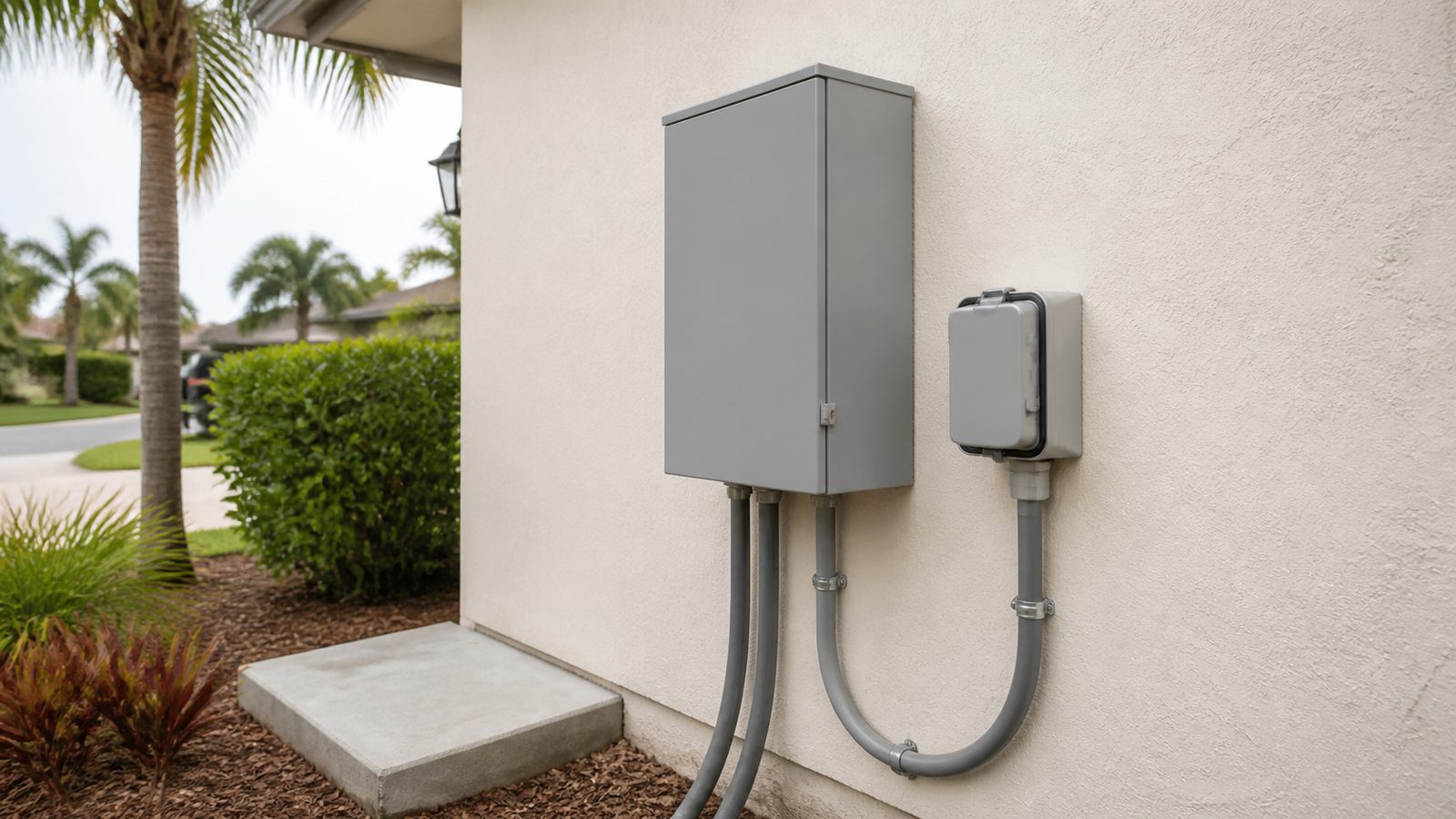
Any work connecting a generator to your home's wiring, whether a manual interlock kit or a full automatic transfer switch, is electrical work inside your panel and requires a permit through the City of Jacksonville Building Inspection Division. The permit has to be pulled by a Florida-licensed electrical contractor, and the completed work gets inspected before it's signed off. JEA also needs to be notified, since a transfer switch changes how your service interacts with their grid, and JEA may want to inspect the meter base. The Florida Building Code and the National Electrical Code both govern how a transfer switch has to be installed, and an unpermitted hookup is one of the more common things that surfaces during a home sale or an insurance claim after storm damage. Confirm current requirements directly with the City of Jacksonville Building Inspection Division and with JEA before work starts.
Tools and Materials
- Manual interlock kit or automatic transfer switch, sized to your panel and generator
- Generator inlet box rated for your generator's amperage, with weatherproof cover
- Feeder cable rated for the connection between inlet and panel
- Circuit breaker matched to the interlock kit and panel manufacturer
- Grounding and bonding hardware per NEC requirements
- Load calculation worksheet and panel schedule
- Permit documentation and inspection paperwork
Step-by-Step
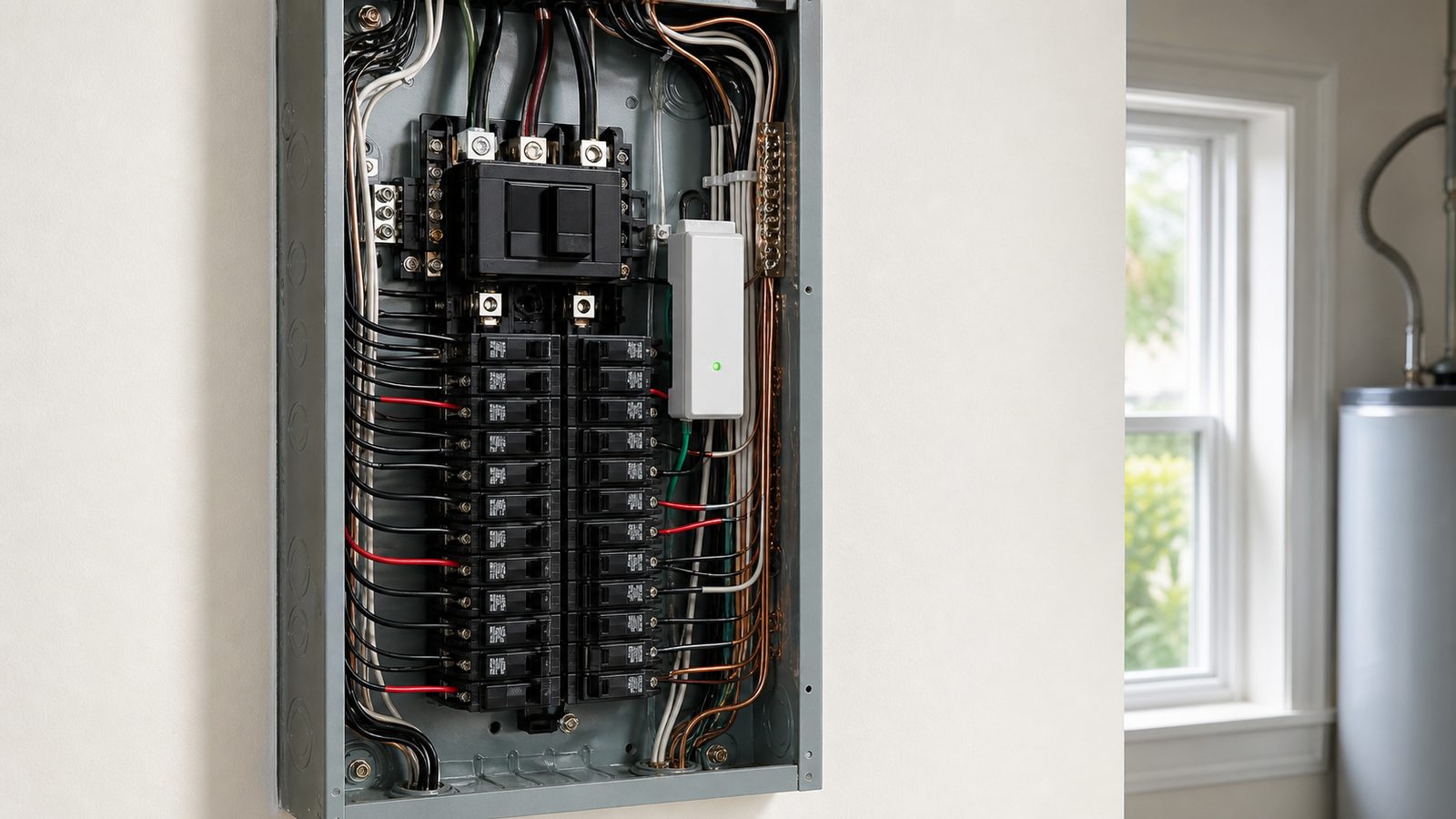
1. Load calculation and equipment sizing. Your electrician calculates what your generator can carry and which circuits matter most in an outage: refrigerator, well pump if you have one, a few lights, HVAC if the generator is large enough, and medical equipment. This decides whether you need a manual interlock feeding your whole panel selectively, or a dedicated critical loads subpanel with an automatic transfer switch.
2. Manual interlock versus automatic transfer switch. A manual interlock kit physically prevents the main breaker and the generator breaker from being on at once. It costs less and suits portable generators, but you switch it over by hand when the power fails. An automatic transfer switch, paired with a standby generator, senses the outage and switches your critical loads panel over on its own, usually within seconds. Your electrician should walk you through cost, convenience, and what happens if you're not home when the power drops.
3. Permit, JEA coordination, and inlet installation. Your electrician pulls the permit with the City of Jacksonville Building Inspection Division before any panel work begins, coordinates with JEA on the service connection, and mounts a weatherproof inlet box on the exterior, positioned away from doors and windows and clear of anticipated flood levels.
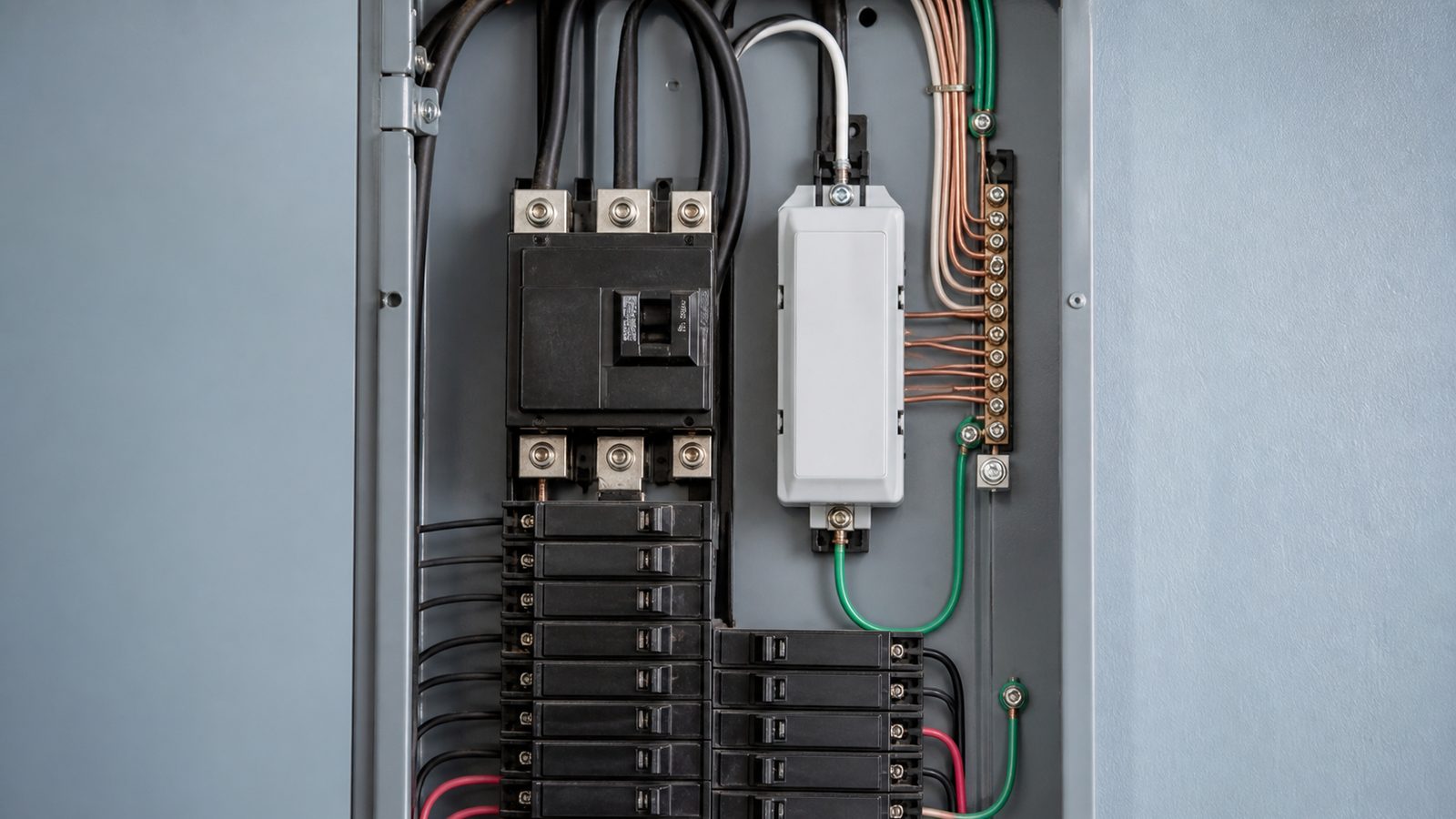
4. Panel work. This is the part done by a licensed electrician with the main power shut off. The interlock kit or transfer switch gets installed, the feeder cable is run from the exterior inlet, and grounding and bonding are verified against code.
5. Labeling, testing, and inspection. The system gets labeled clearly, the electrician runs the generator to confirm the transfer works correctly, and walks you through actual operation. A City of Jacksonville inspector then reviews the work against the permit before it's closed out. Keep this paperwork; it matters for insurance and resale.
Why Backfeeding Through a Dryer Outlet Is Illegal and Deadly
Some homeowners try to skip all of this with a "suicide cord," a cable wired with male plugs on both ends that backfeeds a generator into a dryer or range outlet. This is illegal under the Florida Building Code and the NEC, and it is lethal. Without a transfer switch, backfed power travels out through your meter and onto JEA's distribution lines. A lineman restoring power on your street, expecting the line to be dead, can be electrocuted by power from your generator. There is no version of this that is "probably fine." A transfer switch, not a cord, is the only acceptable way to connect a generator to your home.
Jacksonville Climate Considerations
Hurricane season here runs June through November, and Northeast Florida has seen JEA outages stretch multiple days after a direct hit or a slow-moving system that drops heavy rain. That's the reason to install this before storm season, not the week a storm is forecast. At the Beaches, salt air accelerates corrosion on exterior electrical equipment, so your electrician should use corrosion-resistant hardware and a properly sealed inlet box. In flood-prone parts of Mandarin, Nocatee, and Orange Park near the river and its tributaries, panels, inlets, and standby generator pads should sit above expected flood levels, which your electrician can help you determine against FEMA flood zone data for your address.
What It Costs in Jacksonville (DIY vs. Hiring a Pro)
| Option | Typical Cost Range | Notes |
|---|---|---|
| Manual interlock kit, licensed install | $600 to $1,400 | Includes permit, inlet, labor; portable generator required |
| Automatic transfer switch, critical loads panel | $2,500 to $5,500 | Standby generator sold separately |
| Standby generator plus automatic transfer switch, full install | $8,000 to $16,000 | Whole-home or large critical-loads systems vary widely by size |
| Unpermitted DIY interlock or backfeed setup | Not recommended | Illegal, voids insurance, life-safety hazard, no inspection |
Prices vary by panel condition, distance from panel to inlet, and generator size. Get more than one quote from a licensed Jacksonville electrical contractor.
When to Call JK Prestige
If you're planning ahead of hurricane season, or you inherited a generator setup you're not confident was done to code, JK Prestige coordinates the electrical trade, the permit with the City of Jacksonville, and JEA notification as one project. We size the system to what your home actually needs and get it inspected and closed out before storm season, not during it.
No call center. No coordinator. A JK principal reviews every inquiry and replies with a real number, not a range, not a follow-up form.
Request Free Estimate →