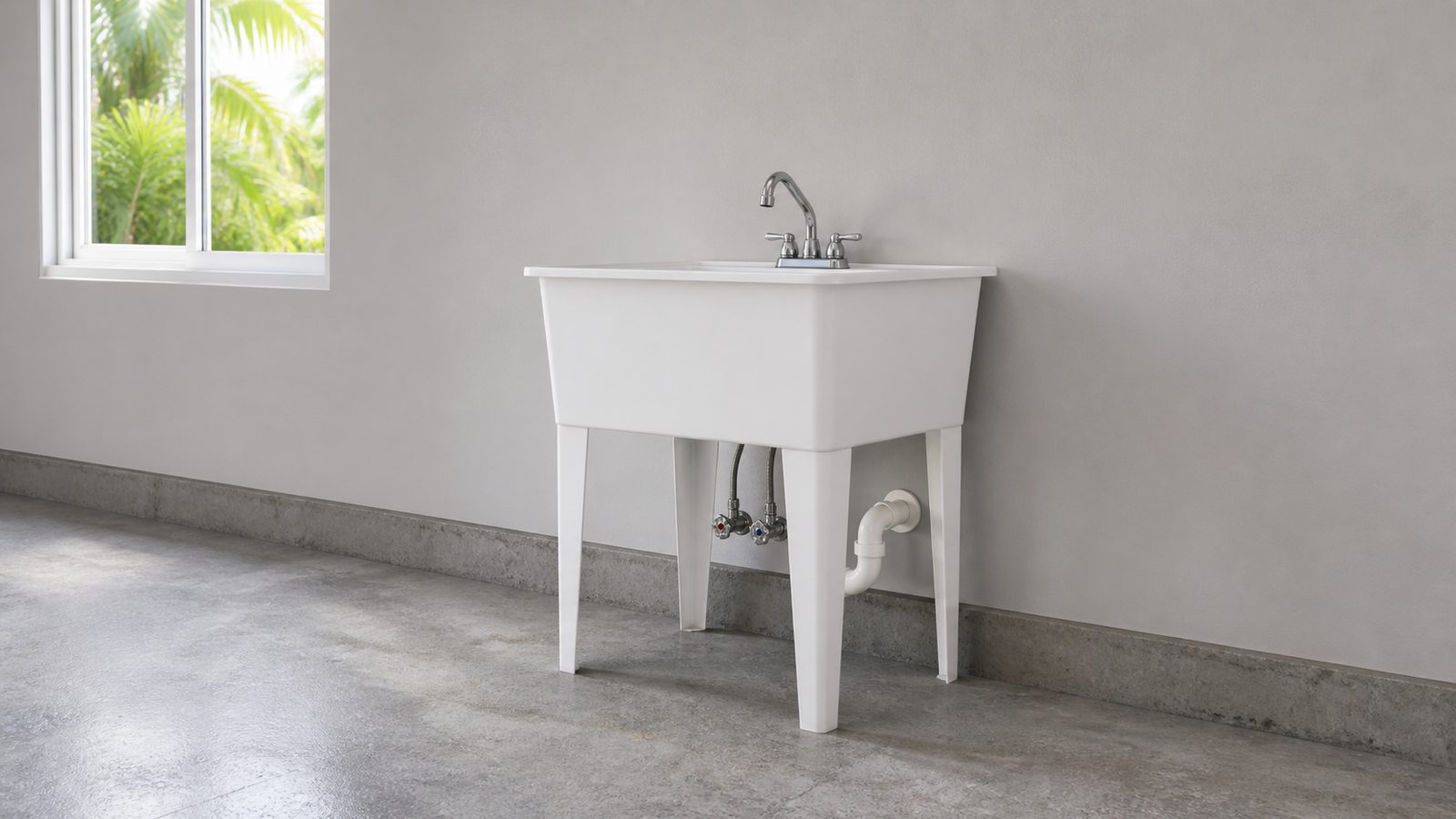
A utility sink in the laundry room or garage gives Jacksonville homeowners a place to rinse paint brushes, soak muddy cleats, or hand wash items without tying up a bathroom sink. The plumbing looks simple, but the drain and vent connection is where most DIY attempts go wrong. Before buying a sink, it helps to know how it will tie into your home's existing plumbing and what Duval County expects for permits and inspection.
When You Need a Permit in Jacksonville
Adding a new plumbing fixture that did not previously exist, like a utility sink, is permitted work in the City of Jacksonville and Duval County. That is different from swapping an existing fixture in place, such as a kitchen faucet, which usually needs no permit because the drain, waste, and vent system is not being changed. A new sink adds a fixture to that system, so the city wants to review drain sizing and venting before the wall or slab is closed up.
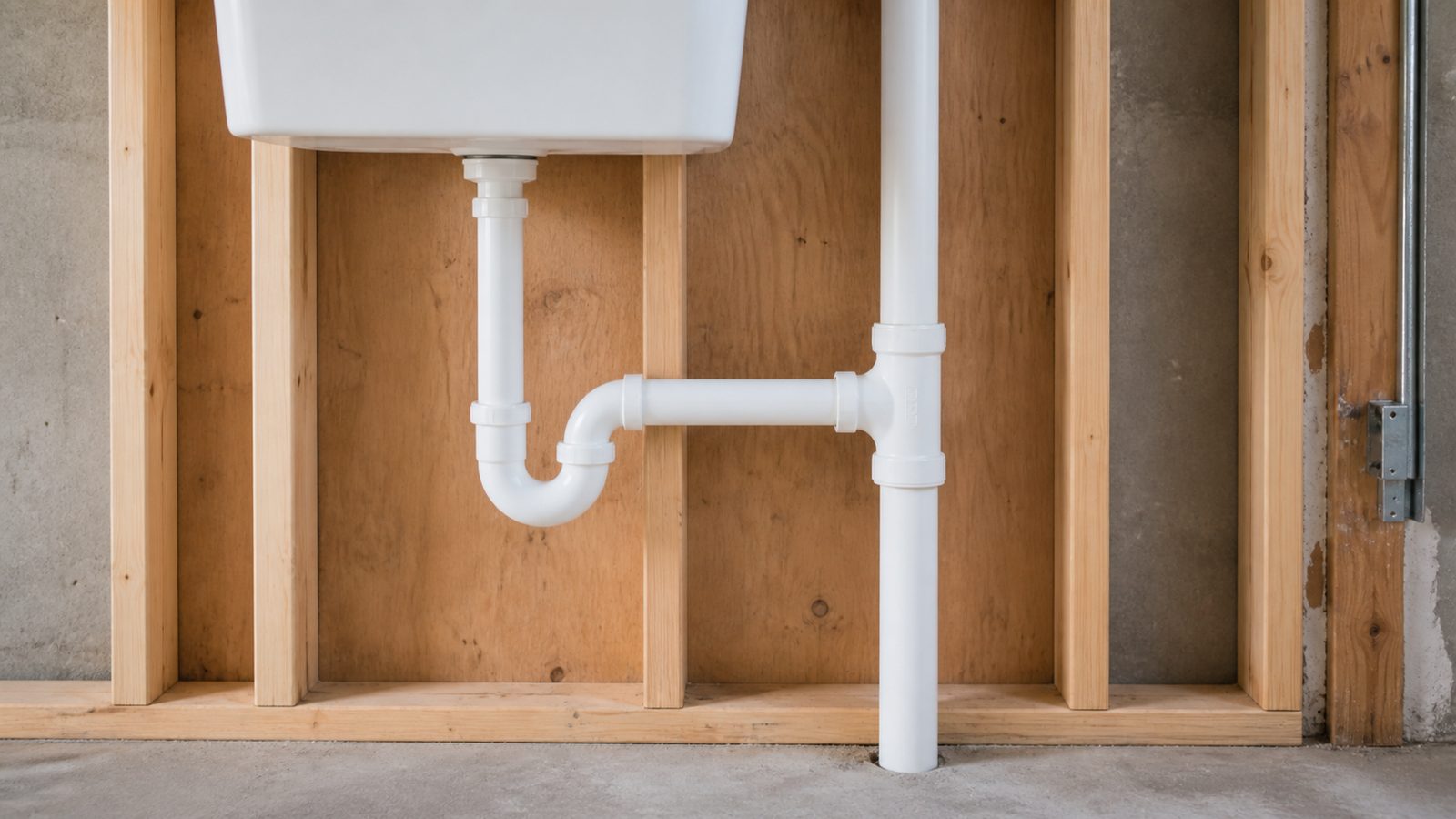
Every drain fixture needs a vent to work correctly and keep sewer gas out of the house. Tying the new vent into an existing vent stack is cleanest when the plumbing is accessible. An air admittance valve, sometimes called a Studor vent, is accepted in a lot of situations where running a pipe to the roof is impractical, such as an island sink or a garage location far from the main stack, but it is not a blanket substitute for a proper vent everywhere. Confirm whether one is acceptable for your layout before cutting into a wall.
Because this work alters the drain, waste, and vent system, Florida requires a licensed plumbing contractor for work sold to a homeowner. A narrower owner-builder exemption lets a homeowner pull a permit and do the work on their own residence, but it has real limits and does not apply if you are paying someone unlicensed. Either way, expect the inspector to want the drain and vent open before drywall or a slab patch covers it.
Outside city limits, Nassau, Clay, and St. Johns counties each run their own permit office rather than the City of Jacksonville, and inspection scheduling can differ.
Tools and Materials
- Stainless steel or molded polypropylene utility sink, 20 to 24 gallons
- Sink legs, wall bracket, or cabinet stand kit
- Two-handle laundry faucet with hose threads
- 1-1/2 inch PVC drain fittings: wye, sanitary tee, P-trap kit
- PVC vent pipe and fittings, or a rated air admittance valve
- PVC primer and cement, Teflon tape, silicone sealant
- Braided supply lines and shutoff (angle stop) valves
- Pipe wrench, channel-lock pliers, PVC pipe cutter
- Stud finder, level, drill and mounting hardware
Step-by-Step
- Decide whether to tie into the existing washer standpipe and trap or run a new drain line; tying in is faster and usually avoids breaking concrete.
- Shut off water at the nearest supply valves or the main and confirm it is off at a faucet.
- Locate the washer's standpipe and trap and confirm it is accessible.
- If tying in, install a sanitary tee or wye above the washer's trap, sized for a 1-1/2 inch branch to the sink.
- Run PVC drain pipe to the sink location, sloping about a quarter inch per foot toward the main drain.
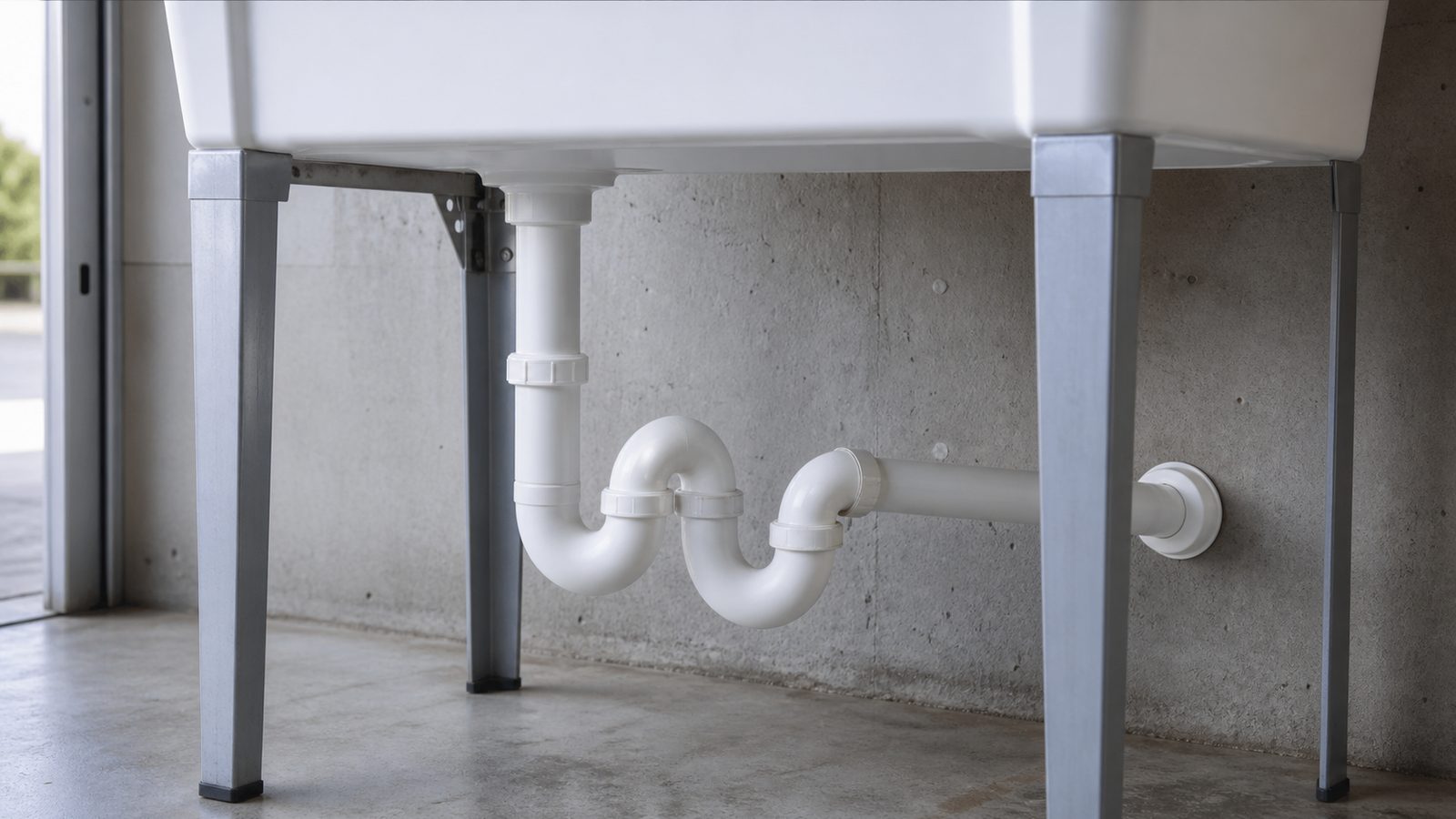
- Install a P-trap under the sink with a straight, unobstructed path to the vented drain line.
- Extend a vent branch to the existing stack, or install an approved air admittance valve at the correct height above the trap.
- Rough in hot and cold supply lines with new shutoff valves at the sink location.
- Mount the sink on legs, a rated wall bracket, or a cabinet base.
- Install the faucet and connect supply lines with braided connectors.
- Connect the trap to the sink drain and the drain line, cementing PVC joints and allowing full cure time.
- Turn water back on slowly and check every joint for leaks.
- Fill and drain the sink several times, watching for slow drainage or gurgling at the standpipe, a sign of a venting problem.
- If permitted, leave the drain and vent open for inspection, then patch and finish once it passes.
Common Mistakes to Avoid
- Installing a double trap, two traps in series on one fixture, which causes drainage problems
- Skipping the vent, which causes slow draining and gurgling, and can siphon water out of the trap, letting sewer gas in
- Undersizing the drain line or using too many tight-radius fittings at the tie-in
- Mounting a wall-hung sink without anchoring the bracket into a stud, since a filled sink is heavy
- Skipping a shutoff valve on the supply lines
- Tying into the washer drain without checking the existing trap and vent can handle the added load
Jacksonville Climate Considerations
A garage sink rarely faces a hard freeze here, but Jacksonville does get an occasional overnight freeze, and a supply line along an uninsulated exterior wall is at some risk on those nights, so insulate the pipe or route it away from that wall. High humidity also makes cold supply lines sweat, so foam pipe insulation keeps condensation off drywall and cabinetry. Most homes are slab-on-grade, which limits where a new drain can go without cutting concrete, often the real reason homeowners tie into the existing standpipe instead. A slow, unnoticed leak in a closed laundry closet is a real mold risk here, so recheck connections after the first few uses. During hurricane season, a garage utility sink earns its keep for rinsing gear and storm cleanup.
What It Costs in Jacksonville (DIY vs. Hiring a Pro)
| Approach | Typical Cost Range | Notes |
|---|---|---|
| DIY, tying into existing standpipe | $150 to $400 | Sink, faucet, fittings, permit fee if owner-builder |
| DIY, new drain run | $250 to $600 | Higher if concrete cutting is needed |
| Licensed plumber, tying into standpipe | $500 to $1,200 | Includes labor, permit, inspection |
| Licensed plumber, new drain and vent | $900 to $2,500+ | Higher if slab cutting or vent stack work is required |
When to Call JK Prestige
If the install involves cutting the slab, extending a vent through the roof, or you are unsure whether your washer's trap and vent can handle another fixture, bring in a licensed plumbing contractor. JK Prestige handles this kind of work as part of larger laundry room, garage, and remodeling projects across Jacksonville, and can manage the permit and inspection process.
No call center. No coordinator. A JK principal reviews every inquiry and replies with a real number, not a range, not a follow-up form.
Request Free Estimate →