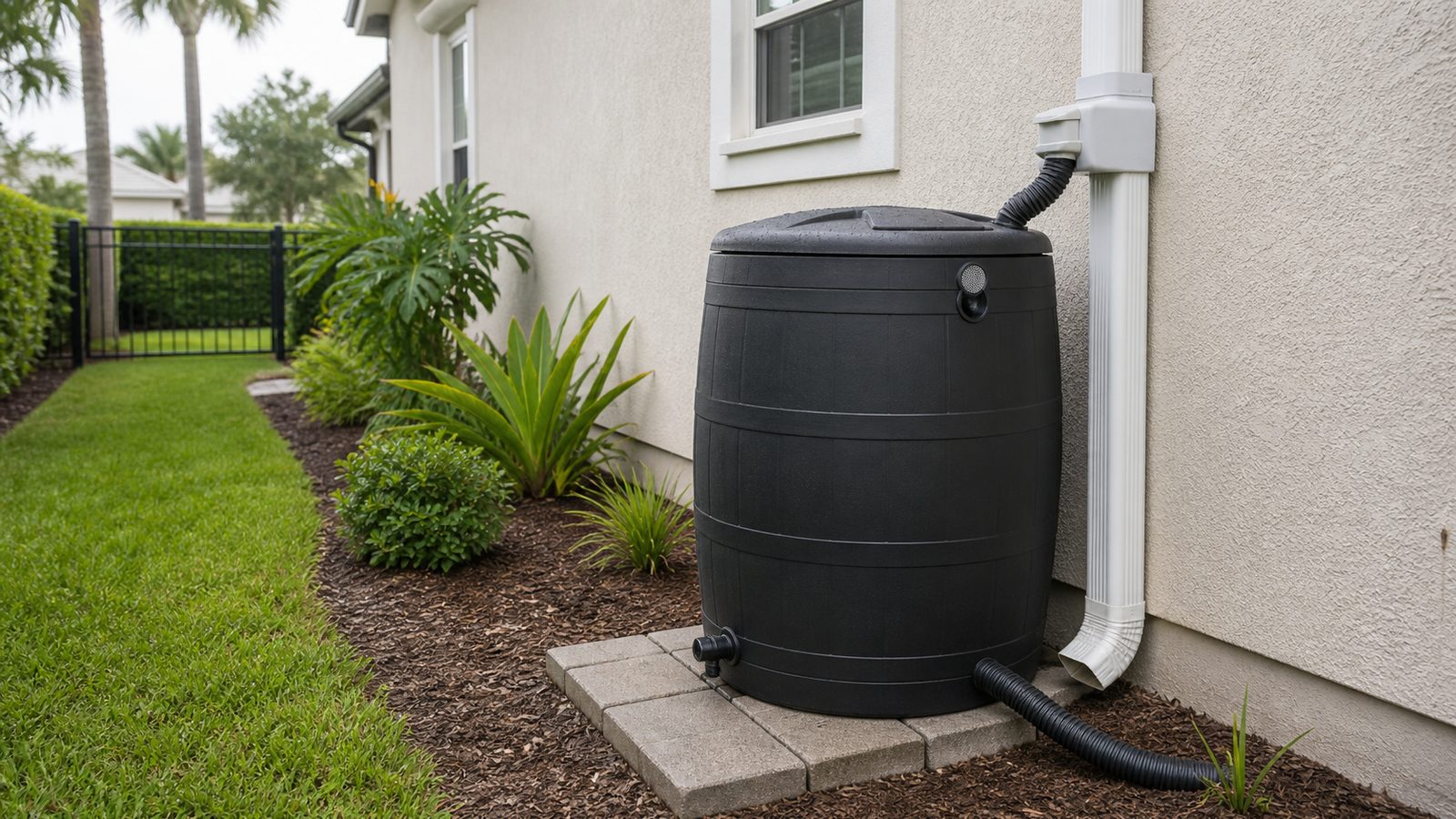
A rain barrel is one of the few home improvements you can knock out in an afternoon without a permit, a contractor, or much of a budget. But in Jacksonville, a poorly sited barrel can do more harm than good. Between our sandy soil, our high water table on parts of the Westside, our thunderstorm downpours in June through September, and our mosquito season, there are a handful of details that matter more here than they do in a drier climate. This guide walks through where to put the barrel, how to plumb the diverter, and what to do with the overflow so you are not just relocating a drainage problem from your downspout to your neighbor's fence line.
When You Need a Permit in Jacksonville
For most homeowners, a standard rain barrel connected to a single downspout with a simple diverter kit is not permitted work in Duval County. It is a low-flow, non-structural accessory, similar to attaching a hose to a spigot. Where it can cross into permit territory is if you start altering how water moves across your lot. Running new underground drain lines, tying an overflow into an existing stormwater or French drain system, grading soil to redirect runoff, or installing a large cistern with a pump and permanent plumbing connection are all things the City of Jacksonville's Building Inspection Division may want to review, because they touch site drainage rather than just catching water off a downspout.
The other thing to check before you buy anything is your HOA. Neighborhoods like Nocatee and Ponte Vedra often have architectural review committees with rules about what can be visible from the street or a neighboring yard, and a 55-gallon barrel next to your garage can run afoul of that even though the city has no issue with it. If your community has a design review process, submit a quick request before you install. It is a five-minute form and it saves you from a letter later.
If your plan is anything beyond a barrel and diverter, meaning you are grading, trenching, or connecting to an existing drainage system, call the Building Inspection Division and ask directly. It is a short phone call and it is the only way to get a real answer for your specific lot.
Tools and Materials
- Rain barrel with a screened lid (opaque, not clear, to slow algae growth)
- Downspout diverter kit sized to your gutter's downspout (2x3 inch is most common on Jacksonville homes)
- Hacksaw or tin snips to cut the downspout
- Flexible diverter hose or rigid elbow to route water into the barrel
- Level
- Cinder blocks or a manufactured barrel stand
- Drill with a hole saw for the overflow fitting, if not pre-installed
- Overflow hose, 4 to 10 feet depending on where you are routing water
- Fine mosquito mesh (if the barrel lid screen is not tight enough on its own)
- Spigot or bulkhead fitting (usually included with the barrel)
- Teflon tape for fittings
Step-by-Step
- Pick the spot before you touch a downspout. The barrel needs to sit at least 10 feet from your home's foundation, on ground that slopes away from the house, and on a downspout that already drains toward the side or back yard rather than toward a neighbor's property. On Westside lots where the water table sits close to the surface, avoid the lowest point in the yard. You want the barrel somewhere water already wants to leave, not somewhere it already collects.
- Build a stable, level base. Stack cinder blocks or set a manufactured stand so the barrel sits 12 to 18 inches off the ground. A full barrel weighs over 400 pounds, so the base needs to be solid and perfectly level or the barrel can crack or tip. This height also gives you enough clearance to fit a watering can or hose under the spigot.
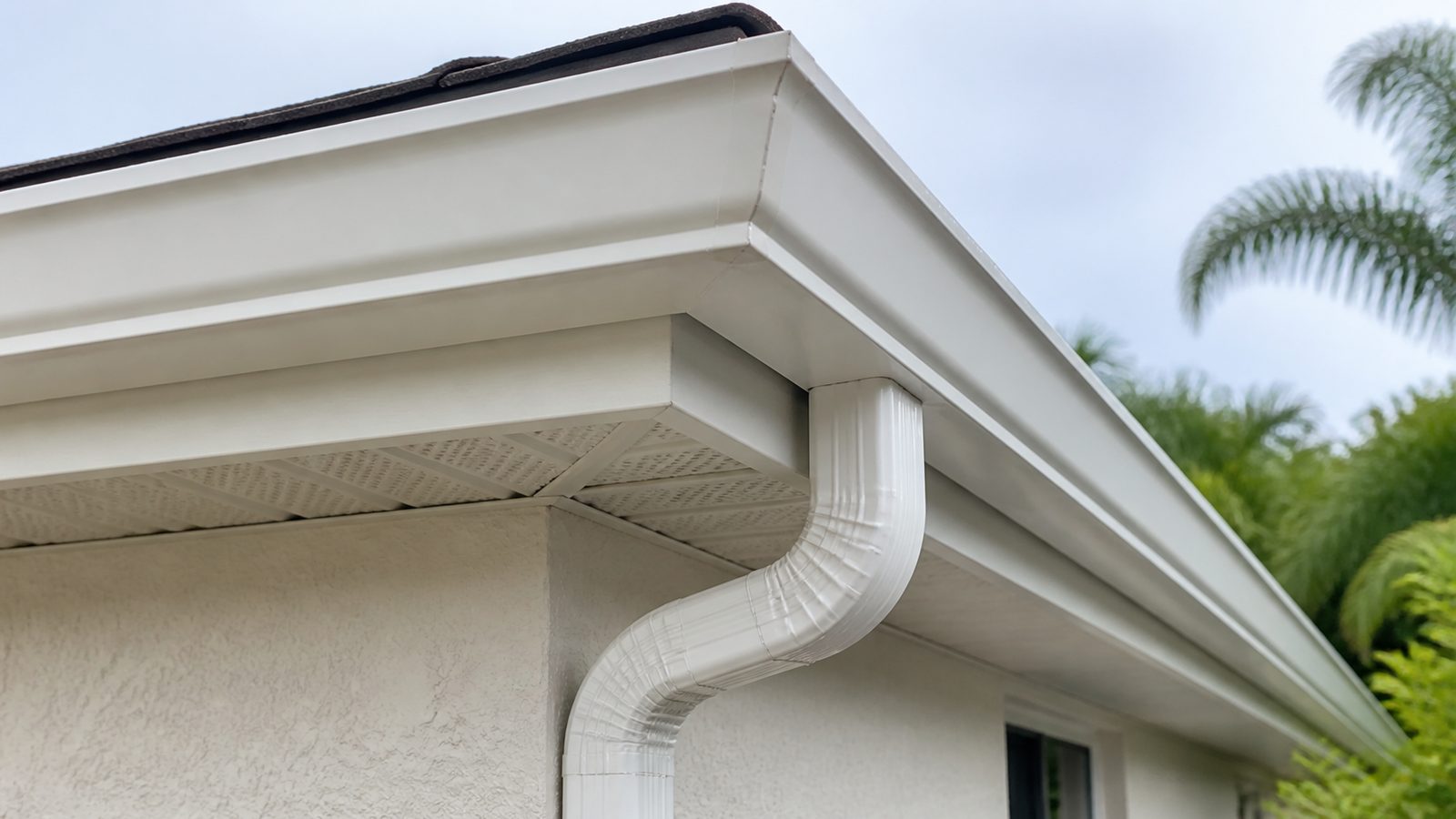
- Cut the downspout. Mark the downspout at a height that lines up with the diverter kit's instructions, usually a few inches above where the barrel's inlet will sit. Cut it with a hacksaw or tin snips, making a clean, level cut.
- Install the diverter. Most kits snap or screw into the cut you just made, redirecting a portion of the flow into a flexible hose while letting excess water continue down the original downspout path during heavy rain. This diverter is what keeps you from having to babysit the barrel during a storm.
- Route the hose into the barrel's inlet. Connect the diverter hose to the barrel's screened inlet at the top. Make sure the screen is intact and snug. This is your primary mosquito barrier, so do not skip it or leave gaps.
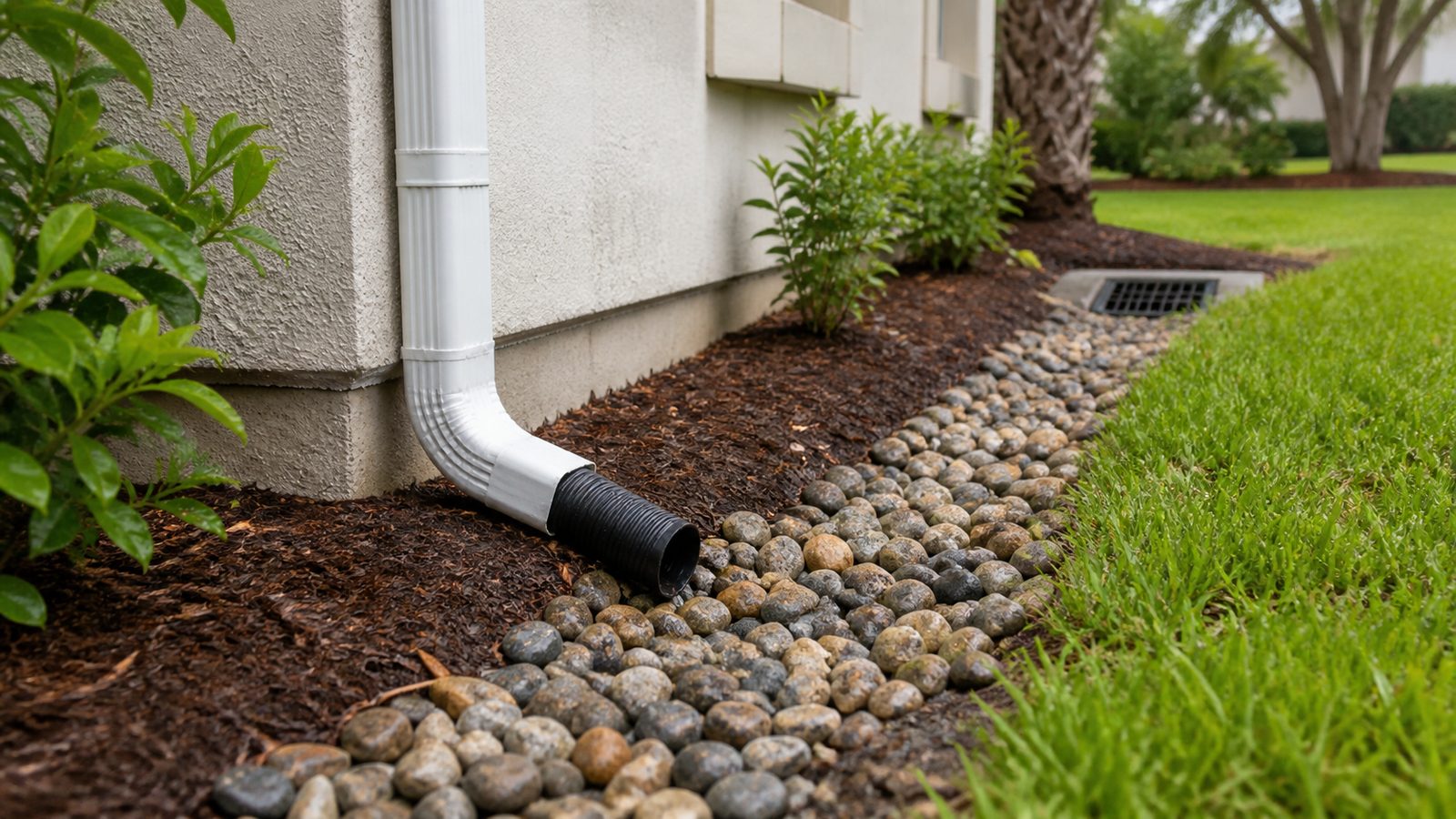
- Set up the overflow. Attach an overflow hose to the barrel's overflow port, usually located a few inches below the lid. Route this hose to a spot where excess water can soak into open ground, away from the foundation and away from any neighboring property line. This step is the one people skip, and it is the one that causes problems. A barrel fills fast in a Jacksonville downpour, and once it is full, every drop that keeps coming down the downspout has to go somewhere. If the overflow just dumps against the house or straight onto a neighbor's yard, you have created a new drainage complaint instead of solving one.
- Test with a hose before the next real rain. Run a garden hose into the gutter above the diverter and watch the whole system work. Check that the barrel fills, the overflow activates once it is full, and water exits the overflow hose somewhere sensible.
- Add mosquito mesh if needed. If your barrel's screen has any gaps around the inlet or spigot, add a layer of fine mesh. Standing water in a Florida summer will find mosquitoes within days, not weeks.
Jacksonville Climate Considerations
A single summer thunderstorm here can fill a 55-gallon barrel in well under an hour once the downspout is flowing, which is exactly why the overflow routing in step 6 is not optional. Mosquito season runs essentially year-round in Northeast Florida with a peak from late spring through early fall, so a barrel with a compromised screen becomes a breeding source fast. Check the lid seal and inlet screen monthly during the warm months.
Hurricane season, June through November, is its own consideration. Before a named storm approaches, either fully drain the barrel or secure it. An empty barrel can become a projectile in high wind, and a full one can tip and add to yard flooding right next to your foundation. Many homeowners just drain barrels down and disconnect the diverter hose for the duration of a storm watch, then reconnect afterward.
Florida sun is hard on stored water. Even with a solid lid, algae can build up in a barrel that sits in direct sun for weeks, especially with sporadic use. An opaque barrel in a partly shaded spot slows this down. Plan to empty and rinse the barrel a few times a season.
Sandy Duval soil percolates fast almost everywhere except the low-lying Westside and areas near marsh and river frontage, where the water table sits higher. That is good news for overflow drainage in most yards, since the ground absorbs excess water quickly rather than pooling, but it also means a barrel sited too close to a foundation footer on sandy soil can still contribute to erosion or settling over time if it overflows in the same spot repeatedly.
If you want more context on regional water use rules, the St. Johns River Water Management District sets watering restriction days and general conservation guidance for our area, and rain barrel water is a straightforward way to water landscaping on off-restriction days without touching your irrigation system. JEA has occasionally supported residential rain barrel programs and conservation incentives, but availability and rebate amounts change, so check JEA's current program directly rather than assuming last year's offer still stands.
One more note that gets overlooked: rain barrel water is not potable. It picks up roofing material, dust, and bird droppings on the way down. Use it for landscaping and garden beds, not for drinking, cooking, or filling a pet's water bowl.
What It Costs in Jacksonville (DIY vs. Hiring a Pro)
| Approach | Typical Cost Range | What's Included |
|---|---|---|
| DIY, basic kit | $80 to $200 | Barrel, diverter kit, basic overflow hose, your own labor |
| DIY, upgraded setup | $200 to $450 | Larger or multiple barrels, better stand, mesh upgrades, longer overflow routing |
| Professional install, single barrel | $250 to $500 | Labor plus materials, proper grading check, tested overflow routing |
| Professional install, multi-barrel or linked system | $500 to $1,200 | Multiple barrels connected in series, reinforced stands, extended overflow drainage |
These ranges reflect typical Jacksonville-area pricing in 2026 and will vary based on the number of downspouts, soil grading at your specific lot, and whether any existing drainage needs correcting first.
When to Call JK Prestige
If your yard has drainage problems already, standing water near the foundation, a downspout that floods a walkway, or a Westside lot with a stubbornly high water table, a rain barrel alone will not fix that and installing one incorrectly can make it worse. We can assess your site grading, correct the underlying drainage issue, and install a rain barrel and diverter system that actually holds up through a Jacksonville summer and hurricane season.
No call center. No coordinator. A JK principal reviews every inquiry and replies with a real number, not a range, not a follow-up form.
Request Free Estimate →