If your AC keeps the house at 72 degrees but it still feels clammy, sheets feel damp, and closets smell musty, the problem usually isn't your AC. It's humidity your AC was never built to handle alone. A whole-house dehumidifier tied into your ductwork solves that, but it's not a weekend plug-and-play project like a portable unit from the hardware store. It involves cutting into ducts, running condensate drainage, and in most cases wiring a dedicated circuit. Here's what the job involves, and where the line falls between what a handy homeowner can do and what needs a licensed contractor.
When You Need a Permit in Jacksonville
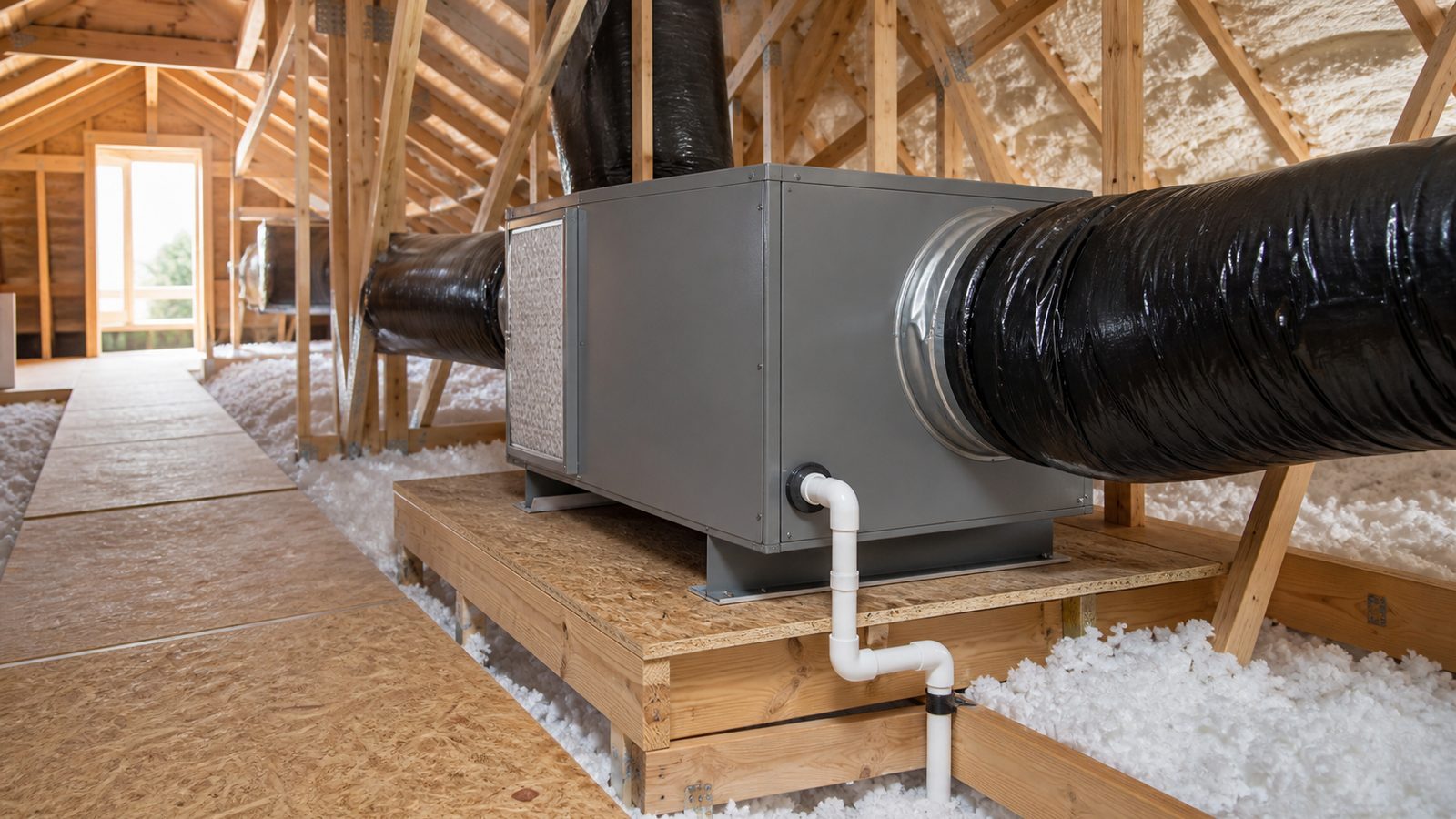
Any whole-house dehumidifier tied into your HVAC ductwork or running on its own dedicated circuit requires permits through the City of Jacksonville / Duval County Building Inspection Division, typically a mechanical permit for the ductwork and unit, plus an electrical permit for the new circuit or disconnect. Work has to comply with the Florida Building Code, Mechanical, and the National Electrical Code as adopted locally. A standalone unit that just plugs into an outlet and never touches your ducts generally doesn't trigger a permit, but the moment you tap the return, supply, or run new wiring, you're in permitted territory. Confirm current thresholds directly with the City of Jacksonville Building Inspection Division before you start, since requirements change.
Tools and Materials
- Whole-house dehumidifier sized in pints per day for the home's square footage and moisture load
- Sheet metal snips and mastic sealant (not cloth duct tape) for sealing penetrations
- Flexible or rigid duct collar kits to tie into the return and supply trunk
- 3/4 inch PVC condensate line, trap, and condensate pump if gravity drainage isn't available
- Dedicated 15- or 20-amp circuit, breaker, disconnect, and rated wire
- Vibration isolation pads or a hanging kit for crawl space or attic mounting
- Programmable humidistat, wired back to a central location
- Reciprocating saw, drill, wire strippers, voltage tester
Step-by-Step
- Calculate the sizing in pints per day. Whole-house dehumidifiers are rated by how many pints of moisture they remove in 24 hours, not by square footage alone. A typical 1,800 to 2,500 square foot Jacksonville home on a slab, with average occupancy and normal AC runtime, usually lands in the 90 to 130 pints-per-day range. Homes with a crawl space, heavy glass, or a lot of plants and pets run higher. Undersizing is the most common mistake, and it leaves the house sitting at 55 to 60 percent relative humidity even with the unit running nonstop.
- Decide between ducted-into-return and standalone supply. Most whole-house units get plumbed into the return side of the air handler, pulling humid air through the dehumidifier and pushing dried air back into the supply trunk, independent of whether the AC is calling for cooling. That's what we recommend for year-round humidity rather than just summer cooling season. A standalone unit with its own dedicated supply duct into a central hallway suits smaller homes or additions where tapping the main trunk isn't practical, but it distributes drying capacity less evenly.
- Choose the install location. In a slab-on-grade home common in Mandarin or Nocatee, that's usually a mechanical closet or attic near the air handler. In older raised pier homes in Riverside, Avondale, or Springfield, the crawl space is often both the moisture source and the best place to mount the unit, since crawl space humidity drives the musty odors upstairs.
- Cut in and seal the duct collars. The unit ties into the return on the intake side and either the supply trunk or a dedicated run on the discharge side. Every penetration gets sealed with mastic, not just tape, and the collar has to match the manufacturer's airflow spec or the unit will starve for air and short-cycle.
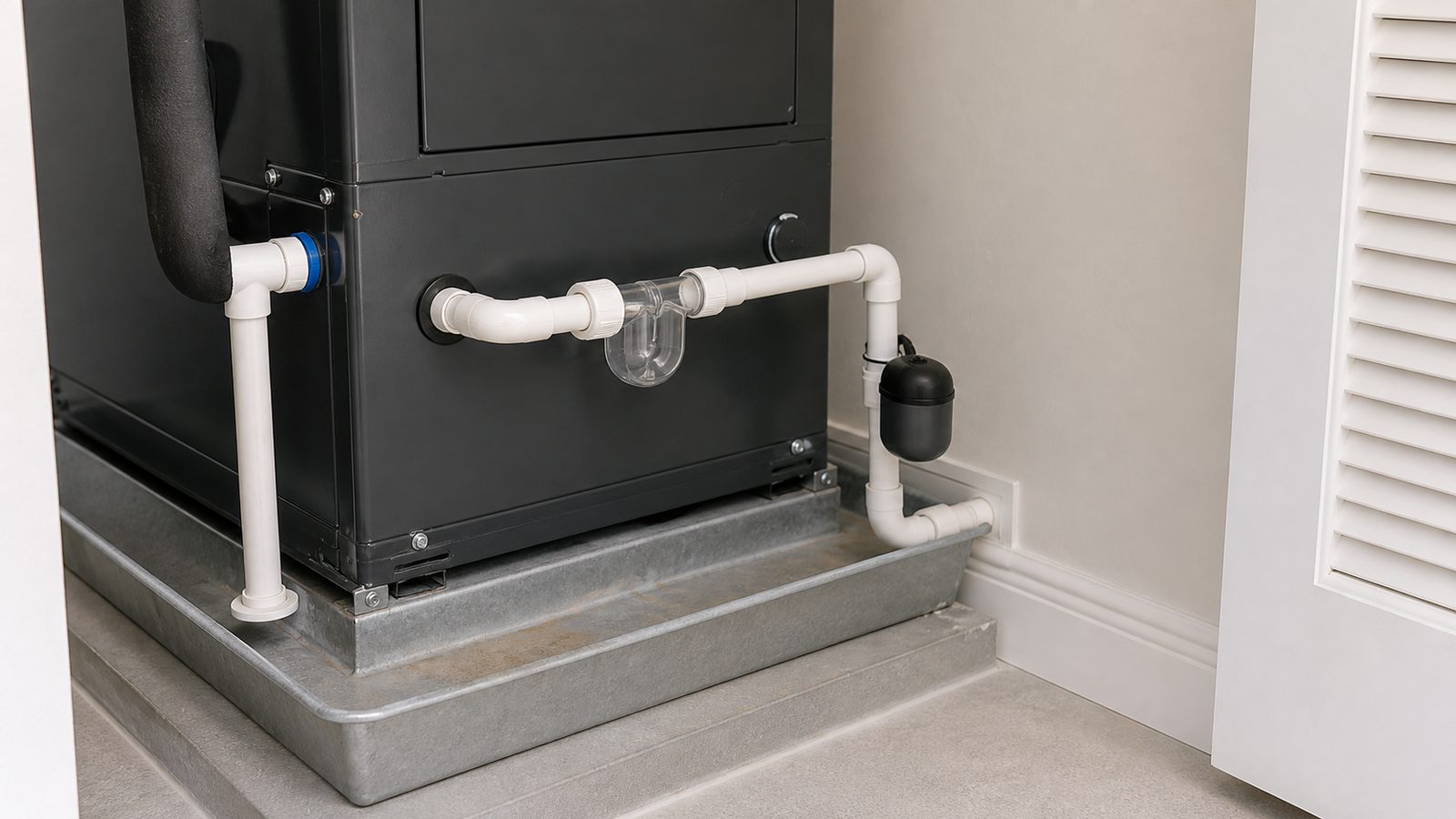
- Run the condensate line. Whole-house units pull several gallons of water a day out of the air, more than a typical AC coil. Route a dedicated 3/4 inch PVC line with a trap to a floor drain, exterior grade, or a condensate pump. Never tie into the AC's primary drain pan without a proper connection, and include a safety switch that shuts the unit down if drainage backs up.
- Run the dedicated electrical circuit and commission the system. The unit needs its own breaker and, in most cases, its own disconnect. This is licensed electrical work under the National Electrical Code, not a tap off an existing HVAC or outlet circuit. Once wired, set the humidistat to roughly 50 percent, confirm the unit cycles with the air handler, and check duct static pressure so the added resistance isn't overloading the blower.
- Schedule final inspection. Duval County inspectors check the mechanical connections, electrical work, and condensate routing before the permit closes out.
Jacksonville Climate Considerations
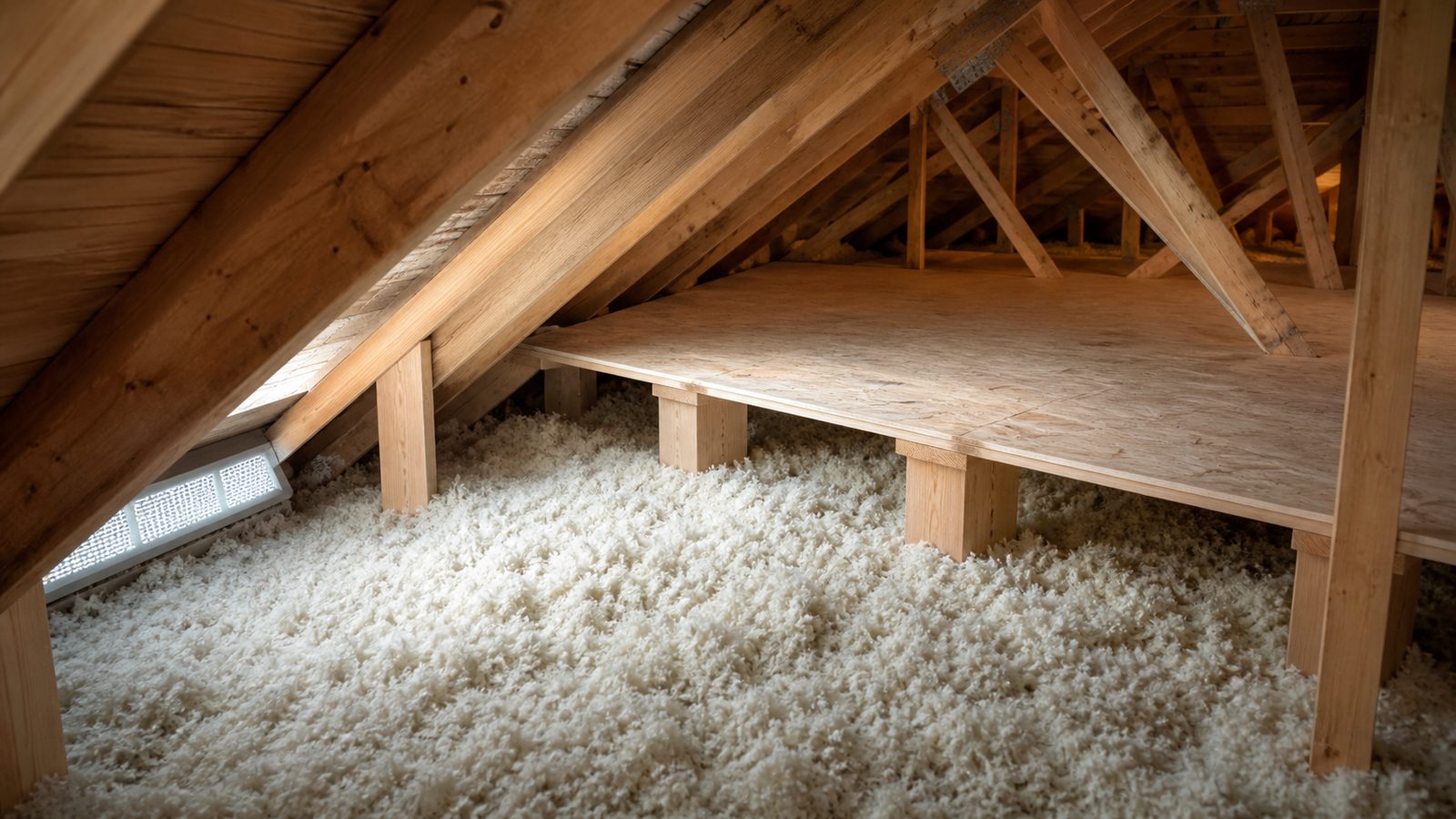
Northeast Florida runs a heavy latent load almost year-round, meaning the air holds a lot of moisture even when the temperature isn't extreme. An oversized AC, common because contractors size to peak cooling load rather than moisture removal, cools the house fast and shuts off before it has run long enough to wring meaningful humidity out of the air. That's how you end up with a 72-degree house at 60 percent relative humidity, a musty smell in closets, and condensation on cold surfaces. Homes near the water in Atlantic Beach, Neptune Beach, and Ponte Vedra deal with salt-laden air that accelerates corrosion on unprotected ductwork and fasteners, so we spec corrosion-resistant hardware there. Raised pier homes with vented crawl spaces, common through Riverside, Avondale, and Springfield, often need crawl space encapsulation addressed alongside the dehumidifier, or the unit spends its life fighting ground moisture it can't fully win against.
What It Costs in Jacksonville (DIY vs. Hiring a Pro)
| Approach | Typical Cost Range | Notes |
|---|---|---|
| Standalone unit, plug-in, no duct tie-in | $1,200 to $2,500 | No permit typically required, limited coverage |
| Ducted whole-house unit, DIY duct and drain, licensed electrician for circuit | $2,500 to $4,500 | Still requires permitted electrical work |
| Full professional install, ducted, permitted, condensate pump | $4,500 to $8,500 | Includes mechanical and electrical permits, inspection |
| Add-on crawl space encapsulation (if needed) | $3,000 to $9,000+ | Depends on square footage and vapor barrier scope |
These are general Jacksonville-area ranges for 2026 and move with unit capacity, ductwork complexity, and access. Get a written, itemized quote before committing.
When to Call JK Prestige
If your home holds humidity above 55 percent despite a properly running AC, if you're seeing condensation on ductwork or windows, or if a musty crawl space keeps coming back, that's a sizing and system design problem worth a licensed contractor's direct look. We handle the mechanical and electrical permitting, the duct tie-in, and the condensate routing as one coordinated job so nothing gets missed at inspection.
No call center. No coordinator. A JK principal reviews every inquiry and replies with a real number, not a range, not a follow-up form.
Request Free Estimate →