If you live in Jacksonville long enough, you get used to the drill: a summer afternoon goes dark green on the radar, the power blinks once or twice, and somewhere in the house a modem, a garage door opener, or a refrigerator control board quietly dies. That's a surge, and it's one of the more predictable forms of electrical damage a homeowner deals with here. A whole-house surge protective device (SPD) doesn't stop every surge, but it catches the vast majority of them before they reach your outlets. Here's how the installation actually works and what decisions you'll be making along the way.
When You Need a Permit in Jacksonville
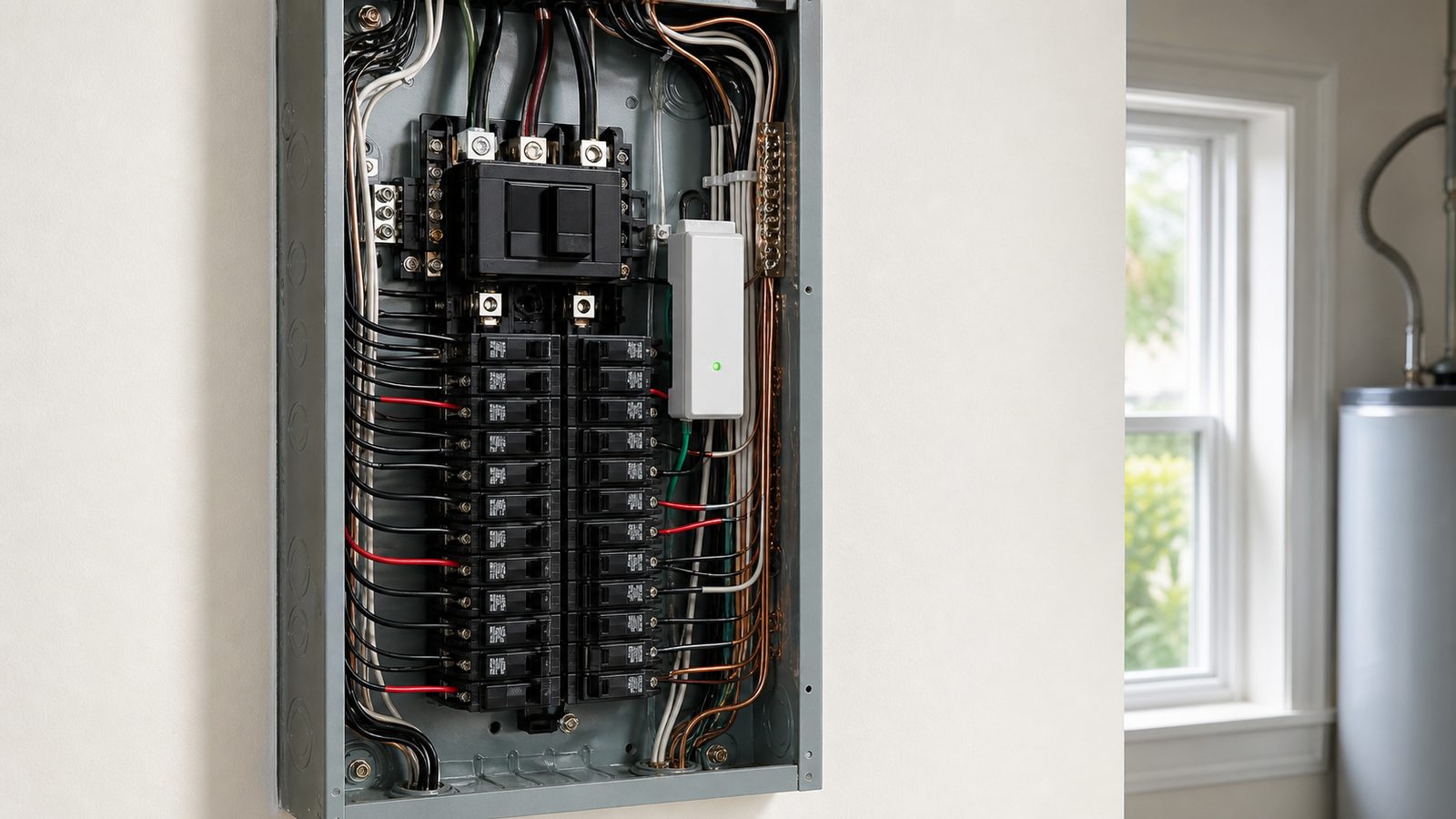
This is not a project you pull off the shelf at a big box store and wire in yourself. Installing a whole-house SPD means opening a live electrical panel or working at the meter base, and that's licensed electrical work under both the National Electrical Code (NEC) and the Florida Building Code. In Duval County, that work requires a permit through the City of Jacksonville Building Inspection Division, pulled by a state-licensed electrical contractor, with an inspection before the work is closed out.
If the device mounts at the meter (a Type 1 SPD), there's an added wrinkle: you'll need to coordinate with JEA. Meter-mount surge devices typically require a meter pull, and JEA has to be involved to break the seal, verify the installation, and reseal the meter. Your electrician should handle this coordination directly, but it's worth asking upfront so you're not surprised by the timeline. Skipping the permit isn't just a compliance issue, it can also void manufacturer warranties on the SPD itself and create problems if you ever sell the house and a buyer's inspector flags unpermitted panel work.
Tools and Materials
- Type 1 or Type 2 surge protective device (UL 1449 listed, appropriate for your service size)
- Meter collar or meter socket adapter, if mounting at the meter
- Appropriately rated breaker for the SPD (typically 2-pole, sized per manufacturer spec)
- Copper conductors sized to the device manufacturer's instructions, kept as short and straight as possible
- Grounding electrode conductor and connectors, if the existing ground needs upgrading
- Weatherproof enclosure and gasket if the device sits outside on an exterior panel or meter base
- Torque screwdriver for termination connections
- Permit paperwork and JEA coordination, arranged by your electrician
Step-by-Step
Here's what the job actually involves so you know what to expect and what to verify as your electrician works.
- Confirm the safety approach up front. The service conductors that feed your main breaker stay energized even when the main is switched off, that's true whether the work is at the panel or at the meter base. Your electrician should be working de-energized where possible and using proper PPE and lockout procedures. This is the single biggest reason this isn't a DIY project.
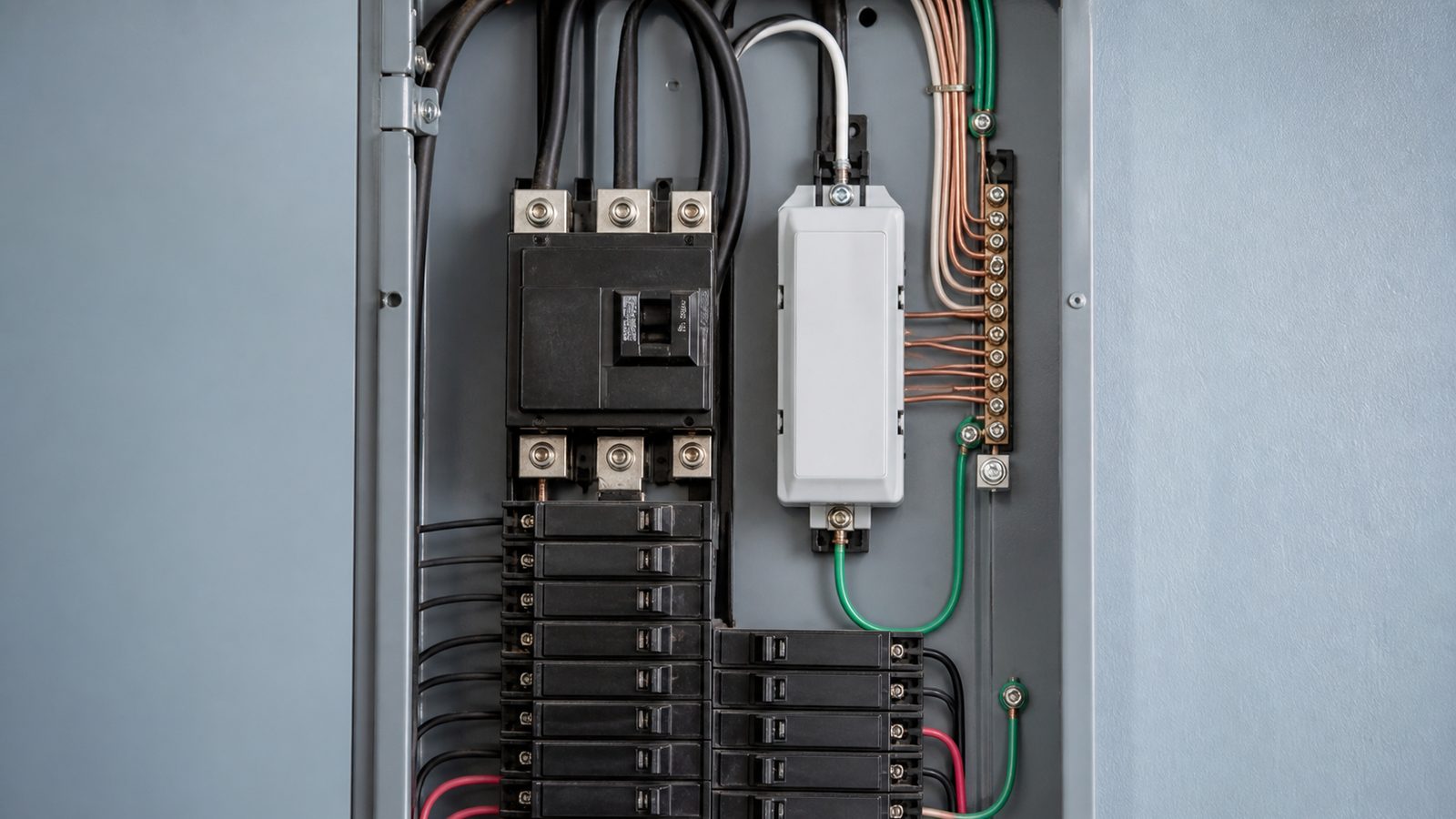
- Decide between Type 1 and Type 2, or both. A Type 1 SPD mounts ahead of the main breaker, often at the meter base, and is rated to handle surges entering directly from the utility service. A Type 2 SPD mounts inside the panel, downstream of the main breaker, and catches both utility-side surges that get through and surges generated internally, like from a large motor cycling on the AC compressor. Many Jacksonville homes end up with a Type 2 device at the panel as the baseline, sometimes with a Type 1 added at the meter for extra utility-side protection. Ask your electrician which combination fits your panel and your risk tolerance.
- Verify the grounding electrode system first. A surge protector is only as good as the path it gives a surge to dissipate into the earth. Before installing the SPD, a competent electrician checks the condition of your grounding electrode, ground rods, bonding jumpers, and conductor sizing. In older Jacksonville homes, especially anything from before the 1990s, this ground system is often undersized or corroded and needs upgrading before the SPD can do its job.
- Mount and wire the device with short, direct leads. Surge protection performance drops significantly with lead length, so the device gets mounted as close as possible to the panel or meter, with conductors kept short and free of unnecessary bends. Your electrician should size the breaker feeding the SPD to the manufacturer's spec, not guess at it.
- Close out with inspection and testing. Once wired, the device gets tested for proper indicator status (most have a simple LED or mechanical flag showing it's active), the panel is closed up, and the City inspector signs off. If a meter pull was involved, JEA reseals the meter as part of closing out the visit.
- Add point-of-use protection where it matters. A whole-house SPD handles the bulk of a surge event, but it's not the last line of defense. Plug-in surge strips or UPS units at your TV, computer, and any sensitive electronics are still worth keeping, especially for equipment that's expensive to replace.
Jacksonville Climate Considerations
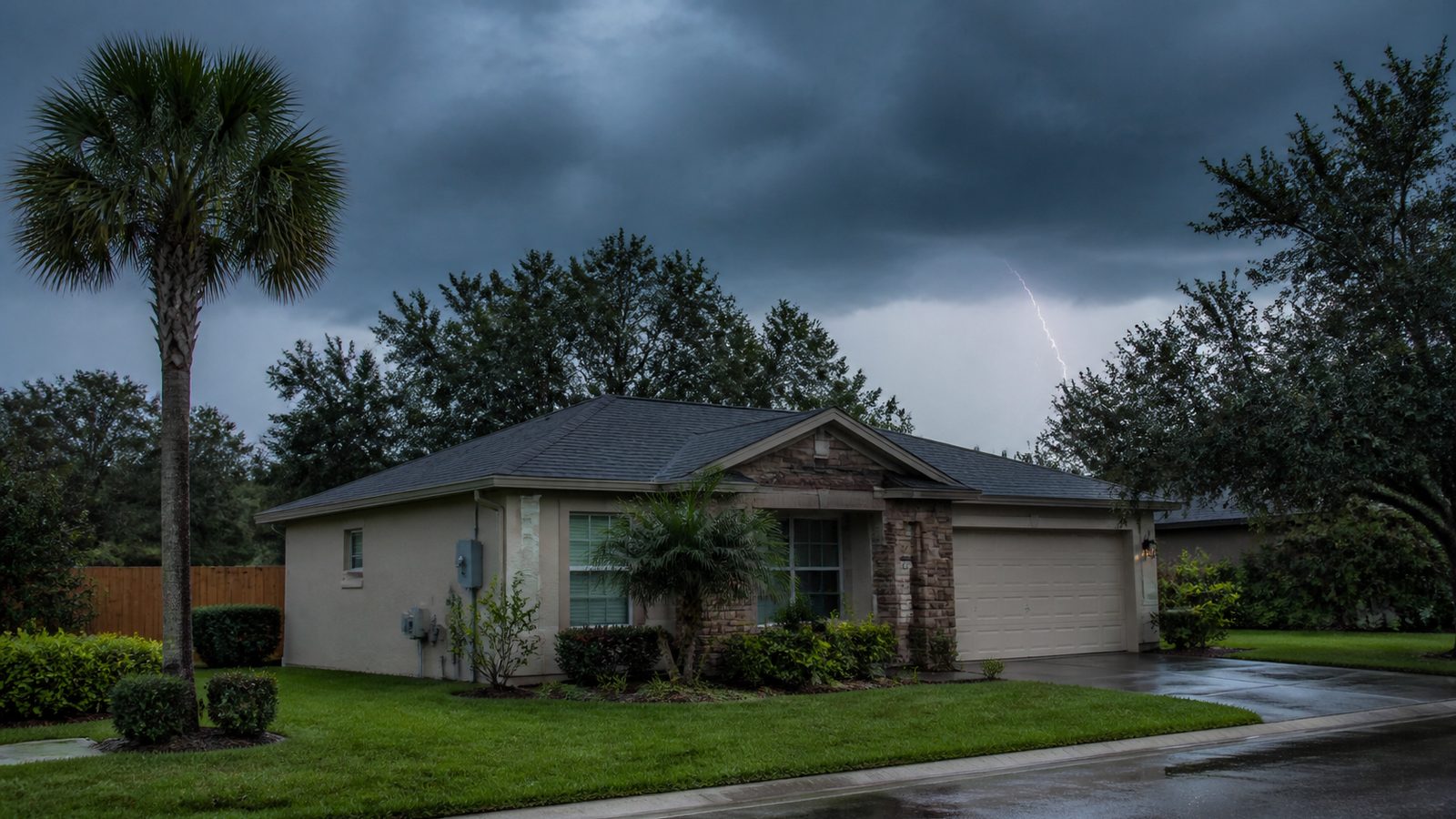
Florida sees a high volume of lightning activity, and Jacksonville's pattern of summer afternoon thunderstorms means surges aren't a rare event here, they're a seasonal expectation. Beyond direct lightning, JEA's grid does routine switching that can send smaller transient surges down the line, and those add up over the life of your appliances even when nothing dramatic happens during the storm itself.
If you're near the Beaches or anywhere with regular salt air exposure, ask your electrician about corrosion-resistant hardware and enclosures for any exterior meter-mount device. Salt air is hard on exposed metal fittings, and a meter-mount SPD lives outside year-round.
Hurricane season adds one more wrinkle worth knowing: the surge risk isn't just during the storm. Power restoration after an outage, especially when JEA is re-energizing large sections of the grid, can produce its own transient spikes. A whole-house SPD is working during that restoration period too, not just during the lightning.
It's worth being honest about the limits here: no whole-house device is rated to survive a direct lightning strike to the home or service line. What it does is absorb and clamp the much more common indirect surges, near strikes, grid switching, and utility-side transients, that account for most of the damage homeowners actually see.
What It Costs in Jacksonville (DIY vs. Hiring a Pro)
| Approach | Typical Cost Range | Notes |
|---|---|---|
| DIY panel-mount SPD purchase only | $60 to $250 | Device cost alone; installation still requires a licensed electrician and permit |
| Licensed install, Type 2 at panel | $350 to $700 | Includes permit, labor, and inspection |
| Licensed install, Type 1 at meter | $500 to $1,000 | Includes JEA coordination and meter pull |
| Combined Type 1 and Type 2 system | $800 to $1,600 | Full layered protection, grounding upgrade priced separately if needed |
| Grounding electrode upgrade, if needed | $200 to $600 | Common in older homes, priced as a separate line item |
When to Call JK Prestige
If you're weighing Type 1 versus Type 2, want your grounding system checked before you spend money on a device, or need the permit and JEA coordination handled without the back and forth, that's the kind of job we handle regularly around Jacksonville. Reach out and we'll walk your panel and give you a straight answer on what your home actually needs.
No call center. No coordinator. A JK principal reviews every inquiry and replies with a real number, not a range, not a follow-up form.
Request Free Estimate →