Water dripping through a ceiling during a Jacksonville downpour is one of the most stressful moments a homeowner can face. A temporary patch, done carefully and safely, can stop the damage from spreading until a licensed roofer makes a permanent repair. This guide covers what an emergency roof patch looks like in Duval County, when you legally need a permit, what it costs, and where the line is between DIY and a job for a professional. Read the safety notes first. No temporary fix is worth a fall.
When You Need a Permit in Jacksonville
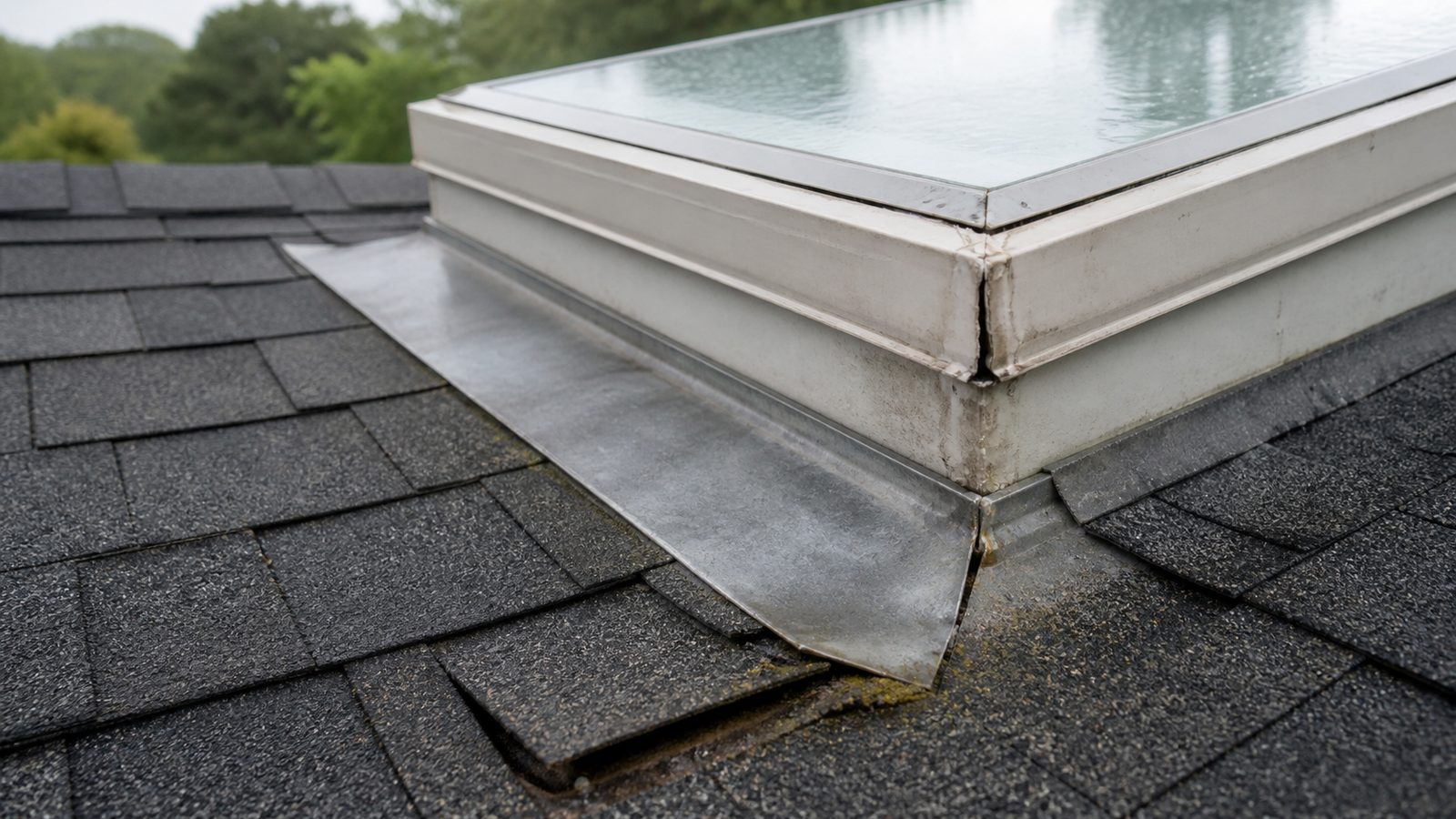
Most true emergencies do not require a permit. A temporary tarp over storm damage, or a small emergency patch to stop active water intrusion while you wait on a contractor, generally falls under emergency repair provisions and does not need a permit from the City of Jacksonville. This is meant to buy time, not to be the final fix.
Permanent roof repairs and replacements are a different story. Under the Florida Building Code, as enforced by the City of Jacksonville Building Inspection Division, any permanent repair above a minor cost threshold, and any full roof replacement, requires a building permit. Jacksonville also follows the widely used 25 percent rule: replacing 25 percent or more of the roof area typically means the entire section must meet current code, including wind mitigation and underlayment standards. A licensed roofer pulling the permit means the work gets inspected, which matters for insurance claims and resale.
If you are unsure whether your fix crosses that line, call the City of Jacksonville Building Inspection Division or ask your contractor to confirm before starting permanent work.
Tools and Materials
- Heavy-duty roofing tarp (6-mil poly or reinforced polyethylene, sized larger than the damaged area)
- Roofing cement or asphalt-based roof sealant
- Self-adhesive roof repair tape (butyl or flashing tape)
- Roofing nails or screws with rubber washers
- A few matching shingles, if available, for a small patch
- 2x4 boards to batten down tarp edges
- Fall-protection safety harness with roof anchor, non-slip shoes
- Buckets, tarps, or plastic sheeting for interior water containment
- Flashlight and a phone camera to document damage for insurance
Step-by-Step
- Put safety first. Never get on the roof during rain, wind, or a storm, and never work after dark. If the roof is wet, steep, or you lack a harness anchored to a secure point, stay off it and go straight to interior containment (Step 5) until conditions are safe or a professional arrives.
- Locate the leak from inside first. Water often travels along rafters before dripping, so the wet ceiling spot may not sit directly below the actual roof opening. Check the attic with a flashlight for wet insulation, staining, or daylight through the decking to narrow down the true entry point.
- Tarp the damaged area from outside, if it is safe to do so. Unroll the tarp so it extends at least 4 feet past the damage in every direction and drapes over the roof ridge so water sheds off rather than running underneath. Wrap the exposed edges around 2x4 boards and nail or screw through the boards, not directly through the tarp, to keep it from tearing loose in wind.
- For a small, isolated leak, a shingle patch can work. If only one or two shingles are cracked or missing and the decking underneath is undamaged, slide a replacement shingle into place, apply roofing cement generously under and around the edges, and nail it down following the existing pattern. Seal exposed nail heads with roofing cement.
- Contain water inside the house. Move furniture and electronics out of the way, place buckets under the drip, and if a ceiling bulge is forming, carefully poke a small controlled hole at the lowest point to relieve pressure and direct water into a container rather than letting the ceiling collapse.
- Photograph everything. Take pictures of the damage, the tarp installation, and interior water damage before and after your temporary fix. This documentation matters for insurance claims and for whichever contractor makes the permanent repair.
Jacksonville Climate Considerations
Jacksonville sits in a hurricane-prone stretch of Northeast Florida, and hurricane season runs June through November, peaking August through October. But you do not need a named storm to get a serious roof leak here. Jacksonville's summer pattern of sudden, intense afternoon thunderstorms means a small crack or lifted shingle can go from a minor drip to a soaked ceiling in one storm cycle, so patching before the next line of storms rolls through can prevent thousands in additional damage.
Florida's heat and humidity also mean water sitting in an attic or wall cavity creates a fast-moving mold risk, often within 24 to 48 hours. Address wet insulation and drywall promptly, and run fans or a dehumidifier in the area if it is safe to do so.
Above all, never attempt any roof work while it is raining, during high wind, or when lightning is in the area. A tarp job can wait an hour for a storm cell to pass. A fall cannot be undone.
What It Costs in Jacksonville (DIY vs. Hiring a Pro)
| Repair Type | DIY Materials Cost | Professional Cost (Jacksonville area) |
|---|---|---|
| Basic tarp kit (tarp, boards, fasteners) | $40 to $120 | N/A |
| Emergency tarp service (pro installed) | N/A | $250 to $600 |
| Small shingle patch (few shingles) | $30 to $75 in materials | $200 to $450 |
| Larger emergency leak repair | Not recommended DIY | $400 to $1,200+ |
| Full roof replacement (permit required) | N/A | Varies widely by size and material; get a written estimate |
These are general local ranges, not fixed quotes. Actual pricing depends on roof pitch, accessibility, and the extent of damage found once a contractor is on the roof.
When to Call JK Prestige
If the leak is on a steep pitch, the damage looks widespread, or you lack the equipment to work safely at height, stop and call a professional. JK Prestige Construction handles emergency tarping and permanent roof repairs throughout the Jacksonville area, and can help you understand what a full repair or replacement requires under current Duval County permitting rules. A same-day tarp from a licensed crew is often cheaper than the drywall, insulation, and mold remediation a neglected leak leaves behind.
No call center. No coordinator. A JK principal reviews every inquiry and replies with a real number, not a range, not a follow-up form.
Request Free Estimate →