Most homeowners compare roofing estimates by looking at the total price. That comparison is meaningless if two estimates do not cover the same scope. A proposal that omits flashing replacement, does not include a permit fee, or specifies felt underlayment instead of synthetic is not a lower price — it is an incomplete job priced as if it is complete. The difference between a thorough estimate and a stripped-down one can be $2,000 to $5,000 on a standard residential roof replacement, and the homeowner often does not discover the omissions until the work is underway.
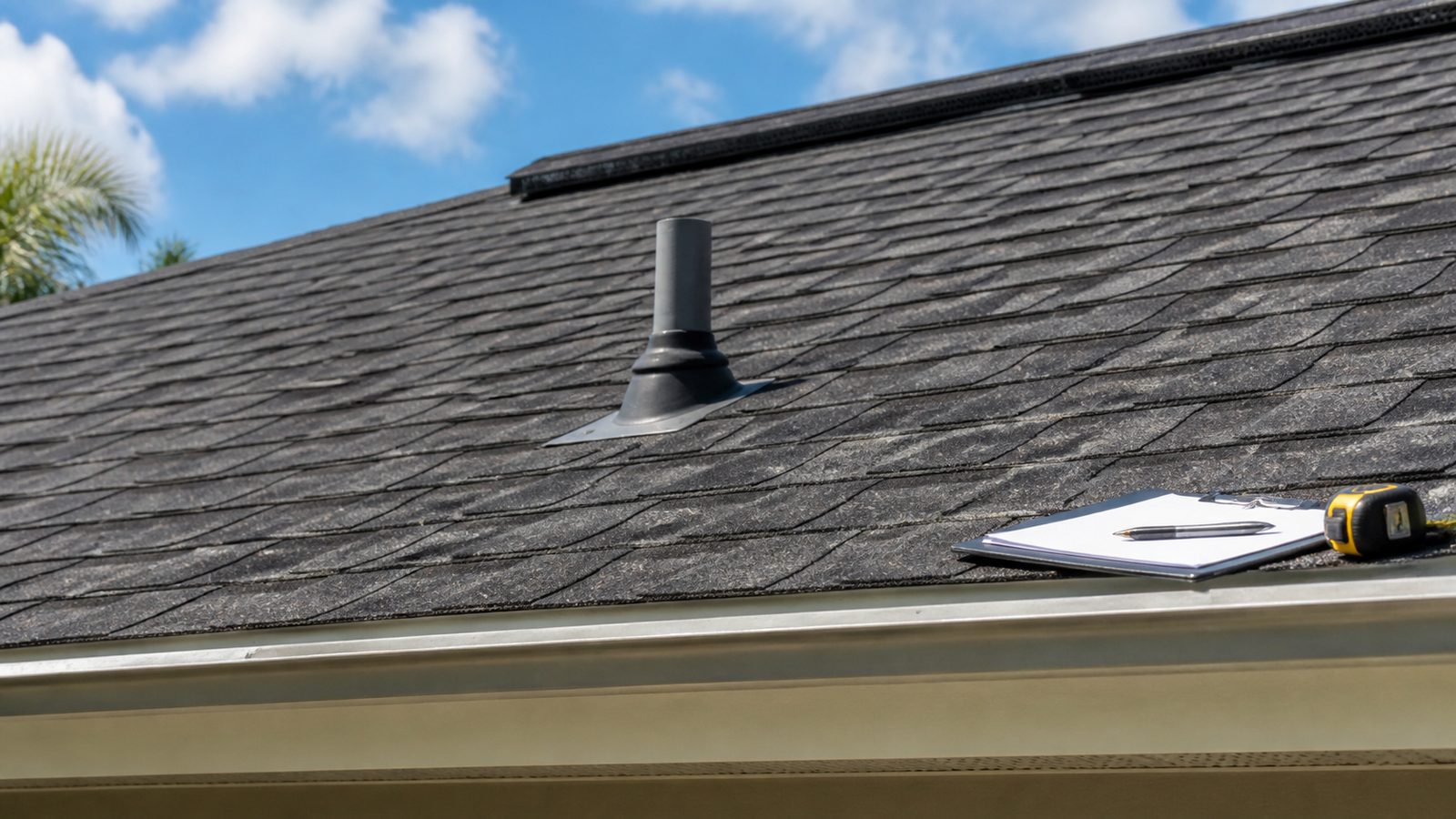
Step 1: Confirm Scope — Tear-Off vs. Overlay
The first thing to confirm is whether the estimate covers a full tear-off of the existing roof or an overlay (new shingles installed over existing). These are fundamentally different jobs with different costs, different outcomes, and different code implications. Tear-off is more expensive — it includes labor to remove, haul, and dispose of the existing roofing material, and it allows inspection of the decking condition before new materials go down. Overlay is cheaper upfront but adds weight to the structure, traps heat between layers, and may not qualify for full wind mitigation credit. Florida Building Code allows one overlay layer in limited circumstances, but most professional roofing contractors recommend full tear-off. If an estimate does not specify which scope is being quoted, ask in writing before proceeding.
Step 2: Verify the Square Count and Match It to Your Roof
A "square" in roofing is 100 square feet of roof surface. Estimate pricing is typically calculated per square. The square count in the estimate should reflect the actual measured area of your roof, not the footprint of the house. A 2,000-square-foot home with a 6:12 pitch roof has a significantly larger actual roof surface area than a flat-roof structure of the same footprint — typically 25 to 30 squares rather than 20. Before accepting an estimate, ask the contractor how they measured the roof (software aerial measurement, manual measurement, or estimated from footprint). If you have multiple estimates, compare the square count between them — a significant discrepancy means at least one contractor measured incorrectly or is pricing an overlay while another is pricing a tear-off.
Step 3: Check the Underlayment Specification
Underlayment is the layer installed directly over the roof deck, under the shingles. Two types are common: asphalt-saturated felt (15-lb or 30-lb) and synthetic underlayment (polyethylene or polypropylene-based products). Synthetic underlayment is more moisture-resistant, lighter, stronger, and easier to work with in Florida's heat. It is also the standard specified by most shingle manufacturers for warranty compliance. Felt underlayment is still code-compliant in many applications but degrades faster and tears more easily during installation, particularly in summer heat. If an estimate specifies 15-lb felt instead of synthetic on a full replacement, it is a cost-reduction measure that affects long-term performance. Ask what grade of underlayment is included and why.
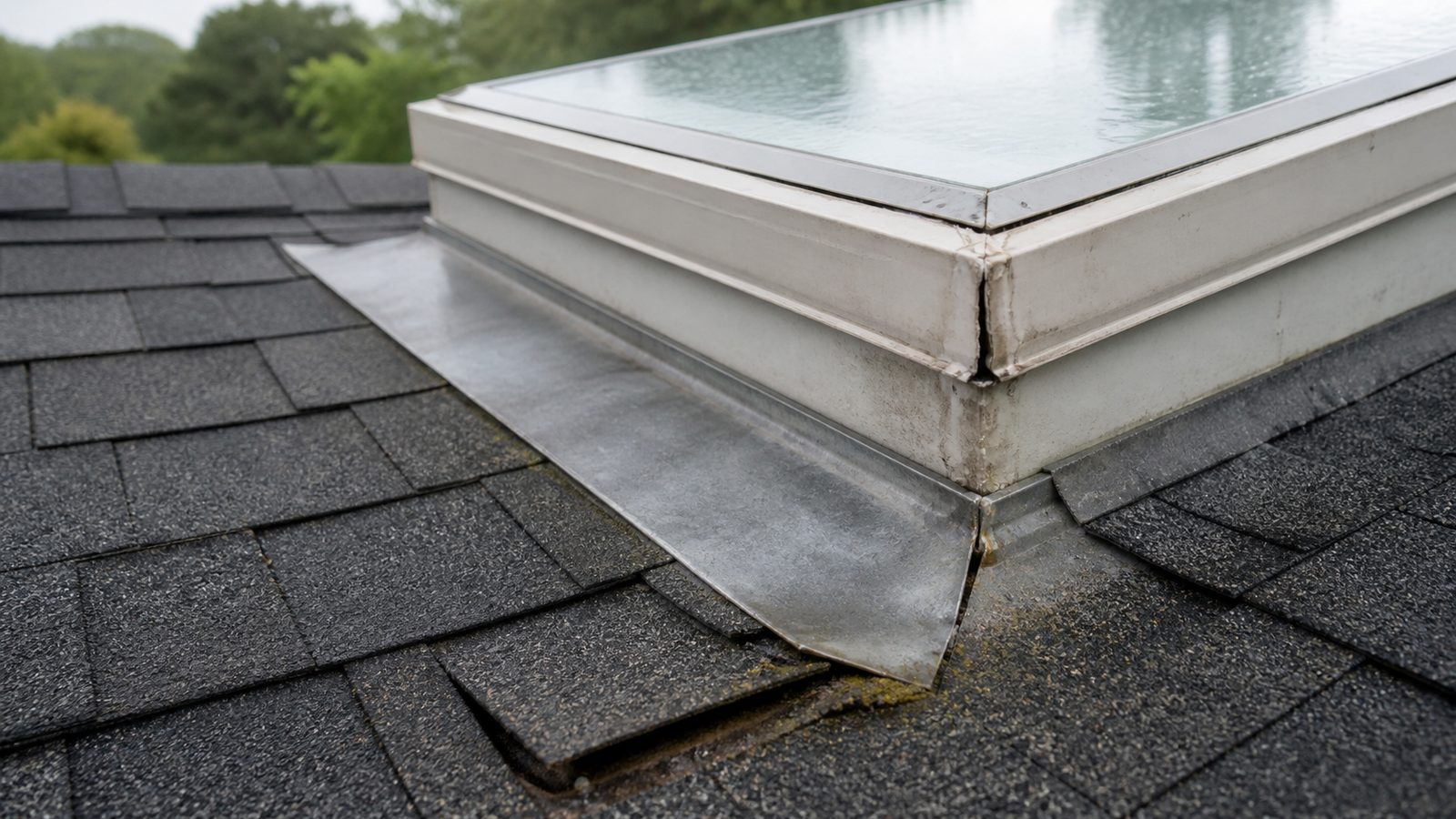
Step 4: Confirm Flashing Replacement — Not Reuse
Flashing is the metal installed at all roof penetrations (pipe boots, skylights, chimneys, HVAC penetrations) and at all transitions (roof-to-wall, valley, drip edge at eave and rake). On a full roof replacement, all flashings should be replaced — not reused. Reused flashings from a 15-year-old roof are already at end-of-service-life and have been bent, fastened, and sealed multiple times. Reusing them saves $200 to $600 in materials and labor but introduces the highest-probability failure point into an otherwise new roof. Ask specifically: "Does this estimate include replacement of all step flashing, valley flashing, drip edge, and pipe boots?" If the answer is "we'll reuse what's in good condition," get the answer in writing and understand that you are accepting the risk of those components.
Step 5: Look for Starter Course, Drip Edge, and Ridge Cap as Separate Line Items
Three components that are sometimes bundled into vague line items — or omitted entirely — are starter course shingles, drip edge flashing, and ridge cap shingles. These are distinct, code-required components, not optional add-ons.
- Starter course: A pre-applied adhesive shingle installed at the eave before the first full course. It seals the first course of shingles against wind lift. Required by both Florida Building Code and shingle manufacturer warranties.
- Drip edge: Metal flashing at the eave and rake that directs water into the gutter. Florida Building Code requires it.
- Ridge cap: Pre-formed or cut shingles installed along the ridge. Hip cap covers hip ridges. These are separate products from field shingles and are quoted separately in a complete estimate.
If any of these three components is absent from the line-item breakdown, ask specifically whether it is included and where it appears in the pricing.
Step 6: Check Warranty Terms — Workmanship vs. Manufacturer
A roofing estimate should specify two distinct warranties: the manufacturer's material warranty (covering defects in the roofing product) and the contractor's workmanship warranty (covering installation defects). These are different and both matter. A manufacturer warranty on GAF Timberline HDZ shingles may be 30 years on materials, but that warranty can be voided if the contractor is not a GAF certified installer or if installation does not meet manufacturer specifications. A workmanship warranty from a reputable contractor typically runs 5 to 10 years and covers installation defects that cause leaks. Estimate documents should state the warranty period and coverage explicitly — not just "warranty included" with no terms.

Step 7: Compare Apples to Apples Across Multiple Estimates
If you are getting three estimates, build a comparison table. Columns: scope (tear-off or overlay), square count, underlayment type, flashing replacement (yes or no), starter course included (yes or no), drip edge included (yes or no), ridge cap included (yes or no), permit fee (included or excluded), disposal/haul-off included (yes or no), manufacturer warranty, workmanship warranty, contractor license number. This table will often reveal that the lowest total price is not the lowest price for the same scope — it is the lowest price because it excludes components the other estimates include.
Step 8: Red Flags That Should Stop You From Signing
Specific things to watch for that indicate an incomplete or problematic estimate:
- "Allowances" for any line item: An allowance is an estimate placeholder, not a fixed price. If an estimate says "decking replacement: allowance $2/sf," the final cost is open-ended.
- No permit line item: Roofing work over a threshold value (typically any full replacement) requires a permit in Jacksonville. If the estimate does not include a permit fee line item, ask who is responsible for pulling the permit and how the cost is handled. Unlicensed contractors frequently avoid permits.
- No disposal or haul-off line: Tear-off generates significant debris volume. If disposal is not in the estimate, you may be billed separately or the debris may not be promptly removed.
- Verbal warranties only: Warranties must be in writing to be enforceable. "We stand behind our work" is not a warranty.
- No license number on the estimate: A licensed Florida contractor is required to include their license number on written contracts and proposals.
Get a written estimate in 48 hours. Call (904) 944-0278 or request a free inspection.
JK Prestige Construction provides itemized written estimates within 48 hours of site visit, with every component listed as a separate line item — starter course, drip edge, ridge cap, permit fee, disposal, and flashing replacement are never bundled or omitted. Our fixed-price contracts mean the estimate total is the contract total. See how JK Prestige structures estimates and contracts, or learn more on our roofing services page.
No call center. No coordinator. A JK principal reviews every inquiry and replies with a real number, not a range, not a follow-up form.
Request Free Estimate →