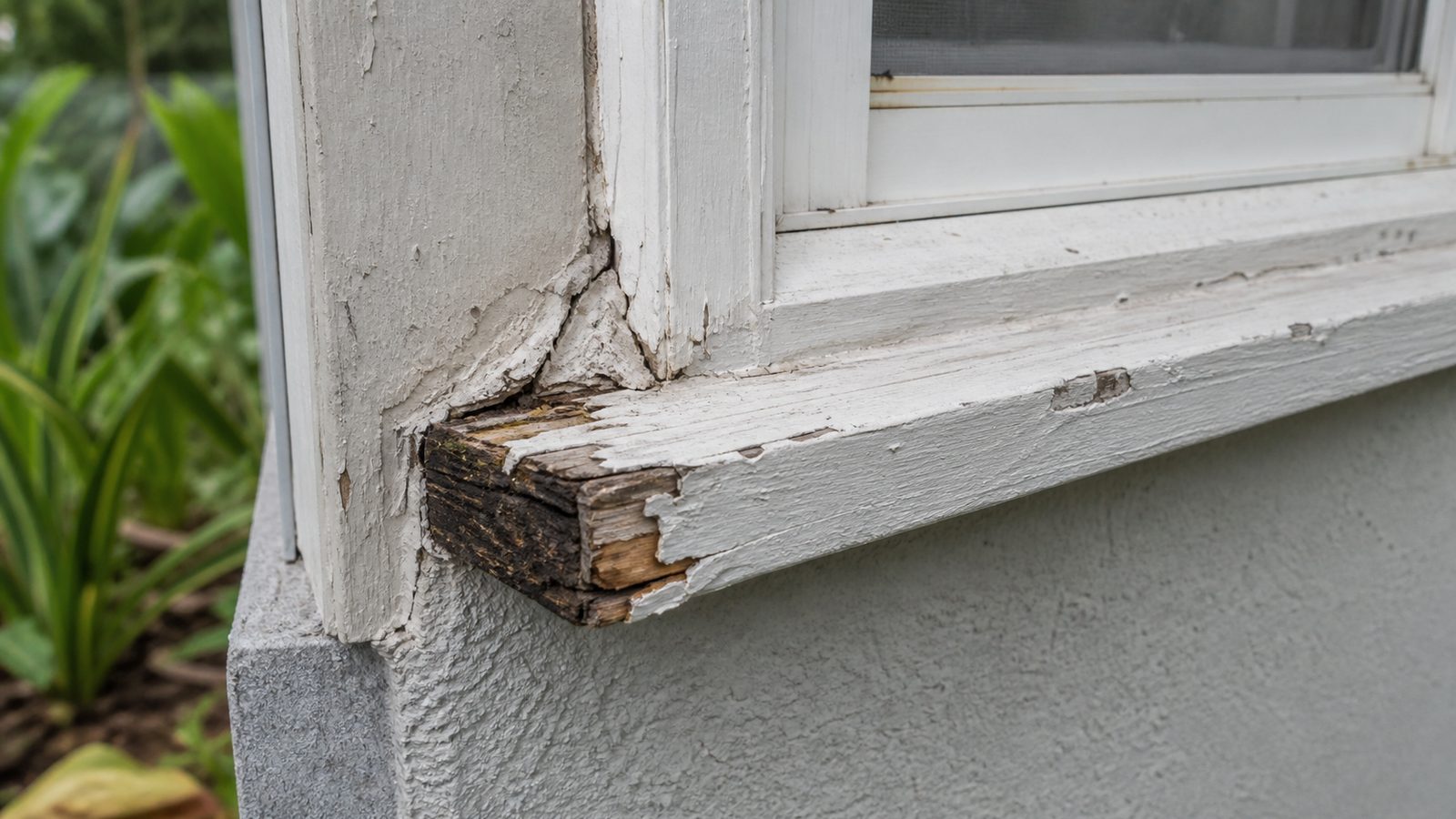
If you have noticed soft, discolored, or crumbling wood under one of your windows, you are looking at a rotted sill, and it is one of the most common repair calls we get in Jacksonville. Between the humidity, the summer thunderstorms, and the sun beating down on painted trim, exterior wood sills take a beating here faster than in drier climates. The good news is that a rotted sill caught early is a manageable weekend project for a handy homeowner, and it does not have to mean replacing the whole window. This guide walks through how to assess the damage, choose between epoxy repair and cut-and-replace, and get the job done in a way that holds up to Jacksonville weather.
When You Need a Permit in Jacksonville
For most homeowners, this is a repair you can do without pulling a permit. Cosmetic or minor structural repair to an existing window sill or trim board, where you are patching rot with epoxy or swapping out the sill piece itself without touching the window unit, generally falls under routine maintenance and does not trigger a Duval County building permit.
That changes if the rot has spread past the sill into the framing around the window, such as the jack studs, header, or sheathing. At that point you are into structural repair, and the City of Jacksonville's Building Inspection Division, which enforces the Florida Building Code, will expect a permit before work begins. The same is true if you decide to replace the window itself rather than just the sill and trim around it. Window replacement is a permitted activity under Duval County rules regardless of whether the surrounding wood is rotted.
If you are ever unsure how far the rot goes, it is worth probing the area first, described below, before deciding whether this is a DIY trim repair or a permitted structural job. When in doubt, a quick call to the Building Inspection Division or a licensed contractor can save you from doing work that later needs to be opened back up for inspection.
Tools and Materials
- Wood hardener (consolidant) for soft but intact wood
- Two-part epoxy wood filler, such as a marine-grade exterior formula
- PVC or composite trim board to match your existing sill profile, for replacement sections
- Oscillating multi-tool with a wood blade for cutting out rotted sections
- Exterior-grade caulk, paintable and flexible, rated for outdoor use
- Exterior primer, oil-based or high-quality acrylic bonding primer
- Exterior paint matched to your trim color
- Putty knife, chisel, and a small pry bar
- Screwdriver or drill for removing any fasteners
- Sandpaper (80 and 150 grit)
- Safety glasses and a dust mask, especially important if the home was built before 1978 due to possible lead paint
Step-by-Step
- Probe the extent of the rot. Use an awl, screwdriver, or ice pick to press into the wood along the sill, the trim below it, and where it meets the window frame and siding. Soft, spongy wood that gives easily means active rot. Mark the boundaries where the wood feels solid again, that is your repair perimeter.
- Check behind and below the sill. Rot almost always starts from water intrusion, so look for a failed caulk joint, missing or damaged flashing above the window, or a sill that lacks a proper slope to shed water away from the house. If you find the entry point, plan to fix that too, or the repair will fail again.
- Decide: epoxy repair or cut-and-replace. If the rot is limited to the surface, a shallow pocket, or less than roughly 20 to 30 percent of the sill's cross-section, epoxy repair is the faster and cheaper route. If rot has gone all the way through the board, extends more than a few inches, or you can push a screwdriver straight through the wood, cut-and-replace is the more durable choice.
- For epoxy repair: Remove all soft, crumbling wood with a chisel or oscillating tool until you reach solid material. Let the area dry completely, this matters, epoxy will not bond properly over damp wood. Apply a liquid wood hardener/consolidant to the remaining wood fibers and let it cure per the label. Mix your two-part epoxy filler and pack it into the void, slightly overfilling since you will sand it flush later. Shape it roughly to match the sill profile while it is still workable.
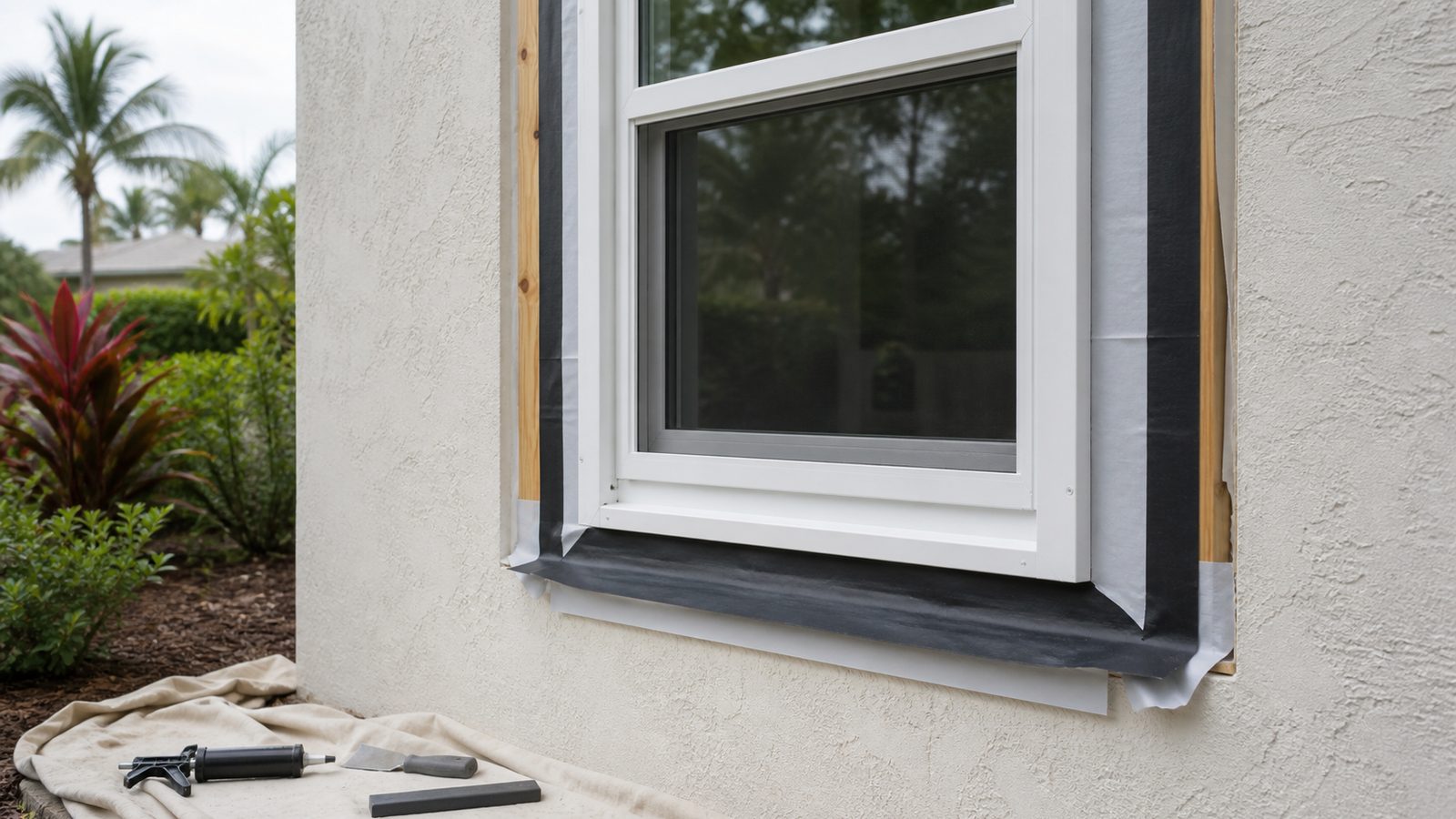
- For cut-and-replace: Use the oscillating tool to cut out the damaged section of sill or trim along clean lines, ideally at a natural break point like a mitered corner. Remove any fasteners holding the old piece. Cut a new PVC or composite board to match the existing profile and dimensions. PVC and composite trim will not rot, which makes this the better long-term choice for a sill that has already failed once. Fasten the new piece with stainless steel or coated exterior screws, and seal all seams before painting.
- Sand and shape. Once epoxy has fully cured, usually 24 hours depending on temperature and humidity, sand it smooth and flush with the surrounding wood or trim using 80-grit then 150-grit sandpaper.
- Prime. Apply a coat of quality exterior primer over any bare wood, epoxy repair, or new PVC trim. Primer is what gives your paint job something to grip and is not optional for longevity.
- Caulk all joints. Run a bead of exterior caulk anywhere the sill meets the window frame, siding, or trim. This is your first line of defense against the next round of water intrusion.
- Paint. Two coats of quality exterior paint, allowing proper dry time between coats, will protect the repair and match it to your existing trim.
Jacksonville Climate Considerations
Jacksonville's combination of high humidity, heavy summer rain, and long stretches of intense sun creates conditions that are tough on painted wood trim. Wind-driven rain during our afternoon thunderstorms and tropical systems tends to find its way into any gap in caulking or flashing around a window, and once moisture gets behind painted wood, it can sit there without drying out quickly given our average humidity levels. That is exactly the cycle that produces sill rot in the first place.
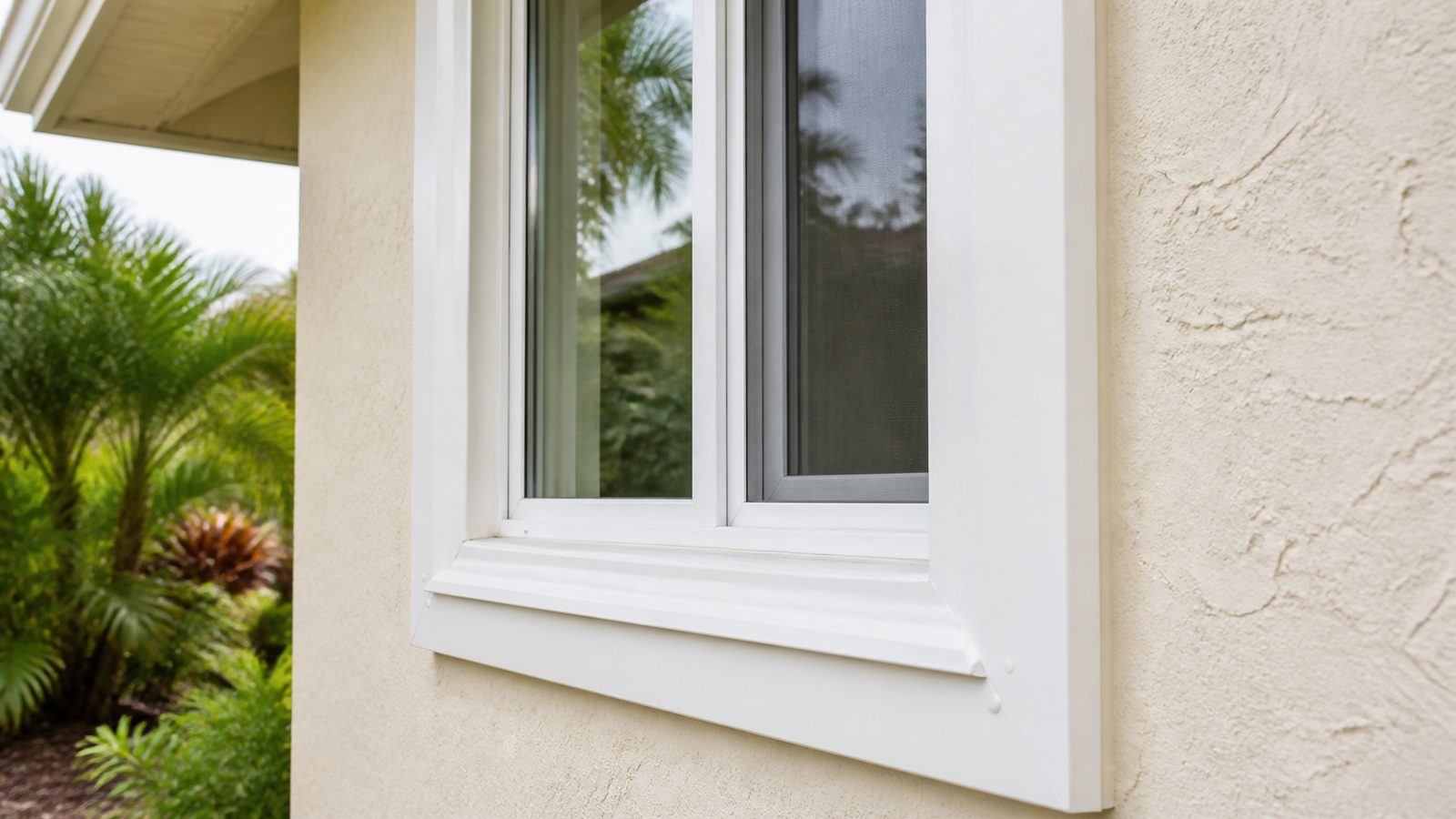
This is why PVC and composite trim boards have become the standard upgrade for anyone replacing a sill in this area. They do not absorb water, do not rot, and hold paint well, which means one less recurring maintenance item on your house. If your original sill was solid wood and it rotted once, replacing it with wood again in the same spot without fixing the underlying water intrusion issue usually just resets the clock.
If your home is near the coast, in areas like Jacksonville Beach, Atlantic Beach, or the Intracoastal, salt-laden air accelerates the breakdown of caulk and paint finishes, so those homes benefit even more from composite materials and slightly more frequent caulk inspections, roughly once a year instead of every two to three years.
What It Costs in Jacksonville (DIY vs. Hiring a Pro)
| Repair Type | DIY Materials Cost | Professional Cost (Jacksonville) |
|---|---|---|
| Epoxy sill repair (minor rot) | $40 to $80 | $250 to $450 |
| Cut-and-replace sill section (wood) | $60 to $120 | $350 to $600 |
| Cut-and-replace sill section (PVC/composite) | $80 to $160 | $400 to $700 |
| Full sill and trim replacement with paint | $150 to $300 | $600 to $1,200 |
These ranges assume a single window. Costs go up if rot has spread into the framing, if the window itself needs replacing, or if a permit and inspection are required. Multiple affected windows on an older home, especially those with original wood-frame windows from before the 1990s, can add up quickly and may be worth bundling into one project.
When to Call JK Prestige
If you have probed the sill and found rot extending into the framing, if water intrusion has been an ongoing issue, or if you would rather have a licensed crew handle the repair, flashing, and paint match correctly the first time, JK Prestige Construction can assess the damage and give you a straight answer on whether this is a trim repair or something bigger. We handle both the small jobs and the structural ones, and we know exactly what Duval County inspectors expect on a permitted repair.
No call center. No coordinator. A JK principal reviews every inquiry and replies with a real number, not a range, not a follow-up form.
Request Free Estimate →