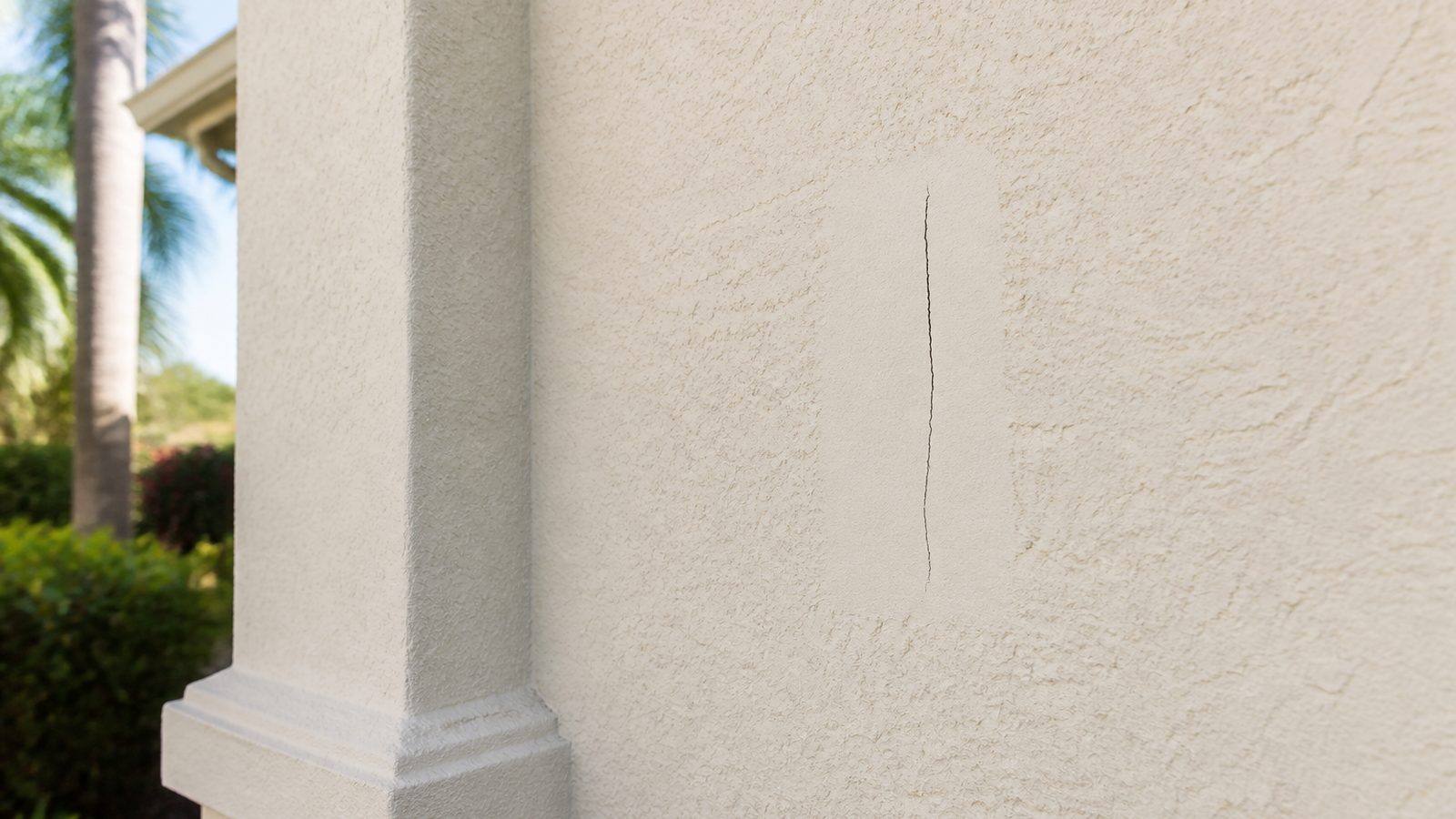
If you own a stucco home in Jacksonville, hairline cracks are almost inevitable. Between the region's heat and humidity swings, wind-driven rain off the St. Johns River and the Atlantic, and the sandy, shifting soils common across Duval County, stucco expands, contracts, and settles in ways that eventually show up as surface cracking. Most of the time this is cosmetic and fixable in an afternoon. Sometimes it's a sign that water has gotten behind the stucco, which is a bigger problem. This guide walks through how to tell the difference, what tools and materials to use, and what the repair actually costs in the Jacksonville market.
When You Need a Permit in Jacksonville
For a typical homeowner project, the line is drawn by scope, not by the fact that stucco is involved.
A small hairline crack, a few feet or less, patched with caulk or a pre-mixed stucco patch, is routine cosmetic maintenance and does not require a permit from the City of Jacksonville's Building Inspection Division.
Where permitting comes in is larger-scale work: cutting out and replacing sections of stucco down to the lath, repairing damage tied to water intrusion behind the wall, or any repair that touches the weather-resistant barrier or lath system. The Florida Building Code treats the lath and moisture barrier as part of the structure's weatherproofing envelope, so re-installing or repairing that assembly is treated differently than a surface patch. If your crack repair is going to involve removing more than a small patch of stucco, exposing the lath, or addressing rot or water staining on the interior side of a wall, call the City of Jacksonville's Building Inspection Division before you start, or have your contractor pull the permit. When in doubt, a five-minute call to confirm scope is cheaper than redoing unpermitted work later, especially if you plan to sell the house.
Tools and Materials
- Pre-mixed stucco patch or stucco repair mortar (matched to your wall's texture, sand or smooth)
- Elastomeric caulk rated for exterior masonry (for hairline cracks under about 1/8 inch)
- Fiberglass mesh tape (for cracks wider than 1/8 inch or any recurring crack)
- Wire brush and stiff-bristle brush
- Masonry chisel or 5-in-1 tool for widening and cleaning out cracks
- Trowel (margin trowel and a small pointing trowel)
- Caulk gun
- Elastomeric acrylic exterior paint or masonry coating, color-matched
- Painter's tape and plastic sheeting to protect windows, trim, and landscaping
- Safety glasses and a dust mask
Step-by-Step
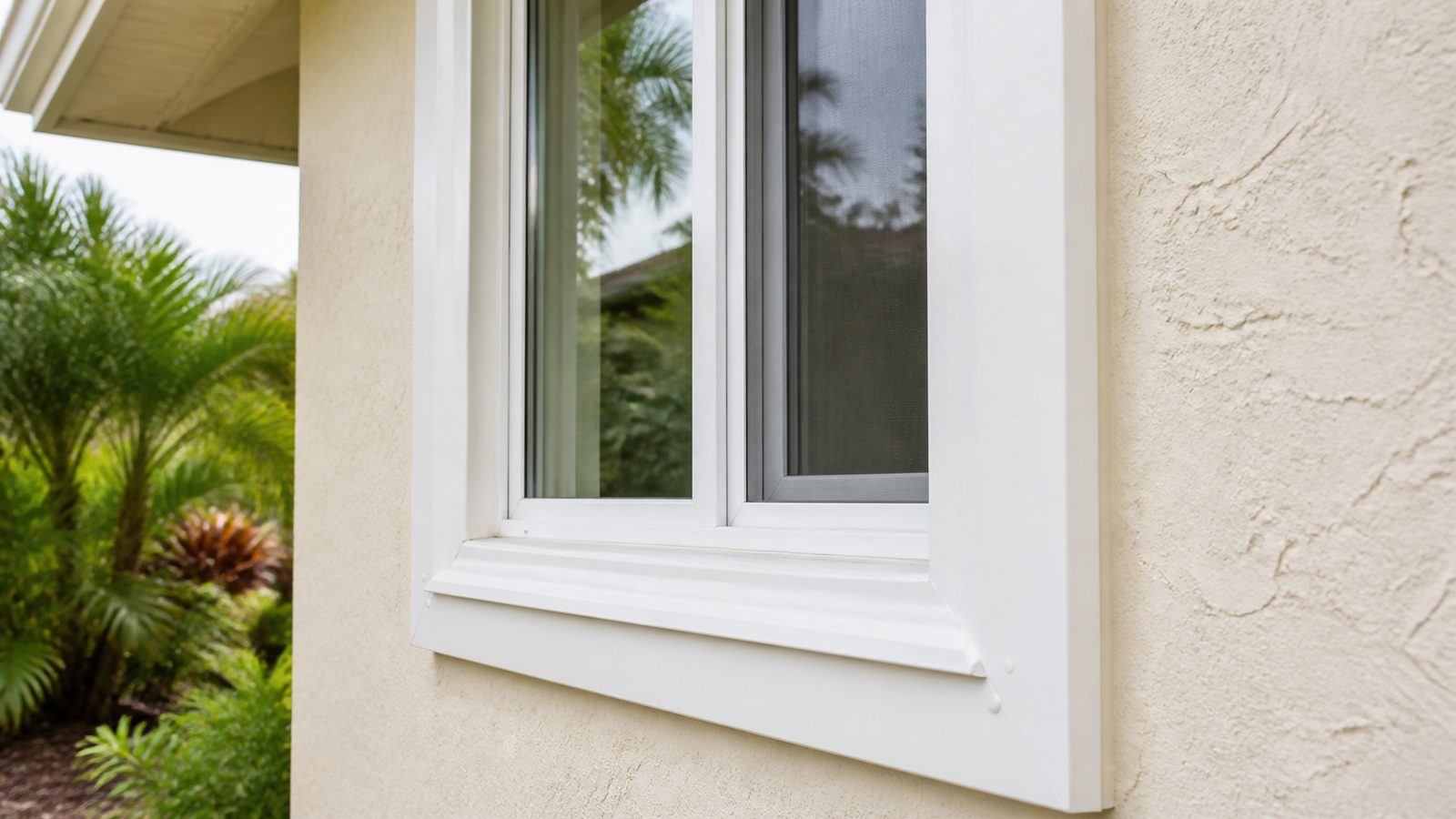
- Identify the crack type. Hairline cracks (thinner than a credit card, no movement when you press on either side) are almost always cosmetic and caused by normal shrinkage or thermal movement. Cracks wider than 1/8 inch, cracks that step diagonally from window or door corners, or cracks where one side sits higher than the other can point to structural movement or foundation settling and should be evaluated before patching.
- Clean the crack. Use a wire brush to remove loose stucco, dirt, and any old caulk or paint film. Rinse with a garden hose and let the area dry completely, ideally on a low-humidity day, which in Jacksonville often means late fall or winter rather than the height of summer.
- Widen hairline cracks slightly. A slight V-groove cut with a 5-in-1 tool gives caulk or patch material something to grip. Skip this step only for the thinnest surface checking cracks.
- Fill the crack.
- For hairline cracks: apply elastomeric caulk in a smooth, continuous bead, then tool it flush with a wet finger or putty knife.
- For cracks over 1/8 inch or cracks that have reopened before: embed fiberglass mesh tape over the crack, then apply stucco patch over the mesh in thin layers, letting each layer set before adding the next.
- Match the texture. Jacksonville homes carry a range of stucco finishes, from smooth to heavy sand to Mediterranean-style dash. Use a sponge, brush, or trowel to replicate the surrounding texture while the patch is still workable. This step is what separates a repair that disappears from one that stands out like a scar.
- Cure before painting. Let stucco patch cure per the product label, typically 24 to 48 hours minimum, longer in humid weather.
- Prime and paint. Use an elastomeric acrylic coating matched to your existing paint color. Elastomeric coatings flex with the stucco and hold up better to Jacksonville's UV exposure and humidity than standard exterior paint.
Jacksonville Climate Considerations
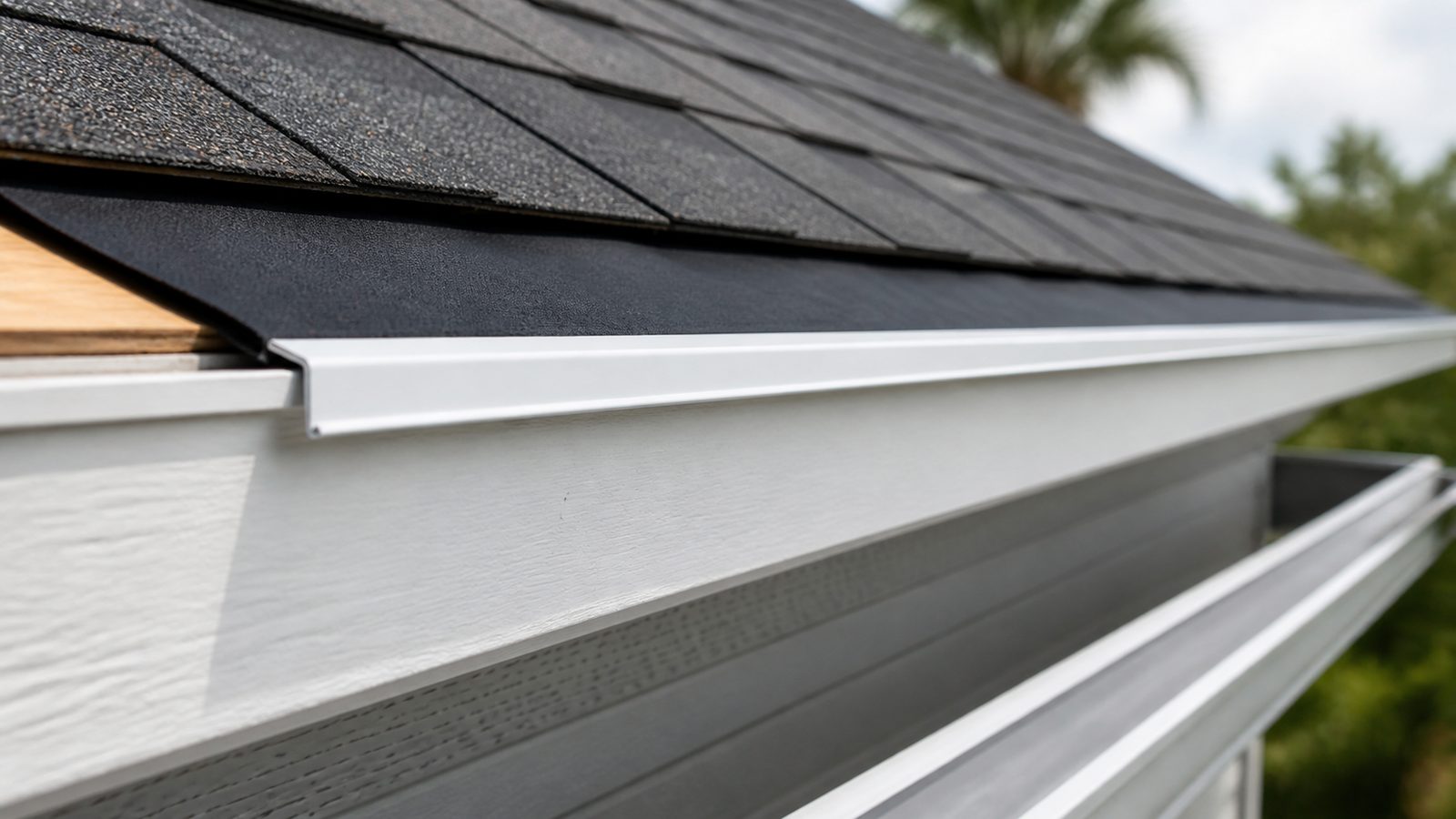
Jacksonville's climate works against stucco in a few specific ways. Wind-driven rain during summer thunderstorms and tropical systems can push moisture into even small unsealed cracks, and once water gets behind stucco it can sit against the lath and framing far longer than it takes to dry on the surface, because the region's humidity slows evaporation. That trapped moisture is what turns a cosmetic crack into a rot or mold issue over time.
Homes closer to the beaches, the Intracoastal, or the St. Johns River face an added factor: salt-laden air accelerates the breakdown of caulk, paint film, and any exposed metal lath or fasteners, so cracks near the coast tend to need attention sooner and coatings need to be rated for that exposure.
Finally, Jacksonville's strong seasonal UV load breaks down elastomeric coatings faster than in milder climates. A five- to seven-year repaint cycle on elastomeric-coated stucco is common here, and skipping it lets new hairline cracking start the cycle over.
What It Costs in Jacksonville (DIY vs. Hiring a Pro)
| Repair Scope | DIY Materials Cost | Professional Cost (Jacksonville area) |
|---|---|---|
| Single hairline crack (caulk only) | $15 to $40 | $150 to $300 (often a minimum service call) |
| Small patch with mesh, a few cracks | $50 to $150 | $300 to $700 |
| Larger patch job, multiple cracks, texture matching | $150 to $400 | $700 to $1,800 |
| Section replacement (lath exposed, water damage) | Not recommended as DIY | $1,800 to $5,000+, permit fees additional |
These are general planning ranges, not quotes. Actual pricing depends on how much of the house is affected, how well the existing texture and paint color can be matched, and whether any hidden damage turns up once the wall is opened.
When to Call JK Prestige
If a crack is wider than a pencil line, keeps coming back after you patch it, or shows up alongside staining, soft spots, or a musty smell on the interior wall, stop and get it looked at rather than patching over it. JK Prestige Construction handles stucco repair across Jacksonville, from small cosmetic patches to full lath and moisture barrier replacement, and can tell you on-site whether a permit applies to your scope of work. Call us before a small crack turns into a wall assembly problem.
No call center. No coordinator. A JK principal reviews every inquiry and replies with a real number, not a range, not a follow-up form.
Request Free Estimate →