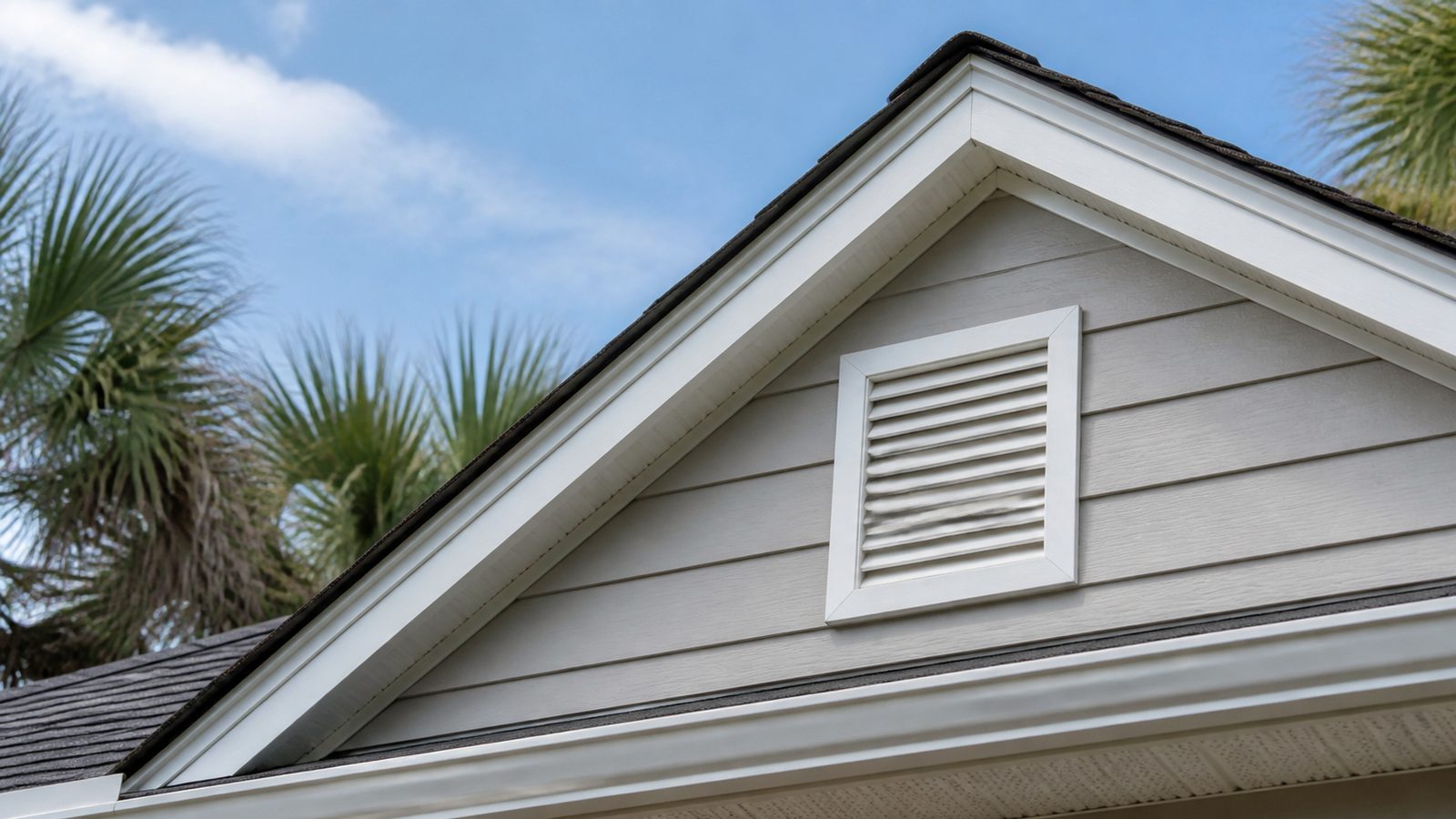
If you have climbed a ladder after a storm and found the gable louver cracked, the frame soft, or a wasp nest behind torn screen, the vent is not doing its job. It sits where wind, rain, and pests all try to get in at once. Replacing one is a reasonable weekend project for a homeowner comfortable on a ladder at gable-end height, but in Jacksonville it also touches wind code, historic district rules, and a brutal attic heat load. Here is how to do it right, and when to call a contractor instead.
When You Need a Permit in Jacksonville
A straight like-for-like swap, same opening, same location, same vent type, is generally treated as maintenance and typically does not require a permit. Cutting a new or larger opening, altering the surrounding framing, or changing the vent type in a way that affects the wall's structure or wind rating is permitted work, handled by the City of Jacksonville's Building Inspection Division.
Duval County sits in a wind-borne debris region, and a gable vent is an opening in the building envelope. Exterior openings here generally need to be impact rated or otherwise protected so the envelope stays intact in a windstorm. If you are installing a new vent rather than an identical replacement, confirm the product carries the appropriate rating first.
If your home sits in Riverside, Avondale, Springfield, or another historic district, anything visible from the street, including a gable end, can fall under design review from the city's Historic Preservation office, which can affect vent style, material, and color even on a repair.
These rules turn on your zoning and district boundary, so do not guess. Call the Building Inspection Division before you start, and check with Historic Preservation if near one of those districts.
Tools and Materials
- Extension ladder rated for the peak height, with a stabilizer on high walls
- Pry bar, hammer, and cordless driver
- Reciprocating saw, only if cutting or enlarging the opening
- Caulk gun and exterior-grade sealant
- Head flashing sized to the opening
- New gable vent, matching the existing rough opening
- Corrosion-resistant fasteners, stainless or hot-dipped galvanized for coastal air
- 1/8 inch mesh vent screen, if not already integrated
- Paint or primer to match trim
- Safety glasses, gloves, and a helper to foot the ladder
Step-by-Step
- Confirm scope and permit status. Know whether this is a same-size swap or a modified opening before touching the wall.
- Work early. Jacksonville summer attics climb past safe working temperatures by mid-morning.
- Inspect from outside. Check trim boards for soft or delaminated wood. Rot often extends past the vent frame.
- Remove the old louver. Back out fasteners and pry the frame free, noting any soft trim.
- Check the framing. A sound opening means a straight swap. Rotted framing must be cut back to solid wood and repaired first.
- Dry-fit the new vent flush with the siding plane.
- Install head flashing before the vent goes in. The top edge is where wind-driven rain gets pushed in during a storm, so lap the flashing under the trim above and past the sides.
- Set the vent and fasten it into solid wood, sealing the back perimeter but leaving the bottom edge open so trapped water can drain.
- Confirm or install the screen. Torn mesh is the most common failure point on older vents.
- Caulk the perimeter and inspect from the ground, with binoculars if the peak is high.
Jacksonville Climate Considerations
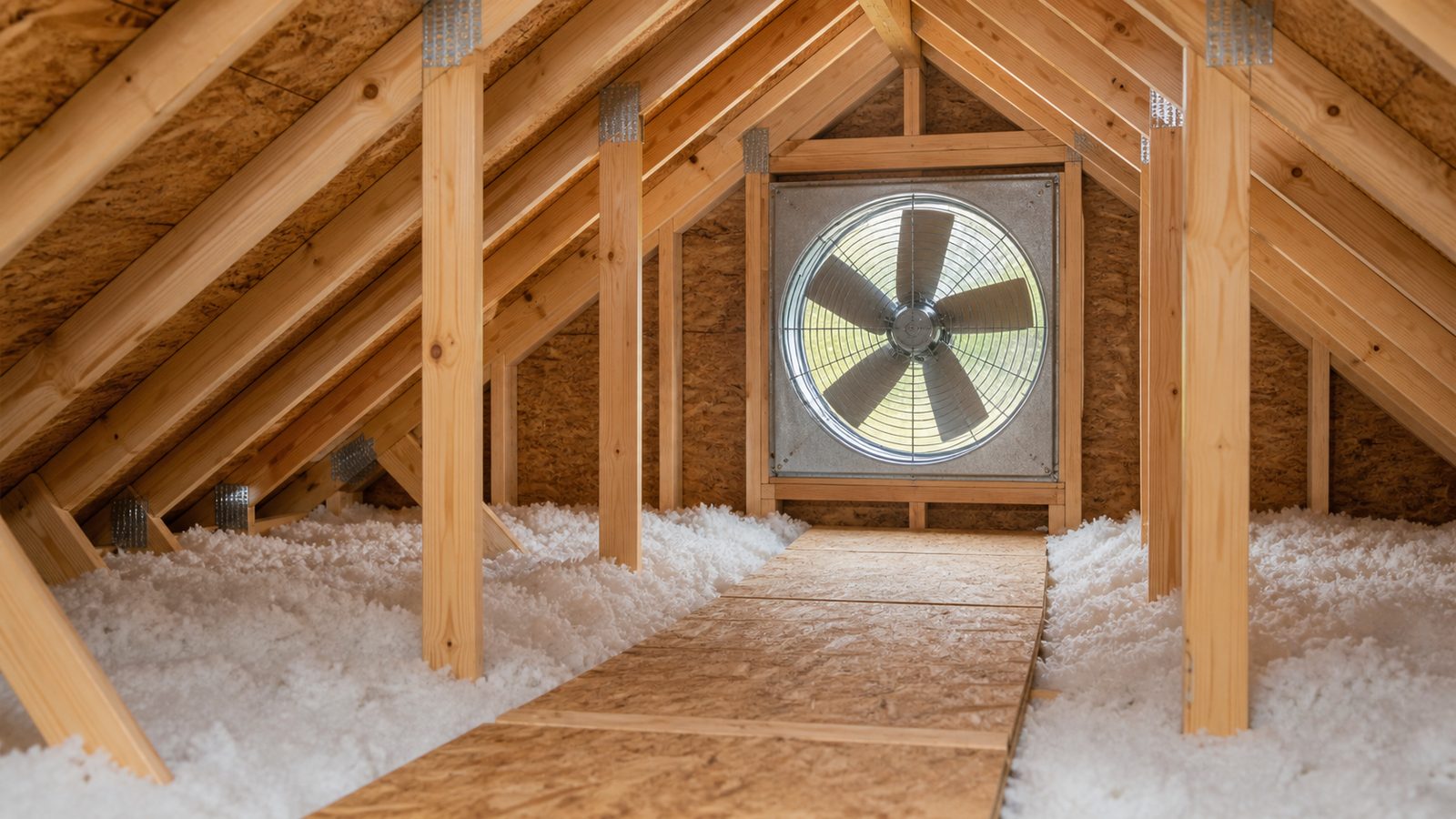
Northeast Florida throws a lot at a gable vent. Wind-driven rain during summer storms hits gable ends directly, and a vent without proper head flashing leaks into the attic insulation even if the louver looks fine. Attic temperatures here run far hotter than outdoor air in summer, and with our humidity, that heat and moisture is what drives mold on roof sheathing when ventilation is inadequate.
Near the river or coast, salt air accelerates corrosion on fasteners and metal frames, which is why corrosion-resistant hardware is worth the extra cost. A torn screen is an open door for wasps, squirrels, and in older homes, bats, all common here and more expensive to remove than a screen costs to replace. During a hurricane, an unprotected gable opening can let wind pressurize the attic from inside, a real contributor to roof failure, so do not put this off with a storm on the forecast track.
What It Costs in Jacksonville (DIY vs. Hiring a Pro)
These are rough planning estimates based on typical local material and labor costs, not official or surveyed figures. Get a written quote for your specific vent size and access.
| Scope | DIY Estimate | Contractor Estimate |
|---|---|---|
| Basic vinyl or aluminum louver, like-for-like | $40 to $120 materials | $250 to $500 |
| Wood-trim or custom vent, matching existing style | $100 to $300 materials | $400 to $800 |
| Swap plus rotted trim or framing repair | $150 to $400 materials | $600 to $1,500+ |
| High gable or two-story access | Add ladder rental, $40 to $80/day | Often included, or a modest fee |
When to Call JK Prestige
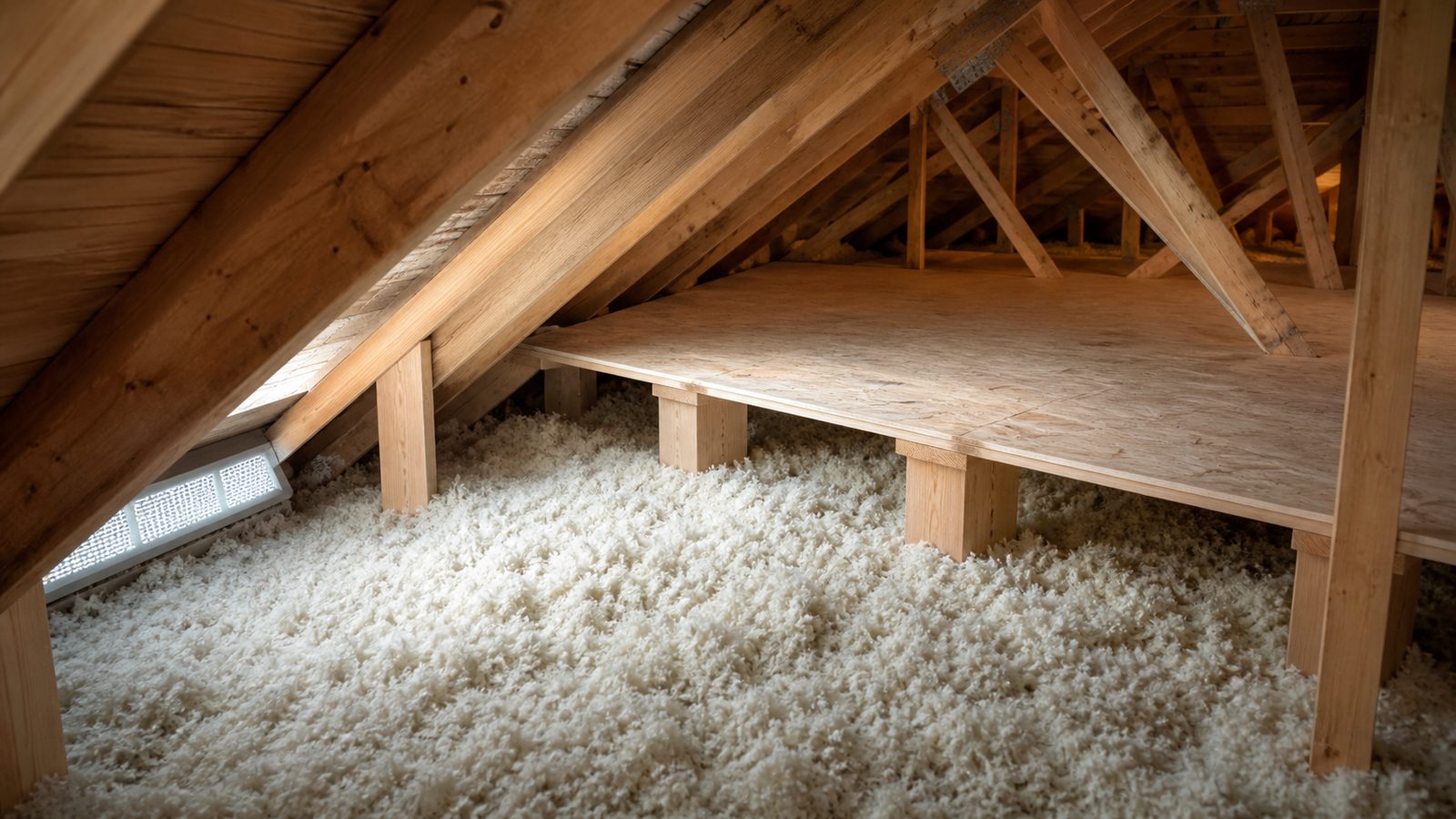
If the framing is rotted, the opening needs to be enlarged, your home is in a historic district, or you are not comfortable on a ladder at gable-end height, this is a job for a licensed contractor. It is also worth a call if you want the whole ventilation system, ridge, soffit, and gable, looked at together rather than patched piece by piece. JK Prestige Constructor Corp handles gable vent replacement, trim repair, and attic ventilation assessments for Jacksonville homeowners, and can pull permits and coordinate historic review when needed.
No call center. No coordinator. A JK principal reviews every inquiry and replies with a real number, not a range, not a follow-up form.
Request Free Estimate →