A cracked or shattered window pane is one of those repairs that seems small until you're standing in front of it with a putty knife, wondering whether you're about to make things worse. In Jacksonville, the job itself is straightforward for most single-pane and insulated-glass residential windows, but the details that trip people up are usually local: what kind of glass you have, whether it's just the pane or the whole unit, and how our humidity and storm exposure affect the materials you choose. Here's how to handle a standard single or double-pane replacement, and when to call in a pro instead.
When You Need a Permit in Jacksonville
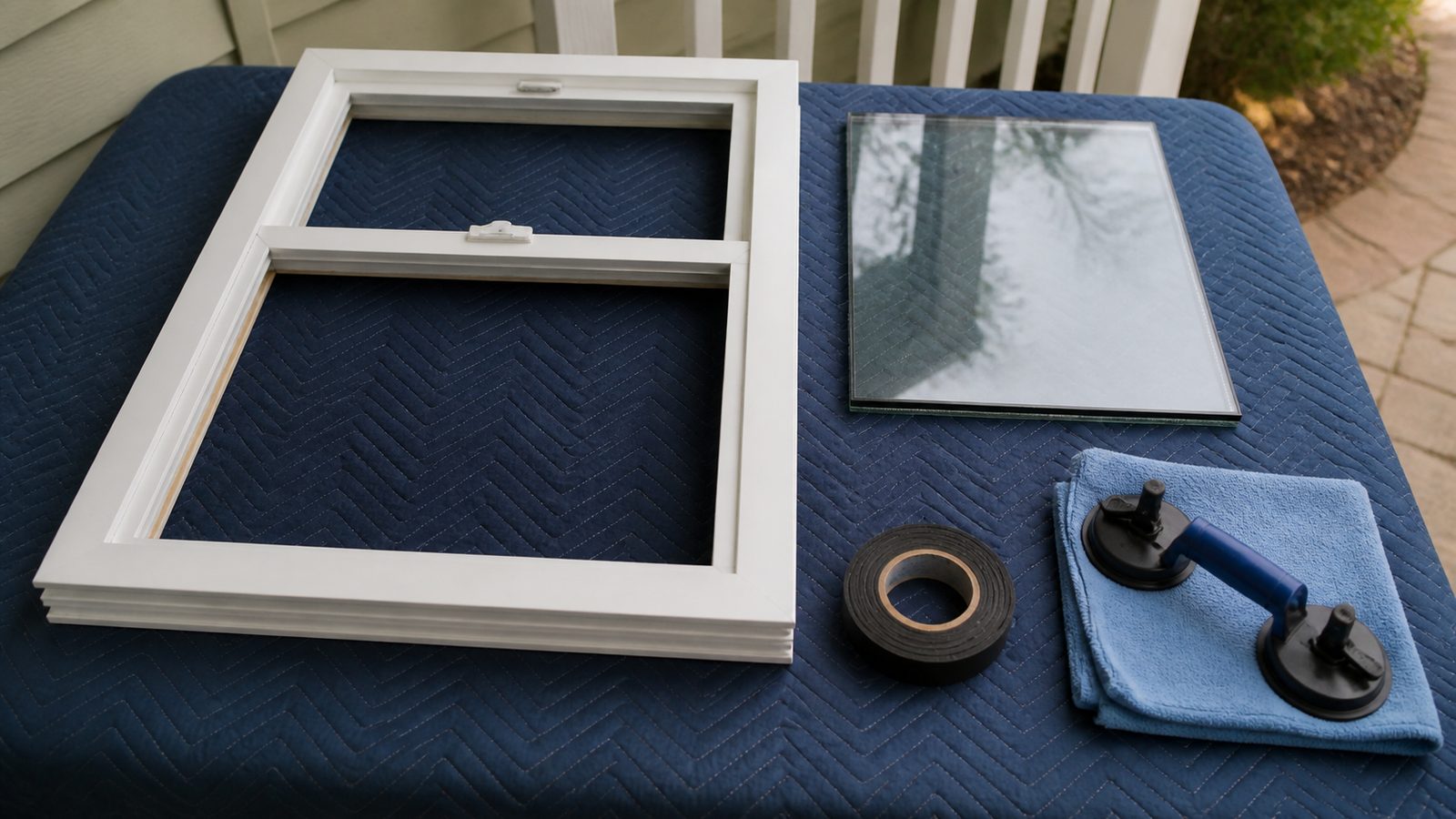
For most homeowners, replacing just the glass pane in an existing sash or frame does not require a permit from the City of Jacksonville Building Inspection Division. This counts as routine repair and maintenance, similar to replacing a broken pane in a door, and it doesn't change the size, structure, or rating of the window opening.
That changes once the scope grows. Replacing the entire window unit, frame included, alters a building envelope opening, and that generally does require a permit under the Florida Building Code. This matters more in Jacksonville than in inland Florida because much of Duval County, especially near the St. Johns River and the coast, falls within Florida's wind-borne debris region, where full window replacements typically need to meet impact resistance or opening protection requirements. That's a different job than swapping out a cracked pane.
A permit is also more likely for insurance-covered storm damage repair, an impact-glass upgrade, or a window in a historic district subject to design review. Because thresholds and fees change, confirm your situation with the Building Inspection Division before starting work.
Tools and Materials
- Replacement glass pane, cut to size (or an insulated glass unit if your window is double-pane)
- Safety glasses and work gloves
- Putty knife or 5-in-1 painter's tool
- Heat gun (optional, for stubborn old glazing putty)
- Glazier's points or clips, depending on window type
- Glazing putty or compound (for wood sash windows)
- Rubber or vinyl glazing gasket (for aluminum or vinyl frame windows)
- Caulk gun and exterior-grade silicone caulk
- Wire brush or scraper for cleaning the sash channel
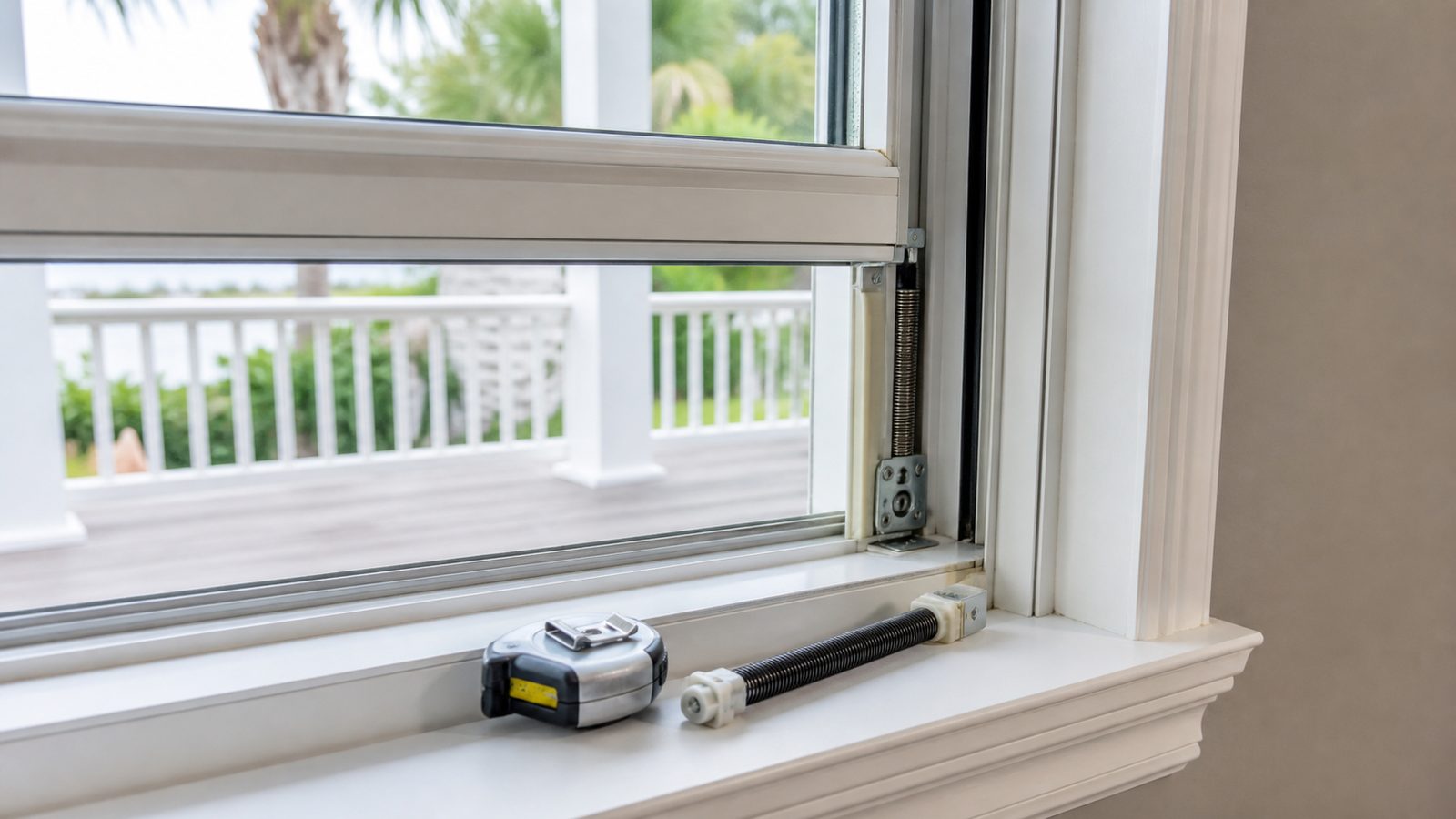
- Measuring tape
- Drop cloth and a shop vac for glass debris
- Painter's tape
Step-by-Step
- Confirm the window type. Identify whether you have a single-pane wood sash, an aluminum or vinyl frame with a rubber gasket, or a double-pane insulated glass unit. This determines whether you'll use glazing putty or a gasket system.
- Remove the broken glass safely. Wearing gloves and safety glasses, tape an X across the pane to hold shards together, then work pieces loose from the outside in. Dispose of glass in a rigid container, not a trash bag.
- Strip out old glazing or gasket material. Use a putty knife, and a heat gun if needed, to clean the sash channel down to bare wood or frame. Remove old glazier's points and any embedded shards.
- Take precise measurements. Measure the opening in two directions at multiple points, since older Jacksonville homes often have slightly out-of-square openings from decades of humidity-driven wood movement. Order or cut glass with proper clearance.
- Set the new pane. Bed the glass in a thin layer of glazing compound and secure it with glazier's points on wood sash windows, or seat it into the rubber gasket on aluminum or vinyl frames.
- Glaze and seal. Apply glazing putty over the points on wood windows, feathering it to a clean bevel. On aluminum or vinyl frames, run a bead of exterior-grade silicone where the gasket meets the frame.
- Cure and paint. Let glazing putty cure per the manufacturer's timeline, typically one to two weeks, before painting to match the sash and protect it from moisture.
- Test the seal. Check for drafts or water intrusion during the next rain, and confirm the sash still opens, closes, and locks properly.
Jacksonville Climate Considerations
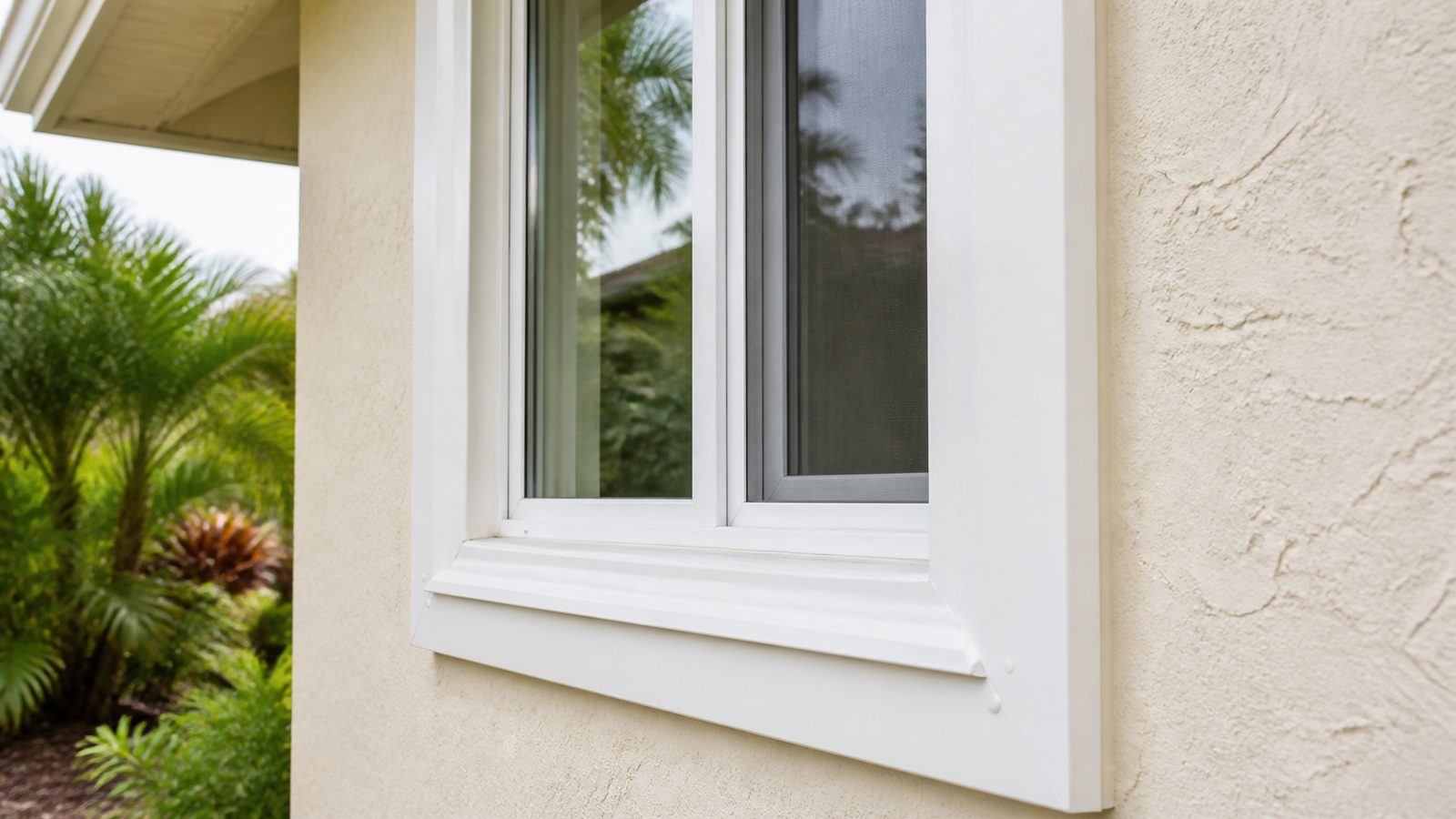
Jacksonville's humidity, salt-laden coastal air, and intense sun affect both the process and the materials you choose. Glazing putty cures slower in our humidity, so give it extra time before painting and avoid glazing on a rainy day. If your home is near the Intracoastal, the St. Johns River's mouth, or the beaches, salt air accelerates corrosion on aluminum hardware and glazier's points, so stainless points and marine-grade sealants are worth the small upcharge.
Wind load matters too. Even though a single-pane repair usually isn't a permit trigger, homeowners in wind-borne debris areas should still consider laminated or impact-rated glass as an upgrade when a pane needs replacing anyway, especially on windows without shutter protection. And intense UV exposure breaks down standard caulk and glazing compound faster here than in milder climates, so UV-stable, exterior-rated sealants extend the life of the repair.
What It Costs in Jacksonville (DIY vs. Hiring a Pro)
| Scope | DIY Cost Estimate | Professional Cost Estimate |
|---|---|---|
| Single-pane glass replacement, standard window | $30 to $90 in materials | $150 to $350 installed |
| Double-pane insulated glass unit replacement | $80 to $200 in materials | $250 to $550 installed |
| Impact-rated or specialty glass upgrade | $150 to $400 in materials | $400 to $900+ installed |
These are general market ranges for the Jacksonville area and will vary based on window size, glass type, accessibility, and whether the sash or frame also needs repair. Get a written estimate before committing, and ask whether the quote includes cleanup and disposal of the old glass.
When to Call JK Prestige
If the frame or sash is damaged or out of square, you're dealing with multiple windows after a storm, or you're weighing an impact-glass upgrade instead of a simple pane swap, it's worth bringing in a contractor who can evaluate the whole opening. JK Prestige handles both single-pane repairs and larger window replacement projects across Jacksonville, and can advise on when a permit is actually required. Reach out before you start cutting glass.
No call center. No coordinator. A JK principal reviews every inquiry and replies with a real number, not a range, not a follow-up form.
Request Free Estimate →