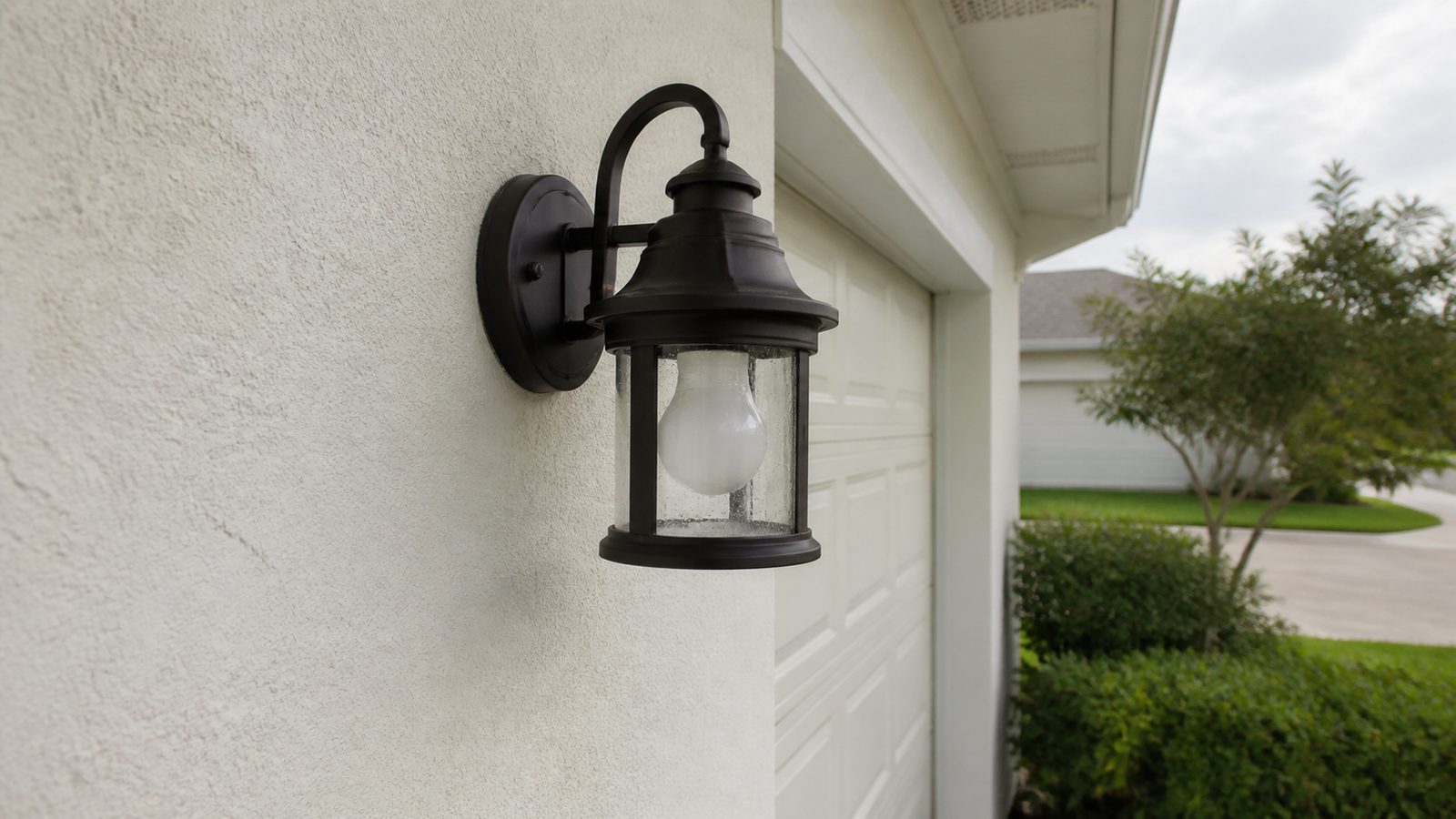
Swapping out a tired coach light or wall lantern is one of the more approachable exterior upgrades a Jacksonville homeowner can take on. It can freshen up a front porch or driveway entry in an afternoon, and in most cases it does not require a contractor. But because you are working with live household wiring in a humid, salt-exposed climate, it pays to know exactly what Duval County expects, what can go wrong, and when the job is better handed to a licensed pro. Here is what to know before you pull out the ladder.
When You Need a Permit in Jacksonville
For most homeowners, a straight swap of one exterior light fixture for another, using the existing electrical box, existing wiring, and the same circuit, is considered like-for-like replacement and generally does not require a permit from the City of Jacksonville building department. This is the same logic that applies to swapping a ceiling fan or replacing a light switch.
Where a permit and a licensed electrician become necessary is when the work goes beyond a direct swap. That includes running new wiring, adding a new electrical box, relocating the fixture to a different spot on the wall, upgrading the circuit, or doing any work that changes the load on the circuit. If your existing box is damaged, ungrounded, or not rated for exterior use, that repair should also go through a licensed electrician rather than a DIY fix, since it touches the safety of the whole circuit.
All electrical work in Jacksonville, whether permitted or not, still needs to meet National Electrical Code (NEC) requirements as adopted under the Florida Building Code. That means using a fixture rated for outdoor/wet locations, keeping connections properly sealed, and making sure the circuit is grounded. If you are ever unsure whether your specific situation crosses the line into permit territory, a quick call to the Duval County building department or a licensed Jacksonville electrician can save you a headache later, especially if you plan to sell the home and a home inspector flags the work.
Whatever the scope, the first and non-negotiable step is turning off the breaker that feeds the fixture, not just the wall switch, before you touch any wiring.
Tools and Materials
- Non-contact voltage tester
- Phillips and flathead screwdrivers
- Wire strippers
- Wire nuts (rated for outdoor use)
- New wet-rated exterior light fixture with mounting bracket
- Weatherproof rubber gasket (usually included with the new fixture)
- Outdoor-rated silicone caulk
- Ladder
- Work gloves and safety glasses
- Flashlight or headlamp
Step-by-Step
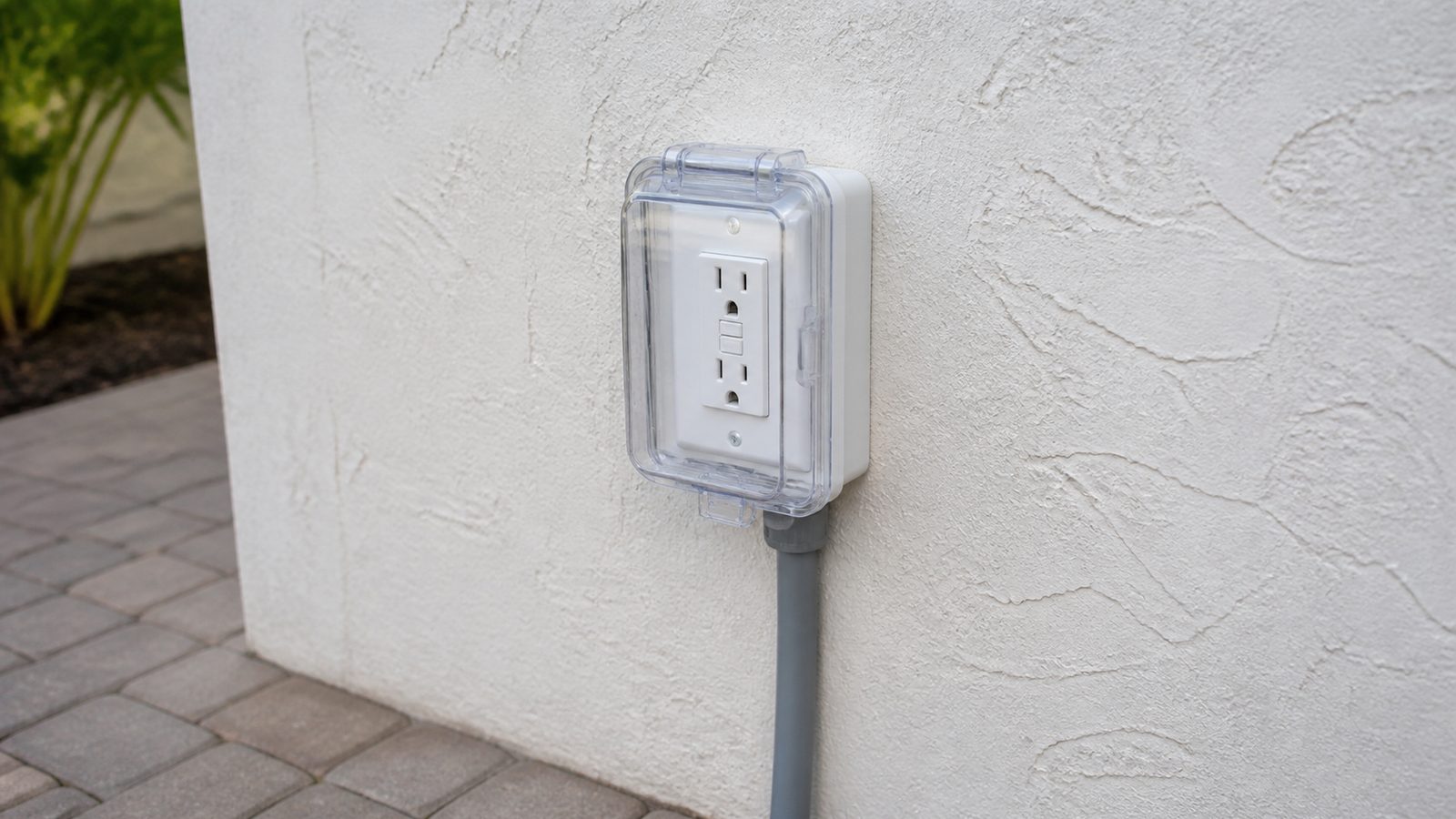
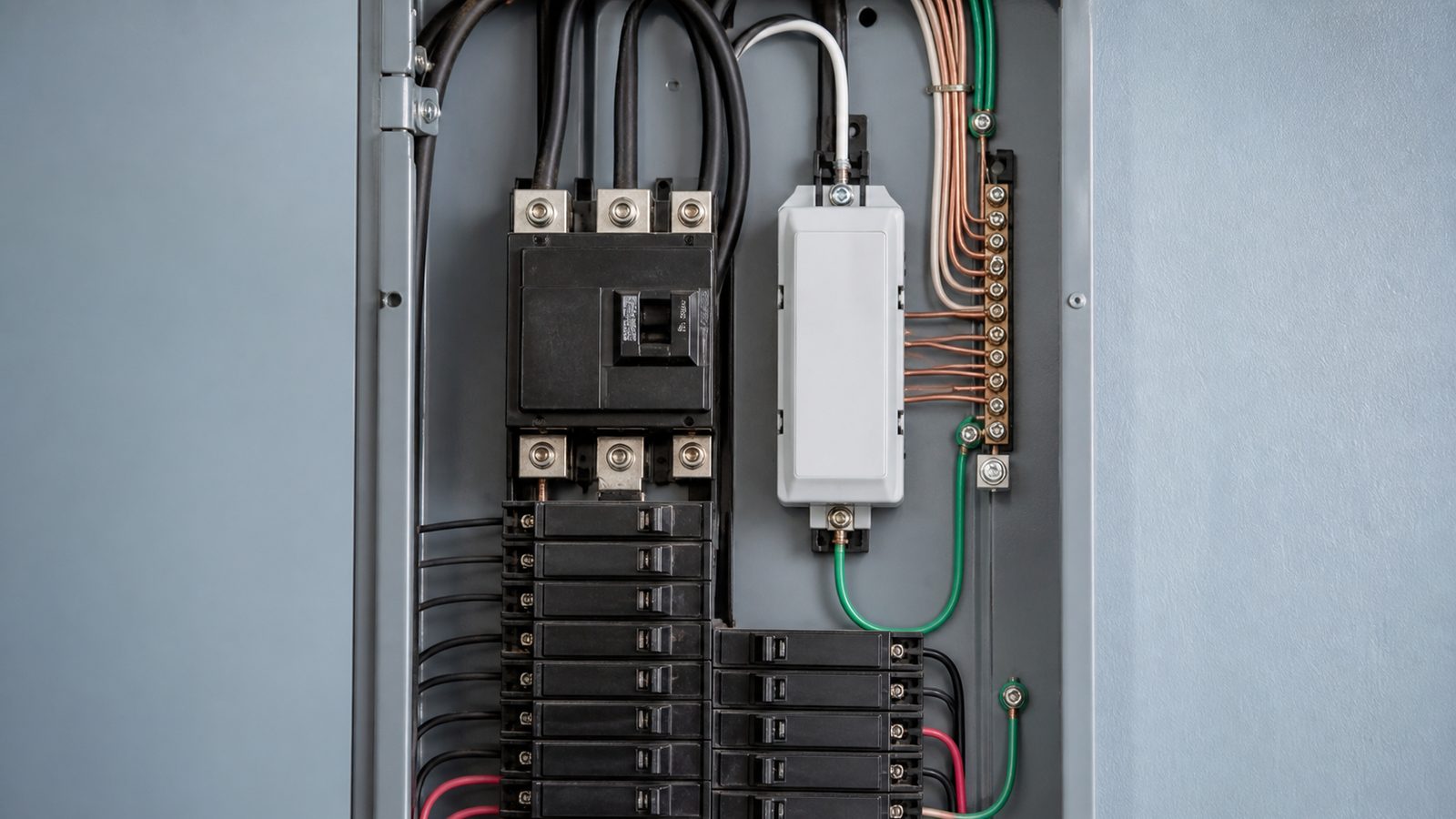
- Kill the power at the breaker. Locate the correct breaker in your panel and switch it off. Do not rely on the wall switch alone.
- Verify the circuit is dead. Use a non-contact voltage tester at the fixture and at the exposed wires before touching anything. Test the tester on a known live circuit first to confirm it is working.
- Remove the old fixture. Unscrew the mounting screws holding the fixture to the electrical box, then gently pull the fixture away from the wall.
- Disconnect the wiring. Untwist the wire nuts connecting the fixture wires to the house wiring: black to black (hot), white to white (neutral), and bare or green to bare or green (ground). Note how they were connected before removing them.
- Inspect the electrical box. Check for corrosion, moisture damage, or a missing ground wire. If anything looks compromised, stop and call a licensed electrician rather than proceeding.
- Attach the new mounting bracket. Most exterior fixtures come with a bracket that screws directly into the existing electrical box.
- Connect the wires. Match black to black, white to white, and ground to ground, twisting on new wire nuts and wrapping them with electrical tape for extra security.
- Tuck wires into the box and mount the fixture. Gently fold the connected wires back into the box, seat the rubber gasket, and screw the fixture onto the bracket.
- Seal the perimeter. Run a thin bead of outdoor-rated silicone caulk around the top and sides of the fixture base where it meets the siding or brick, leaving the bottom edge open so any trapped moisture can drain out.
- Restore power and test. Turn the breaker back on and test the fixture with the wall switch.
Jacksonville Climate Considerations
Jacksonville's coastal location, especially for homes near the Intracoastal, the beaches, or the St. Johns River, means exterior fixtures face more corrosion pressure than the same fixture would inland. Salt-laden air accelerates rust on cheap fixture screws, mounting brackets, and internal wiring connections over just a few years. Choosing a fixture with marine-grade or coastal-rated hardware, stainless steel or powder-coated aluminum rather than bare steel, will hold up far longer.
Wind-driven rain is the other local factor. Jacksonville's summer thunderstorms and tropical systems can push rain sideways into wall-mounted fixtures that are not properly sealed, leading to corroded connections or a tripped GFCI or breaker down the road. This is why the fixture itself should be UL-listed for wet locations (not just damp locations), the gasket needs to seat correctly, and the caulk bead at the top of the fixture matters as much as the wiring itself.
What It Costs in Jacksonville (DIY vs. Hiring a Pro)
| Approach | Typical Cost | Notes |
|---|---|---|
| DIY, budget fixture | $30 to $80 | Fixture only, basic aluminum or plastic |
| DIY, quality coastal-rated fixture | $80 to $200 | Better hardware, longer lifespan near salt air |
| Licensed electrician, like-for-like swap | $150 to $350 | Labor plus fixture, no new wiring |
| Licensed electrician, new wiring or box | $350 to $800+ | Includes permit, new circuit work, or box replacement |
Actual pricing varies by electrician, fixture brand, and the condition of your existing wiring, so treat these as general ranges rather than quotes.
When to Call JK Prestige
If the electrical box is damaged, you find signs of past water intrusion, or the job involves adding a new fixture where none existed before, that is the point to bring in a licensed professional rather than push through it yourself. JK Prestige Construction handles exterior electrical and remodeling work across Jacksonville and can evaluate the wiring, pull any required permits, and make sure the fixture is properly sealed against our coastal weather. Reach out if you would rather have it done right the first time.
No call center. No coordinator. A JK principal reviews every inquiry and replies with a real number, not a range, not a follow-up form.
Request Free Estimate →