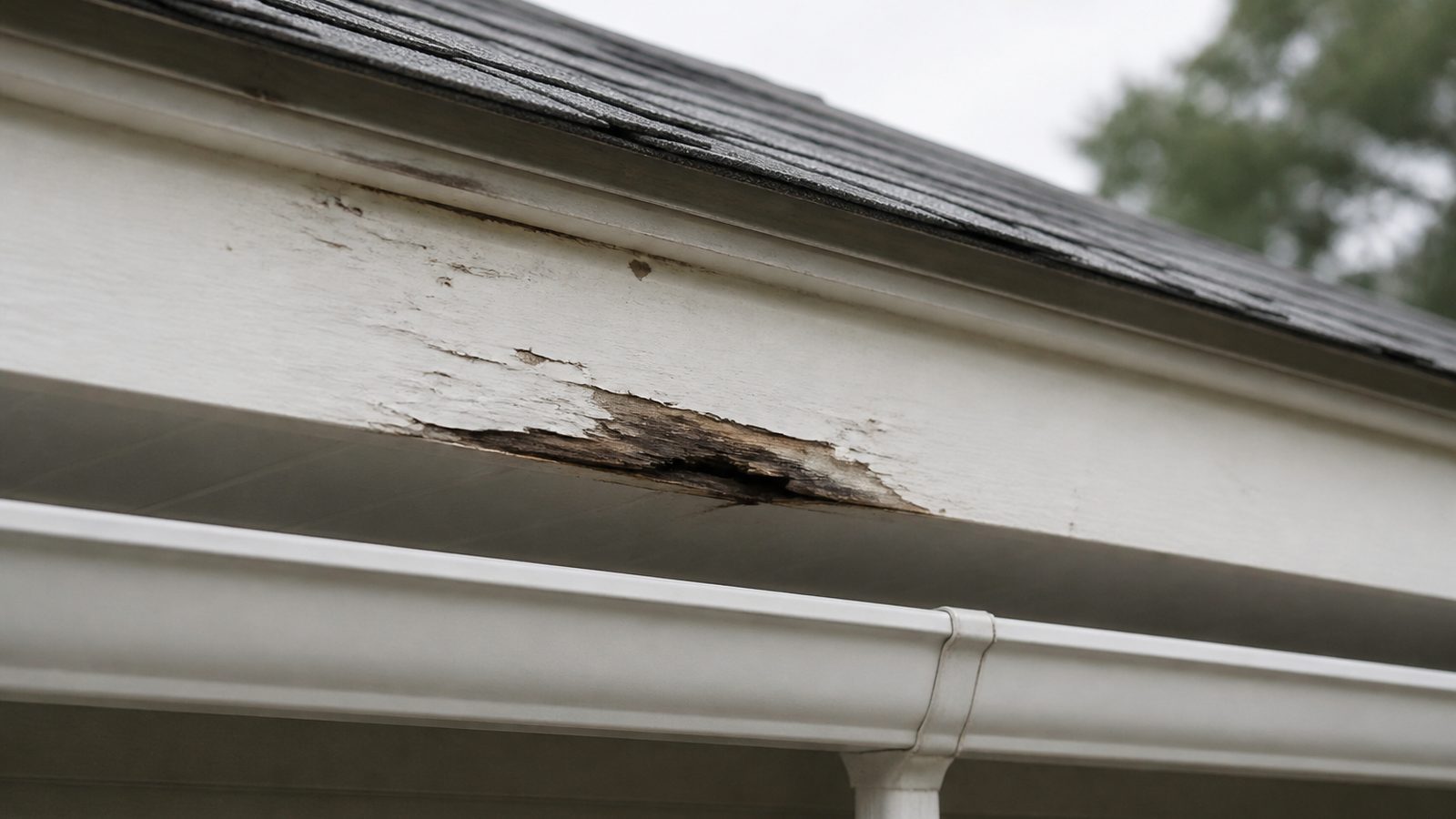
Jacksonville's humidity, heavy summer rain, and the occasional hurricane make fascia boards one of the most frequently replaced exterior components on local homes. The fascia is the horizontal board that runs along the roofline, capping the rafter tails and supporting your gutters. When it rots — and in Duval County, it will — the problem moves fast. Water wicks into the rafter tails, mold follows, and what started as a $300 board becomes a $3,000 structural repair. Here is what you need to know before you start.
When You Need a Permit in Jacksonville
In most cases, replacing a fascia board in Jacksonville does not require a building permit, provided the work is purely cosmetic — swapping out a deteriorated board with no changes to the roofline structure or rafter tails.
The Florida Building Code and the City of Jacksonville's Building Inspection Division draw the line at structural repairs. If rafter tails are rotted and you are sistering, cutting back, or reinforcing them, that is structural work and a permit is required. If fascia replacement is part of a larger re-roofing project, the roofing permit governs the whole scope.
Rule of thumb: if you are touching wood beyond the fascia board itself, have a licensed contractor assess the scope. Unpermitted structural work can complicate insurance claims and property sales in Florida. When in doubt, call the Jacksonville Building Inspection Division at (904) 255-8500 before starting.
Tools and Materials
- Flat pry bar and hammer
- Drill or screw gun
- Circular saw or miter saw
- Tape measure and chalk line
- Safety glasses and work gloves
- Ladder rated for your roofline height
- Replacement fascia board (PVC or primed wood — see climate notes below)
- Exterior-grade screws (stainless steel, 2.5 to 3 inch)
- Waterproof exterior primer
- Exterior paint matched to existing trim
- Caulk rated for exterior wood and PVC
- Gutter spikes or hangers if gutters must be reattached
Step-by-Step
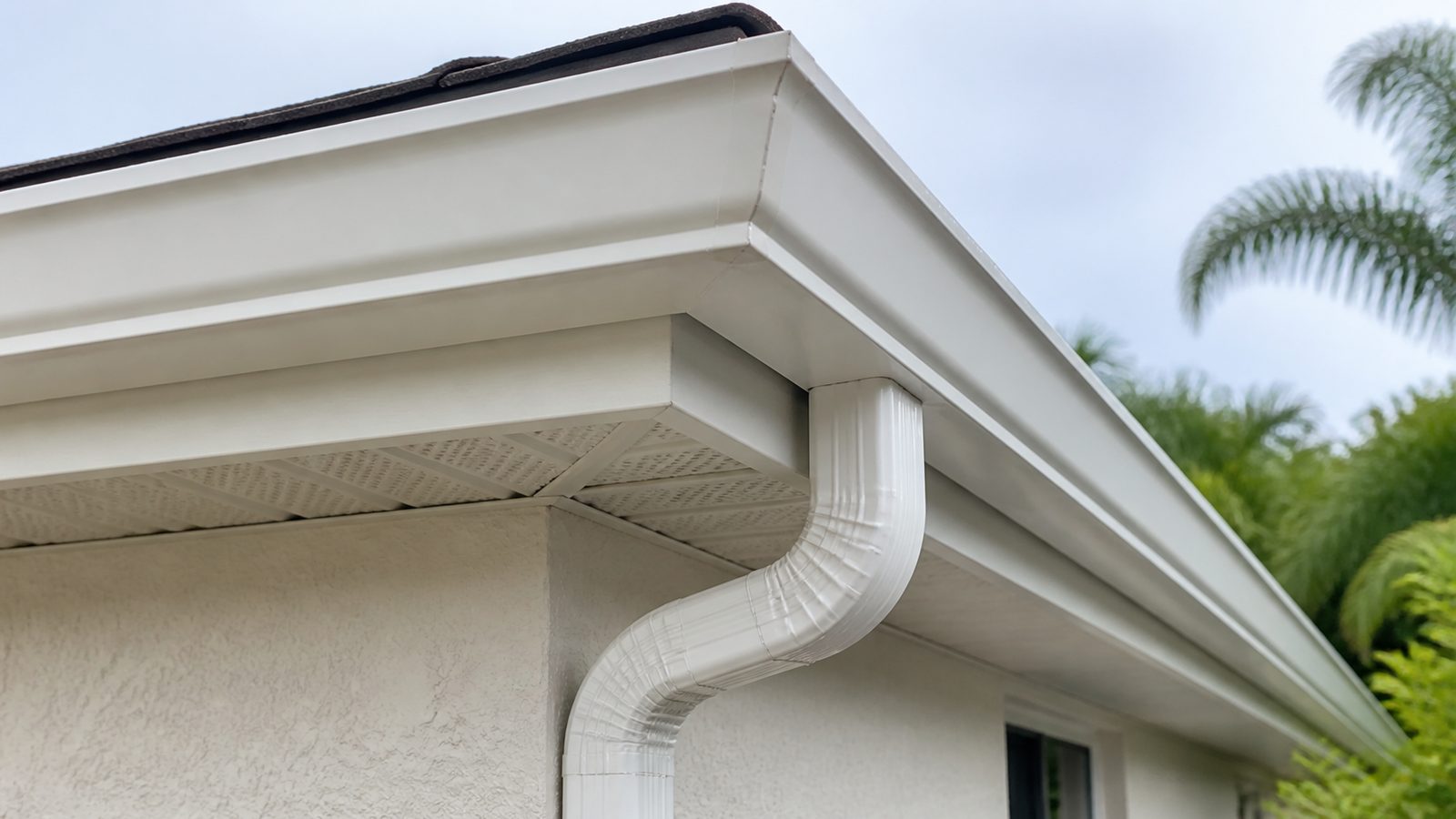
- Remove the gutters. Unscrew the gutter hangers or spikes from the fascia, working from a stable ladder. Set the gutters aside without bending them — you will reinstall them if they are in good shape.
- Pry off the existing fascia. Work the flat pry bar behind the board and pull steadily. Most Jacksonville homes use nails on original fascia. Go slowly to avoid breaking the board into pieces that pull fasteners through the rafter tails at odd angles.
- Inspect the rafter tails. This is the most important step. Press a screwdriver or awl firmly against every rafter tail you can reach. Sound wood resists; rotted wood gives. Soft or crumbling ends are a structural concern that requires more than a board swap. Do not skip this.
- Remove residual nails or fasteners from the rafter tails and clean the surfaces where the new board will seat.
- Cut the new fascia to length. Stagger any joints so they land over a rafter tail and can be fastened solidly. Cut ends at a 45-degree scarf joint rather than square — this sheds water better.
- Prime every cut end immediately. End-grain absorbs moisture faster than face grain. Coat every saw cut with waterproof exterior primer before the board goes up. Do not skip this in a humid coastal climate.
- Fasten the board to the rafter tails with stainless-steel exterior screws, two per rafter tail, countersunk slightly. Screws hold significantly better than nails through Florida's wet and dry cycles.
- Caulk all joints and seams with a paintable exterior caulk before priming.
- Prime and paint. Apply at least two coats of exterior paint. A mildew-resistant additive is worth the small cost in Jacksonville.
- Reinstall the gutters with new screws rather than reusing old spikes. Verify the gutter pitch — improper slope is a leading cause of fascia rot.
Jacksonville Climate Considerations
Jacksonville sits in USDA hardiness zone 9a, with average annual relative humidity well above 70 percent. That is hard on wood in ways that are not always obvious until the damage is severe.
Wood rot in Jacksonville is caused by fungal decay organisms that thrive in heat, moisture, and organic debris. Fascia boards are especially vulnerable because gutters trap debris and hold moisture against the wood after rain.
Wood-destroying organisms (WDOs) — including subterranean termites, which are highly active throughout Duval County — will follow rot into softened wood. If you find rotted fascia, have a licensed pest control operator inspect before closing the repair. Florida statute requires a WDO inspection report for most real estate transactions; doing it proactively protects your repair investment.
Salt air is a factor within a few miles of the Intracoastal, the St. Johns River, or the beaches. Salt accelerates metal corrosion and paint failure. In those zones, stainless-steel fasteners are essential, not optional.
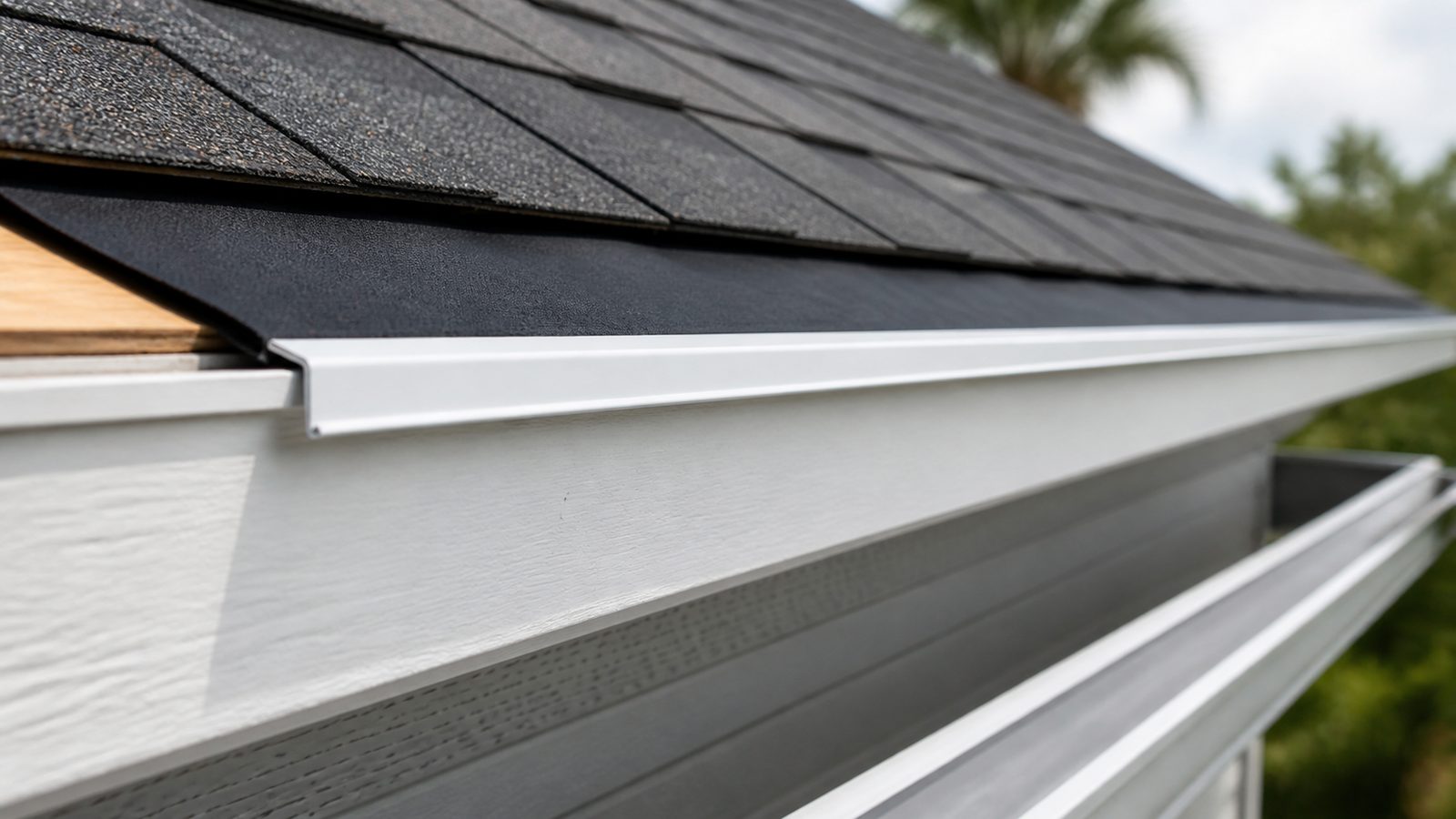
Gutter overflow is the most common cause of fascia rot in Jacksonville. Gutters clogged with oak leaves, pine straw, and Spanish moss overflow during summer storms, directing water behind the fascia rather than away from it. Clean your gutters and inspect the downspout outlets before assuming a new board alone solves the problem.
PVC fascia trim is the better long-term material choice here. It does not rot, does not absorb moisture, and holds paint well when properly primed. The upfront cost is slightly higher than pine, but the longevity in Jacksonville's conditions makes it worth it.
What It Costs in Jacksonville (DIY vs. Hiring a Pro)
| Scope | DIY Cost | Pro Cost |
|---|---|---|
| Single 8-ft fascia board (materials only) | $15–$45 | — |
| Single board, labor + materials (pro) | — | $150–$350 |
| Full fascia replacement, single story (100–150 LF) | $200–$500 materials | $1,200–$2,800 |
| Add rafter tail sistering (structural) | $50–$150 materials | $800–$2,500+ |
| Gutter reinstallation (if needed) | $50–$100 materials | $300–$700 |
Costs vary by material, access difficulty, and whether structural rafter tail repairs are needed. These are general Jacksonville-area ranges, not project guarantees.
When to Call JK Prestige
If your inspection reveals soft or crumbling rafter tails, stop. Rafter tail rot is a structural issue that requires cutting back damaged wood, sistering sound lumber, and meeting Florida Building Code — work that carries permit and inspection requirements. JK Prestige Construction Corp is a principal-led general contractor based in Jacksonville. We assess the full scope before any work begins, pull permits when required, and stand behind the work with our license on the line. Call us before a cosmetic repair becomes a larger problem.
No call center. No coordinator. A JK principal reviews every inquiry and replies with a real number, not a range, not a follow-up form.
Request Free Estimate →