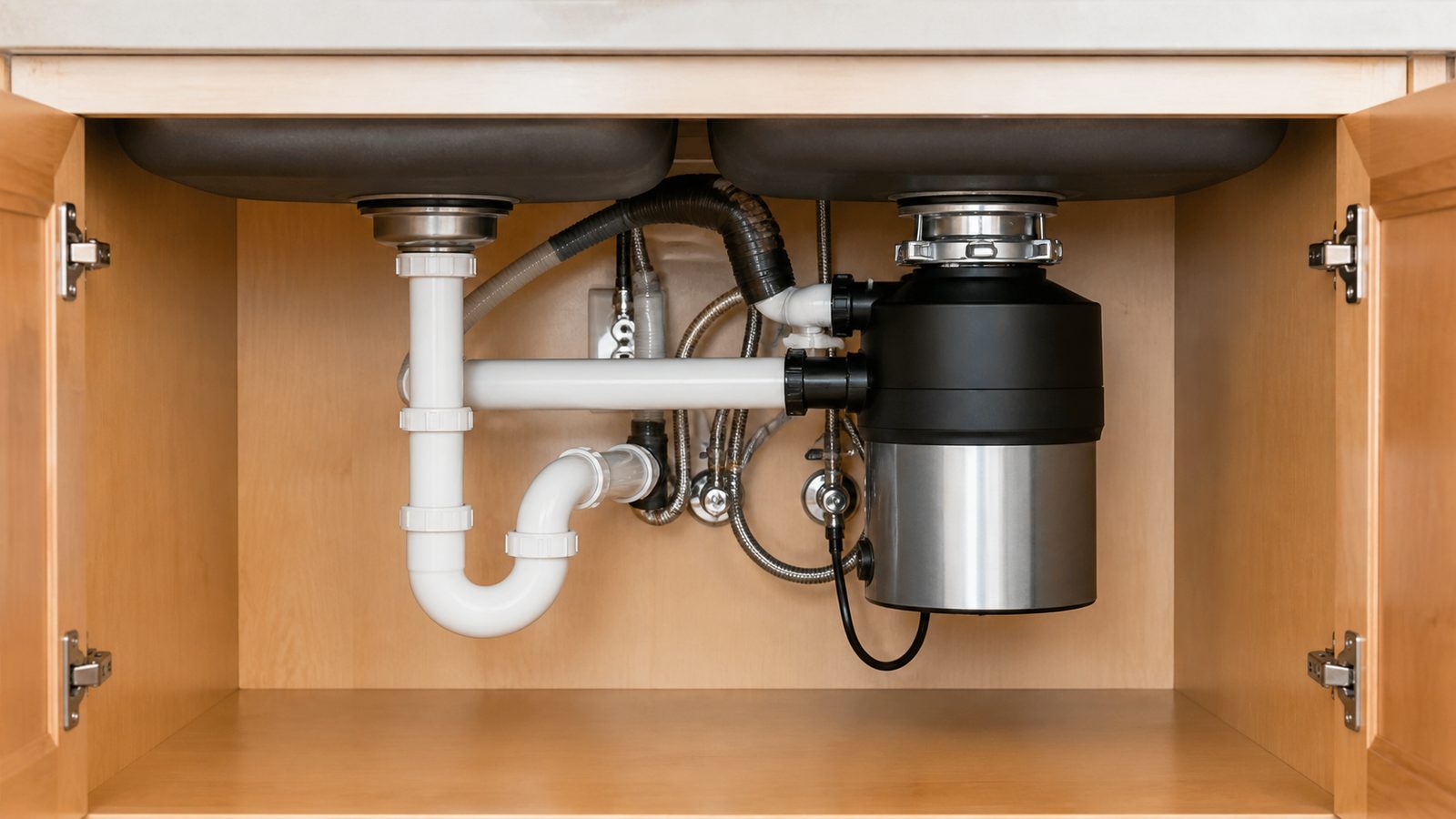
A garbage disposal that hums but won't spin, leaks from the bottom, or has simply worn out after eight to twelve years of service is one of the more approachable DIY jobs in a Jacksonville kitchen. Most units mount the same way regardless of brand, and if your old disposal is wired the same way your new one will be, you can usually finish the swap in an afternoon. Before you start, it helps to know what Duval County expects in terms of permits, what our humidity does to the connections under your sink, and what a fair price looks like if you decide to hire it out instead.
When You Need a Permit in Jacksonville
For most homeowners, a straight like-for-like disposal replacement in the City of Jacksonville does not require a permit. If you're removing an old disposal and installing a new one at the same sink, using the same drain configuration and the same power source (whether that's an existing dedicated outlet under the sink or an existing hardwired connection to a wall switch), you're generally doing a fixture swap, not new construction, and it falls outside permitted work.
Where it changes is the electrical side. If your current disposal is hardwired with no outlet, or your existing outlet isn't GFCI-protected, or you need to run a new circuit or add an outlet to accommodate the new unit, that is electrical work and Duval County's building code requires a permit and a licensed electrician for it. The same is true if you're relocating the disposal to a different cabinet or changing the drain layout in a way that touches the home's plumbing beyond the trap and disposal connection itself.
If you're not sure which category your job falls into, the City of Jacksonville's Building Inspection Division can tell you over the phone in a few minutes whether your specific scope needs a permit. It's a quick call that can save you a stop-work order or an issue at resale if an inspector later flags unpermitted electrical work.
Tools and Materials
- New garbage disposal (match horsepower to your old unit unless you're intentionally upgrading)
- Disposal wrench (usually included) or a large flathead screwdriver
- Adjustable pliers or channel-lock pliers
- Plumber's putty or the foam gasket that comes with the new unit
- Bucket and towels for drain water runoff
- Voltage tester
- Wire nuts (if hardwiring)
- Silicone sealant (optional, for extra insurance around the sink flange)
- Safety glasses
Step-by-Step
- Cut power at the breaker. Find the breaker that controls the disposal circuit and switch it off. Test with a voltage tester at the wall switch or outlet to confirm power is dead before touching any wiring.
- Clear the cabinet and place a bucket under the trap. Water in the trap and disposal body will drain out once you disconnect it.
- Disconnect the dishwasher hose if one is attached to the disposal's dishwasher inlet, using pliers to loosen the hose clamp.
- Disconnect the drain trap from the bottom of the disposal by loosening the slip nut with channel-lock pliers.
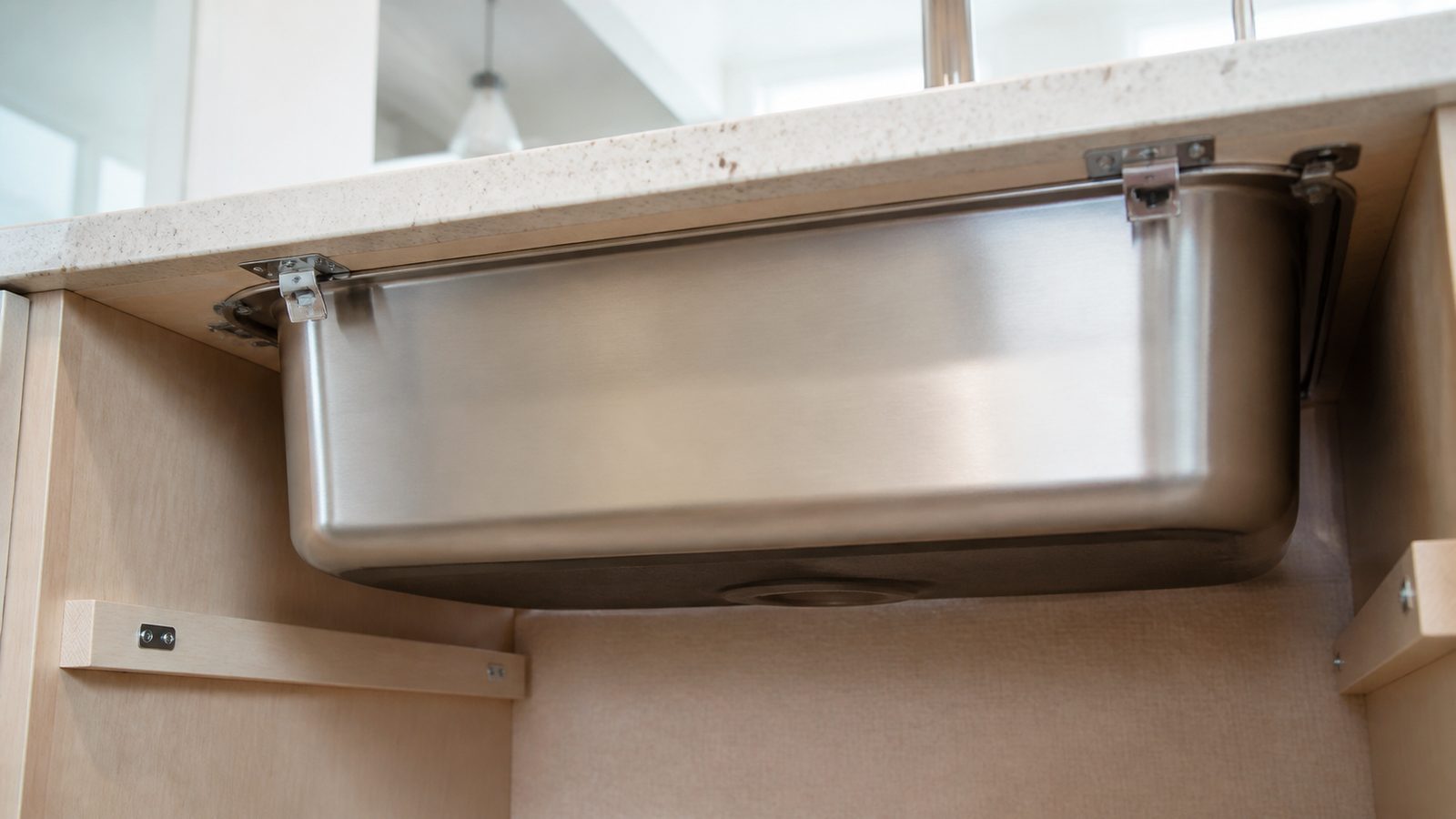
- Remove the old disposal from the mounting ring. Most units twist counterclockwise off the sink flange assembly using the disposal wrench or a screwdriver against the mounting lugs.
- Disconnect the wiring inside the bottom access plate of the old unit, noting which wire went where, or unplug it if it's cord-and-plug connected.
- Remove the old sink flange from above the sink and clean off the old putty or gasket material completely.
- Set the new sink flange using fresh plumber's putty or the manufacturer's gasket, and secure the mounting ring from underneath.
- Wire the new unit by matching black to black, white to white, and ground to ground, then secure the bottom access plate.
- Mount the new disposal onto the mounting ring and twist to lock it into place.
- Reconnect the dishwasher hose and drain trap, making sure all slip nuts are snug but not overtightened.
- Restore power at the breaker and run water while testing the disposal, checking every connection underneath for leaks or drips over the first ten minutes.
Jacksonville Climate Considerations
Northeast Florida's humidity works against anything metal or electrical living inside a sealed cabinet. Under-sink cabinets in Jacksonville homes, especially those without a lot of airflow, tend to hold moisture, which accelerates corrosion on mounting rings, hose clamps, and electrical connections faster than you'd see in a drier climate. When you're in there anyway, it's worth wiping down the cabinet floor, checking for any past water staining that points to a slow leak, and leaving the cabinet door cracked for a day after the install so everything dries fully before you close it back up.
If your home is on well water or septic, which is common in outer Duval neighborhoods like parts of Mandarin, Fort Caroline, and areas near the Nassau County line, be mindful of how much you run through the disposal. Septic systems handle food waste less efficiently than the city sewer system, and heavy disposal use can shorten the interval between septic pump-outs. Homes on city sewer service in the urban core and most suburban subdivisions don't have that concern.
What It Costs in Jacksonville (DIY vs. Hiring a Pro)
| Approach | Typical Cost | Notes |
|---|---|---|
| DIY, unit only | $90 to $250 | Basic 1/3 to 1/2 HP unit, no new electrical needed |
| DIY, unit only (upgraded) | $200 to $400 | 3/4 to 1 HP unit with better sound insulation |
| Licensed plumber, like-for-like swap | $200 to $450 | Labor plus unit, no permit typically required |
| Licensed plumber or electrician, new circuit/outlet needed | $450 to $900+ | Includes permit fee and electrical labor |
Prices vary by contractor and by which brand and horsepower you choose, but these ranges reflect what's typical across the Jacksonville metro area for a standard residential kitchen sink.
When to Call JK Prestige
If your disposal replacement turns out to need new wiring, a relocated drain line, or you're renovating the whole kitchen and want the disposal swap handled alongside cabinetry, countertop, or plumbing changes, that's where it makes sense to bring in a licensed general contractor rather than a single-trade DIY job. JK Prestige coordinates the plumbing, electrical, and permitting pieces together so nothing gets missed and the work is documented correctly for Duval County.
No call center. No coordinator. A JK principal reviews every inquiry and replies with a real number, not a range, not a follow-up form.
Request Free Estimate →