If your air handler has ever shut itself off on the hottest day of July for no obvious reason, or you've found a wet stain spreading across a ceiling in Mandarin or Arlington, there's a good chance the culprit is a clogged condensate drain line. It's the single most common AC service call we see in Jacksonville between May and October, and it's also one of the few HVAC problems a reasonably handy homeowner can diagnose and often fix without calling a technician. Here's how the system works, how to clear it yourself, and where the line gets crossed into licensed HVAC territory.
When You Need a Permit in Jacksonville
Clearing a clog or swapping a short run of PVC drain pipe in the same location is routine maintenance and does not typically require a permit from the City of Jacksonville's Building Inspection Division. Where permitting comes into play is if you're relocating the drain line, adding or replacing a secondary drain pan, or doing anything that touches the air handler itself, refrigerant lines, or electrical connections for a new float switch as part of a larger repair. Any of that falls under the Florida Building Code and Florida Mechanical Code, and depending on scope may require a licensed contractor to pull the permit. Duval County inspectors have seen plenty of DIY drain work go sideways, usually from improper slope or a trap installed backwards, so if your project goes beyond a simple clear-and-reconnect, call the Building Inspection Division or a licensed HVAC contractor before you start cutting pipe.
Tools and Materials
- Wet/dry shop vac with a hose adapter
- Duct tape or a rubber coupling to seal the vac to the pipe
- PVC primer and cement (if replacing pipe)
- 3/4-inch PVC pipe, couplings, and a cleanout tee with removable cap
- Pipe cutter or hacksaw
- Bucket and towels
- Flashlight
- Replacement float switch (if the old one failed or is missing)
- Distilled white vinegar or a bleach-free condensate line treatment
Step-by-Step
- Turn off the AC at the thermostat. Stopping the system keeps more condensate from backing up while you work and protects the compressor if the clog has already tripped a safety switch.
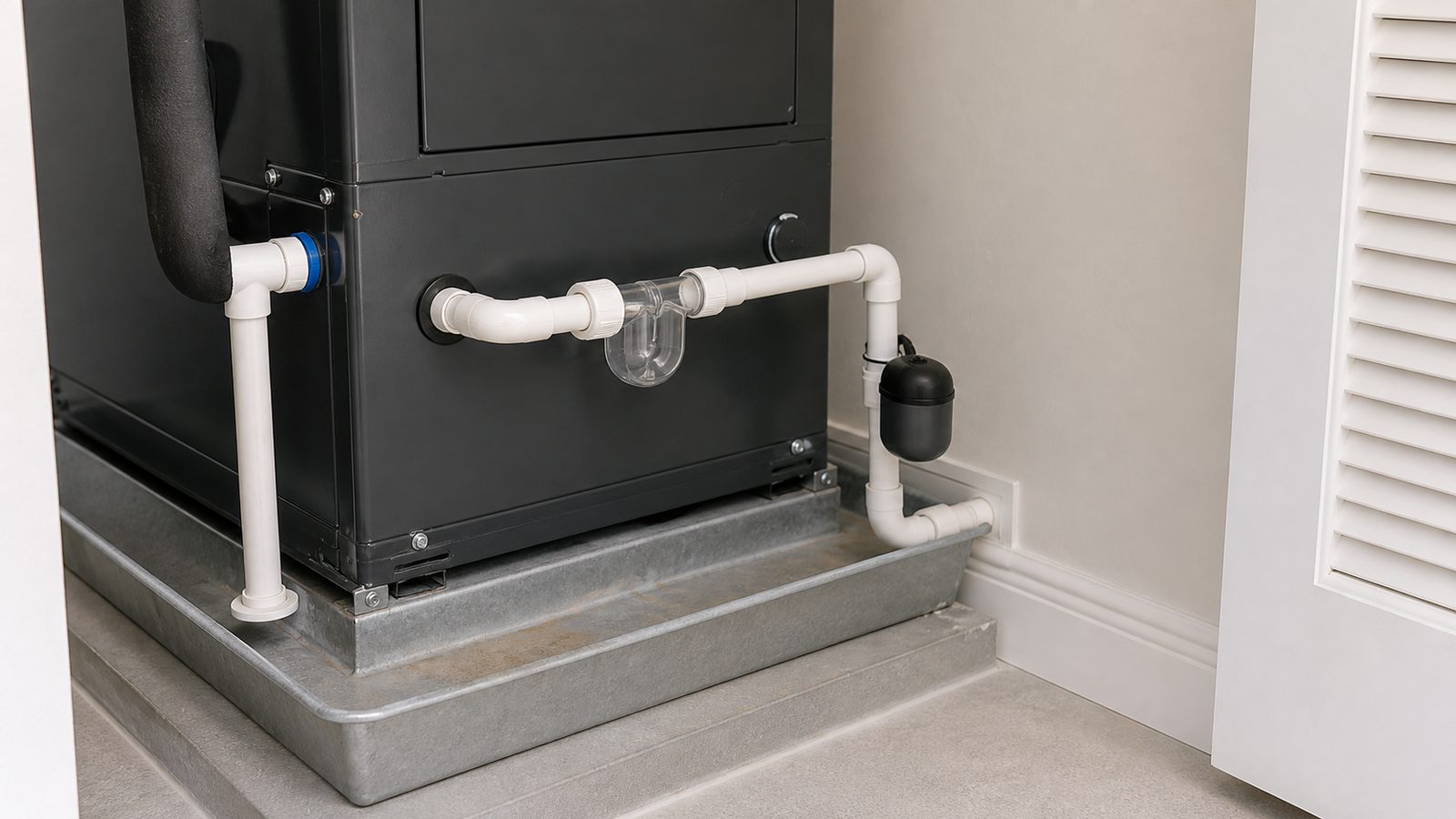
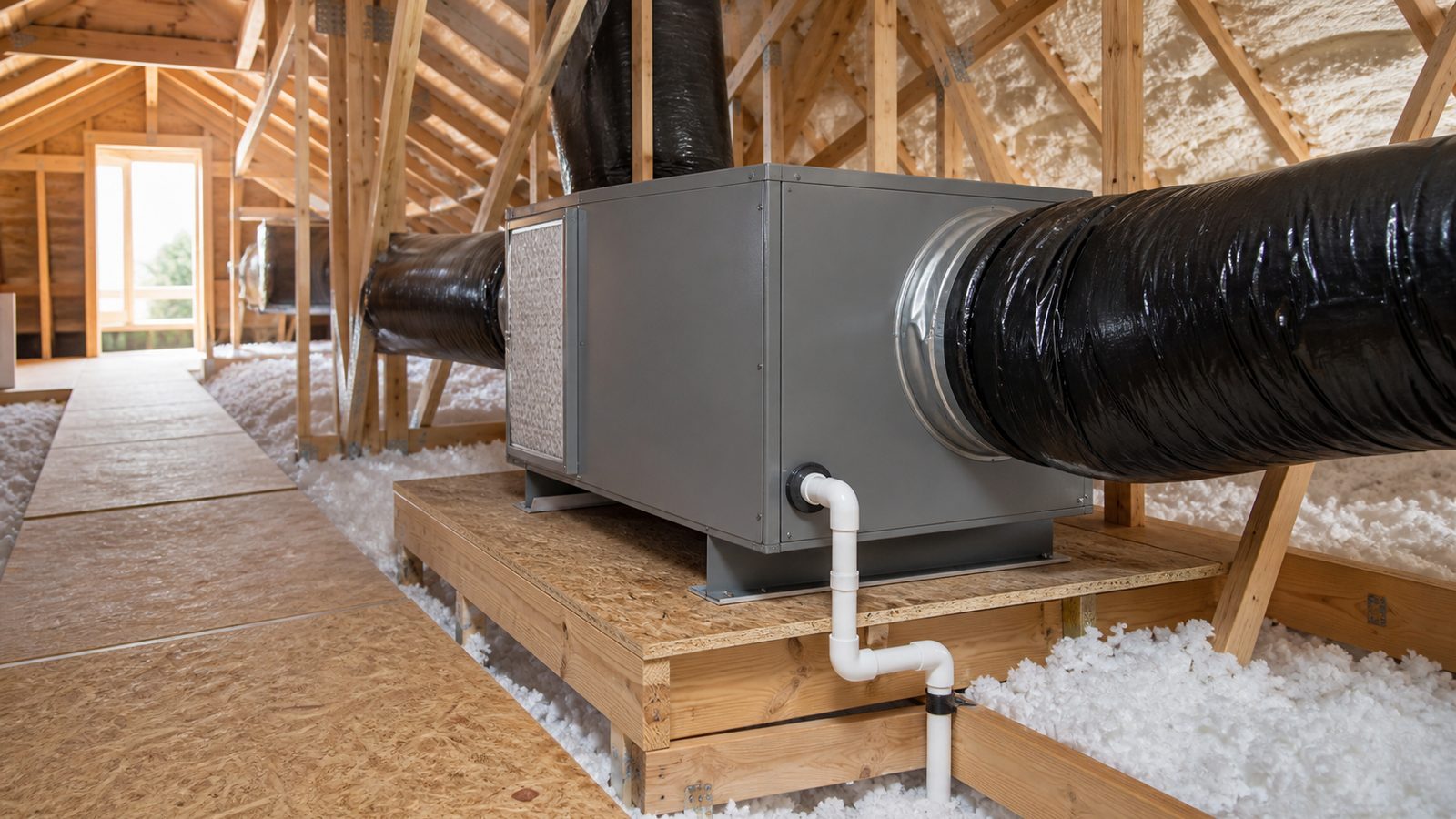
- Find the cleanout tee. On most Jacksonville homes with an attic air handler, the drain line runs from the unit to a PVC tee near the air handler with a removable cap sticking straight up. In slab-on-grade homes with a closet air handler, the cleanout is often just outside the closet or at the point where the line exits toward the exterior wall. If there's no cleanout at all, that's your first upgrade to make.
- Remove the cap and check for standing water. Water sitting right at the cap, or backed up in the drain pan, confirms the clog is between the unit and this point.
- Use the wet/dry vac trick. Seal the vac hose against the cleanout opening with duct tape or a rubber coupling and run it for 60 to 90 seconds. This pulls the clog, usually a mix of algae, dust, and biofilm, out through the tee instead of pushing it further into the line. Check the vac canister for sludge to confirm you got it.
- Flush the line. Pour a cup of distilled white vinegar through the cleanout and let it sit for 15 to 20 minutes before running the system again. Vinegar helps slow algae regrowth without the corrosion risk that straight bleach can cause on some fittings.
- Inspect the exposed PVC for sagging or cracks. If a section has gone soft, discolored, or is sagging out of level from years of attic heat, cut it out and replace it rather than just clearing around it.
- Replace degraded PVC correctly. Dry-fit the new section first, prime and cement both ends, and maintain a minimum slope of about a quarter inch per foot toward the termination point. A flat or backward-pitched run is the number one reason drain lines re-clog within a few months.
- Check the secondary drain pan and float switch. Nearly every attic air handler in Duval County should have a secondary pan under it with its own drain routed to a visible spot, usually a soffit or exterior wall, plus a float switch that shuts the system down if that pan starts filling. If the switch is missing, corroded, or hasn't been tested in years, this is worth adding or replacing, since it's the last line of defense against a ceiling collapse.
- Turn the system back on and watch the line. Confirm water is flowing steadily out the primary drain termination outside and that no water is reaching the secondary pan.
Jacksonville Climate Considerations
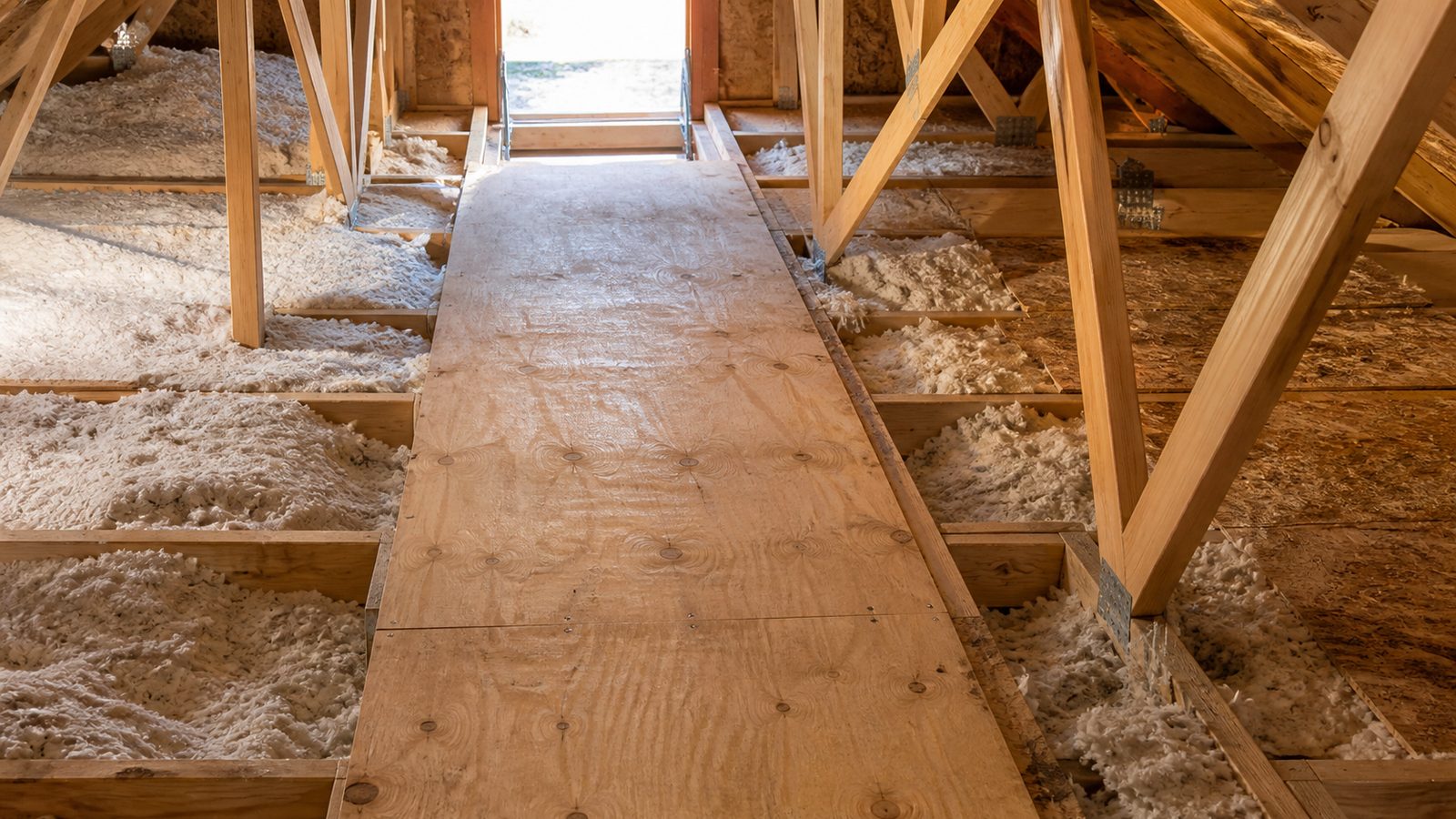
Jacksonville's humidity from May through October keeps the coil running wet for hours at a time, which is exactly the environment algae and biofilm need to build up fast. Homes in Nocatee, Southside, and the Beaches with heavy tree cover tend to see more organic debris pulled into the system too. Because so many Duval County homes route the air handler through the attic rather than a conditioned closet, the drain line also spends its life in a space that can hit 130 to 150 degrees in summer, which accelerates PVC degradation and makes annual inspection worthwhile even if nothing looks obviously wrong.
What It Costs in Jacksonville (DIY vs. Hiring a Pro)
| Task | DIY Cost | Licensed Pro Cost |
|---|---|---|
| Clear a simple clog | $15 to $40 (shop vac rental, vinegar) | $100 to $225 |
| Replace a short PVC run | $30 to $75 in materials | $150 to $350 |
| Add or replace float switch | $20 to $50 | $125 to $250 |
| Full drain line and pan overhaul | Not recommended DIY | $300 to $700+ |
These are general ranges for the Jacksonville market and will vary based on attic access, line length, and whether the system needs additional diagnostic work.
When to Call JK Prestige
If the clog keeps coming back, the drain pan shows signs of a slow leak into the ceiling, or the fix involves working near the air handler's refrigerant lines or electrical connections, that's licensed HVAC and general contractor territory, not a weekend project. We handle these repairs alongside the broader water damage and remediation work that recurring drain line failures often cause in Jacksonville attics.
No call center. No coordinator. A JK principal reviews every inquiry and replies with a real number, not a range, not a follow-up form.
Request Free Estimate →