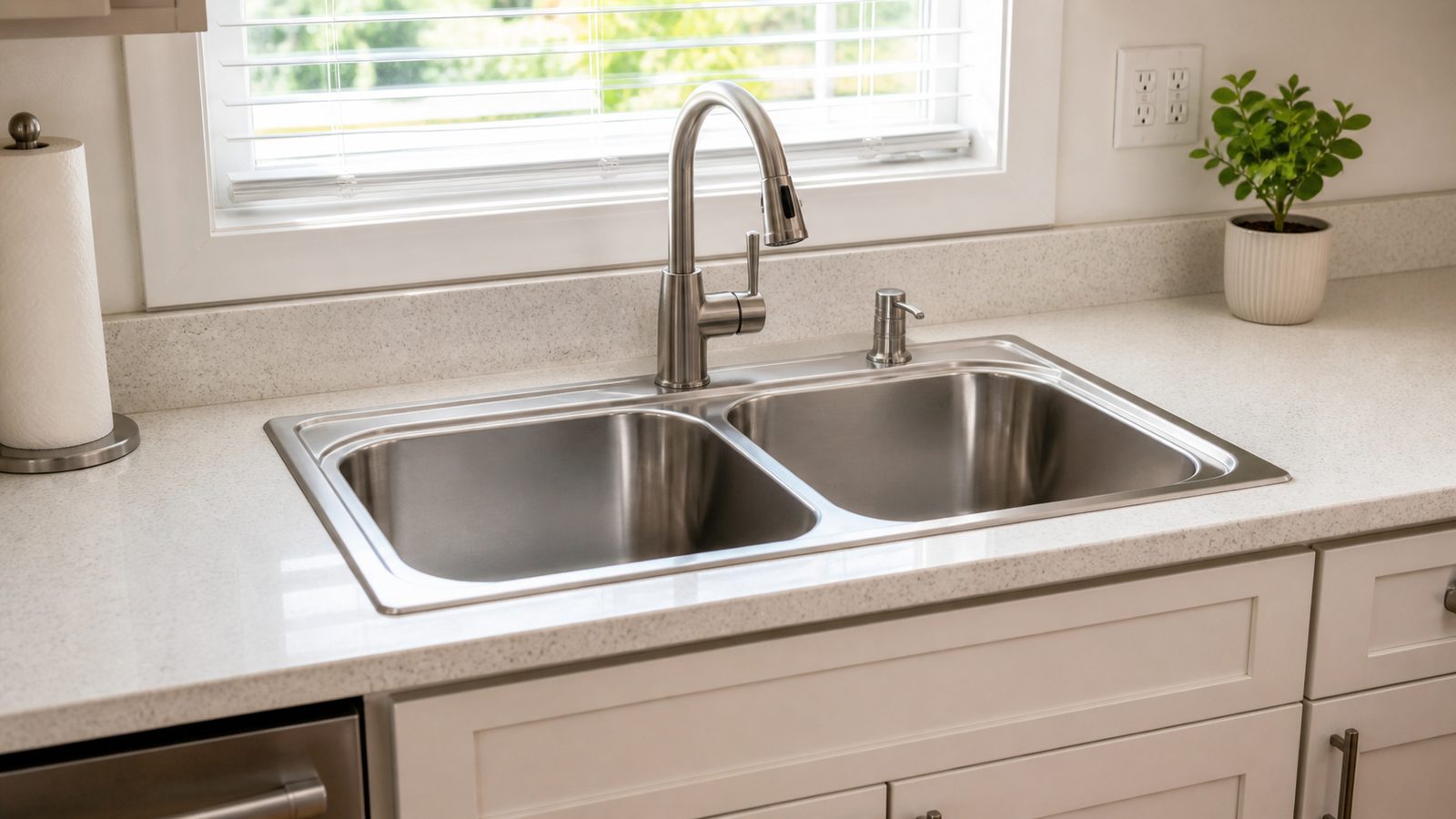
A dripping spout, a wobbly handle, or an aerator that has finally clogged for the last time are the usual reasons a Jacksonville homeowner decides to swap out a kitchen faucet. It is one of the more approachable plumbing jobs you can take on yourself, and most of the time it does not require a permit. But older Jacksonville homes, particularly those on original galvanized supply lines or with decades-old shutoff valves, can turn a simple swap into a bigger project fast. Here is what to know before you start.
When You Need a Permit in Jacksonville
Under the Florida Building Code, Plumbing, a straight like-for-like fixture replacement, meaning you are swapping one kitchen faucet for another without changing the water supply piping, drain configuration, or adding new fixtures, generally does not require a permit. This falls under the routine maintenance and minor repair exception that most Florida jurisdictions, including the City of Jacksonville's Building Inspection Division, recognize.
Where things change is if the job grows beyond a simple swap. If you need to relocate the supply lines, replace the shutoff valves (angle stops) themselves, alter the sink cutout, or the work is being done by a licensed contractor rather than the homeowner, permit requirements can apply. Florida law also allows homeowners to do their own plumbing repairs on a home they occupy without a state plumbing license, but the City of Jacksonville can still require notification or a permit for anything beyond fixture replacement. If you are unsure, a quick call to the City of Jacksonville Building Inspection Division before you start will save you a headache later, especially if you plan to sell the home and a past renovation ever comes up in an inspection.
Tools and Materials
- New kitchen faucet (check that it matches your existing hole configuration, single-hole, 3-hole, or widespread)
- Basin wrench (the single most useful tool for this job)
- Adjustable wrench or pliers
- Bucket or towels for water catch
- Plumber's putty or the faucet's included gasket
- Flexible braided supply lines (buy new ones even if the faucet comes with its own, in case your under-sink space needs a specific length)
- Teflon tape (plumber's tape)
- Flashlight or work light
- Old rag or shop towels
- Penetrating oil (for corroded nuts, common in older Jacksonville homes)
Step-by-Step
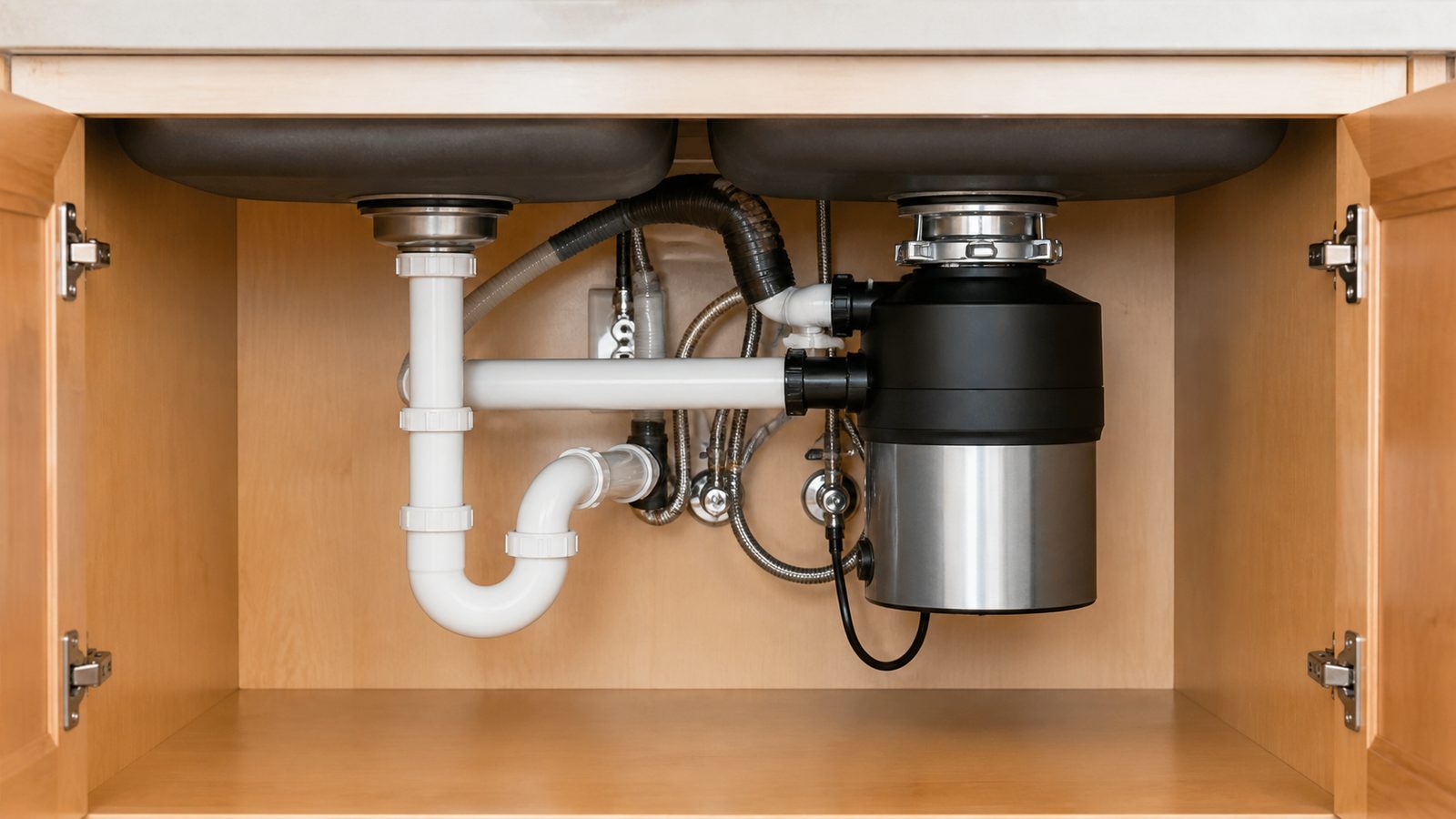
- Shut off the water at the angle stops. These are the small valves under the sink, one for hot and one for cold. Turn clockwise until fully closed. If they are original to an older home and will not turn, do not force them. A seized angle stop is a common reason a simple faucet swap turns into an emergency call. In that case, shut off the main water supply to the house instead and plan to replace the angle stops as part of the job.
- Open the faucet handle to relieve pressure and confirm the water is off. Place a bucket underneath.
- Disconnect the supply lines at the shutoff valves and at the faucet tailpieces using an adjustable wrench.
- Remove the mounting nuts holding the old faucet to the sink, using a basin wrench for the hard-to-reach nuts against the underside of the countertop. This step is easiest with a flashlight since visibility under most kitchen sinks is poor.
- Lift out the old faucet from above and clean the sink deck of old putty, mineral buildup, or caulk residue.
- Set the new faucet through the sink holes, apply plumber's putty or use the gasket provided, and secure it from below with the new mounting hardware.
- Connect the new supply lines to the faucet tailpieces and then to the angle stops, wrapping threaded connections in Teflon tape. Hand-tighten, then snug with a wrench, being careful not to overtighten braided lines, which can crack fittings.
- Turn the water back on slowly and check every connection for drips.
- Run the faucet for a minute on both hot and cold to clear any debris from the lines, then check the aerator for steady flow.
Jacksonville Climate Considerations
Jacksonville's municipal water, supplied by JEA, carries a moderate mineral content that shows up over time as scale buildup inside faucet aerators and cartridges. If your old faucet had a weak or sputtering stream, mineral deposits were likely part of the problem, and it is worth choosing a new faucet with a removable, easy-to-clean aerator.
Homes built before the 1980s in neighborhoods like Riverside, Avondale, San Marco, and parts of Arlington and the Westside often still have original galvanized steel supply lines or aging shutoff valves. Florida's humidity accelerates corrosion in these enclosed under-sink cabinets, so do not be surprised if a valve you expected to simply turn off crumbles or seizes instead. Budget extra time, and possibly extra parts, for this scenario rather than assuming the job will go exactly to plan.
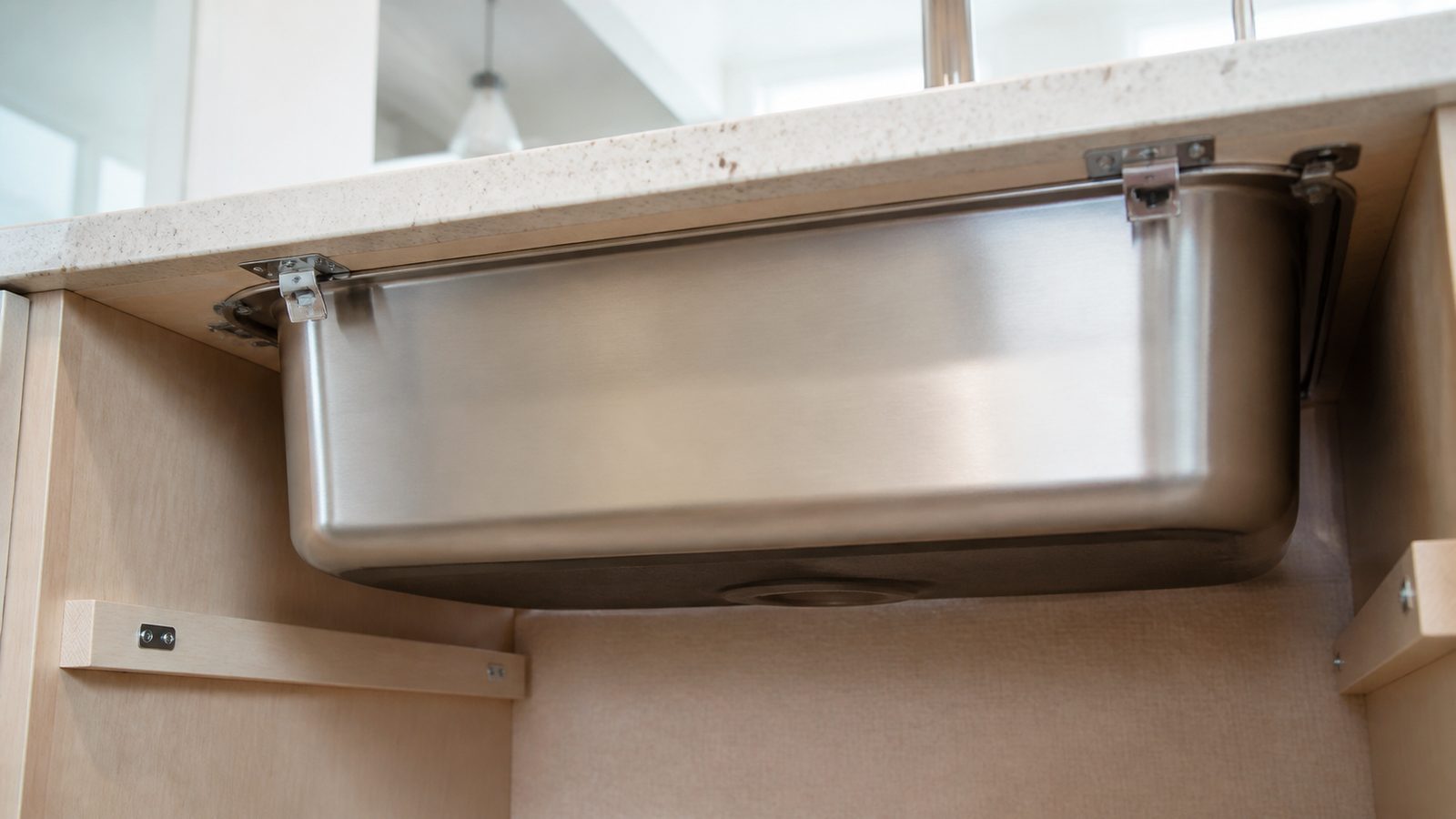
The humid, often poorly ventilated space under a kitchen sink is also a good spot to check for slow leaks or soft, water-damaged cabinet flooring while you have everything exposed. Catching that early is far cheaper than dealing with it after mold or wood rot sets in.
What It Costs in Jacksonville (DIY vs. Hiring a Pro)
| Approach | Typical Cost Range | Notes |
|---|---|---|
| DIY, mid-range faucet | $120 to $350 | Faucet cost only, assumes no valve or line replacement needed |
| DIY, faucet plus new angle stops/supply lines | $180 to $450 | Common in older homes with corroded shutoffs |
| Licensed plumber, standard swap | $250 to $500 | Labor plus faucet if provided by homeowner |
| Licensed plumber, swap with valve replacement or corrosion issues | $400 to $800+ | Reflects added labor for seized valves or old piping |
Prices vary based on faucet quality, whether it is a single-hole or widespread design, and the condition of the plumbing you find once you are under the sink.
When to Call JK Prestige
If your angle stops will not turn, your supply lines are original galvanized pipe, or you discover soft cabinet flooring or signs of a slow leak once you get under the sink, it is time to bring in a professional rather than push forward. JK Prestige handles kitchen plumbing repairs and upgrades across Jacksonville as part of our broader renovation work, and we can assess whether the fix is truly a simple faucet swap or part of a larger issue worth addressing now.
No call center. No coordinator. A JK principal reviews every inquiry and replies with a real number, not a range, not a follow-up form.
Request Free Estimate →