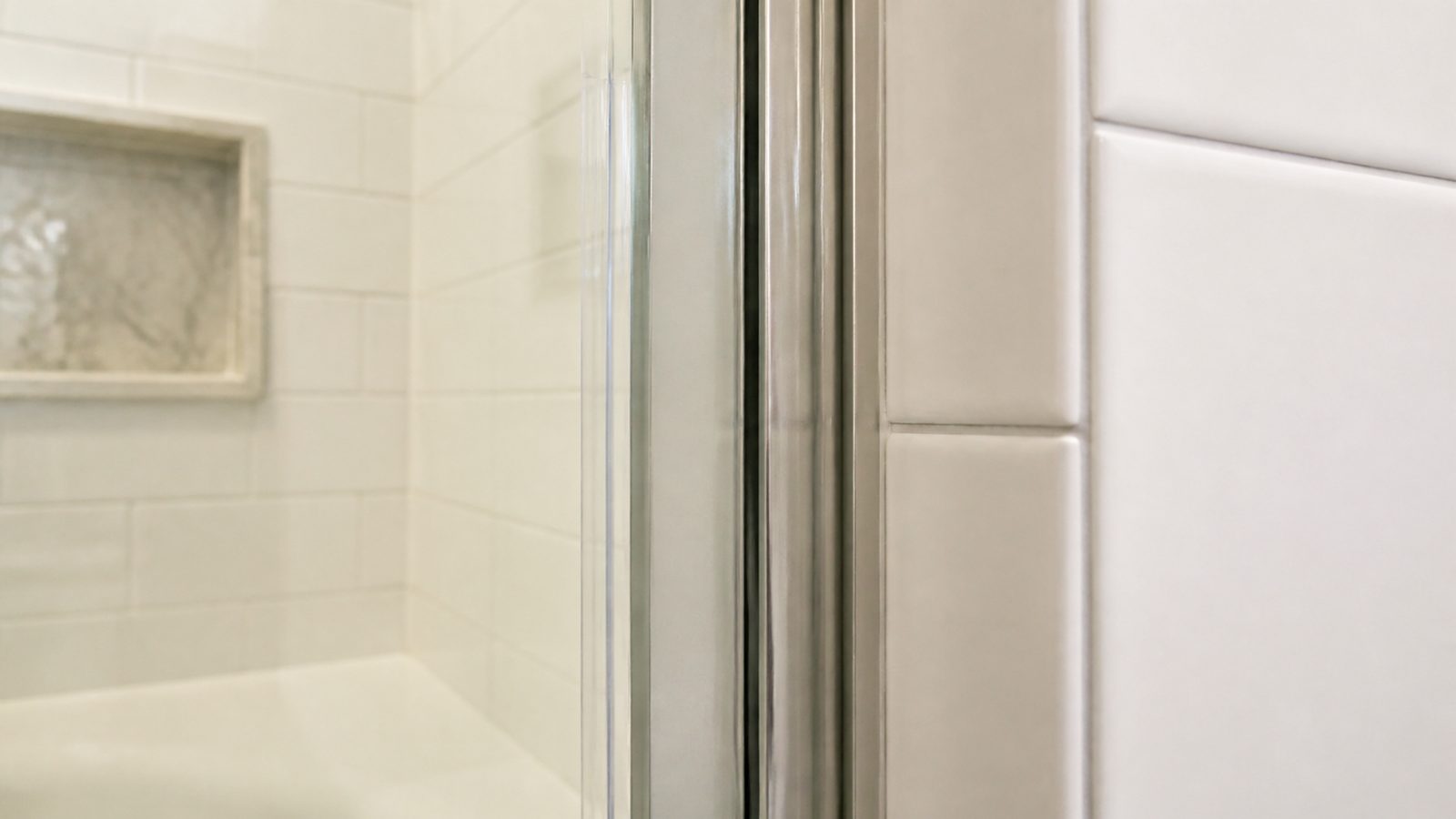
If water is creeping past your glass shower door and pooling on the bathroom floor, the culprit is usually a worn bottom sweep or a hardened side seal, not a failing shower pan. These parts are cheap, sold by the foot at glass and hardware suppliers, and a patient homeowner can swap them out in an afternoon. The trick is identifying the exact profile your door uses, since sweeps and seals are not universal, and knowing when the real problem is the caulk joint at the curb instead of the door. This guide covers both, with an eye toward Jacksonville's humidity, hard water and how an ignored leak quietly works its way into the framing behind the tile.
When You Need a Permit in Jacksonville
Replacing a door sweep, side seal or drip rail is routine maintenance. It does not touch plumbing, structure or waterproofing, so no permit is required in Duval County. The same goes for recaulking a shower curb or the glass-to-tile joint. You cross into permit territory when the work changes the shower pan, moves or replaces water supply or drain lines, alters the waterproofing membrane, or converts a tub to a shower. A shower pan replacement in Jacksonville typically requires a plumbing permit and a shower pan test inspection before the walls close back up, since the city wants to see the pan hold water first. If your project is limited to hardware on the door, you are fine without a permit, but if the leak turns out to be a soft subfloor or a failed pan liner, that is a different job. When in doubt, confirm with the City of Jacksonville Building Inspection Division before you start.
Tools and Materials
- Replacement vinyl sweep, side seals or drip rail matching your door's profile
- Utility knife or fine-tooth hacksaw
- Tape measure
- Flathead screwdriver or plastic trim tool
- Rubbing alcohol and a lint-free cloth
- Razor blade scraper for scale or adhesive residue
- 100% silicone caulk and caulk gun (if recaulking the curb)
- Painter's tape for a clean caulk line
Step-by-Step
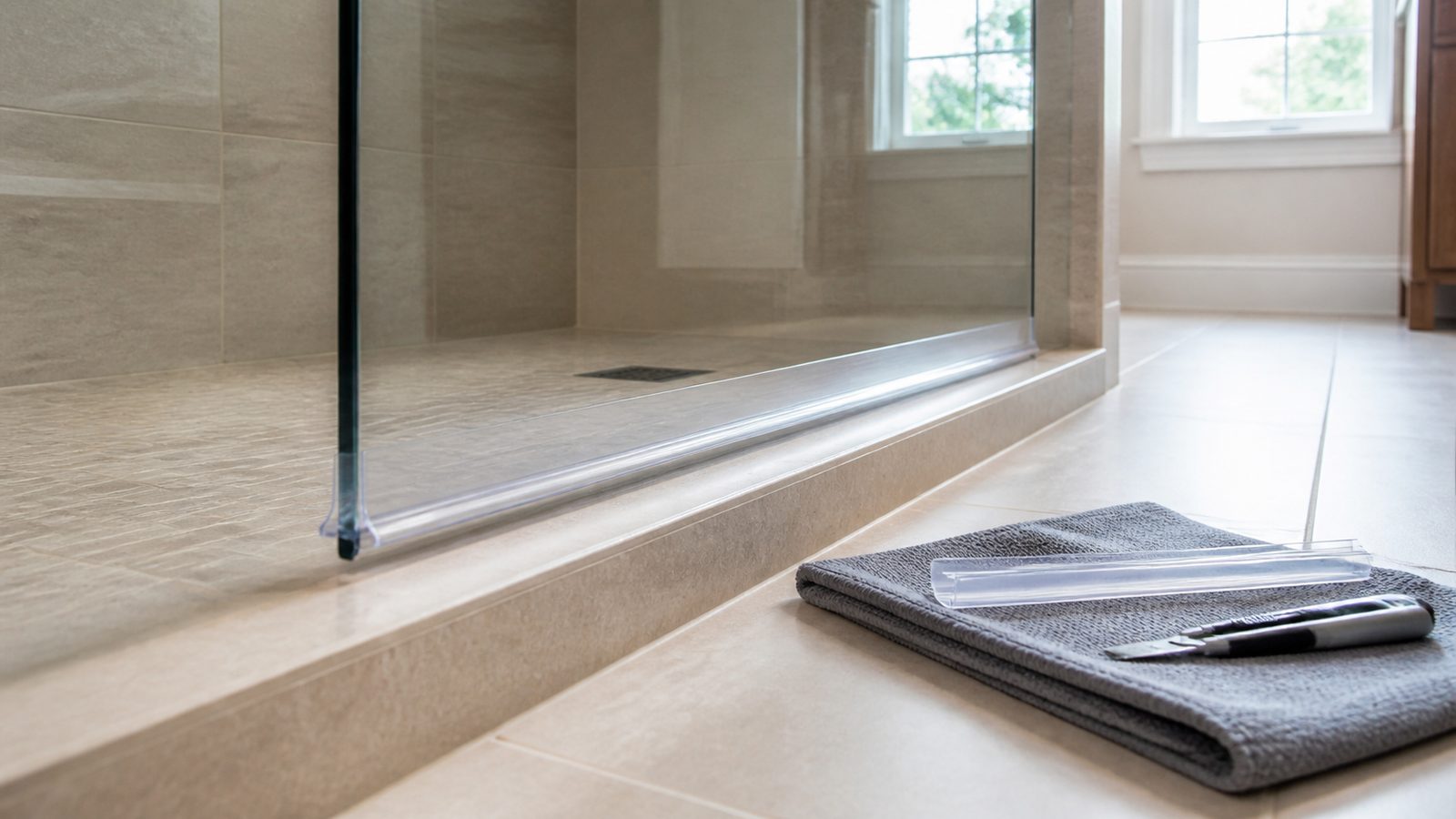
- Identify the profile. Pull the old sweep or seal off the glass and take it, or a clear photo with a ruler beside it, to a glass shop or hardware supplier. Channel widths and wing shapes vary, and the wrong match will pop off within a week.
- Measure the glass edge. Measure the height of the panel where the seal actually runs, not the door opening. Replacement strips come long and get trimmed down, so measure twice before cutting.
- Remove the old part. Slide a flathead screwdriver or plastic trim tool under the lip and work the old piece off the glass edge. It will usually be stiff, cracked or shrunk from age and heat, which is why it leaks.
- Clean the glass edge. Scrape off dried caulk, soap scum or hard water scale with a razor blade held flat against the glass, then wipe the edge with rubbing alcohol. Any residue left behind keeps the new seal from seating fully.
- Cut the new piece to length. Use a sharp utility knife or fine-tooth hacksaw on a flat surface. A ragged cut leaves a gap where water can start again.
- Press the new seal onto the glass. Start at one end and work down the length, seating the channel fully as you go. It should snap or slide on snugly without forcing, a sign the profile is correct.
- Test with water. Run the shower and watch the bottom corners and the curb closely. Reseating a corner that pops loose now is much easier than dealing with a wet floor later.
Jacksonville Climate Considerations
Northeast Florida summers push high humidity into every bathroom, and a shower with a weak or missing exhaust fan stays damp for hours after use. That slow drying time breaks down vinyl seals faster here than in a drier climate, and it also feeds mildew along the door track even when the seal is intact. In parts of Duval County with harder water, mineral scale builds up inside the sweep's channel, which stiffens the vinyl and kills the seal well before it looks worn. A leaking sweep is not just a nuisance puddle. Water running down the outside of the curb, day after day, eventually reaches the subfloor and framing around the shower, and that kind of rot does not announce itself until the floor feels soft or a stain shows up on the ceiling below.
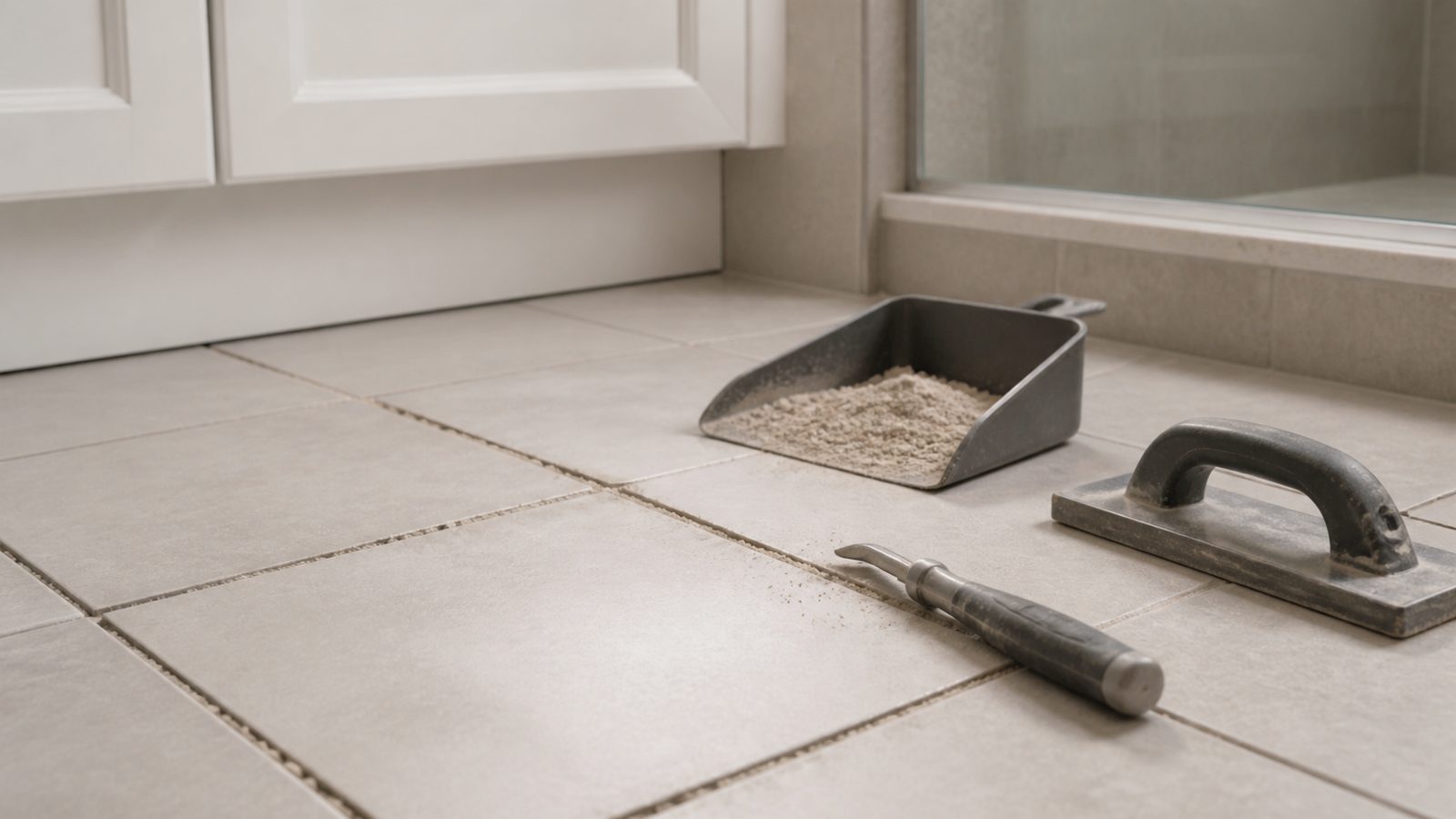
Not every leak is the door's fault. If water is coming up through the tile floor, staining a ceiling below a second-floor bathroom, or showing up as moisture at the base of walls outside the shower footprint, that points to a failed pan liner or bad waterproofing, not a worn seal. Press a finger against the grout near the drain after a shower. If it feels spongy or the tile flexes, the pan or subfloor is the real problem, and new vinyl on the door will not fix it. That points to the pan replacement and permit path above, not a weekend hardware swap.
What It Costs in Jacksonville (DIY vs. Hiring a Pro)
These are rough, non-official estimates based on typical parts and labor pricing in the area. Actual cost depends on door size, profile availability and whether the curb also needs recaulking.
| Scope | DIY Cost (Parts Only) | Hiring a Pro |
|---|---|---|
| Sweep only | $10 to $25 | $125 to $225 |
| Side seals and sweep | $25 to $60 | $200 to $350 |
| Recaulking the curb only | $10 to $15 | $150 to $250 |
| Full reseal (seals, sweep, caulk) | $40 to $80 | $300 to $450 |
When to Call JK Prestige
Swapping a sweep is a fair DIY project for most homeowners. It makes sense to bring in a contractor when you cannot find the correct profile locally, when the frame or hinges are also corroded, or when water testing points to a pan or subfloor problem under the door rather than the seal. JK Prestige can diagnose which situation you are in before any tile comes up, and if the issue turns out to be the pan or waterproofing, we handle the permitting and inspection process with the City of Jacksonville from start to finish so the repair gets done once, correctly.
No call center. No coordinator. A JK principal reviews every inquiry and replies with a real number, not a range, not a follow-up form.
Request Free Estimate →