If you own a home in one of Jacksonville's lower-lying neighborhoods, near the St. Johns River, its tributaries, or in an older crawlspace house in areas like Ortega, Riverside, San Marco, or Arlington, you already know what a wet summer feels like. Jacksonville's flat terrain and shallow water table mean that when the rain comes hard and fast, as it does most afternoons from June through September, water has nowhere to go but into low spots, crawlspaces, and basements-turned-storage-rooms. A sump pump is the workhorse that keeps that water moving out instead of pooling under your house. Replacing a failing pump, or installing one for the first time in a crawlspace that keeps staying damp, is a job many Jacksonville homeowners can do themselves in an afternoon. This guide walks through what a permit actually requires here, the tools you need, the steps in order, and what it costs whether you do it yourself or call a pro.
When You Need a Permit in Jacksonville
A straightforward like-for-like swap, pulling out an old sump pump and dropping in a new one of the same type in the same pit, generally does not require a permit from the City of Jacksonville. It's treated as equipment replacement, not new construction.
That changes if you're doing more than a swap. Installing a brand-new sump pit and discharge system where none existed before, adding a dedicated electrical circuit or new outlet for the pump, or altering how and where the discharge line exits your home can trigger a plumbing or electrical permit through the City of Jacksonville's Building Inspection Division. Before you start any project beyond a direct swap, call the Building Inspection Division or check the permit portal to confirm what applies to your specific job. Requirements can vary based on your property and the scope of work, so don't assume.
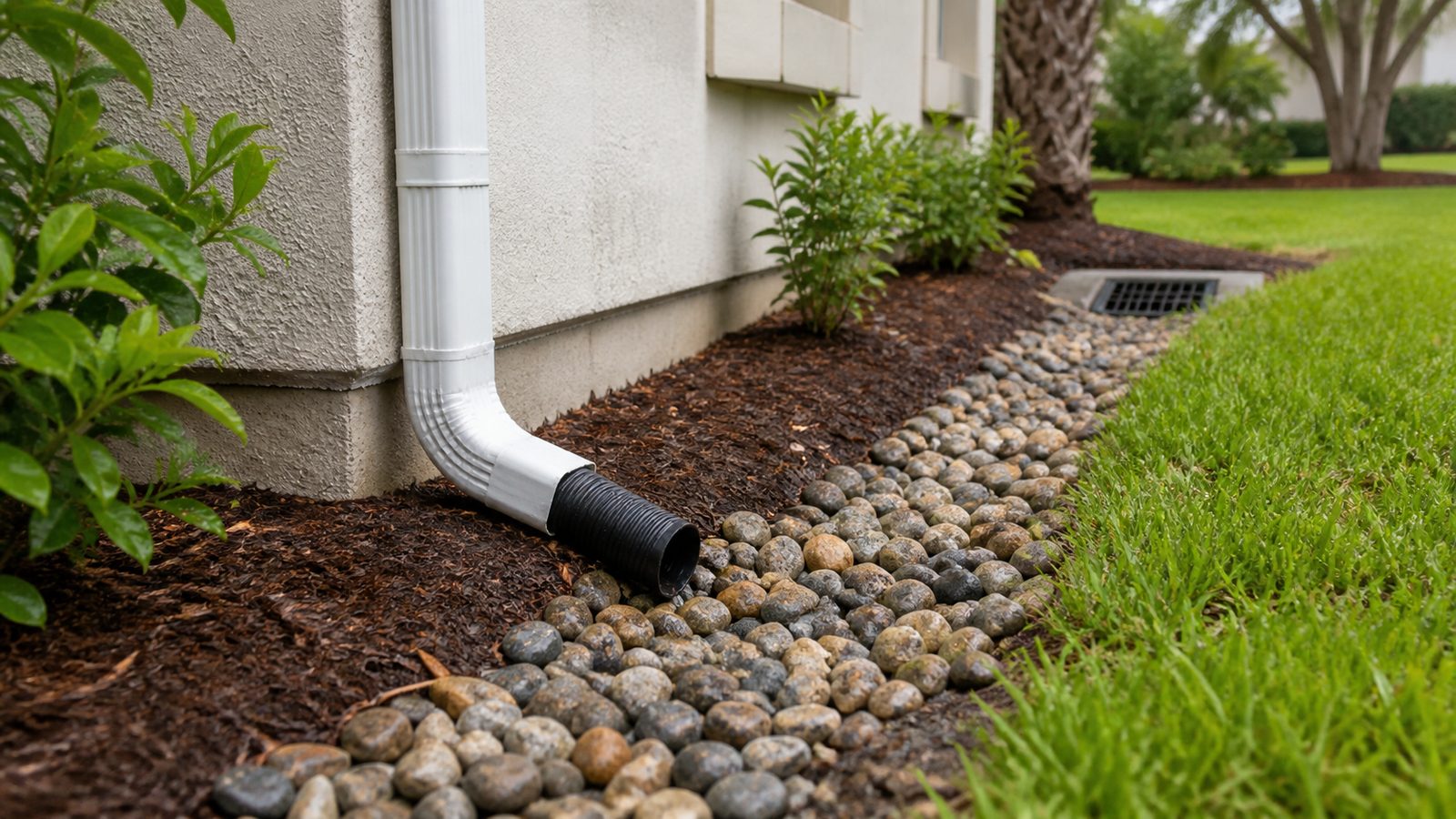
Two other things matter regardless of permits. First, your discharge water has to go somewhere that doesn't create a nuisance or drainage problem for your neighbor, and it shouldn't dump directly onto a sidewalk, street, or adjoining lot. Direct it to a location on your own property where it can soak in or reach an existing drainage swale. Second, if you're trenching a new discharge line underground, call 811 (Sunshine State One Call of Florida) at least a couple of business days ahead so utility lines get marked. It's free, and it's the law before you dig.
Tools and Materials
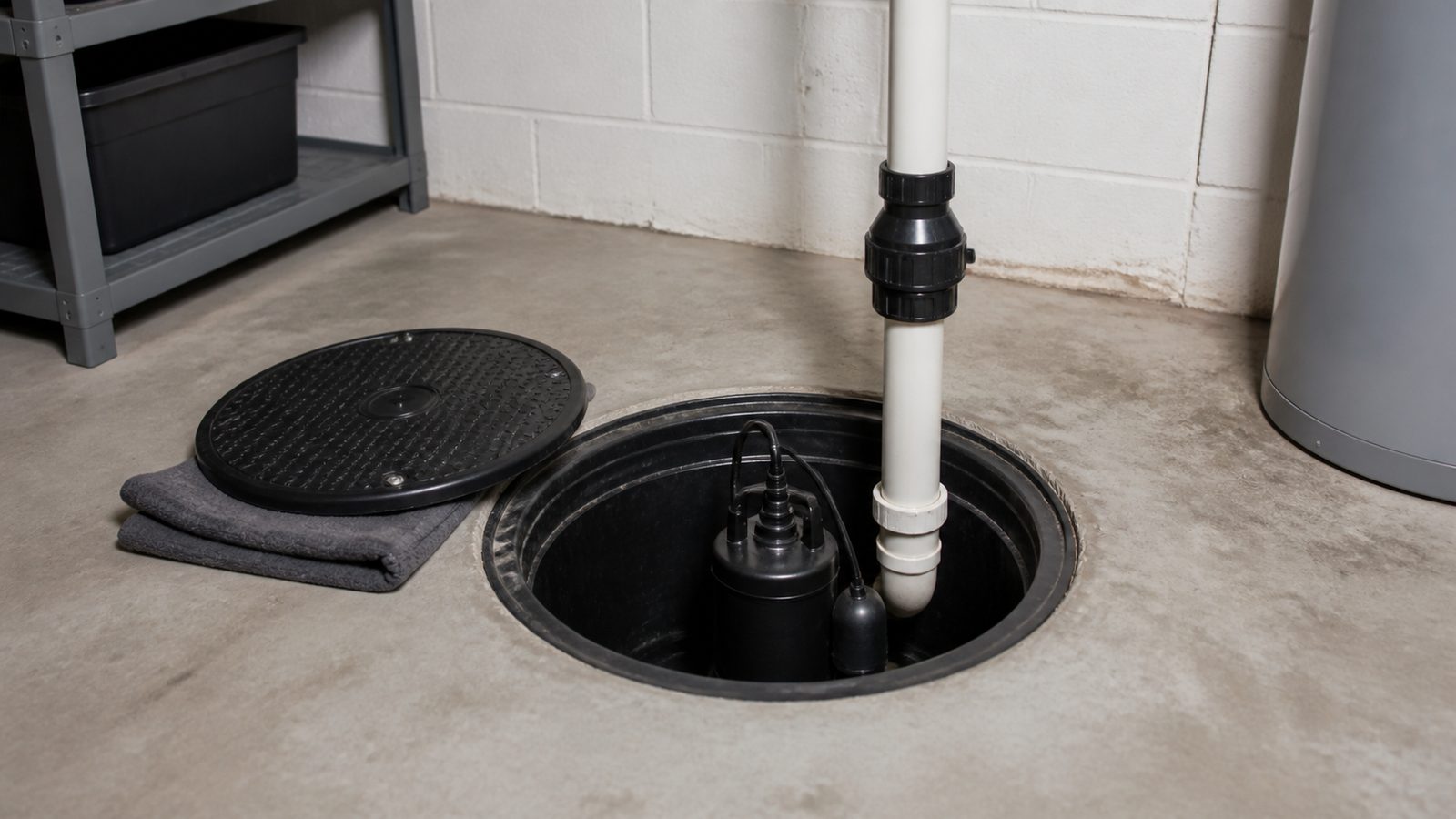
- Submersible sump pump sized for your pit (check the pit diameter and your typical water volume)
- Sump pump check valve (prevents water from flowing back into the pit after the pump shuts off)
- PVC discharge pipe, typically 1.5 or 2 inch, matched to your pump's outlet
- PVC primer and cement, plus couplings and any needed elbows
- Battery backup sump pump or add-on backup unit (strongly worth considering here)
- Bucket, wet/dry shop vac, and gloves for cleaning out the old pit
- Adjustable wrench, screwdriver, and a level
- Garden hose or bucket of water for testing
Step-by-Step
- Cut the power. Unplug the old pump or shut off the breaker feeding its outlet. Never work in a wet pit with the pump still energized.
- Disconnect the discharge line. Loosen the union or coupling connecting the old pump to the discharge pipe so you can lift the pump free without cutting pipe you plan to reuse.
- Remove the old pump and clean the pit. Lift it out, then scoop or vacuum out sediment, grit, and debris that has settled in the pit over the years. A clogged pit is one of the most common reasons pumps fail early.
- Inspect the pit and surrounding soil. Look for cracks in the liner and confirm water is actually draining into the pit from the surrounding soil or drain tile rather than sitting stagnant.
- Set the new pump in the pit. Make sure it sits flat on the bottom and the float switch has room to rise and fall without hitting the pit wall.
- Attach the check valve. Install it directly on the pump's discharge outlet, with the arrow pointing away from the pump, so water can't drain back down once the pump cycles off.
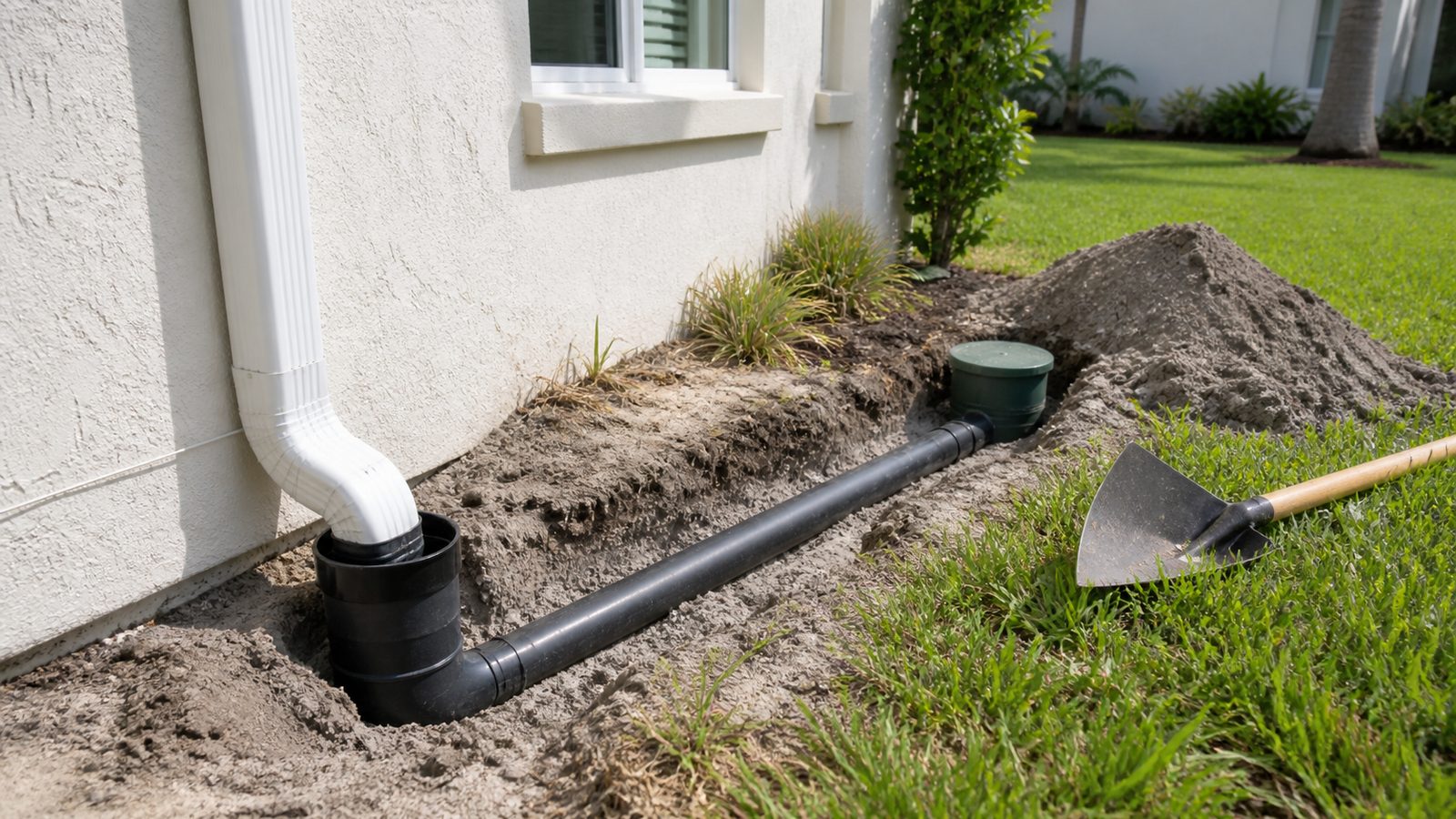
- Connect the discharge pipe. Prime and cement the PVC fittings, then run the line to your chosen discharge point away from the foundation. Slope it slightly downward the whole way so water can't collect and freeze or stagnate in a low spot.
- Test the float switch. Pour water into the pit until the float rises and the pump kicks on. Confirm it pumps the pit down and shuts off cleanly, with no cycling or short-run chatter.
- Add a battery backup if you have one. Wire it per the manufacturer's instructions so it takes over automatically if the primary pump loses power.
Jacksonville Climate Considerations
Jacksonville sits close to sea level with a naturally high water table in many neighborhoods, especially those near the St. Johns River and its creeks. That means groundwater can push up into crawlspaces and low basements even without a single drop of rain falling that day, just from saturated soil. Add in our summer rainy season, when afternoon thunderstorms can drop a lot of water in a short window, and hurricane season running June through November, and a sump pump goes from a nice-to-have to essential equipment for a lot of homes here.
Homes in FEMA-mapped flood zones near the river, or in older neighborhoods with clay soil that drains slowly, tend to see the most consistent sump pump activity. If your home has ever lost power during a storm while water was still rising, a battery backup pump is one of the better investments you can make. Jacksonville's storms have a habit of knocking out power right when you need drainage the most, and a backup keeps the pit from overflowing while you're waiting on FPL or JEA to restore service.
What It Costs in Jacksonville (DIY vs. Hiring a Pro)
| Item | DIY Cost | Hiring a Pro |
|---|---|---|
| Standard submersible sump pump + check valve + pipe | $150 to $400 in materials | $500 to $1,200 installed, including labor |
| Battery backup pump system | $200 to $500 added materials | $300 to $900 added labor and parts |
| New sump pit and discharge system (not a swap) | Not recommended as DIY | $1,200 to $3,000+, often permit-required |
| Annual maintenance / pit cleaning | Your time | $100 to $200 per visit |
These are general ranges based on typical Jacksonville market conditions and can shift depending on pit access, pipe run length, and whether electrical work is involved. Get a written quote before committing to any installation beyond a simple swap.
When to Call JK Prestige
If your crawlspace stays damp no matter what you do, if you're not confident where a new discharge line should go, or if the job has grown from "swap the pump" into "install a new drainage system," it's worth bringing in a pro. JK Prestige Construction handles sump pump installations, crawlspace drainage, and the permit coordination that comes with larger water management projects across Jacksonville. Reach out before a small water problem turns into a foundation or mold issue.
No call center. No coordinator. A JK principal reviews every inquiry and replies with a real number, not a range, not a follow-up form.
Request Free Estimate →