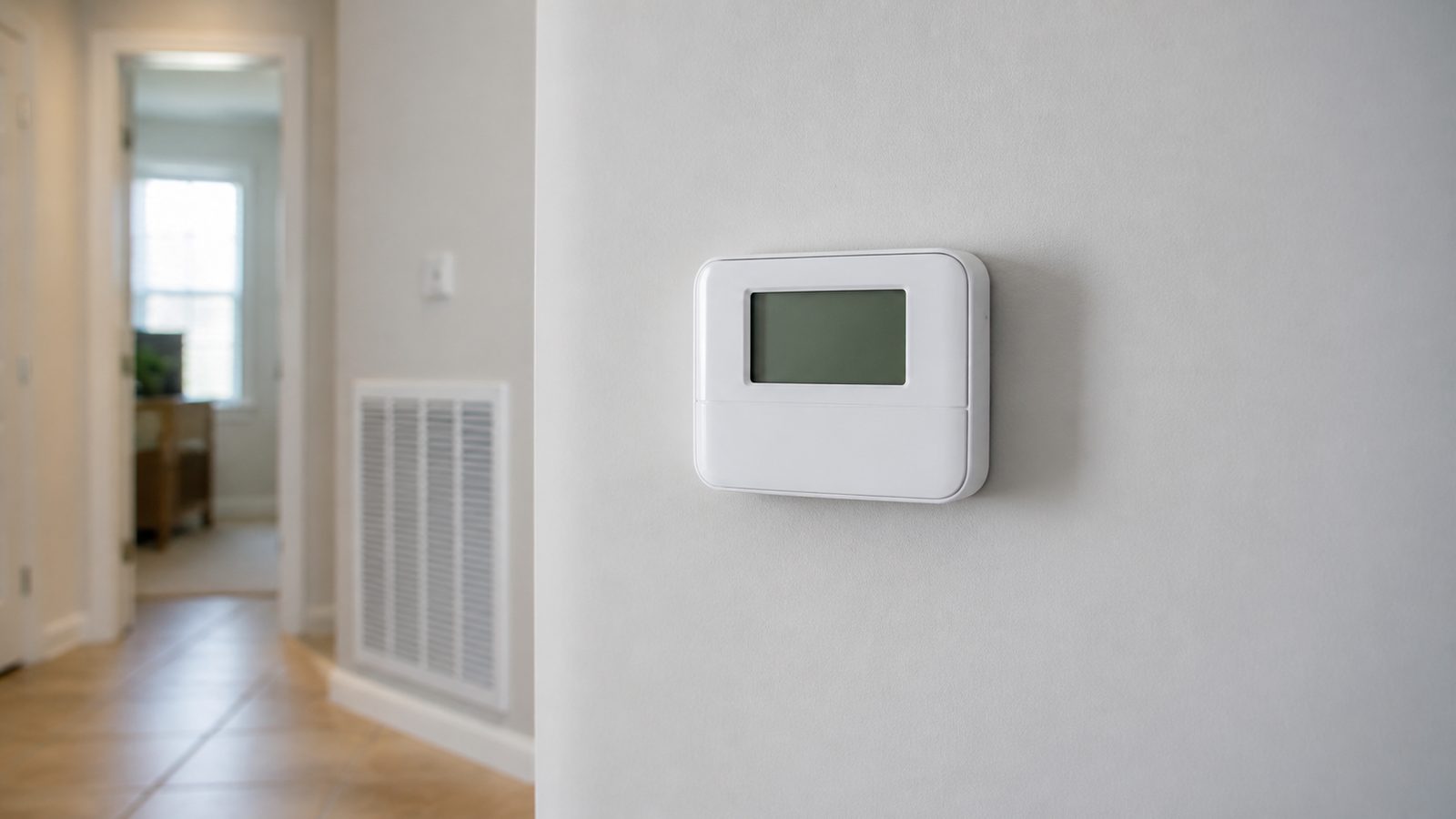
If your thermostat is original to the house, stuck on a schedule nobody set, or just plain ugly, swapping it out is one of the more approachable DIY projects in a Jacksonville home. Most homes here run on standard low-voltage HVAC systems, whether that's a heat pump (common in newer construction) or a straight-cool AC with a gas or electric furnace (common in older neighborhoods like Riverside, Avondale, and San Marco). A like-for-like swap is a manageable weekend job if you take your time with the wiring. Here's how to do it, when to call a licensed pro instead, and what it should cost either way.
When You Need a Permit in Jacksonville
For a straightforward, like-for-like swap, a permit is not required. You're working with low-voltage control wiring (typically 24 volts), not the line-voltage wiring that triggers permitting and licensed-electrician requirements in Duval County. This is homeowner-level work, similar to replacing a doorbell or light switch.
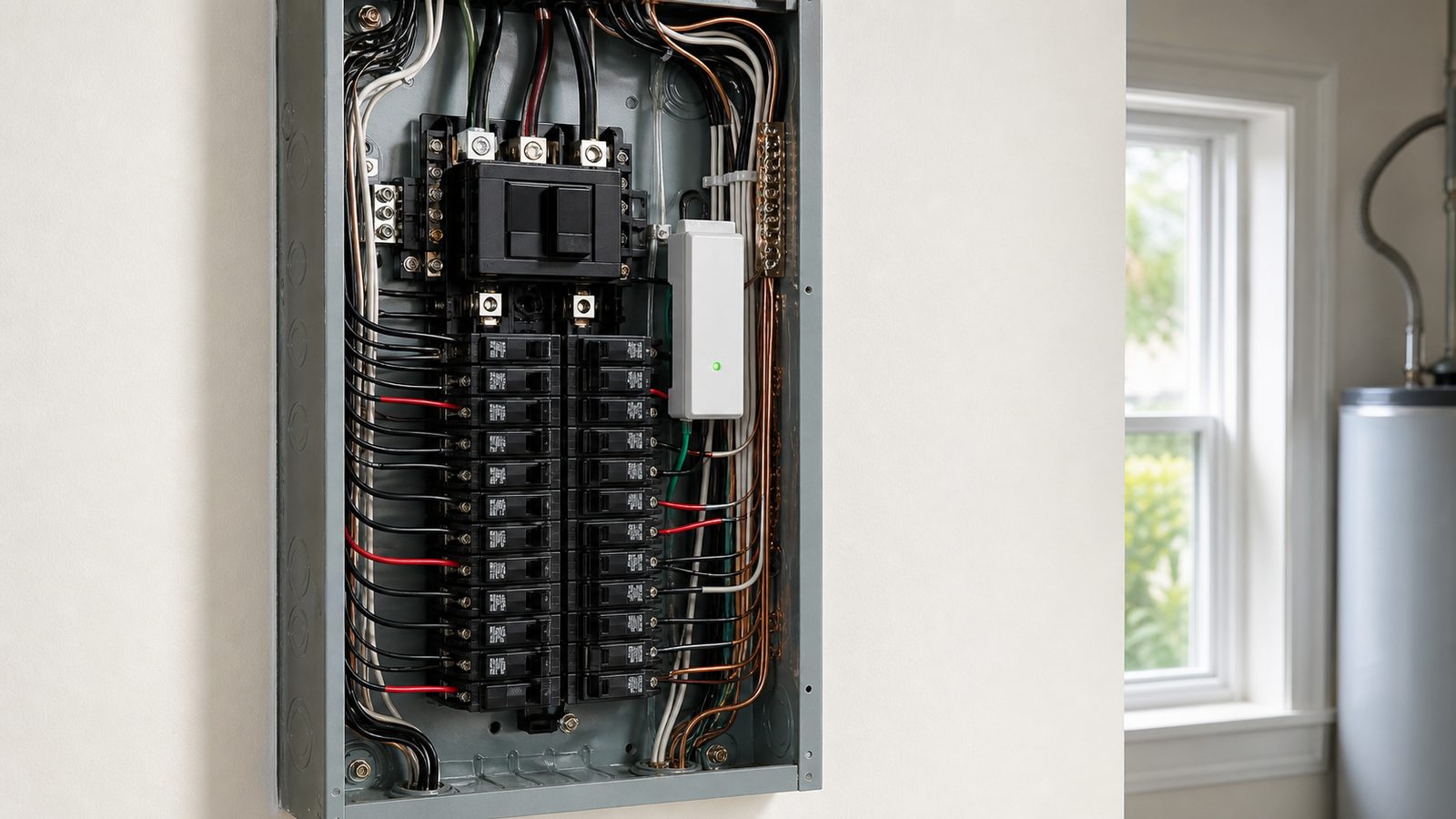
Where it changes: if the new thermostat requires rewiring the system, adding a C-wire from the air handler, or converting between system types, or if you're working at the air handler, furnace, or condenser itself, bring in a licensed HVAC contractor. Regardless of thermostat type, always kill power to the HVAC system at the breaker before touching a wire. In older Jacksonville homes with less clearly labeled panels, flip the outdoor condenser disconnect too, or test with a non-contact voltage tester first.
One more local note: whether your home runs a heat pump or a straight-cool system changes both the wiring terminals and how you configure the new thermostat. Get this wrong and the system can run backwards, or rely on expensive backup heat.
Tools and Materials
- Phillips and flathead screwdrivers
- Phone camera, to photograph the existing wiring before disconnecting anything
- Masking tape and a pen, to label wires
- Level (many smart thermostats have a built-in one)
- New thermostat rated for your system type (heat pump vs. conventional)
- C-wire adapter or "add-a-wire" kit, only if your system lacks a common wire
- Wall anchors, if the new base doesn't line up with existing holes
Step-by-Step
- Turn off power at the breaker. Find the breaker for your air handler or furnace and switch it off. If unsure which one it is, also shut off the outdoor condenser disconnect, and confirm the thermostat display goes dark.
- Photograph the existing wiring. Take a clear, zoomed-in photo of the wire terminals before disconnecting anything, as a backup reference.
- Label each wire as you remove it. Tape each wire with its terminal letter (R, C, W, Y, G, O/B) as you take it off the old base. Don't let a wire fall back into the wall.
- Remove the old thermostat base from the wall.
- Check for a C-wire. The C (common) wire powers smart thermostats continuously. Many Jacksonville homes built before smart thermostats became standard weren't wired with one. If yours lacks one and the new unit requires it, use an add-a-wire adapter or a power extender kit, or have a low-voltage wire run from the air handler.
- Mount the new base and level it, routing the labeled wires through the opening and using the existing screw holes when possible.
- Wire the terminals to match your system type, using the new thermostat's own diagram rather than the old base's labels:
- Conventional AC/furnace: R (power), C (common), W (heat), Y (compressor), G (fan).
- Heat pump: Typically O/B (reversing valve), Y (compressor), and W2/AUX/E for auxiliary or emergency heat.
- Snap the thermostat onto the base and restore power at the breaker.
- Configure the system type during setup. Most units ask whether you have a heat pump or conventional system, gas or electric heat, and how many stages. Getting this right keeps a heat pump from defaulting to its inefficient backup strips, and a conventional system from short-cycling.
- Test heating and cooling and confirm the correct equipment responds before calling it done.
Jacksonville Climate Considerations
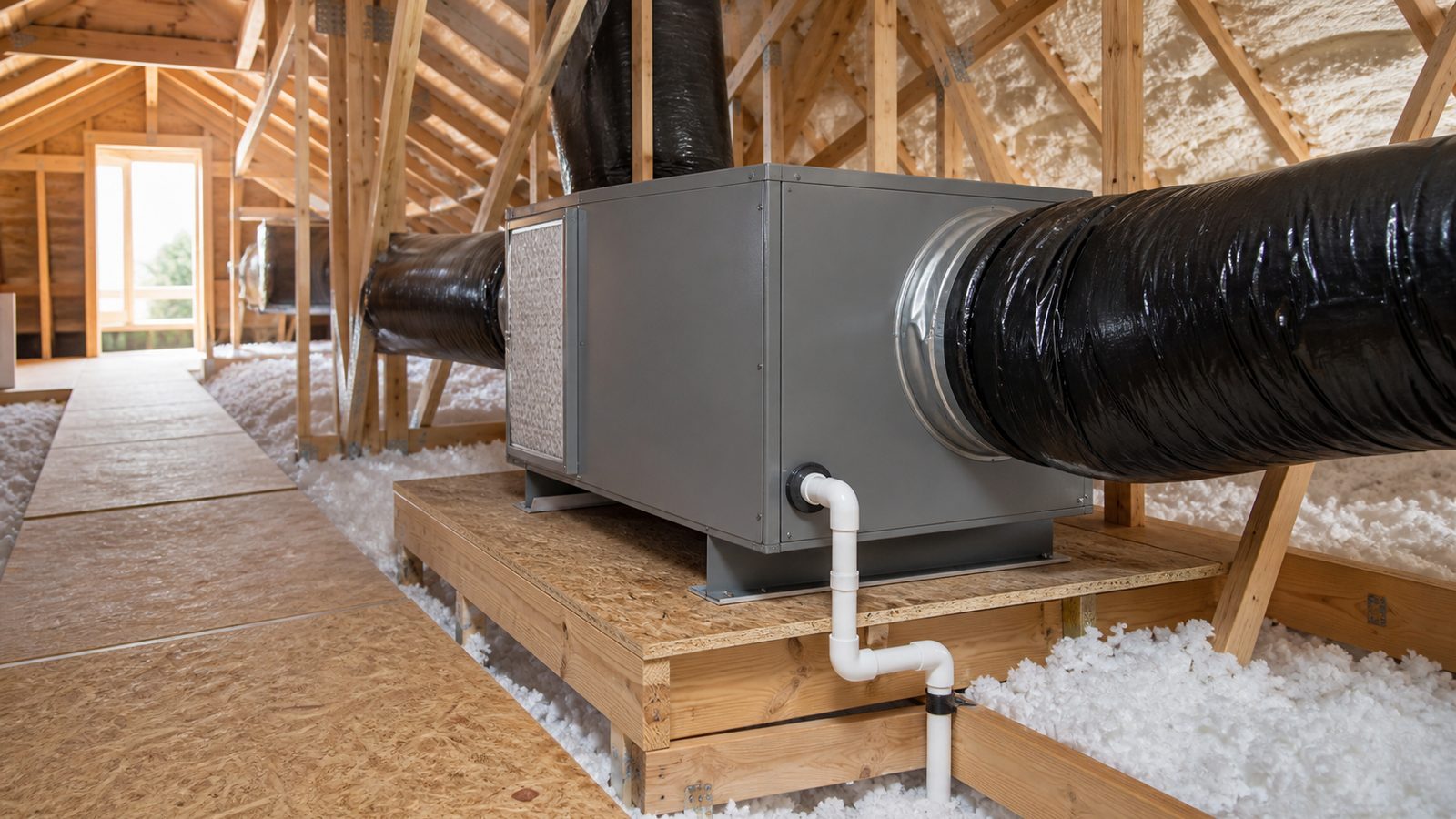
Jacksonville's climate is cooling-dominant. AC runs far more months than heat does, and summer humidity, not just temperature, is the real challenge. Heat pumps are common here because our winters are mild enough that a heat pump can handle heating without a separate furnace; make sure any new thermostat is configured for that, or it may lean on inefficient backup electric heat all winter.
Humidity control matters as much as temperature setpoints. Many smart thermostats include a dedicated humidity or "dry mode" setting worth configuring during setup rather than skipping. Because AC runs nearly year-round here, scheduling setbacks and geofencing can meaningfully cut compressor runtime, usually the biggest line item on a summer power bill. And the missing C-wire is the single most common snag local homeowners hit, since many area homes predate smart thermostats; budget extra time or a call to a pro if you find one missing.
What It Costs in Jacksonville (DIY vs. Hiring a Pro)
| Approach | Typical Cost Range | Notes |
|---|---|---|
| DIY, basic non-smart thermostat | $20 to $60 | Thermostat only; no labor if C-wire exists |
| DIY, smart thermostat | $100 to $280 | Add $15 to $40 for a C-wire adapter if needed |
| Professional install, basic thermostat | $125 to $250 | Includes labor and standard thermostat |
| Professional install, smart thermostat | $250 to $450 | Includes labor, thermostat, C-wire install if needed |
| C-wire fish/run only | $100 to $250 | More if wall access is difficult |
These ranges reflect typical Jacksonville-area pricing for straightforward jobs; older homes with plaster walls or hard-to-access air handlers can run higher.
When to Call JK Prestige
If your thermostat swap uncovers bigger issues, an air handler with no accessible C-wire terminal, unlabeled wiring from a past renovation, or a system that won't respond correctly no matter how it's configured, that points to an electrical or HVAC problem beyond the thermostat. JK Prestige coordinates renovation and system work across Jacksonville homes and can bring in the right trade to diagnose it rather than guessing. If you're already planning a broader renovation, we can fold thermostat and HVAC controls into that scope.
No call center. No coordinator. A JK principal reviews every inquiry and replies with a real number, not a range, not a follow-up form.
Request Free Estimate →